Table of Contents
If you are running—or planning to build—a synthetic leather production facility, the embosser machine is not just another piece of equipment on your line. It is the stage where your product gains identity, texture, visual appeal, and added market value.
You can produce a technically sound PVC or PU leather base. But without the right embossing system, your material may look generic and struggle to compete in today’s increasingly design-driven market.
This article is written for you as a manufacturer, plant manager, or investor evaluating production equipment. Instead of simply explaining what an embosser machine is, we will explore:
- Why embossing determines your product positioning
- How embossing technology has evolved
- What parameters directly affect quality
- Real production case examples
- Cost–benefit considerations
- Maintenance strategies
- Future trends in textured surface engineering
By the end, you should have a practical understanding of how an embosser machine impacts your competitiveness in the leather manufacturing sector.
Why the Embosser Machine Is a Strategic Asset in Modern Leather Production
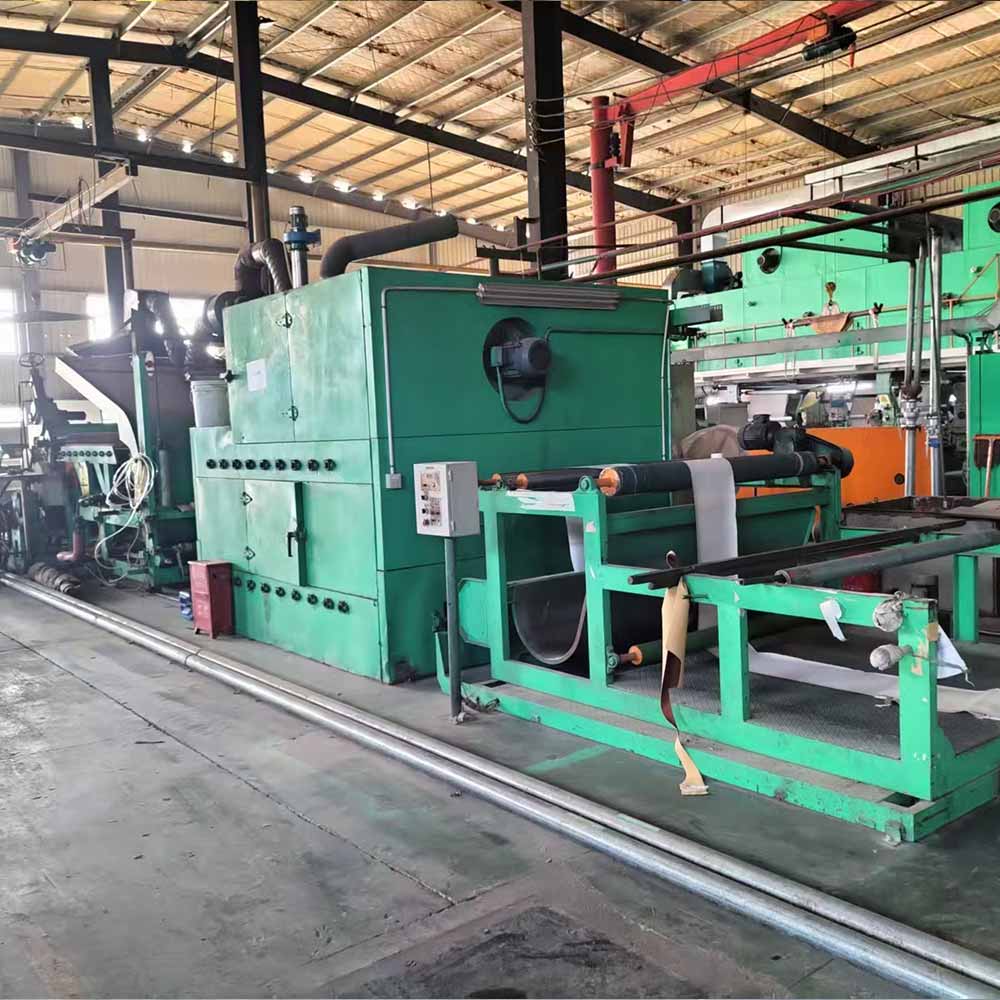
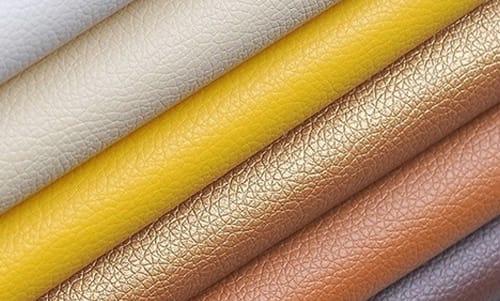
In synthetic leather manufacturing, embossing is the final transformation stage. This is where a smooth coated surface becomes:
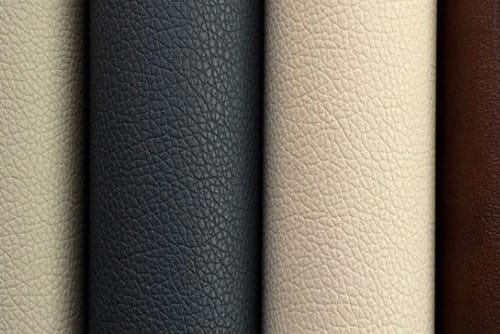
- Natural grain imitation
- Custom decorative texture
- Matte or glossy pattern
- Deep 3D structure
- Anti-slip functional surface
From a business standpoint, embossing:
- Differentiates your product
- Increases perceived value
- Allows premium pricing
- Enables custom orders
- Improves tactile performance
In global markets, design expectations are rising. According to manufacturing trend analyses published by the International Trade Centre, product differentiation has become a key driver for export competitiveness in materials industries. Texture variation plays a direct role in this differentiation.
What Is an Embosser Machine?
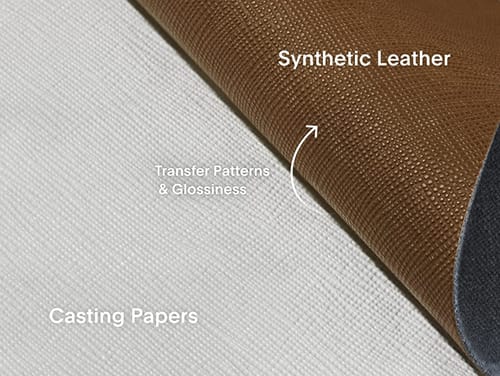
An embosser machine applies controlled pressure and temperature to transfer a textured pattern onto a material surface—typically PVC, PU, or microfiber leather.
The process involves:
- A heated embossing roller engraved with a specific pattern
- A pressure roller to ensure consistent contact
- Temperature control system
- Line speed regulation
- Cooling section for pattern stabilization
If you are evaluating an embosser machine for your production line, you need to understand that roller quality, pressure stability, and thermal consistency determine final product uniformity.
How Embossing Impacts Product Value
Let’s look at a practical example.
Case Study: Upgrading From Basic Grain to Custom Texture
A medium-sized synthetic leather factory supplying local sofa manufacturers noticed price pressure from competitors. Their product quality was stable but visually similar to low-cost imports.
Instead of reducing prices, they invested in:
- Two new engraved embossing rollers
- Adjustable pressure control system
- Improved temperature uniformity
Within 12 months:
- They introduced five new texture patterns
- Average selling price increased by 8–12%
- Customer retention improved significantly
The investment paid back in under two years because embossing allowed differentiation instead of price competition.
Key Technical Factors You Must Evaluate
When selecting an embosser machine, do not focus only on price. Evaluate these critical parameters:
| Parameter | Why It Matters | Risk if Poorly Controlled |
|---|---|---|
| Roller Engraving Precision | Defines texture clarity | Blurred or uneven pattern |
| Temperature Stability | Ensures proper material softening | Inconsistent depth |
| Pressure Uniformity | Prevents thickness variation | Surface distortion |
| Line Speed Synchronization | Maintains pattern accuracy | Stretching or misalignment |
| Cooling Efficiency | Fixes texture permanently | Pattern relaxation |
Temperature control is particularly important because PVC and PU materials respond differently to heat. Regulatory guidelines on material safety and polymer processing can be reviewed via organizations such as the European Chemicals Agency, which outlines safe polymer handling principles.
Types of Embosser Machines for Leather Production
You may encounter several configurations depending on production scale:
1. Single-Roller Embosser
- Suitable for mid-scale lines
- Basic grain patterns
- Cost-efficient
2. Double-Roller Precision Embosser
- Better pressure distribution
- High-definition texture
- Ideal for automotive grade materials
3. Steel Belt Embossing Systems
- Advanced 3D surface capability
- Stable pressure distribution
- Suitable for premium decorative materials
Your choice depends on:
- Target market
- Annual output volume
- Desired texture complexity
- Budget constraints
Global Demand for Textured Synthetic Surfaces
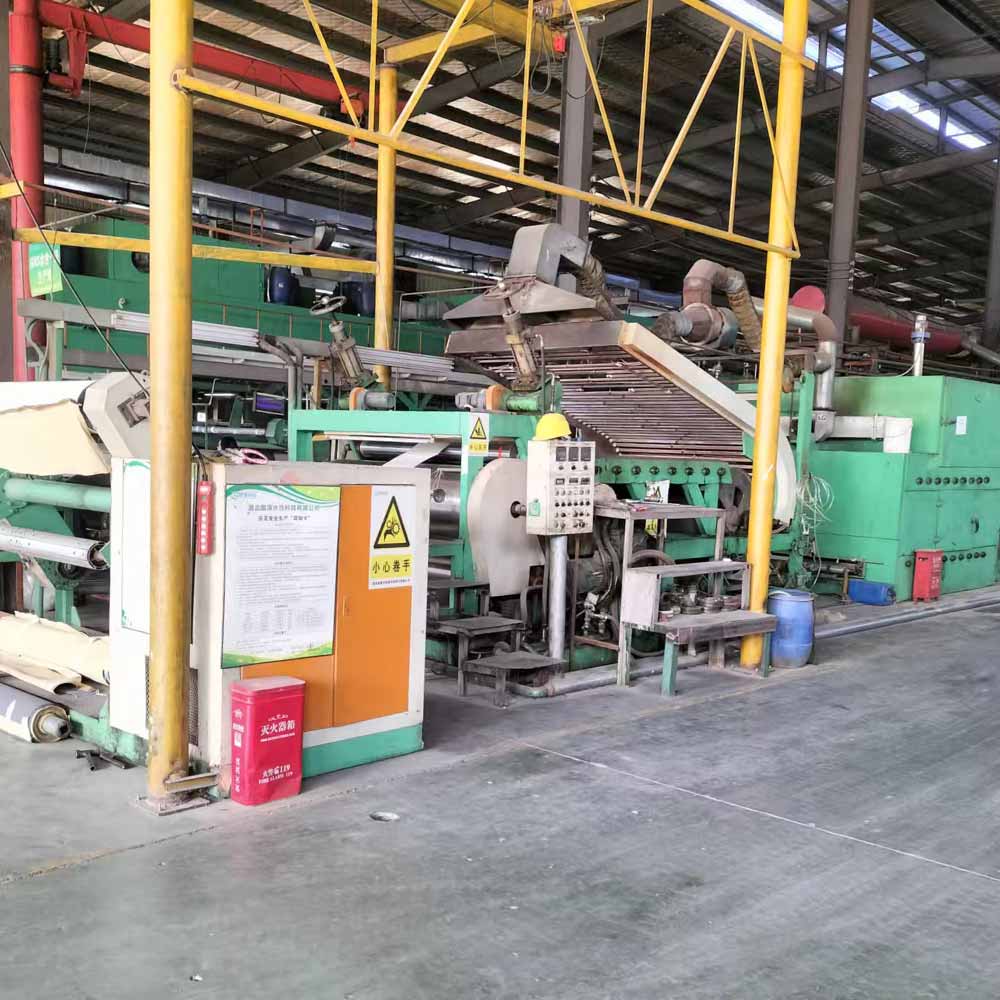
Consumer preference for realistic surface design continues to rise. According to material demand tracking from the World Bank Manufacturing Data Portal, manufacturing output in developing regions continues expanding, increasing demand for cost-effective yet visually appealing materials.
Furniture, automotive interiors, and marine seating sectors all require textured finishes.
If your factory lacks embossing capability, you limit your product categories.
Cost-Benefit Consideration for You
When calculating return on investment, consider:
- Embossing roller cost
- Heating energy consumption
- Maintenance frequency
- Increased product pricing potential
Example ROI scenario:
| Item | Value |
|---|---|
| Embosser machine investment | $250,000 |
| Additional margin per meter | $0.15 |
| Annual production | 2 million meters |
| Annual added profit | $300,000 |
| Estimated payback period | < 1 year |
Even conservative assumptions often show embossing upgrades paying off quickly if sales volume is stable.
Integration With Your Existing Production Line
If you already operate a PVC or PU line, you should check:
- Available installation length
- Power supply capacity
- Cooling water system
- Roller change mechanism
- Control system compatibility
Modern automation integration improves performance. Industrial process optimization practices described by organizations like the International Organization for Standardization emphasize consistent control systems to reduce variability.
Maintenance Strategy for Long-Term Stability
Embossing rollers are precision components. To protect your investment:
- Avoid surface contamination
- Monitor roller alignment
- Maintain stable temperature calibration
- Schedule periodic inspection
- Replace worn pressure components promptly
Poor maintenance leads to inconsistent grain depth, increased scrap rates, and higher long-term costs.
Emerging Trends in Embosser Machine Technology
1. Digital Texture Engraving
Advanced CNC engraving improves texture realism and repeatability.
2. Multi-Pattern Quick Change Systems
Faster roller replacement allows shorter production runs and customized orders.
3. Energy-Efficient Heating
Modern systems reduce energy consumption per meter, improving sustainability.
Energy efficiency practices are supported by guidelines from the International Energy Agency, which highlights industrial energy optimization as a global priority.
Common Mistakes to Avoid
If you are new to embossing equipment investment, avoid these pitfalls:
- Choosing low-quality roller engraving
- Ignoring temperature calibration
- Underestimating cooling requirements
- Purchasing oversized equipment for current demand
- Neglecting operator training
An embosser machine is only as effective as the process control behind it.
Practical Checklist Before Purchasing
Before finalizing your purchase, confirm:
- Target material type (PVC, PU, microfiber)
- Required texture depth
- Roller width compatibility
- Expected daily output
- Energy consumption rate
- Maintenance support availability
Request sample production trials whenever possible. Texture clarity should be examined under direct lighting and tactile inspection.
How an Embosser Machine Strengthens Your Competitive Position
In markets, differentiation is critical.
If your product:
- Feels more realistic
- Has sharper texture
- Offers unique grain patterns
- Maintains consistency batch after batch
You gain pricing power.
Embossing is not just surface decoration—it is a strategic upgrade that affects customer perception and long-term contracts.
Conclusion
If you are investing in a leather production line, the embosser machine should not be treated as an optional accessory. It is the stage that converts a functional base material into a competitive finished product.
Your success will depend on:
- Precision equipment
- Stable process control
- Strategic market positioning
- Consistent quality output
When properly integrated, an embosser machine becomes more than a mechanical component—it becomes a profit amplifier within your production system.
For manufacturers seeking long-term differentiation in synthetic leather markets, embossing capability is not a luxury. It is a necessity.
FAQ
What materials can an embosser machine process?
PVC, PU, microfiber synthetic leather, and other coated textile materials.
How long does an embossing roller last?
With proper maintenance, rollers can operate effectively for many years depending on production volume.
Does embossing increase production cost significantly?
Energy and maintenance costs rise slightly, but improved product pricing often offsets these expenses.
Can embossing depth be adjusted?
Yes. Pressure and temperature settings control texture depth.
Is embossing suitable for automotive-grade materials?
Yes, especially when precision rollers and stable temperature systems are used.
How often should rollers be inspected?
Regular inspection schedules should be based on production intensity, typically monthly or quarterly.