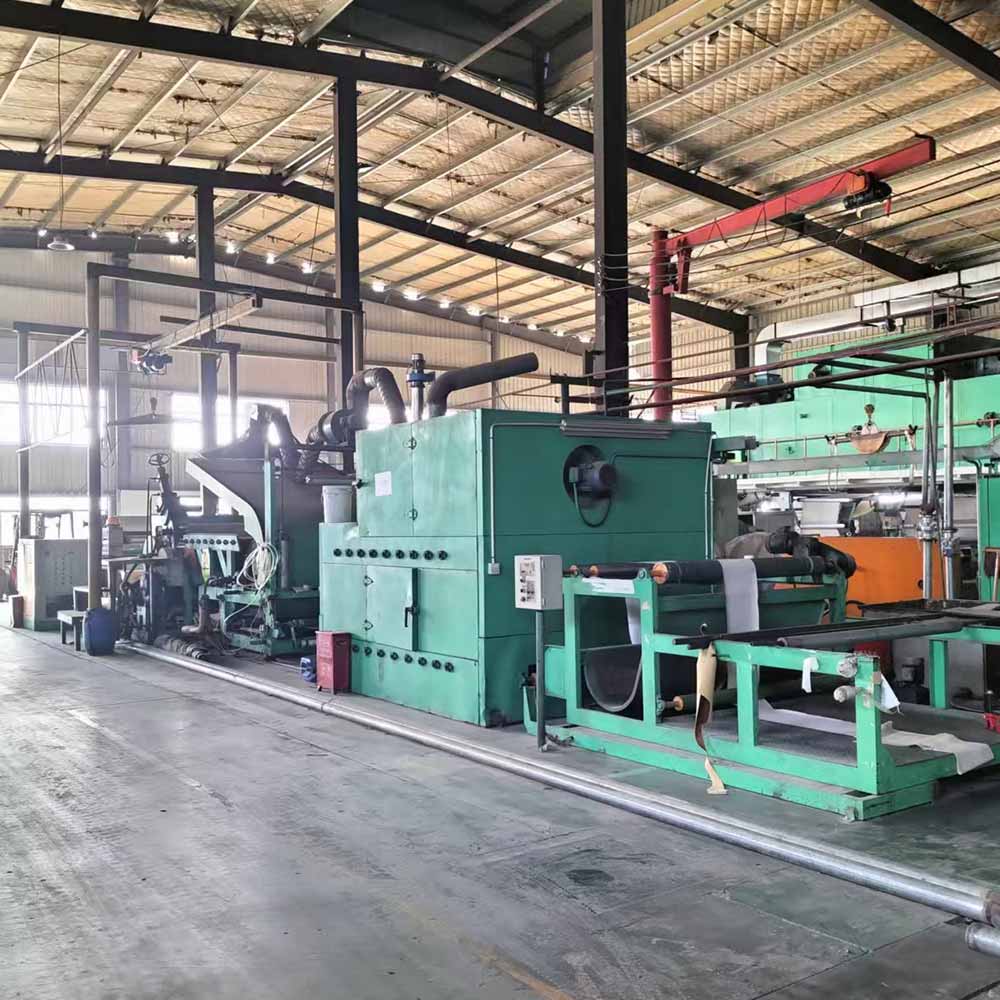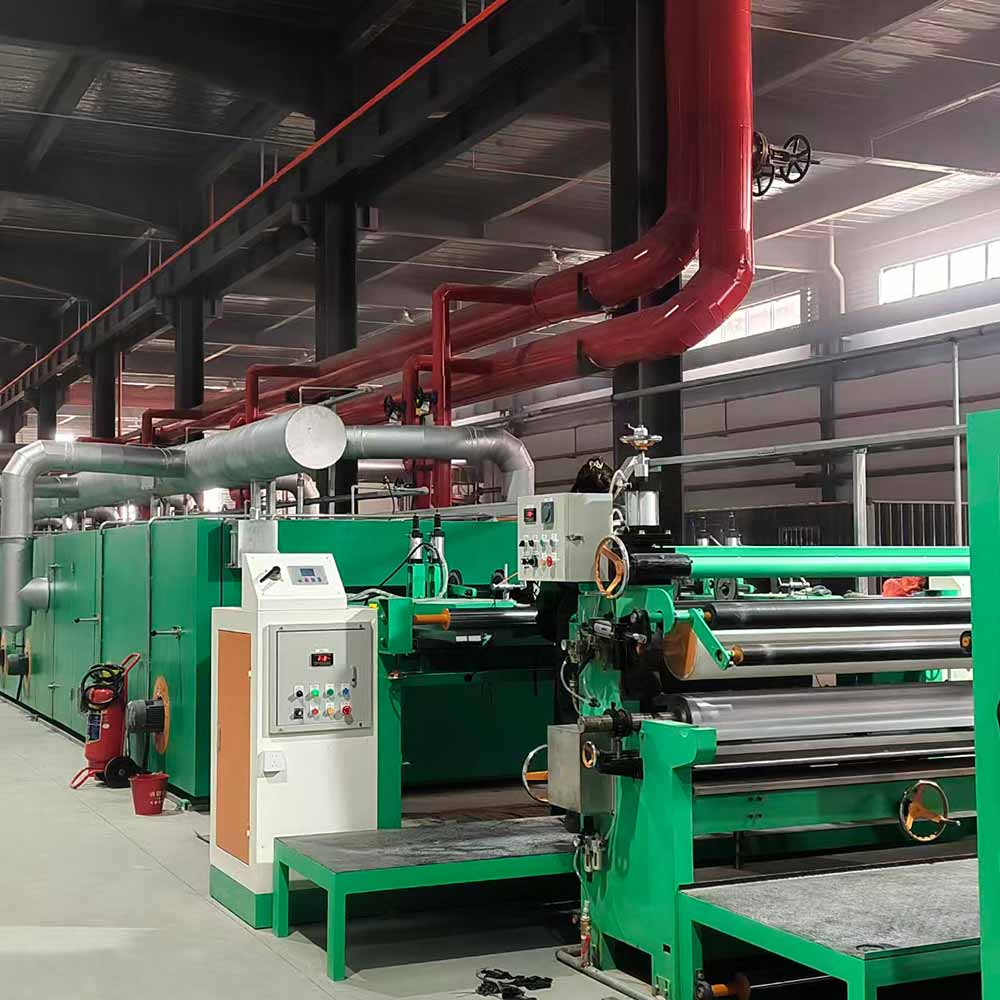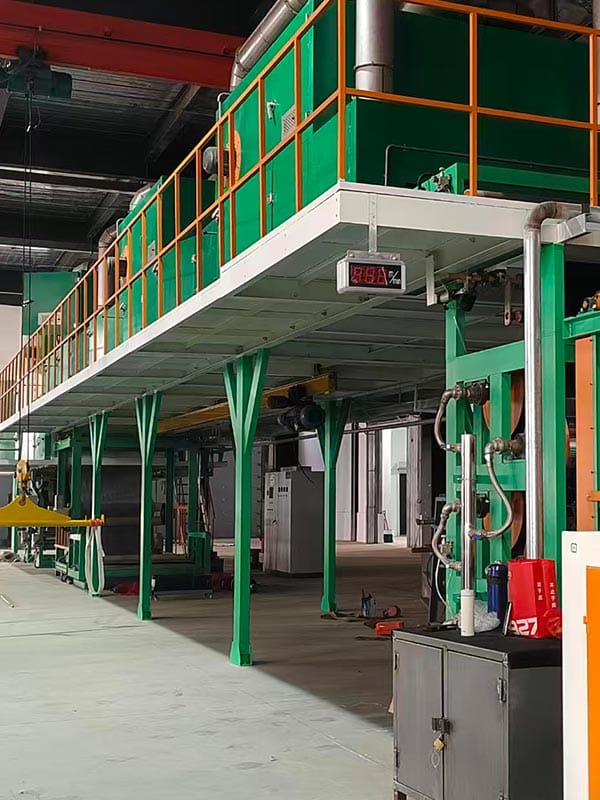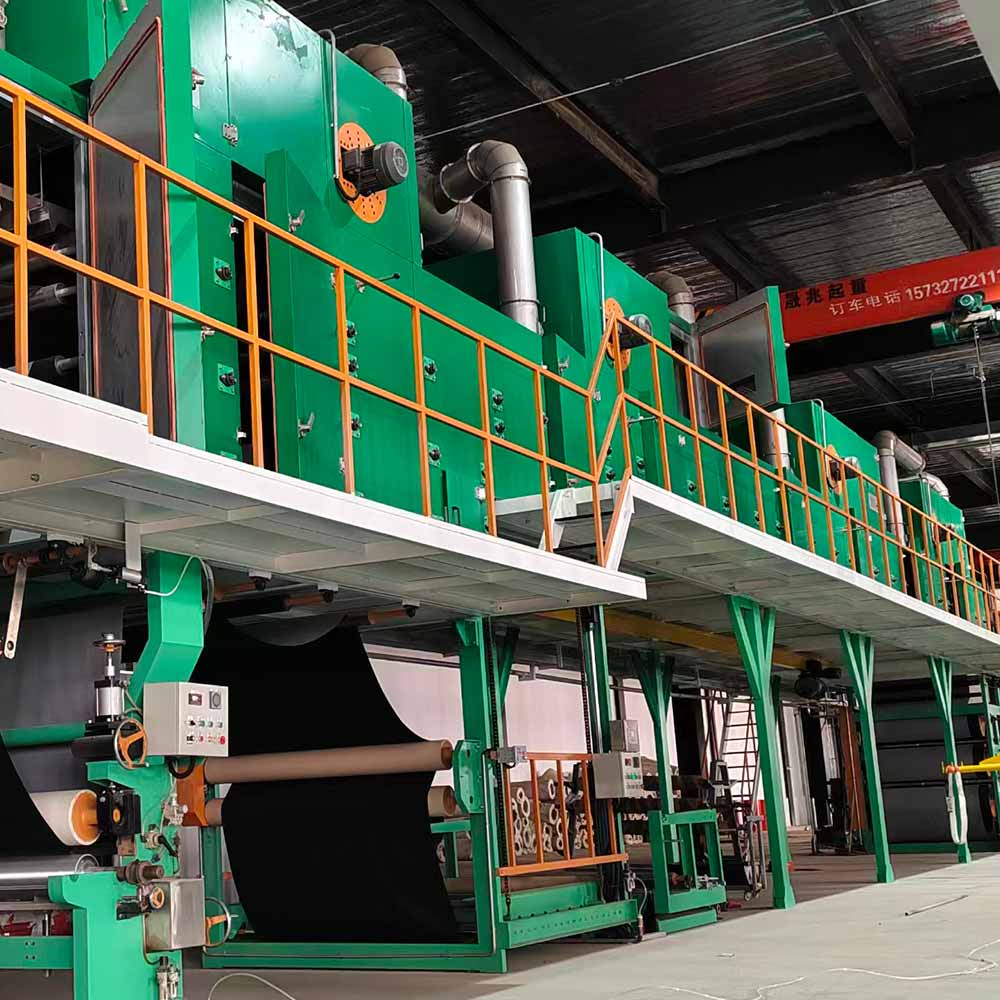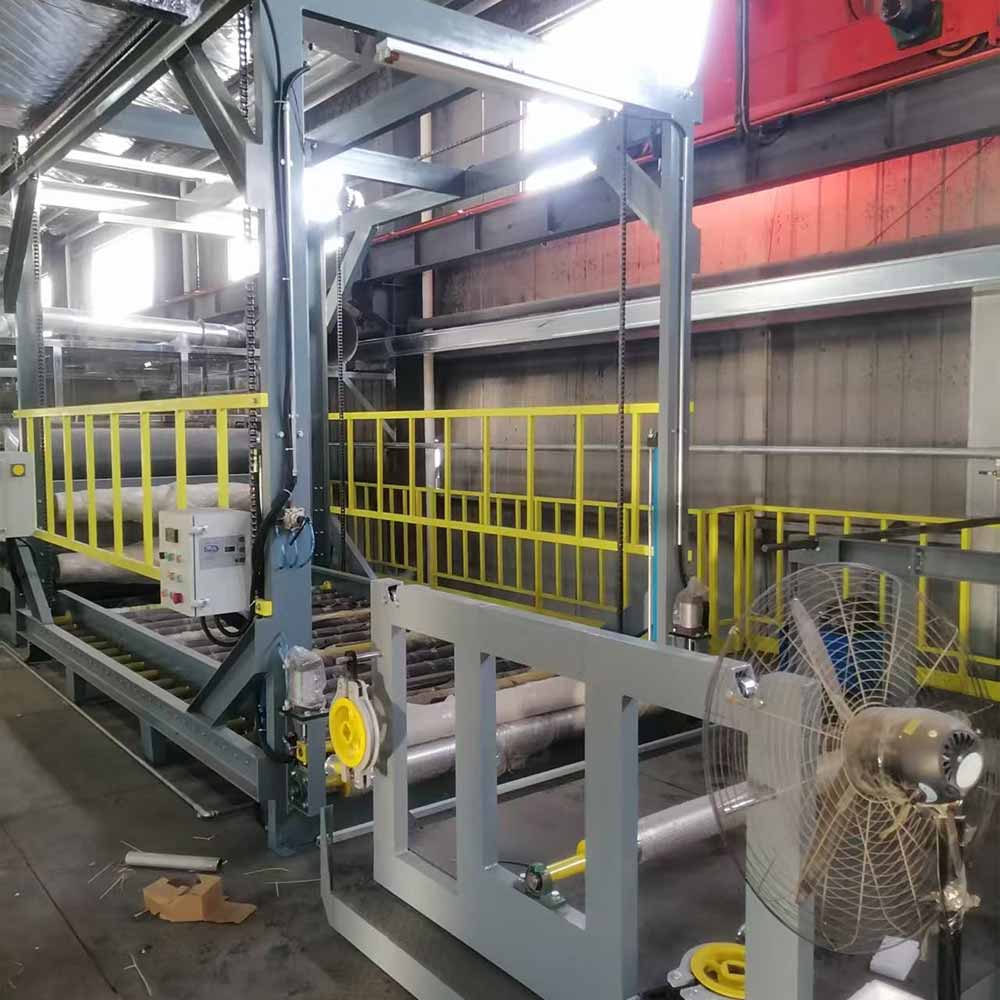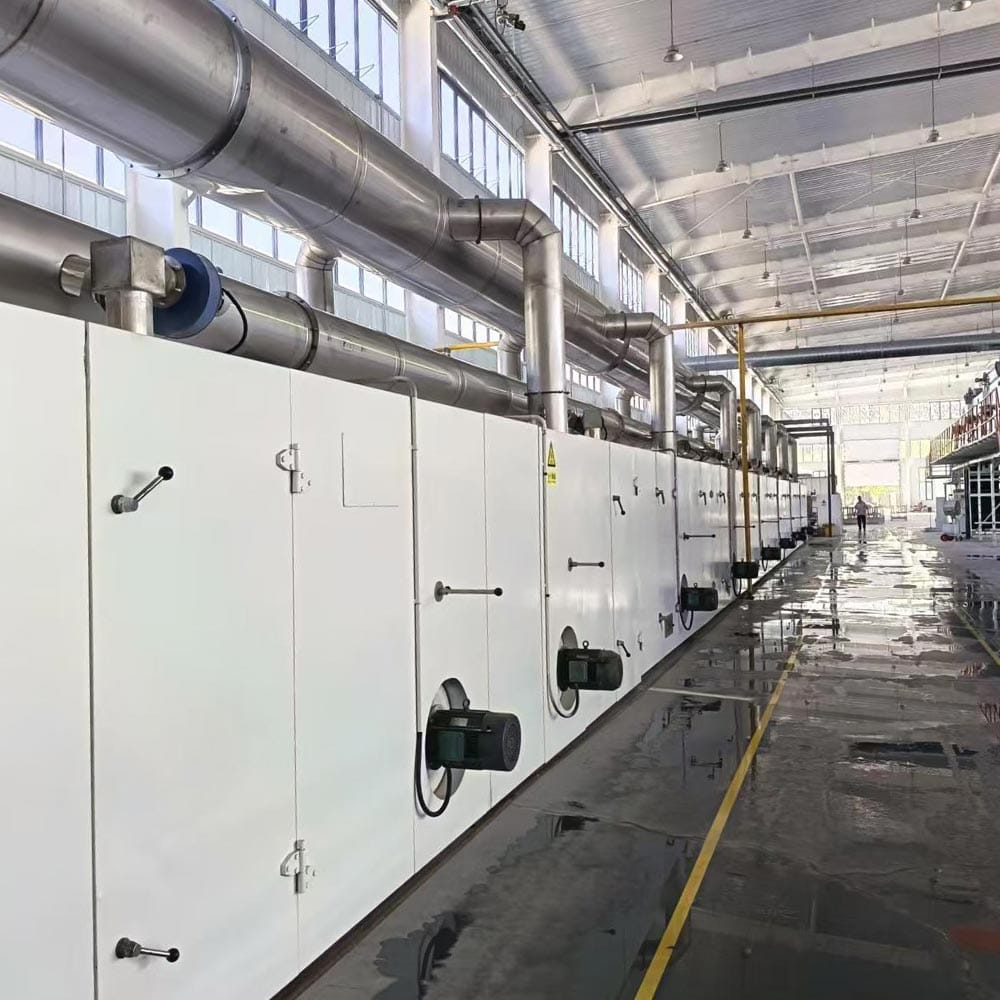
Leather embossing has long been a vital process in the leather manufacturing industry. At the center of this process is the leather embossing press, a machine designed to transfer precise patterns onto leather surfaces, enhancing both aesthetics and texture. Whether you are working with natural leather, PU leather, or other synthetic materials, understanding how a leather embossing press operates and what advantages it brings is key to improving product quality and production efficiency.
Daftar Isi
Apa Itu Leather Embossing Press?
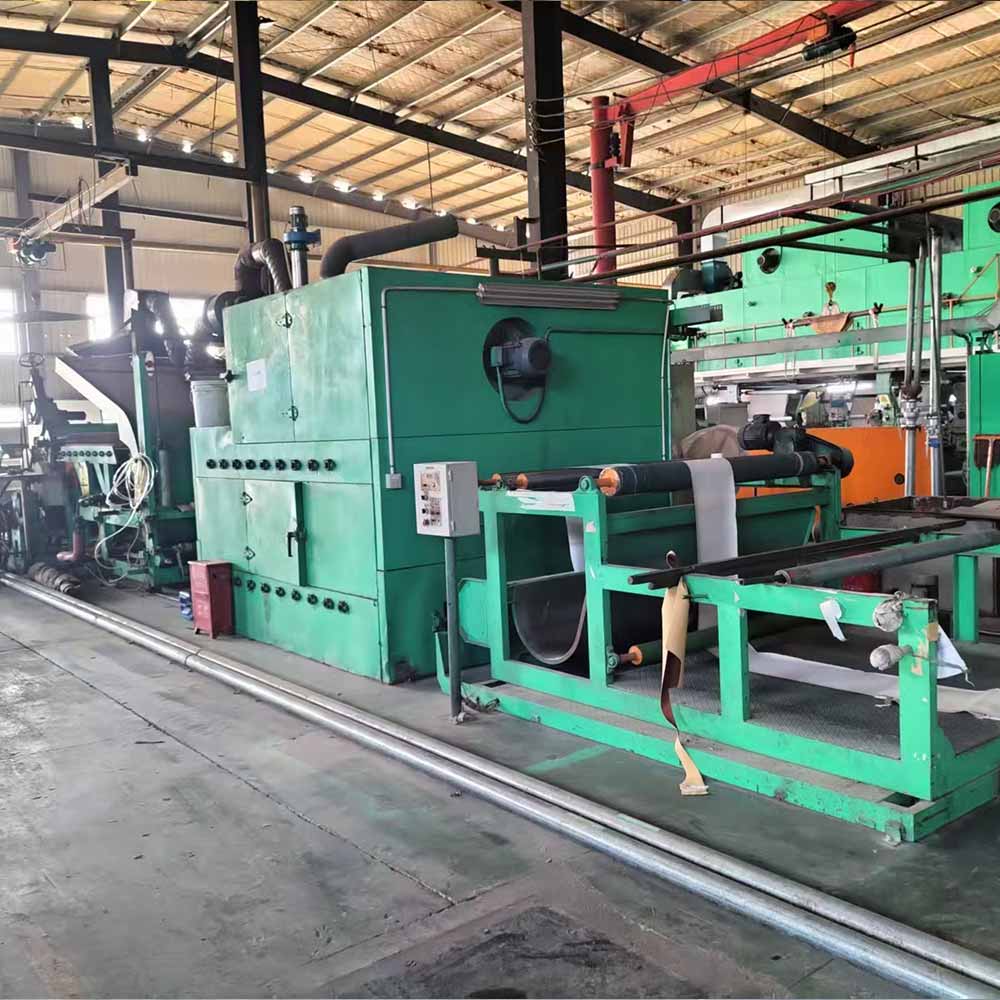
A leather embossing press is a specialized machine used to imprint patterns onto leather surfaces with clarity and durability. Unlike manual stamping, this press can apply consistent pressure and temperature or high-frequency energy to achieve precise and uniform embossing. It is suitable for a wide range of leather materials, including natural hides, PU leather, and other synthetic leathers.
The press can operate with either heat embossing or high-frequency embossing technology, making it versatile for different applications, from shoes and handbags to automotive interiors and furniture.
Importance of Leather Embossing in Modern Manufacturing
Leather embossing serves both functional and aesthetic purposes. For high-end leather products, embossed patterns not only improve visual appeal but also enhance tactile qualities, creating a premium feel that adds value to the product. According to industry data on leather finishing processes, automated embossing presses increase production efficiency by up to 30% compared to manual methods, while ensuring repeatable and defect-free results.
Consistent embossing also ensures that mass-produced items maintain uniformity across batches, which is crucial for brand reputation and consumer satisfaction.
How Does a Leather Embossing Press Work?
Heat Embossing Process
In heat embossing, the leather is placed under a patterned plate or roller, and heat combined with pressure softens the surface. This allows the pattern to imprint accurately and permanently. Temperature, pressure, and dwell time are critical variables that determine the clarity and depth of the embossing.
High-Frequency Embossing Process
High-frequency embossing uses electromagnetic energy to soften the leather locally. This method is particularly useful for thicker or multi-layer materials that require precise energy application for uniform embossing. High-frequency embossing is also faster than traditional heat embossing for industrial-scale production.
Controlling Pressure and Temperature
Precise control over pressure and temperature ensures that the embossing is uniform and prevents surface defects. For example, uneven pressure can result in shallow or incomplete patterns, while excessive heat may damage the leather surface. Automated presses often feature sensors and programmable settings to maintain optimal conditions throughout the production cycle.
Key Functions of a Leather Embossing Press
- Embossing Patterns: Creates consistent and durable surface designs.
- Multiple Techniques: Supports both heat and high-frequency embossing.
- Surface Texture Enhancement: Improves both visual and tactile qualities of leather.
- Stable, High-Efficiency Operation: Ensures reliable results during continuous production.
These features make leather embossing presses a critical investment for manufacturers aiming for consistent product quality.
Advantages of Using a Leather Embossing Press
| Keuntungan | Deskripsi | Dampak terhadap Produksi |
|---|---|---|
| Material Versatility | Works with natural, PU, and synthetic leather | Supports diverse product lines |
| Pattern Clarity | Produces precise and durable embossing | Enhances product aesthetics and quality |
| Configurable Settings | Adjustable pressure, temperature, and embossing technique | Adapts to different leather types and designs |
| Efisiensi Tinggi | Continuous industrial-scale operation | Reduces labor costs and increases throughput |
| Enhanced Product Value | Improves texture and tactile experience | Increases customer satisfaction and premium perception |
This table illustrates why a well-configured leather embossing press is essential for modern leather manufacturing.
Applications of Leather Embossing Press
Leather embossing presses are widely used across multiple industries:
- Footwear: Shoes, sandals, and leather components
- Automotive Interiors: Seat covers, dashboards, and trim
- Furniture and Interior Decoration: Upholstery, decorative panels
- Fashion Accessories: Handbags, belts, wallets
- Decorative and Functional Leather Products: Journals, luggage, and luxury items
In each case, the precision and consistency of the embossing press enhance both appearance and durability.
Customization Options for Leather Embossing Press
Manufacturers can tailor their embossing presses to meet specific production needs:
- Choose between heat embossing or high-frequency embossing
- Customize rollers, plates, and patterns
- Adjust working width, pressure, and speed
- Integrate with existing leather processing and finishing lines
- Provide industrial-scale solutions for high-volume production
These options allow businesses to optimize the press for specific materials, patterns, and throughput requirements.
Maintenance and Best Practices
Maintaining your leather embossing press ensures long-term reliability and consistent product quality:
- Regularly clean embossing rollers, plates, and pressing surfaces
- Check calibration of pressure and temperature controls
- Inspect for wear or misalignment of components
- Avoid material sticking or surface damage by handling properly.
- Follow manufacturer recommendations for replacement parts and preventive maintenance
Well-maintained presses reduce downtime, maintain high quality, and extend the machine’s service life.
Future Trends in Leather Embossing Technology
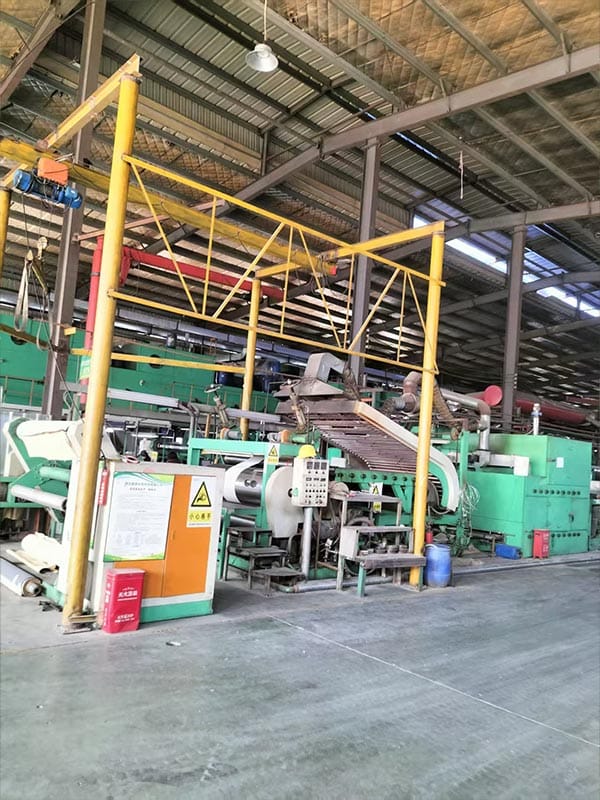
The leather embossing industry is evolving with innovations that improve efficiency and quality:
- Automation and Smart Controls: Sensors and digital interfaces for precise pressure and temperature monitoring
- High-Precision Patterning: Multi-pattern presses and customizable rollers
- Energy-Efficient Heating and High-Frequency Systems: Lower energy consumption without compromising quality
- Digital Integration: Combining embossing presses with design software for fully customized patterns
- Compatibility with New Materials: PU, PVC, and composite leathers for diverse product applications
These trends point toward more flexible, efficient, and environmentally friendly embossing solutions in modern leather manufacturing.
Kesimpulan
A leather embossing press is a cornerstone machine for high-quality leather production. By offering precise pattern transfer, multiple embossing techniques, and configurable settings, it ensures that products are both visually appealing and durable. For manufacturers, investing in a reliable embossing press not only improves operational efficiency but also enhances product value and consistency across batches.
Understanding the process, applications, and maintenance of leather embossing presses allows you to make informed decisions, optimize production, and deliver premium leather products to your customers.
FAQ
Can a leather embossing press be used on both natural and synthetic leather?
Yes, most modern leather embossing presses are designed to work with natural leather, PU leather, and other synthetic materials, providing consistent results across all types.
What is the difference between heat embossing and high-frequency embossing?
Heat embossing uses controlled temperature and pressure to imprint patterns, while high-frequency embossing uses electromagnetic energy to soften and shape the leather, suitable for thicker or multi-layer materials.
How do I maintain a leather embossing press for long-term use?
Regular cleaning of rollers and plates, calibration of pressure and temperature, and checking for wear are essential to ensure consistent embossing quality and extend machine life.
Can custom patterns be used with a leather embossing press?
Yes, embossing presses can be customized with different rollers, plates, and patterns to achieve unique textures and designs, allowing flexibility for various products.
Is a leather embossing press suitable for industrial-scale production?
Absolutely. Modern leather embossing presses are designed for high efficiency, capable of continuous operation to support large-scale manufacturing while maintaining uniform embossing quality.
Need Help Choosing the Right Leather Embossing Press?
If you’re unsure which leather embossing press is best for your production needs or materials, our experts are here to guide you. Hubungi kami today for a personalized consultation, and ensure your leather products achieve consistent, high-quality embossing. Don’t wait to optimize your production—get in touch now to elevate your leather manufacturing!