Table of Contents
If you are exploring opportunities in the synthetic leather industry, one question likely brought you here: what is PVC leather material, and why does it remain one of the most widely used alternatives to genuine leather worldwide?
As someone building or expanding a manufacturing business, you don’t just want a definition. You want to understand:
- What PVC leather is made of
- How it performs in real-world applications
- Where market demand is growing
- How you can manufacture it efficiently
- What kind of production line investment makes sense
- And how to position yourself competitively
This guide is written for you—the manufacturer, investor, or industrial buyer—who wants actionable insights rather than surface-level explanations.
What Is PVC Leather Material?
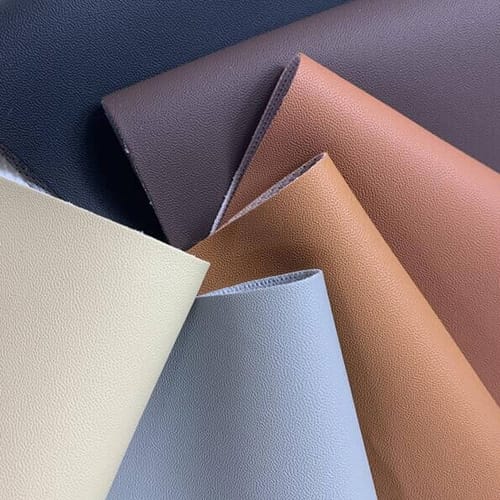
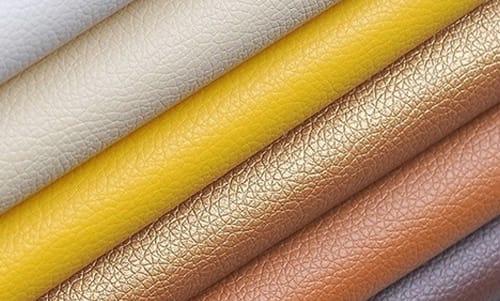
PVC leather material(polyvinyl chloride leather) is a synthetic material made by coating or laminating PVC resin onto a textile backing. It is designed to replicate the appearance and functionality of genuine leather while offering lower cost, better water resistance, and stable industrial production.
Unlike natural leather, PVC leather materia:
- Does not rely on animal hides
- Has uniform thickness and quality
- Can be produced at scale
- Allows precise control of texture and color
- Is waterproof and easy to maintain
If you are entering this industry, you are not simply producing a substitute material — you are producing a high-volume industrial surface solution used in furniture, automotive interiors, marine seating, wall panels, and commercial upholstery.
Why PVC Leather material Still Has Strong Global Demand
Despite increasing competition from PU and silicone materials, PVC leather material continues to perform strongly in several markets.
1. Cost Efficiency at Scale
If your target customers are furniture manufacturers, seat cover factories, or large-scale interior contractors, cost stability matters more than premium softness. PVC leather material allows you to produce:
- Wide rolls
- Consistent surface finish
- Controlled thickness
- High output per production cycle
This makes it ideal for high-volume buyers.
2. Strong Waterproof Performance
In marine, outdoor, and public transportation environments, moisture resistance is critical. PVC leather material naturally provides excellent water resistance without requiring complex coatings.
3. Design Flexibility
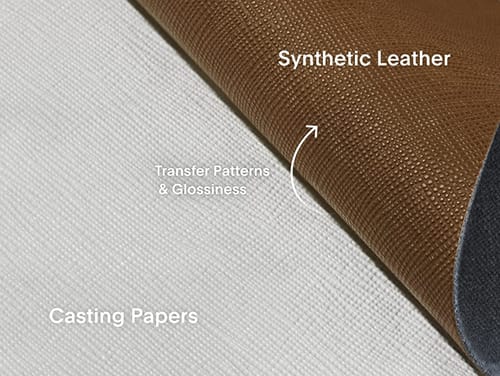
Through embossing rollers and release paper processes, you can create:
- Leather grain
- Matte or glossy finish
- Custom textures
- Printed decorative surfaces
This gives you flexibility when targeting different industries.
What Is PVC Leather Material Made Of?
Understanding raw materials is essential if you plan to operate or invest in a PVC leather production line.
Here is a simplified breakdown:
| Component | Function | Impact on Final Product |
|---|---|---|
| PVC Resin | Base polymer | Determines strength and structure |
| Plasticizers | Improve flexibility | Affects softness and feel |
| Stabilizers | Heat resistance | Prevents degradation during processing |
| Pigments | Color | Visual consistency |
| Foaming Agents | Create micro-structure | Increase thickness & softness |
| Textile Backing | Structural support | Tear resistance & durability |
If you optimize these materials correctly, you can tailor your product toward furniture-grade, automotive-grade, or decorative-grade PVC leather.
How PVC Leather Is Manufactured
If you are planning to build or upgrade a production line, you need clarity about process options.
There are two mainstream manufacturing methods:
1. Calendering Method
This process involves:
- Mixing PVC resin with additives
- Heating and plasticizing the compound
- Passing material through calender rollers
- Laminating onto fabric backing
- Foaming (optional)
- Embossing
- Surface finishing
This method is suitable for:
- High-output production
- Standardized products
- Thicker materials
If your strategy is volume-based production, calendering provides efficiency and scalability.
2. Release Paper Method
This process involves:
- Coating liquid PVC onto textured release paper
- Partial curing
- Laminating fabric
- Peeling off release paper to transfer texture
This method allows:
- Fine texture control
- High surface detail
- Premium appearance
If you want to target decorative or automotive interior markets, release paper production may provide a competitive advantage.
Case Study: A Regional Furniture Supplier Expands Into PVC Leather Production
Let’s look at a practical scenario.
A mid-sized upholstery fabric distributor in Southeast Asia noticed that imported PVC leather prices were unstable. Shipping delays were affecting their furniture clients.
Instead of continuing to import, they invested in a medium-scale PVC leather production line.
Their Strategy:
- Targeted local sofa manufacturers
- Focused on waterproof and scratch-resistant grades
- Chose calendering process for cost control
- Built capacity of 1.5 million meters annually
Results After 24 Months:
- Reduced raw material dependency on imports
- Increased gross margin by 18%
- Secured long-term supply contracts
- Expanded into automotive seat covers
The key lesson for you: PVC leather production becomes profitable when you align equipment selection with clear downstream demand.
Comparing PVC Leather With Other Synthetic Materials
If you are deciding which production line to invest in, comparison matters.
| Feature | PVC Leather | PU Leather | Silicone Leather |
|---|---|---|---|
| Cost | Lower | Medium | Higher |
| Waterproof | Excellent | Moderate | Excellent |
| Breathability | Lower | Better | Moderate |
| Production Complexity | Stable & Mature | More Chemical Steps | Advanced Coating |
| Suitable for Mass Production | Yes | Yes | Emerging |
If your business model prioritizes stable, high-volume output, PVC remains a strategic starting point.
How You Can Evaluate Market Entry
Before investing, ask yourself:
- Who are your target customers?
- What thickness and texture do they require?
- Do you need foaming capability?
- What is your expected annual output?
- What local regulations affect additives?
You should also calculate:
- Raw material sourcing stability
- Energy consumption
- Labor skill requirements
- Waste treatment costs
Production Line Considerations for You
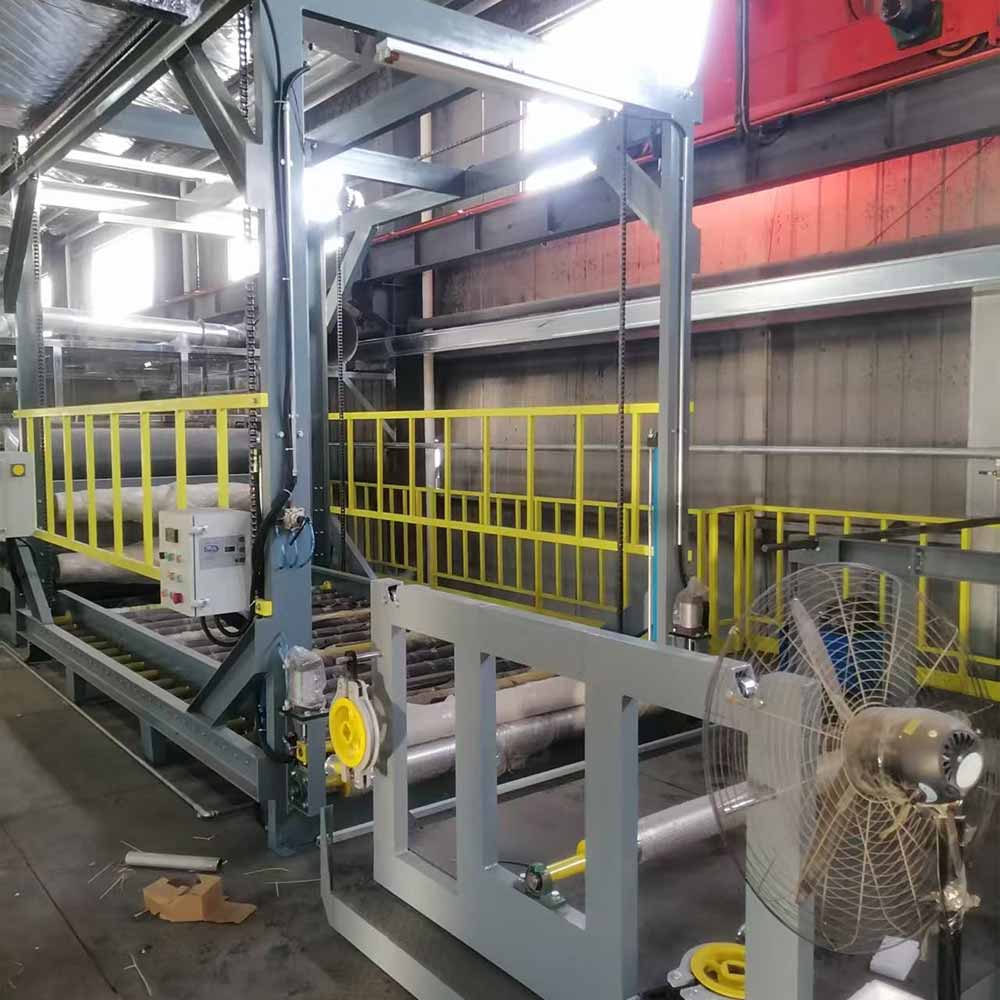
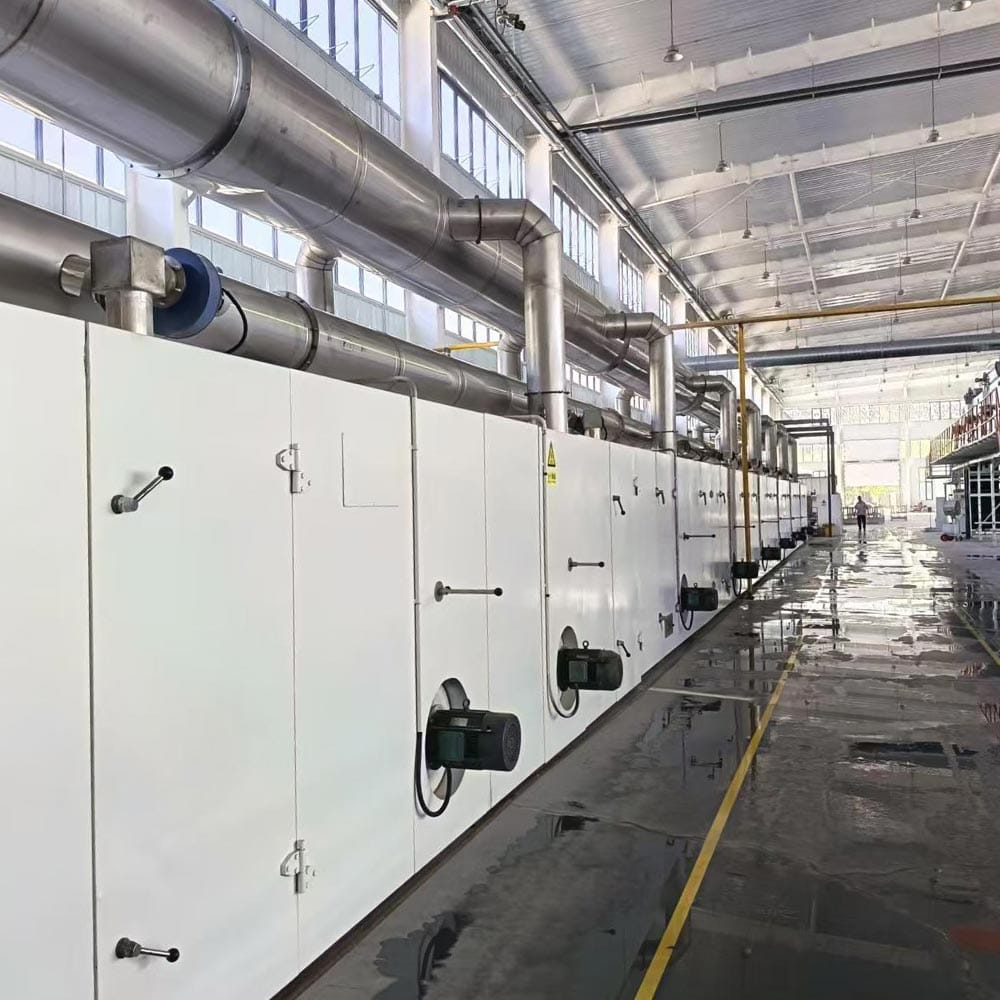
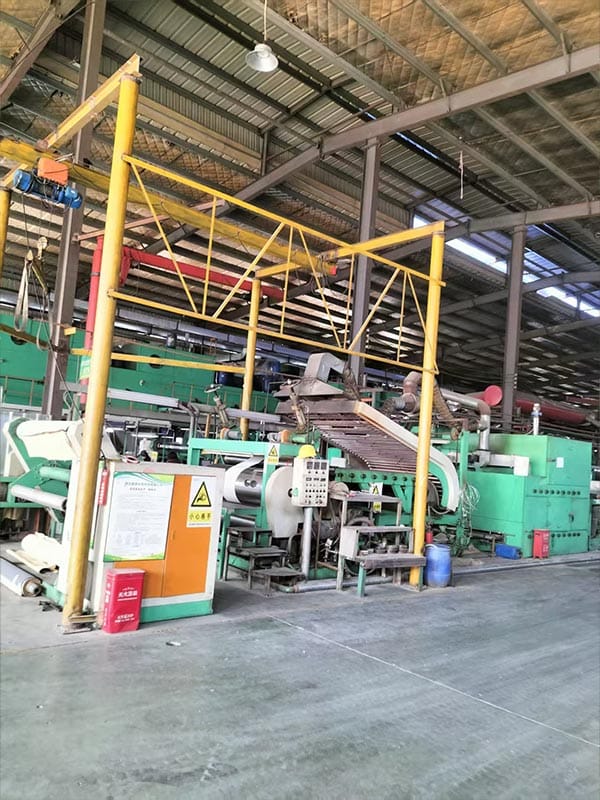
If you are planning to install a PVC leather manufacturing line, key equipment typically includes:
- High-speed mixer
- Calendering machine or coating machine
- Foaming oven
- Embossing unit
- Cooling and winding system
Your production design should focus on:
- Temperature control precision
- Roller surface accuracy
- Automation level
- Thickness consistency
- Energy efficiency
Investing in stable machinery directly affects product quality and long-term maintenance costs.
Where Market Demand Is Growing
If you analyze current industry trends, growth areas include:
- Modular furniture manufacturing
- Affordable housing projects
- Marine upholstery
- Public transportation seating
- Wall covering systems
In developing regions, PVC leather continues to dominate due to cost-performance balance.
Practical Tips to Improve Product Competitiveness
If you want your PVC leather to stand out:
- Improve scratch resistance
- Offer customized embossing patterns
- Optimize color matching accuracy
- Ensure consistent thickness tolerance
- Reduce odor through better formulation
Small technical improvements can differentiate your product significantly in markets.
Risk Factors You Should Be Aware Of
Every investment carries risk. For PVC leather production, consider:
- Plasticizer regulation changes
- Environmental compliance costs
- Volatile raw material pricing
- Energy price fluctuations
You can reduce risk by:
- Diversifying supplier base
- Investing in efficient heating systems
- Offering multiple product grades
Conclusion
Now that you understand what is pvc leather material, you can look at it not just as a product but as a scalable manufacturing opportunity.
If you approach the industry with:
- Clear target market positioning
- Well-planned production capacity
- Efficient equipment layout
- Stable raw material sourcing
You can build a competitive advantage in a market that continues to demand durable, affordable synthetic leather solutions.
PVC leather is not just a substitute for genuine leather—it is a structured industrial product with predictable performance, controlled cost, and strong global application potential.
If your goal is long-term manufacturing growth, understanding both the material and the production process is your first step toward building a sustainable PVC leather business.
FAQ
What is PVC leather material mainly used for?
PVC leather is widely used in furniture upholstery, automotive interiors, marine seating, and decorative wall panels.
Is PVC leather suitable for outdoor use?
Yes, due to its waterproof properties, it performs well in humid and outdoor environments when properly formulated.
How long does PVC leather typically last?
Depending on formulation and thickness, it can last 5–10 years in indoor applications.
Is PVC leather production capital intensive?
Initial investment varies depending on line capacity, automation level, and foaming equipment requirements.
Can small factories start PVC leather manufacturing?
Yes, medium-scale lines are available, and production can be expanded gradually as demand grows.
What thickness range can be produced?
Typically from 0.6mm to over 2.0mm depending on target application.
Does PVC leather require special maintenance?
No. It is easy to clean and resistant to water and common stains.