Table of Contents
In artificial leather manufacturing, surface treatment technology directly influences product positioning, visual performance, and market value. Whether targeting cost-efficient mass production or high-end decorative applications, the choice between two-plate processing machines and three-plate processing machines plays a decisive role.
Understanding the structural and process differences between these two systems helps manufacturers select equipment aligned with their production strategy.
Why Surface Treatment Defines Market Value
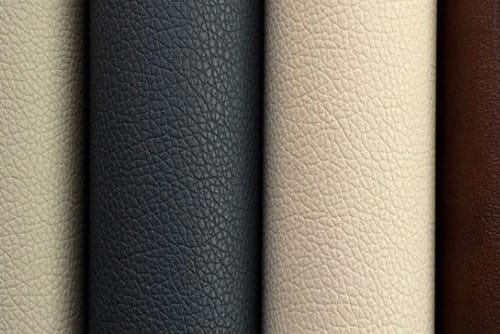
In synthetic and artificial leather production, surface finishing determines:
- Visual depth
- Gloss level
- Color accuracy
- Pattern clarity
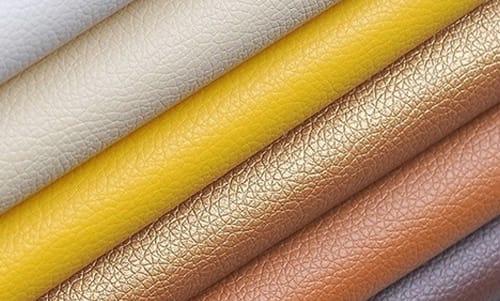
- Texture realism
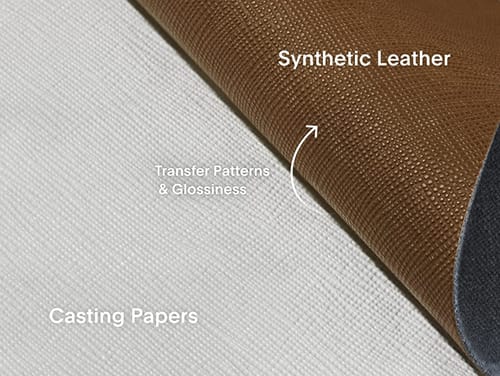
Processes such as printing, color overlay, embossing preparation, and gloss enhancement are executed through multi-layer coating and transfer systems. The configuration of the processing machine—two-plate or three-plate—directly affects how these complex effects can be achieved.
For manufacturers targeting higher-margin markets, surface treatment capability often defines competitiveness.
Structural Difference Between Two-Plate and Three-Plate Processing Machines
The primary difference lies in the number of processing plates (or coating/transfer stations) integrated into the system.
Two-Plate Processing Machines
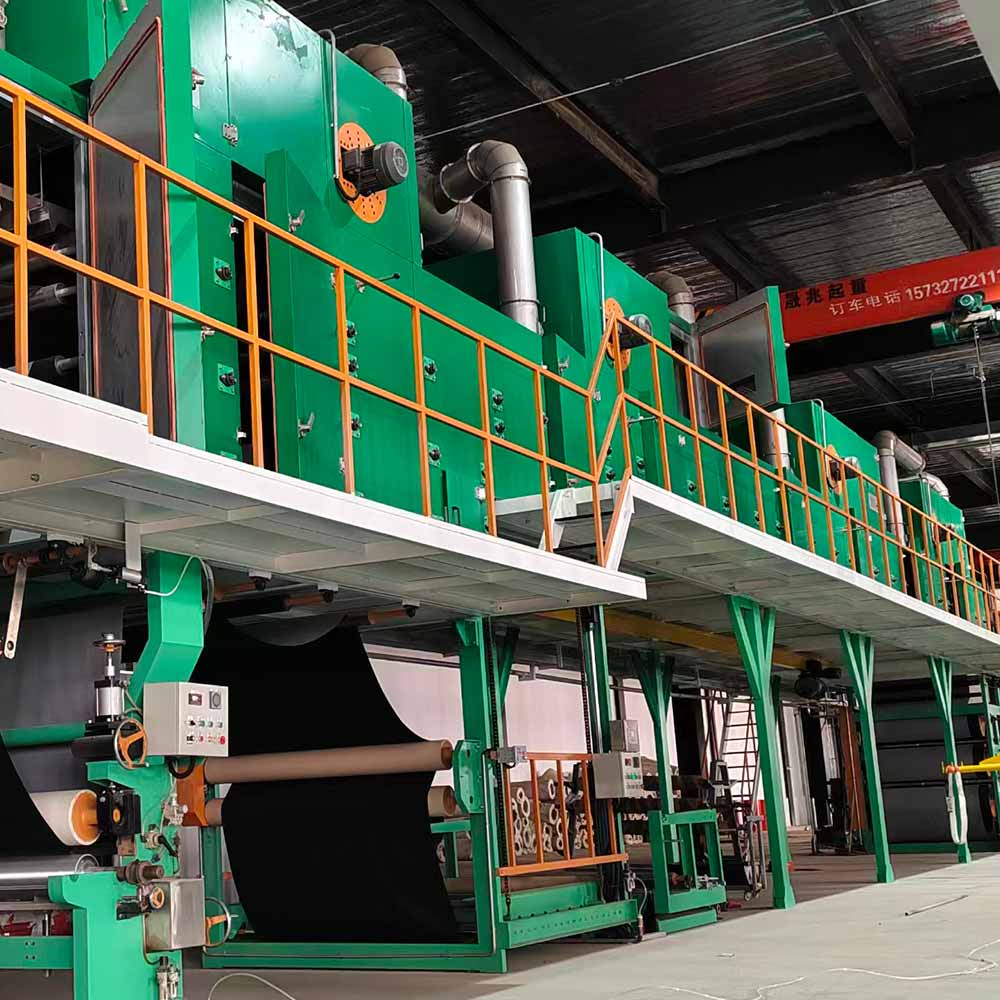
A two-plate processing machine typically includes two functional processing plates for sequential coating or transfer operations.
This configuration provides:
- Stable two-layer processing
- Controlled coating thickness
- Efficient single-pattern transfer
- Lower mechanical complexity
The system is optimized for streamlined production rather than decorative complexity.
Three-Plate Processing Machines
A three-plate processing machine integrates an additional processing station, allowing:
- Multi-layer pattern transfer
- Overlay color effects
- Gradient or depth-enhancing finishes
- Complex decorative structures
The third plate increases process flexibility, enabling manufacturers to create premium visual and tactile effects.
Applications of Two-Plate Processing Machines
Two-plate processing machines are ideal for:
- Standard color artificial leather
- Uniform texture designs
- Basic gloss enhancement
- Cost-sensitive large-scale production
Because of their simpler mechanical structure, they offer:
- High production efficiency
- Easier maintenance
- Reduced energy consumption
- Lower initial investment
For manufacturers producing upholstery leather, shoe materials, or general-purpose PVC/PU leather, two-plate systems provide excellent cost-performance balance.
Advantages of Three-Plate Processing Machines
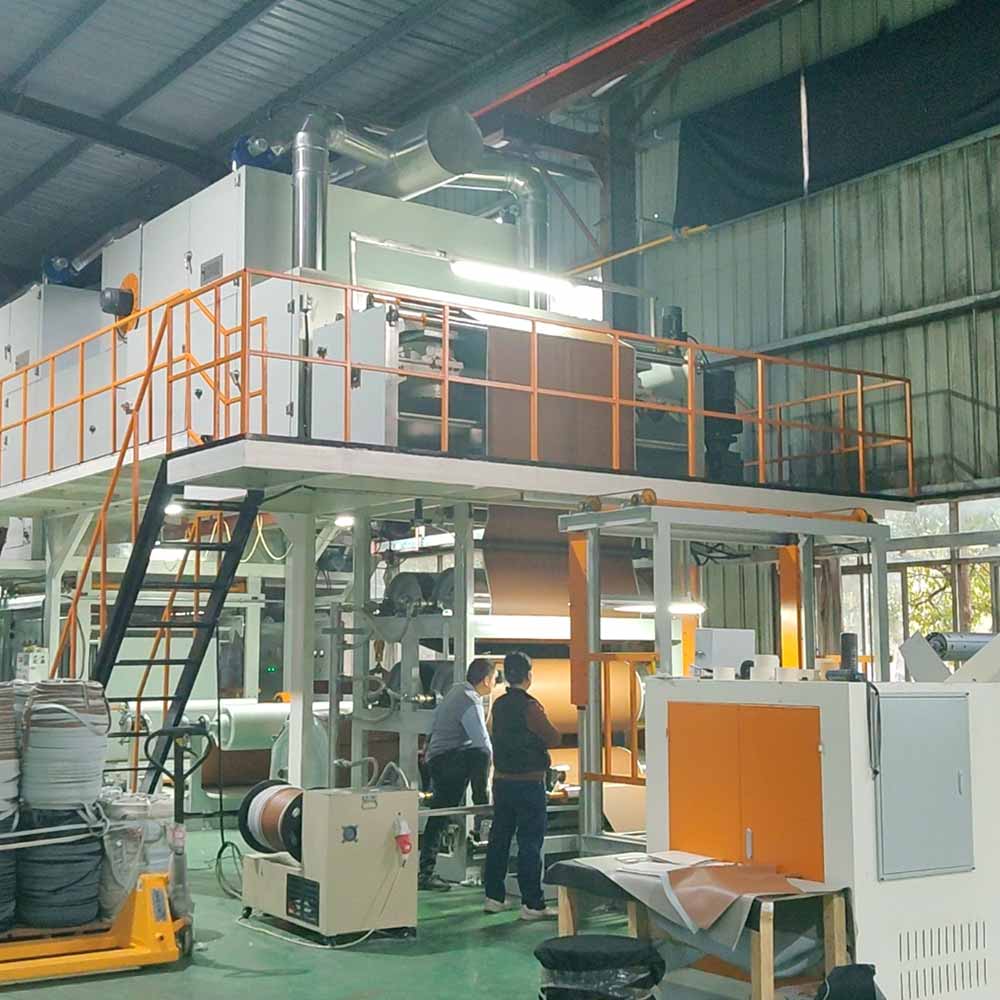
Three-plate processing machines are designed for high-end product development.
They support:
- Complex multi-layer decorative effects
- Metallic or pearlescent overlay
- Deep 3D pattern appearance
- High-definition surface textures
With the additional processing stage, manufacturers gain greater flexibility in:
- Pattern combination
- Color layering
- Gloss variation control
These machines are widely used for:
- Automotive interior synthetic leather
- Luxury furniture upholstery
- Premium fashion materials
- Decorative wall or interior materials
Although investment and system complexity are higher, the value-added potential is significantly greater.
Production Efficiency and Technical Considerations
When choosing between two-plate processing machines and three-plate processing machines, manufacturers should evaluate:
1. Product Positioning
- Mass-market → Two-Plate system
- High-end decorative → Three-Plate system
2. Process Complexity
Three-plate systems require more precise:
- Temperature coordination
- Coating thickness control
- Tension synchronization
- Drive stability
3. Workshop Layout and Power Capacity
Three-plate machines typically require:
- Larger installation space
- Higher energy management capability
- More advanced control systems
Process Compatibility at Jinhang Machinery
As a professional manufacturer of leather processing machinery, Jinhang Machinery designs both two-plate processing machines and three-plate processing machines with high system integration and operational stability.
Our systems support:
- Oil-based coating systems
- Water-based environmentally friendly formulations
- Adjustable process parameters for various synthetic leather types
Key design features include:
- Precise plate alignment
- Stable tension control
- Advanced temperature regulation
- Integrated control systems
This allows manufacturers to adapt to:
- Changing environmental regulations
- Regional compliance standards
- Diverse customer design demands
Long-Term Investment Perspective
While two-plate processing machines offer lower investment risk and faster ROI for standardized production, three-plate processing machines create opportunities in high-margin decorative markets.
The decision should be based on:
- Target customer segment
- Product differentiation strategy
- Long-term market positioning
In competitive artificial leather industries, equipment capability directly influences product innovation capacity.
Conclusion
Both Two-Plate Processing Machines and Three-Plate Processing Machines play critical roles in artificial leather manufacturing.
Two-plate systems provide efficiency and cost control for standardized products.
Three-plate systems enable advanced surface design and premium market access.
Selecting the right processing machine is not only a technical decision—it is a strategic choice that shapes manufacturing competitiveness.
Jinhang Machinery remains committed to delivering stable, high-performance leather processing machinery tailored to different production goals and market demands.
FAQ
What is a two-plate processing machine?
A two-plate processing machine uses two sequential plates for coating or pattern transfer, ideal for standard colors, simple textures, and cost-efficient synthetic leather production.
What is a three-plate processing machine?
A three-plate processing machine includes an additional processing stage, enabling multi-layer patterns, color overlays, and high-end decorative finishes for premium synthetic leather.
How do two-plate and three-plate machines affect product quality?
Two-Plate: Efficient, uniform coating for standard products, but limited decorative complexity.
Three-Plate: Supports complex multi-layer textures, gradient colors, and premium surface finishes.
Can these machines handle different coating systems?
Yes. Jinhang machines are compatible with both oil-based and water-based synthetic leather coatings, allowing adaptation to environmental regulations and customer requirements.
How to choose between two-plate and three-plate machines?
Choose based on your target market:
Cost-sensitive, high-volume production → Two-Plate
High-end, decorative, multi-layer designs → Three-Plate
Consider investment, process complexity, and long-term market positioning.