Table of Contents
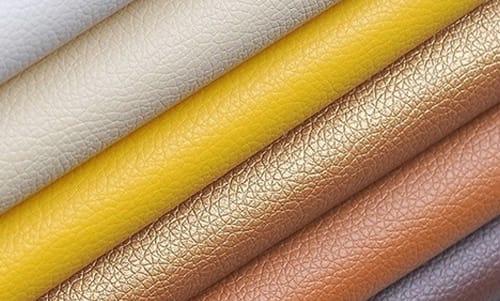
In the rapidly evolving synthetic leather industry, surface quality and tactile experience have become key differentiators for premium products. Traditional embossing methods, long used for PU leather, are increasingly being replaced by vacuum texturing technology, which delivers higher precision, better surface consistency, and superior hand feel.
Limitations of Traditional Embossing Methods
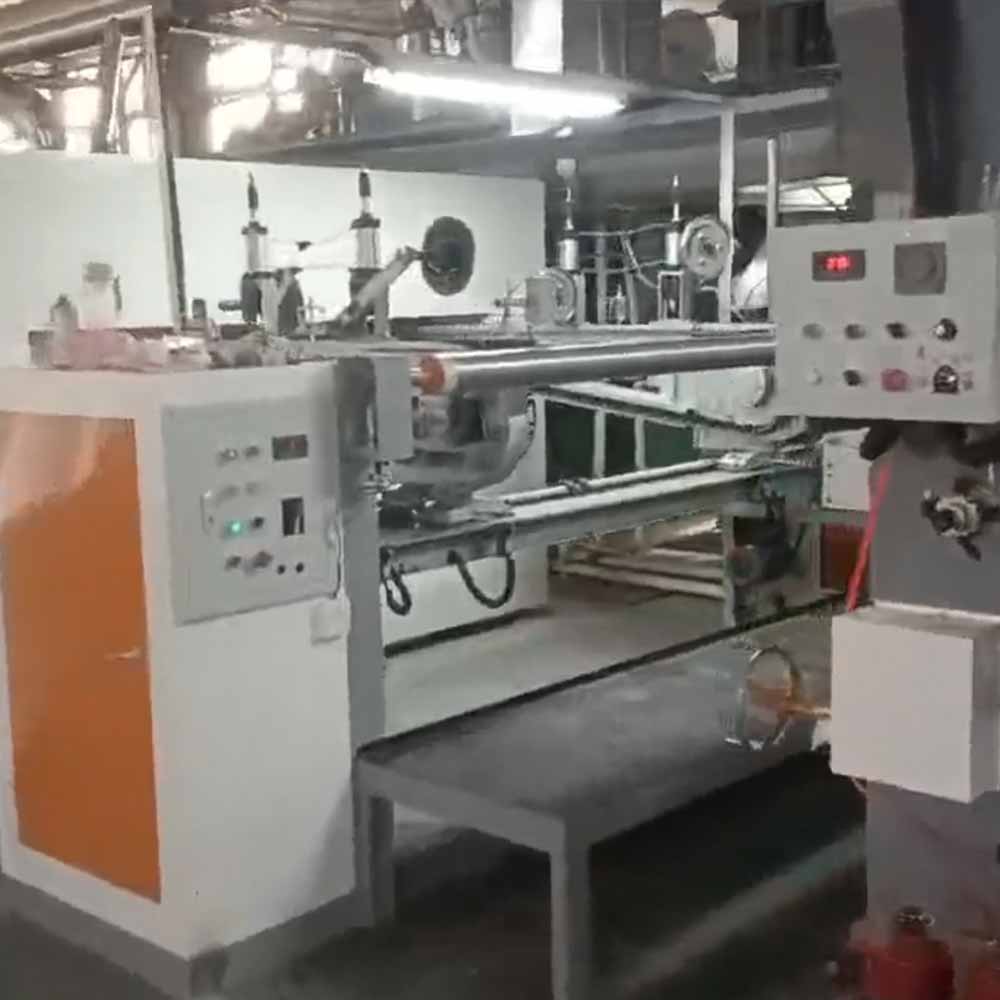
Mechanical embossing relies on direct pressure and heat to imprint patterns onto the leather surface. While it has been a staple of PU leather processing, its limitations become apparent in high-end applications:
- Hardened leather surfaces: Mechanical compression can stiffen the leather, reducing its softness and drape.
- Reduced thickness: High-pressure embossing often compresses the material unevenly, leading to thinner regions.
- Uneven or distorted textures: Small misalignments or pressure inconsistencies can distort intricate patterns, making them less visually appealing.
- Limited flexibility for complex designs: Multi-layer or high-relief patterns are difficult to achieve without compromising material integrity.
These challenges are particularly pronounced in luxury goods, automotive interiors, and decorative synthetic leather markets, where surface perfection and uniformity are critical.
How Vacuum Texturing Technology Works
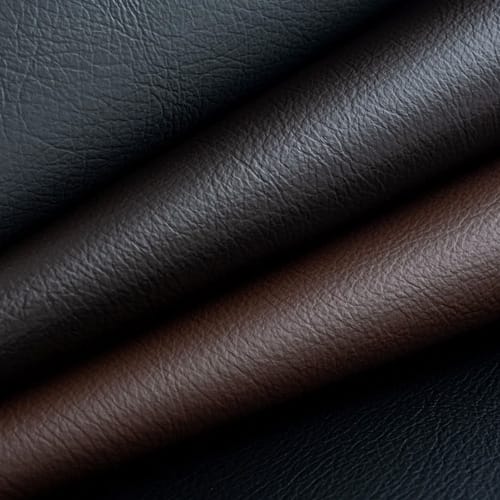
Vacuum texturing uses negative pressure to gently draw the leather surface into a textured mold. Unlike traditional embossing, this process does not rely on high mechanical compression.
Key technical advantages include:
- Preservation of internal structure
By avoiding direct mechanical pressure, the microporous structure and elasticity of PU leather are maintained, resulting in a soft, natural hand feel. - Precision pattern formation
The vacuum evenly pulls the material into the mold, creating consistent textures across the entire surface, including high-relief designs. - Process flexibility
Patterns can be fine-tuned by adjusting vacuum levels, mold design, and material feed speed, allowing customized surface effects. - Compatibility with diverse materials
Vacuum texturing can handle PU leather made from oil-based, water-based, or solvent-free formulations without damaging the coating or base layer.
Ideal Applications for Vacuum Textured Leather
Due to its ability to produce clear, uniform, and soft textures, vacuum texturing is ideal for premium markets:
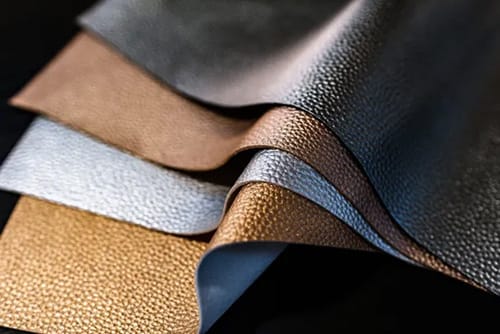
- Luxury bags and fashion accessories: Ensures soft touch and detailed embossing for high-end aesthetics.
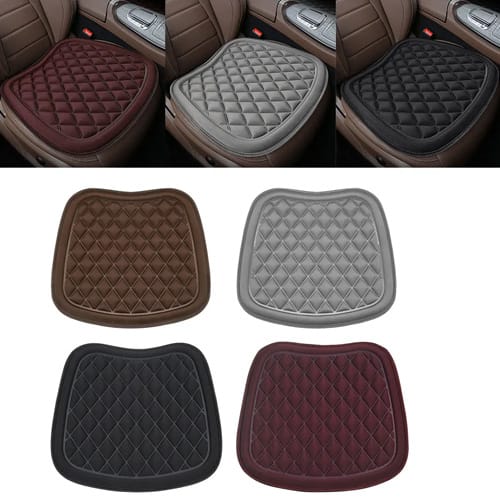
- Automotive interiors: Provides tactile consistency and durability for seating, dashboards, and door panels.
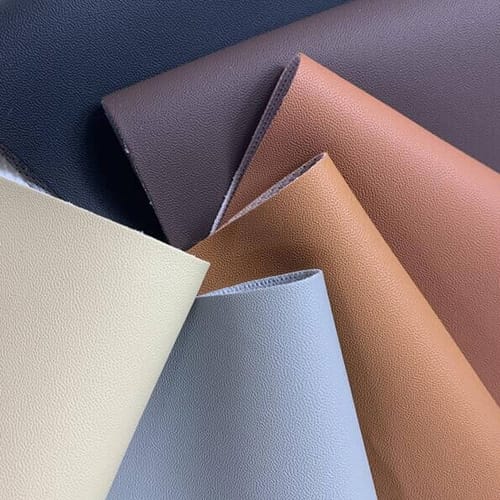
- Decorative synthetic leather: Enables custom textures for furniture, wall panels, or specialty products.
In all these applications, vacuum-textured PU leather outperforms traditional embossed leather in both visual appeal and tactile quality.
Advantages of Jinzhihang Vacuum Fine Textured Production Lines
Jinzhihang Machinery designs vacuum texturing production lines that maximize efficiency and quality. Key features include:
- Clear and uniform pattern formation
- Optimized vacuum distribution ensures consistent texture depth across the width and length of the material.
- Soft hand feel
- Non-compressive patterning preserves elasticity and surface softness, enhancing product value.
- Versatile material compatibility
- Supports oil-based, water-based, and solvent-free PU systems, allowing compliance with environmental regulations and customer requirements.
- Integrated process control
- Automated vacuum, feeding, and heating control systems minimize operational variability and improve throughput.
- High repeatability for batch production
- Ensures consistent product quality over long production runs, reducing waste and rework.
Why Vacuum Texturing Is the Future
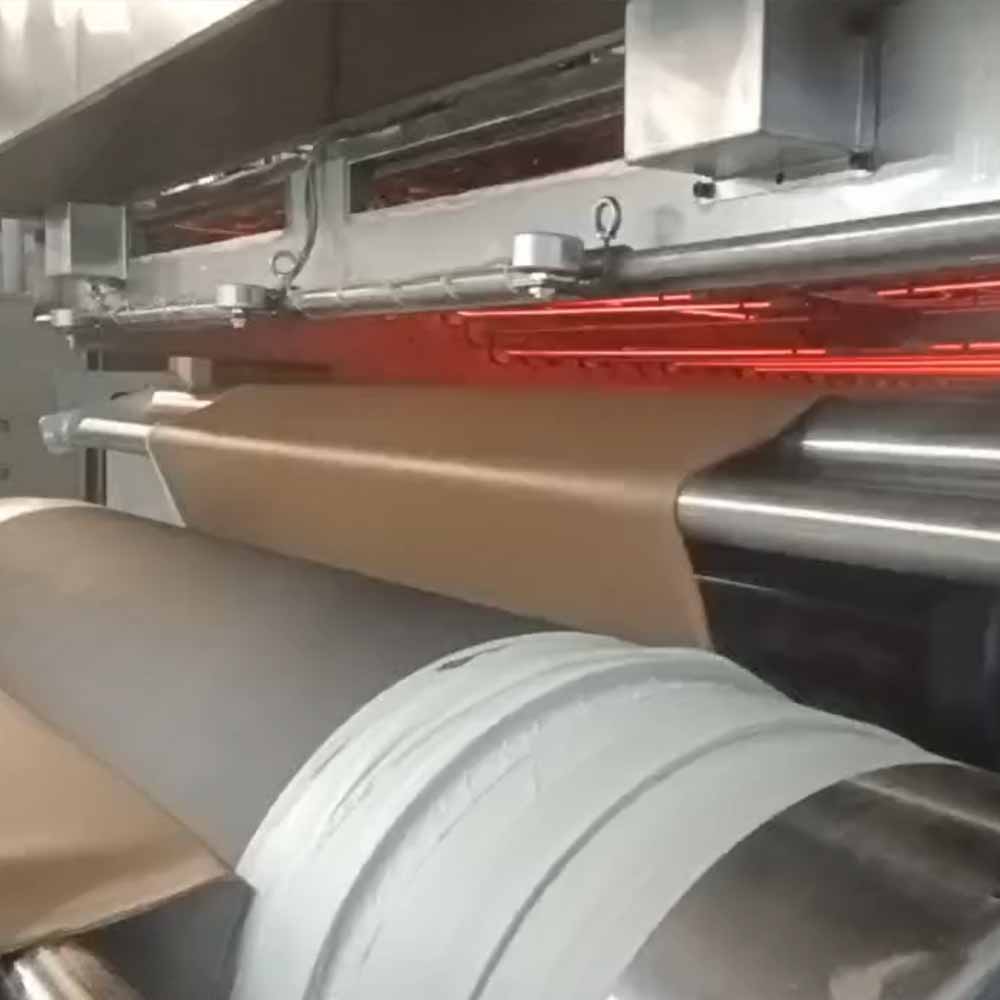
The shift from traditional embossing to vacuum texturing is driven by both market demand and technological benefits:
- Market differentiation: Premium products require tactile quality and fine detail that traditional embossing cannot reliably deliver.
- Operational efficiency: Reduced material stress and uniform pattern formation lead to fewer defects and less downtime.
- Sustainability: Lower energy consumption and compatibility with water-based or solvent-free systems align with environmental standards.
For manufacturers looking to compete in high-end PU leather markets, vacuum texturing offers a clear path to higher product value and customer satisfaction.
Conclusion
Vacuum texturing technology has revolutionized PU leather surface processing by overcoming the limitations of traditional embossing. It preserves softness, maintains material thickness, and enables intricate, consistent patterns.
Jinzhihang Vacuum Fine Textured Production Lines deliver precision, flexibility, and long-term reliability, making them the ideal choice for premium PU leather production.
By investing in vacuum texturing systems, manufacturers can achieve superior product quality, operational efficiency, and market competitiveness.
FAQ
What is vacuum texturing in PU leather production?
Vacuum texturing uses negative pressure to draw PU leather into a textured mold, creating uniform patterns without compressing the material, preserving softness and thickness.
How does vacuum texturing differ from traditional embossing?
Unlike mechanical embossing, which applies heat and pressure, vacuum texturing:
Avoids surface hardening
Maintains consistent thickness
Produces clear, high-relief textures
Reduces material distortion
Which PU leather products benefit most from vacuum texturing?
Ideal applications include:
Luxury bags and fashion accessories
Automotive interior leather
Decorative synthetic leather for furniture or specialty items
Why are vacuum texturing production lines considered more reliable?
Uniform vacuum distribution ensures consistent texture
A non-compressive process preserves material elasticity
Integrated automation reduces defects and increases throughput
High repeatability supports large-scale batch production.