In modern leather manufacturing, product performance is no longer defined only by durability, texture, or appearance. One of the most overlooked but increasingly critical factors is odor control.
Whether you are producing automotive interiors, furniture upholstery, footwear materials, or synthetic leather goods, residual odor can directly impact product acceptance, customer satisfaction, and export compliance.
This is where a leather deodorizing machine becomes a crucial part of your production system.
Unlike traditional finishing equipment, deodorizing systems focus on one specific but highly important goal: eliminating volatile compounds and stabilizing material smell characteristics without damaging structure or surface quality.
Table of Contents
Why Odor Control Has Become a Critical Factor in Leather Manufacturing
In recent years, global manufacturing standards have become stricter regarding volatile organic compounds (VOCs) and material emissions.
According to environmental research discussions from institutions such as the European Chemicals Agency (ECHA) and material safety reports referenced in industrial manufacturing literature, VOC emissions from synthetic materials can affect:
- Indoor air quality
- Product certification requirements
- Consumer safety perception
- Export compliance standards
This means odor is no longer just a sensory issue—it is a compliance and market access issue.
For manufacturers, controlling odor at the production stage is far more efficient than trying to fix it later.
What a Leather Deodorizing Machine Actually Does
A leather deodorizing machine is designed to remove or neutralize unwanted odors produced during:
- PU or PVC coating processes
- Chemical treatment stages
- Drying and curing processes
- Storage and material aging
But in industrial practice, it does more than just “removing smell.”
It stabilizes the chemical balance of the material surface and internal structure.
How Leather Deodorizing Technology Works in Industrial Systems
To understand its real function, you need to view it as a controlled purification stage within the production line.
Step 1: Material Preparation and Entry
Leather or synthetic leather materials enter the deodorizing chamber after coating or finishing processes.
At this stage, residual solvents and volatile compounds are still present inside the material layers.
Step 2: Controlled Thermal or Air Treatment
Inside the machine, a precisely controlled environment is created using:
- Temperature regulation
- Air circulation systems
- Adsorption or catalytic treatment modules
This allows volatile compounds to gradually release without damaging the material.
Step 3: Volatile Compound Extraction
Unstable molecules are separated from the material surface and internal structure.
This is the core functional stage of deodorization.
Step 4: Stabilization Phase
After extraction, the material is stabilized under controlled airflow to ensure:
- No reabsorption of odor molecules
- Structural integrity remains intact
- Surface quality is preserved
Why Leather Odor Problems Occur in the First Place
Understanding the root cause helps you optimize your entire production system.
Common sources include:
- Residual solvents in PU or PVC coatings
- Incomplete drying processes
- Chemical additives used in surface finishing
- Storage in non-ventilated environments
If these are not controlled at the production stage, odor becomes a long-term defect.
Industrial Applications You Should Know
A leather deodorizing machine is widely used in:
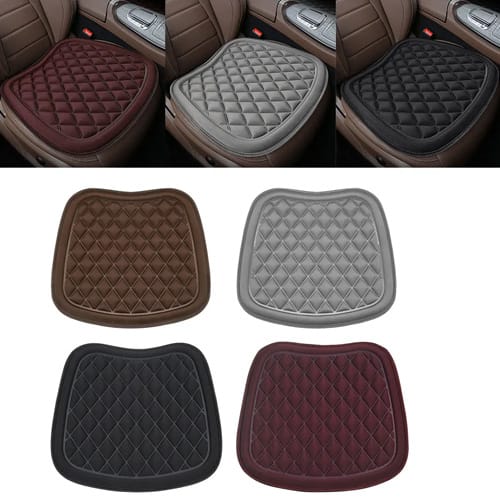
- Automotive interior leather production
- Furniture upholstery manufacturing
- Shoe upper and lining materials
- Synthetic leather finishing lines
- High-end fashion leather goods
These industries require strict odor control due to end-user sensitivity and regulatory expectations.
Real Production Case: Improving Automotive Interior Material Acceptance
A synthetic leather producer supplying materials for interior applications faced repeated rejection issues:
- Strong residual odor detected during quality inspection
- Inconsistent batch-to-batch smell levels
- Delays in downstream certification testing
After integrating a controlled deodorizing stage into their production system, improvements included:
- Significant reduction in odor complaints
- More stable batch consistency
- Improved acceptance rate in quality inspections
The key improvement was not changing materials but controlling volatile emissions early in the process.
Comparison: With vs Without Deodorizing Process
| Feature | Without Deodorizing | With Deodorizing Machine |
|---|---|---|
| Odor Stability | Unstable | Controlled |
| VOC Emissions | Higher | Reduced |
| Product Acceptance Rate | Variable | Stable |
| End-Use Comfort | Lower | Improved |
| Compliance Readiness | Limited | Enhanced |
Integration in Modern Leather Production Lines
A leather deodorizing machine is typically integrated into a full production system rather than used independently.
It often works alongside:
- Coating systems
- Drying and curing lines
- Leather processing machinery Leather Processing Machinery System
- Surface finishing equipment Leather Finishing Production Line
You can also explore related systems here:
- Leather Deodorizing Machine Product Page
- Industrial Leather Equipment Overview
- Synthetic Leather Production Solutions
These systems ensure that odor control is integrated into the full production workflow rather than treated as a post-process correction.
Key Technical Challenges in Leather Deodorizing Machine
Even advanced systems require proper optimization:
Incomplete Odor Removal
Usually caused by insufficient treatment time or low airflow efficiency.
Material Over-Drying
Can lead to changes in flexibility and surface texture.
Uneven Treatment Distribution
Caused by poor airflow design inside the chamber.
Re-Odor Absorption
Occurs when stabilization phase is not properly controlled.
How You Can Optimize Odor Control in Production
To achieve stable results, focus on:
- Balancing temperature and airflow systems
- Extending stabilization phases when needed
- Improving ventilation design
- Matching deodorizing intensity to material type
- Integrating VOC control into early production stages
Small process adjustments can significantly improve final product consistency.
Industry Trend: Moving Toward Low-VOC Leather Manufacturing
The leather industry is shifting toward:
- Low-emission production systems
- VOC-compliant synthetic leather
- Integrated environmental control units
- Smart monitoring of chemical emissions
- Energy-efficient finishing systems
According to industrial environmental discussions from global manufacturing and materials science communities, odor and emission control will become a standard requirement rather than an optional feature.
Practical Insight for Production Planning
If you are designing or upgrading a leather production line, odor control should not be treated as a final step.
Instead, it should be integrated into:
- Material selection strategy
- Coating formulation control
- Drying system optimization
- Post-processing stabilization
Because once odor becomes embedded in materials, it is significantly harder to remove later.
Conclusion
A leather deodorizing machine plays a critical but often underestimated role in modern leather manufacturing.
It ensures that your products not only look and perform well but also meet modern expectations for cleanliness, comfort, and compliance.
In high-end leather production systems, odor control is not an optional improvement—it is a fundamental quality requirement.
FAQ
What is a leather deodorizing machine used for?
It removes or reduces unwanted odors and volatile compounds from leather materials during production.
Why is odor control important in leather production?
Because it affects product acceptance, comfort, and compliance with environmental standards.
Can it be used for synthetic leather?
Yes, it is widely used for PU and PVC synthetic leather materials.
Does a leather deodorizing machine affect leather quality?
When properly controlled, it improves product quality without damaging structure.
Where is it used most?
Automotive interiors, furniture upholstery, footwear, and synthetic leather industries.