Table of Contents
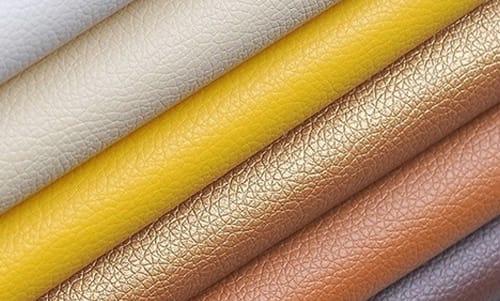
The demand for high-quality synthetic leather products is growing steadily, driven by industries such as fashion, furniture, automotive, and accessories. To meet this demand, factories need to combine precision, efficiency, and consistent quality in their production processes. One of the most critical investments in a synthetic leather manufacturing line is the faux leather printing press. Choosing the right press can determine the quality of your product, the efficiency of your operations, and the return on your investment.
In this guide, we will explore everything you need to know about faux leather printing presses, from types and working principles to cost analysis, troubleshooting, and industry trends. Whether you are setting up a new factory or upgrading an existing line, this guide will help you make informed decisions.
Introduction
A faux leather printing press is essential for adding patterns, textures, or designs to synthetic leather materials like PU and PVC. According to market research from industrial polymer analysts, synthetic leather production has grown annually by around 6% over the past five years, largely due to demand for durable, lightweight, and customizable alternatives to natural leather.
For factories, this means that the ability to produce high-quality, patterned synthetic leather is no longer optional; it is a competitive requirement. Investing in a reliable printing press ensures that your products meet both aesthetic and functional standards.
Understanding What a Faux Leather Printing Press Is
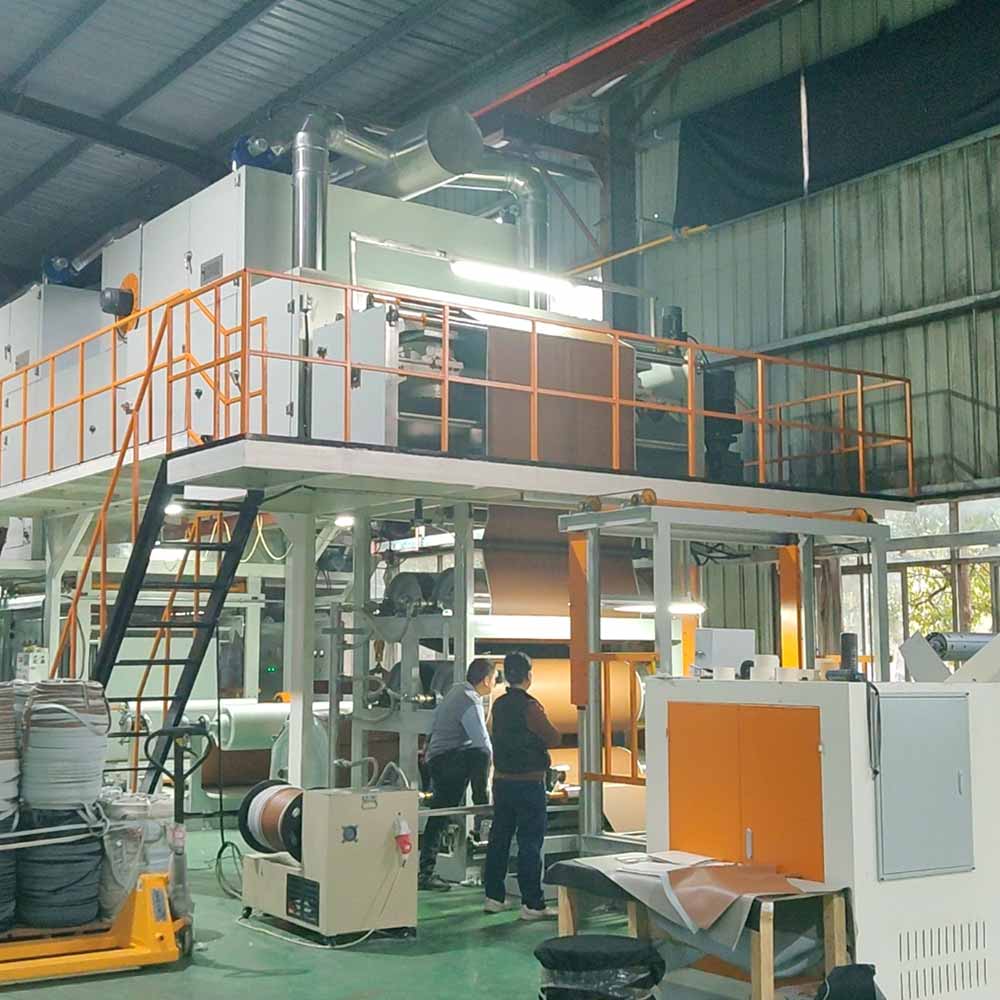
A faux leather printing press is a machine that applies pressure, heat, or a combination of both to transfer patterns, textures, or coatings onto synthetic leather surfaces. Unlike manual embossing, these presses provide uniform results across large production volumes, allowing factories to maintain consistency and reduce waste.
Faux leather printing presses differ mainly in technology: heat transfer presses, roller embossing presses, and digital presses are the most common types. The main advantages include:
- Consistent pattern reproduction
- Increased production efficiency
- Ability to work with various synthetic leather types
- Reduced material waste
Understanding these features helps you select the press that aligns with your production goals.
Types of Faux Leather Printing Presses
Heat Transfer Press
Heat transfer presses use thermal transfer films or foils to imprint designs on faux leather. They are suitable for high-quality, detailed patterns but usually require careful temperature and pressure control to avoid surface damage.
Roller Embossing Press
Roller embossing presses use engraved rollers to create textures or patterns. This type is ideal for continuous production lines and large-scale manufacturing.
Digital Printing Press
Digital presses apply patterns or images directly onto the leather using inkjet or other digital technologies. They allow high customization and quick design changes but may require additional coating or sealing to enhance durability.
Multi-Pattern Automatic Press
These presses can switch between multiple patterns and designs automatically, offering flexibility and efficiency for factories producing various styles of faux leather.
How a Faux Leather Printing Press Works
The operation of a faux leather printing press involves several critical steps:
- Surface Preparation – Ensuring the leather is clean, flat, and pre-treated if necessary.
- Pattern Transfer – Applying the design using heat, pressure, or both.
- Temperature and Pressure Control—Maintaining precise settings to achieve uniform results.
- Drying or Curing—Depending on the method, the printed pattern may require heat setting or curing to fix the design.
Precise control at each stage ensures consistent quality and minimizes defects such as uneven patterns, wrinkles, or incomplete transfers.
Key Factors to Consider When Choosing a Press
Selecting the right faux leather printing press involves assessing several technical and commercial factors:
- Production Volume and Capacity – High-volume factories benefit from continuous roller presses, while smaller facilities may prefer batch or semi-automatic presses.
- Material Compatibility – Verify the press can handle PU, PVC, and other synthetic leathers you plan to use.
- Automation Level – Fully automatic presses reduce labor costs and improve consistency.
- Maintenance and Durability – Consider the availability of spare parts and ease of maintenance.
- Energy Efficiency – Presses with optimized heating systems reduce operating costs.
Equipment Configuration and Optional Features
Modern presses may include additional features to improve performance and flexibility:
- Embossing Rollers and Plates – Different textures or patterns can be applied using interchangeable rollers.
- Heating Systems and Controllers – Uniform heating ensures consistent pattern transfer.
- Multi-Pattern or Custom Pattern Capabilities – Useful for factories producing multiple styles.
- Safety Features and Sensors – Prevent accidents and protect operators.
Cost Analysis and Return on Investment
Investing in a faux leather printing press involves both upfront and operational costs. The table below summarizes typical ranges for various press types:
| Press Type | Production Speed | Approximate Cost | Suitable Factory Size |
|---|---|---|---|
| Heat Transfer Press | 10–20 units/hour | $15,000–$40,000 | Small to Medium |
| Roller Embossing Press | 50–200 meters/hour | $50,000–$120,000 | Medium to Large |
| Digital Printing Press | 5–15 meters/hour | $25,000–$80,000 | Small to Medium |
| Multi-Pattern Automatic | 50–150 meters/hour | $70,000–$150,000 | Medium to Large |
Operational costs include energy, labor, and maintenance, while ROI depends on production efficiency and product quality. Factories that optimize press settings and implement regular maintenance see faster returns and reduced waste.
Common Problems and Troubleshooting
Even with high-quality presses, operators may encounter:
- Uneven Pattern Transfer – Adjust pressure and ensure uniform surface preparation.
- Surface Wrinkles or Creases – Check tension control and material feed.
- Overheating or Underheating—Calibrate the heating system regularly.
- Incomplete Transfers – Verify proper alignment and speed.
Implementing preventive maintenance schedules and operator training can reduce downtime and improve output quality.
Integration with Your Production Line
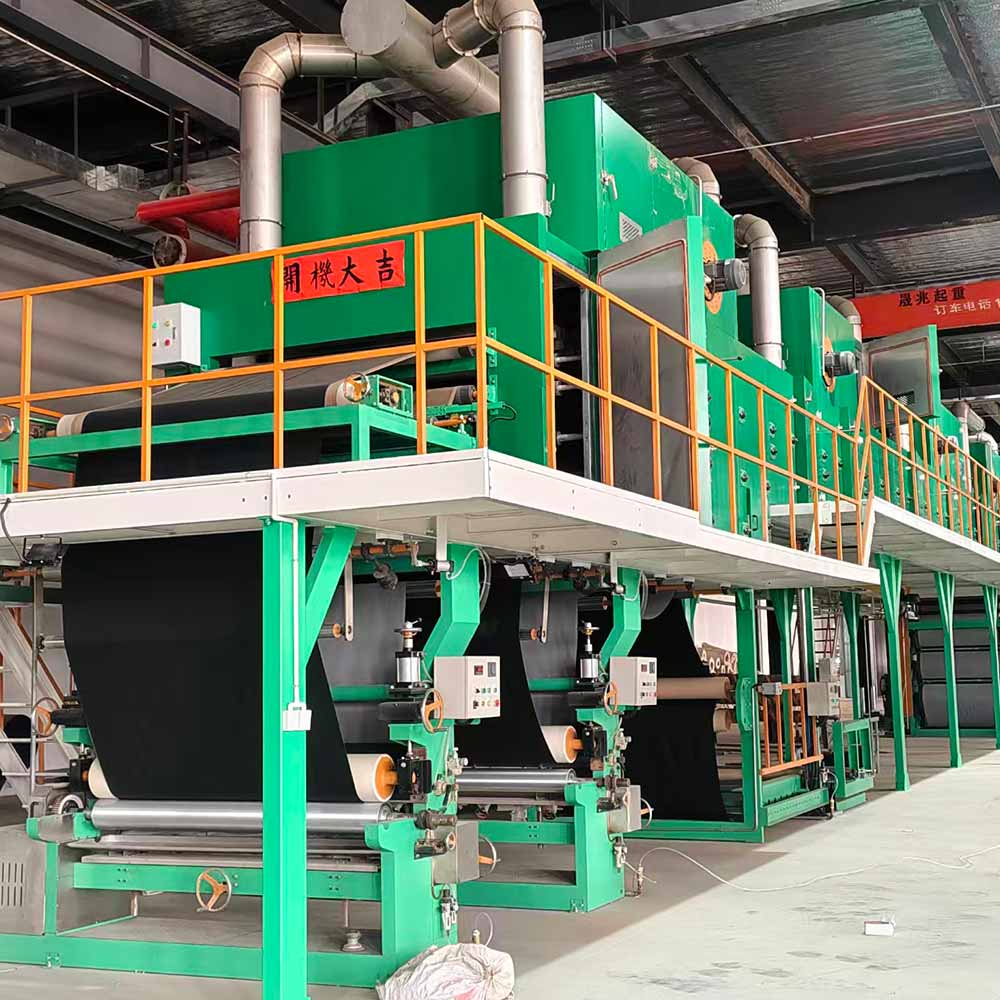
A faux leather printing press must integrate seamlessly into your overall manufacturing workflow. Consider:
- Placement after coating or finishing units
- Synchronization with feeding and drying systems
- Compatibility with different pattern and embossing requirements
- Flexibility for future expansion or additional product lines
Proper integration ensures smooth operations and maximizes production efficiency.
Industry Trends and Innovations
The synthetic leather industry is evolving, and presses are becoming more advanced:
- Digital Pattern Printing – Allows rapid design changes and high customization.
- Multi-Functional Presses – Combine embossing and printing in one machine.
- Energy-Efficient Technologies – Reduce electricity costs and environmental impact.
- Smart Monitoring Systems – Provide real-time data to optimize production and prevent errors.
These trends enable factories to produce high-quality faux leather efficiently and sustainably.
Conclusion
Choosing the right faux leather printing press is a strategic decision that affects production efficiency, product quality, and long-term profitability. By understanding press types, workflow integration, cost factors, and maintenance requirements, you can select a press that aligns with your factory’s goals. Proper investment, combined with training and automation, positions your production line for consistent high-quality output and competitive advantage in the growing synthetic leather market.
FAQ
What is a faux leather printing press?
A machine designed to emboss, print, or transfer patterns onto synthetic leather surfaces.
How does it work?
It uses heat, pressure, or both to transfer patterns, ensuring consistency across production batches.
What types are available?
Heat transfer, roller embossing, digital, and multi-pattern automatic presses.
Can it handle both PU and PVC leather?
Yes, most presses are compatible with multiple types of synthetic leather.
Need Help Choosing the Right Faux Leather Printing Press?
If you’re unsure which printing press is best for your factory or production needs, our experts are here to help. Contact us today for a personalized consultation, and ensure your synthetic leather production line delivers consistent quality, efficiency, and profitability. Don’t wait—get in touch now to optimize your operations and stay ahead in the market!