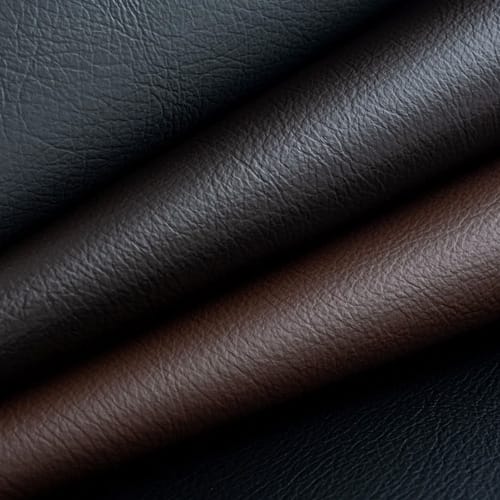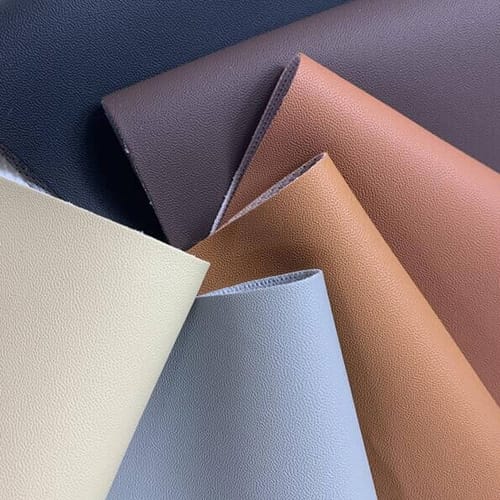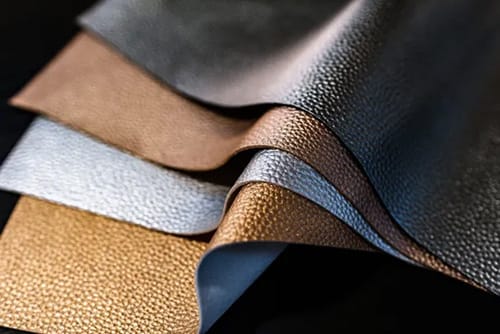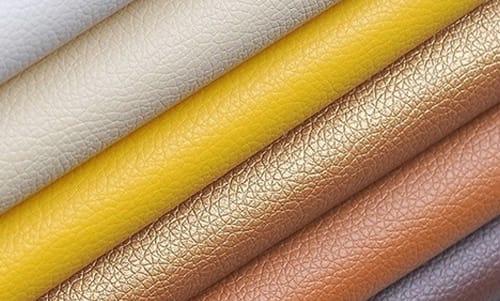
Leather manufacturing has evolved significantly with the introduction of industrial leather machines. These machines are designed to streamline production, ensure consistent quality, and handle large volumes of leather materials efficiently. Whether you operate a small workshop or a large-scale factory, understanding how leather machines work, their types, features, and applications is critical for optimizing your leather production processes.
Table of Contents
What Is an Industrial Leather Machine?

An industrial leather machine is specialized equipment used to process leather materials on a large scale. Unlike manual or semi-automatic machines, industrial leather machines apply consistent pressure, temperature, or energy to perform tasks such as embossing, cutting, and surface finishing. They are suitable for natural leather, PU leather, and other synthetic materials, making them versatile across various leather products.
These machines are built to meet the demands of modern production, offering high precision, efficiency, and repeatable results. By integrating automation and advanced control systems, industrial leather machines reduce labor dependency while improving the overall quality of leather products.
Why Factories and Workshops Need Industrial Leather Machines
Factories and workshops rely on industrial leather machines for several key reasons:
- Enhanced Production Efficiency: Machines can operate continuously, reducing production time and minimizing bottlenecks. According to industry reports, automated leather machines can increase output by up to 40% compared to manual methods.
- Consistent Product Quality: Industrial machines maintain uniformity across batches, ensuring every product meets design specifications.
- Multi-Process Capability: Modern machines can perform embossing, coating, cutting, and finishing on a single production line.
- Cost Optimization: Higher throughput and lower labor requirements result in a better return on investment.
- Scalability: Suitable for both small workshops and large factories, these machines can adapt to production scale changes efficiently.
Types of Industrial Leather Machines
Manual vs Hydraulic vs Automatic
- Manual Machines: Low cost, ideal for small-scale operations or sample production.
- Hydraulic Machines: Provide higher pressure, suitable for thick leather or complex embossing.
- Automatic Machines: High precision, continuous operation, ideal for mass production.
Function-Based Classification
- Cutting Machines: Precision cutting for shoe components, bags, or upholstery.
- Embossing Machines: Imprint patterns or textures onto leather surfaces.
- Finishing and Coating Machines: Apply surface treatments, protective layers, or dyes.
- Multi-Functional Machines: Combine embossing, cutting, and finishing in one production line.
Key Features and Benefits
Industrial leather machines offer features that directly improve productivity and product quality:
- High Precision: Reduces material waste and ensures accuracy in patterns.
- Material Compatibility: Processes natural leather, PU, and other synthetic types.
- Multi-Process Functionality: Supports embossing, coating, and cutting.
- Industrial Scalability: Designed for continuous, high-volume production.
- Energy Efficiency: Advanced machines minimize energy consumption while maintaining output.
Choosing the Right Industrial Leather Machine
Selecting the right machine depends on several factors:
- Production Needs and Volume: Consider batch sizes and production speed requirements.
- Material Compatibility: Ensure the machine can handle the types of leather you use.
- Functionality Requirements: Determine if you need embossing, cutting, coating, or multi-functional operations.
- Automation Level: Balance operational efficiency with staff skill levels.
- Support and Spare Parts Availability: Reliable service ensures minimal downtime.
Applications of Industrial Leather Machines
Industrial leather machines are versatile and widely applied across different sectors:
- Footwear Production: Shoes, sandals, and leather components.
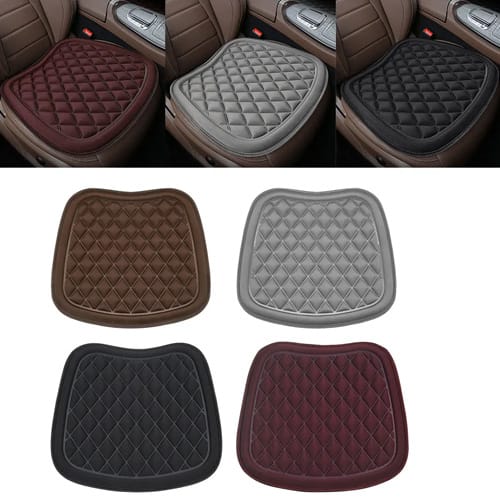
- Automotive Interiors: Seat covers, dashboards, and trims.
- Furniture and Upholstery: Sofas, chairs, and decorative panels.
- Fashion Accessories: Bags, belts, wallets, and other leather goods.
- Synthetic Leather Manufacturing: PU and PVC leather products.
Comparing Industrial Leather Machines
Here’s a quick comparison table to help you evaluate different types of machines based on production requirements:
| Machine Type | Suitable Materials | Key Feature | Best Use Case |
|---|---|---|---|
| Manual | Natural leather, PU | Low cost, simple operation | Small workshops, sample production |
| Hydraulic | Thick leather, synthetic | High-pressure precision | Heavy-duty embossing or cutting |
| Automatic | All leather types | Continuous, high-speed | Large factories, high-volume output |
| Multi-Functional | Natural & synthetic | Embossing + cutting + coating | Integrated production lines |
Maintenance and Best Practices
Maintaining industrial leather machines ensures long-term performance and product consistency:
- Clean rollers, plates, and cutting tools regularly.
- Calibrate pressure, temperature, or power settings to maintain precision.
- Inspect components for wear and replace as needed.
- Prevent material sticking or surface defects through proper handling.
- Keep maintenance logs to optimize operational efficiency.
Advantages of Using High-Quality Leather Machines
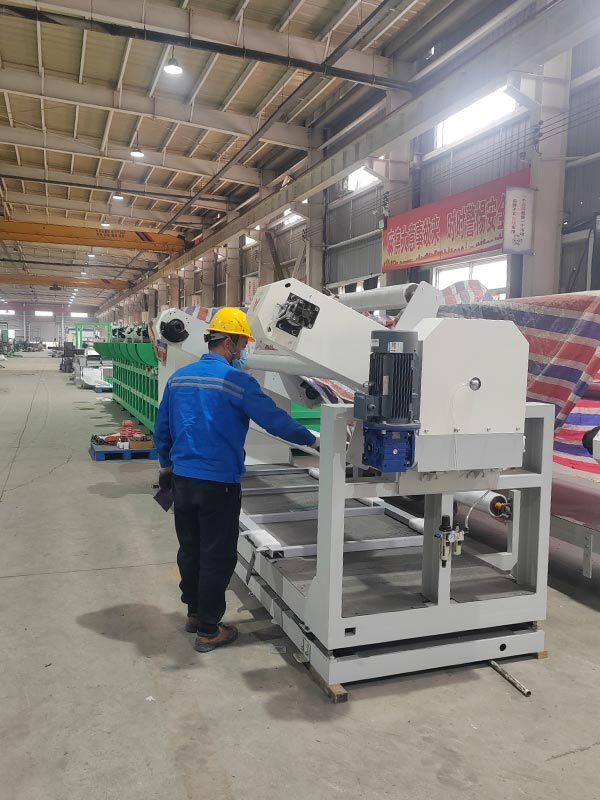
- Boost production efficiency and throughput.
- Ensure uniform quality and appearance across all products.
- Reduce labor costs and operational errors.
- Support large-scale production and customization.
- Enhance brand reputation through premium leather products.
Future Trends in Industrial Leather Machinery
- Automation and Smart Controls: Sensors and digital systems for precise operations.
- High-Precision Patterning: Custom embossing and multi-pattern rollers.
- Energy-Efficient Systems: Reduce energy consumption while maintaining output.
- Digital Integration: Link production with design software for fully customizable patterns.
- Material Compatibility Expansion: Support new synthetic and composite leather materials.
Conclusion
Investing in the right leather machine is a strategic decision for any leather manufacturer. From small workshops to large factories, these machines provide efficiency, consistency, and flexibility that manual methods cannot match. By understanding the types, features, applications, and maintenance of leather machines, you can optimize your production line, reduce costs, and deliver high-quality leather products that meet market demands.
Industrial leather machines are more than just tools—they are the backbone of modern leather manufacturing, combining precision, efficiency, and scalability for the competitive market.
FAQ
What is an industrial leather machine used for?
An industrial leather machine is designed for large-scale leather processing, including cutting, embossing, coating, and finishing, suitable for factories and workshops.
Can leather machines work with both natural and synthetic leather?
Yes, modern leather machines are compatible with natural leather, PU leather, PVC leather, and other synthetic materials.
What are the main types of leather machines?
The main types include manual, hydraulic, automatic, and multi-functional machines, each suited for different production scales and processes.
How do I maintain a leather machine for long-term use?
Regular cleaning, calibrating pressure and temperature, checking parts for wear, and proper lubrication are key to maintaining consistent performance.
Is a leather machine suitable for high-volume production?
Absolutely. Leather machines are built for continuous operation, making them ideal for factories and workshops handling large-scale leather manufacturing.
Need Help Choosing the Right Industrial Leather Machine?
If you’re unsure which industrial leather machine is best for your factory or workshop, our experts are here to guide you. Contact us today for a personalized consultation, and ensure your leather production is efficient, high-quality, and reliable. Don’t wait to optimize your operations—get in touch now to elevate your leather manufacturing!