In modern synthetic leather manufacturing, efficiency is no longer the only benchmark. Today, manufacturers are evaluated based on consistency, environmental compliance, surface quality, and long-term production stability.
Among all production methods, the PU leather dry production line remains one of the most widely used systems for producing high-strength, multi-layer synthetic leather materials.
If you are involved in footwear, automotive interiors, furniture upholstery, or decorative materials, understanding how a dry process system works can significantly improve your production strategy and decision-making.
Table of Contents
Why PU Dry Process Technology Is Still Widely Used in Modern Manufacturing
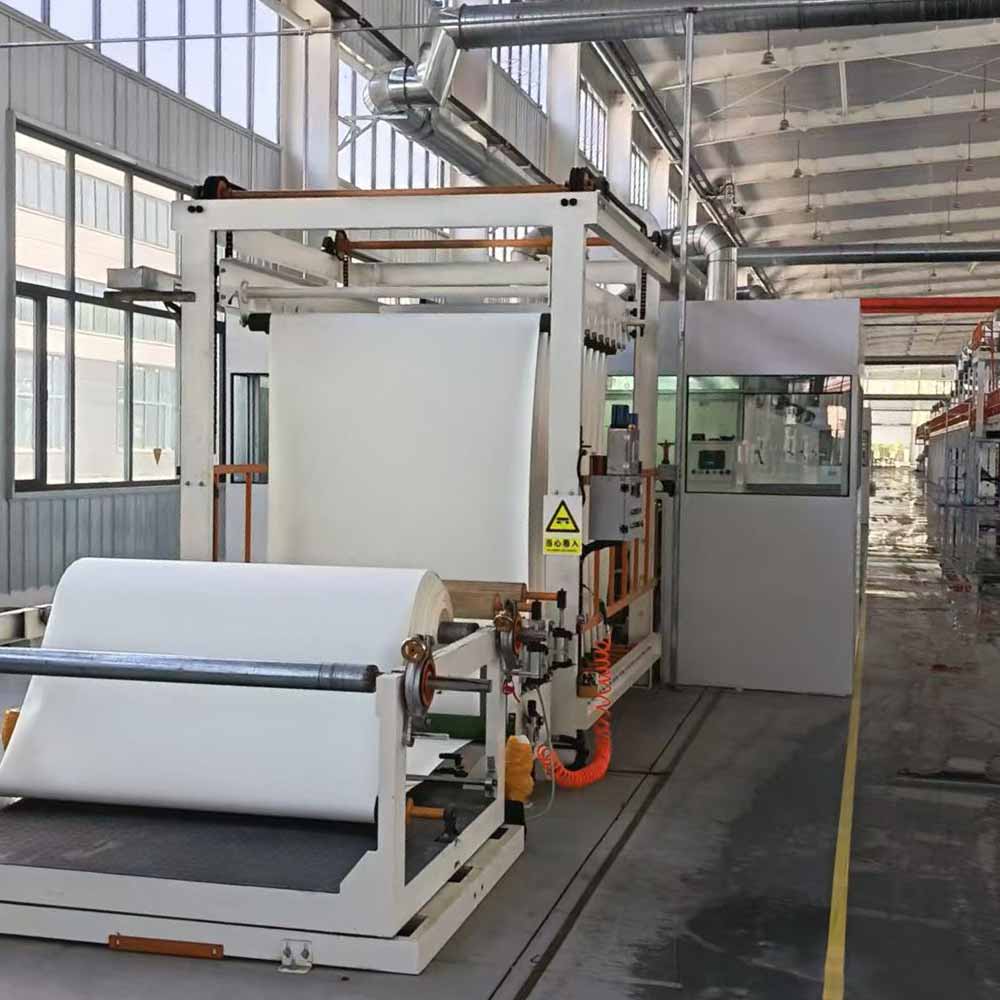
Despite the rise of newer eco-focused technologies, the dry process remains highly relevant because of its versatility and structural control capabilities.
According to polymer processing discussions published on ScienceDirect and materials engineering references in industrial journals, dry process PU systems are widely valued for:
- Strong mechanical bonding between layers
- High production stability in continuous operation
- Flexibility in material design and thickness control
- Compatibility with multiple PU formulations
This makes it especially suitable for industries requiring durable and structured synthetic leather.
What a PU Leather Dry Production Line Actually Does
A PU leather dry production line is a multi-stage industrial system that transforms liquid PU formulations into structured leather-like materials through controlled coating, drying, and lamination processes.
Unlike wet processes that rely on coagulation, dry systems focus on solvent evaporation and film formation.
In simple terms, it builds leather layer by layer using controlled thermal and mechanical processing.
How PU Dry Process Production Works Step by Step
To understand its industrial value, let’s break down the full workflow.
Step 1: Substrate Preparation
A base fabric (such as woven or nonwoven textile) is prepared to receive PU coating.
Key factors include:
- Surface tension stability
- Fabric density consistency
- Moisture control
Step 2: PU Coating Application
A solvent-based PU formulation is evenly applied onto the substrate.
This step determines:
- Final thickness consistency
- Surface smoothness
- Adhesion strength
Step 3: Drying and Solvent Evaporation
The coated material passes through multi-zone drying ovens.
During this stage:
- Solvents evaporate gradually
- PU film begins to solidify
- Layer bonding starts forming
Temperature control is critical—too fast causes surface defects, too slow reduces efficiency.
Step 4: Secondary Coating or Layer Formation
In many systems, multiple coating layers are applied to achieve:
- Improved durability
- Enhanced elasticity
- Better surface texture control
Step 5: Finishing and Surface Treatment
Final steps may include:
- Embossing
- Surface coating
- Texture correction
- Gloss adjustment
Industrial Applications of PU Dry Production Lines
PU dry process systems are widely used across industries where durability and surface structure matter.
Common applications include:
- Automotive interior materials
- Shoe upper and lining materials
- Furniture upholstery
- Fashion synthetic leather
- Decorative wall and interior materials
Each application requires different coating thickness, flexibility, and surface finishing characteristics.
Real Industry Case: Improving Surface Stability in Upholstery Production
A synthetic leather manufacturer focused on furniture materials faced recurring production issues:
- Uneven coating thickness
- Surface cracking after drying
- Inconsistent batch quality
After optimizing their dry process line configuration and improving drying zone balance, the results included:
- More stable coating distribution
- Reduced surface defects
- Improved batch-to-batch consistency
The key improvement was not material change—but process synchronization.
Comparison: PU Dry Process vs Other Leather Production Methods
| Feature | Dry Process | Wet Process | Solvent-Free Process |
|---|---|---|---|
| Structural Strength | High | Medium | Medium–High |
| Surface Control | Very High | High | High |
| Environmental Impact | Medium | Medium | Low |
| Production Flexibility | High | Medium | Medium |
| Material Compatibility | Wide | Limited | Expanding |
This comparison shows why dry process systems remain essential in high-performance synthetic leather manufacturing.
System Integration in Modern PU Leather Dry Production Lines
A PU leather dry production line is not a standalone machine—it is a fully integrated system.
It often works alongside:
- Coating units
- Multi-zone drying ovens
- Leather processing machinery Leather Processing Machinery System
- Embossing and finishing systems Leather Finishing Production Line
You can also explore related systems here:
- PU Leather Dry Production Line Product Page
- Synthetic Leather Production Solutions
- Industrial Leather Equipment Overview
These systems must be precisely synchronized to ensure stable production quality.
Key Technical Challenges in PU Dry Production
Even advanced systems can face production challenges:
Uneven Coating Thickness
Caused by unstable roller pressure or viscosity variation.
Surface Cracking
Often due to improper drying temperature ramp-up.
Solvent Retention
Occurs when evaporation is incomplete.
Layer Delamination
Linked to poor interlayer bonding control.
How You Can Optimize PU Dry Production Efficiency
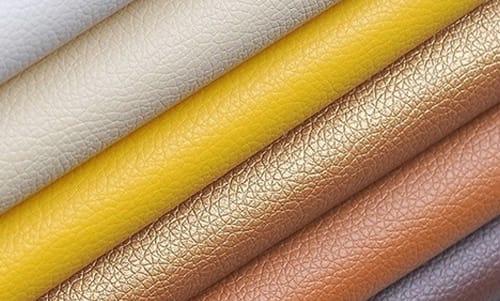
To improve output quality and stability, focus on:
- Optimizing drying zone temperature gradients
- Maintaining consistent PU viscosity
- Ensuring stable substrate tension control
- Improving coating roller precision
- Monitoring solvent evaporation rates
Small process improvements can significantly increase production stability and reduce defect rates.
Industry Trend: Moving Toward Smarter Dry Process Systems
Modern PU manufacturing is evolving toward:
- Automated coating control systems
- Real-time viscosity monitoring
- AI-based defect detection
- Energy-efficient drying technologies
- Integrated production data systems
According to industrial manufacturing insights shared in textile engineering communities and polymer processing studies, process control is becoming more important than raw material innovation.
Practical Insight for Production Planning
If you are designing or upgrading a PU leather dry production line, focus on:
- Process stability over machine speed
- Drying uniformity over maximum output
- Layer consistency over production volume
Because in synthetic leather manufacturing, consistency determines market competitiveness.
Conclusion
A PU leather dry production line is a core industrial system that defines product structure, durability, and surface quality.
By controlling coating, drying, and finishing processes with precision, manufacturers can achieve stable, high-quality synthetic leather suitable for multiple high-value applications.
For modern production environments, mastering the dry process is not optional—it is essential.
FAQ
What is a PU leather dry production line used for?
It is used to produce synthetic leather through coating, drying, and film formation processes.
What industries use PU leather dry production line?
It is widely used in automotive, furniture, footwear, and fashion industries.
What is the main advantage of dry process?
It offers strong structural control and high production flexibility.
Is dry process better than wet process?
Each has advantages, but dry process is more flexible and widely used for structured materials.
Can it support multiple coating layers?
Yes, multi-layer coating is a key feature of dry process systems.