Table of Contents
Introduction
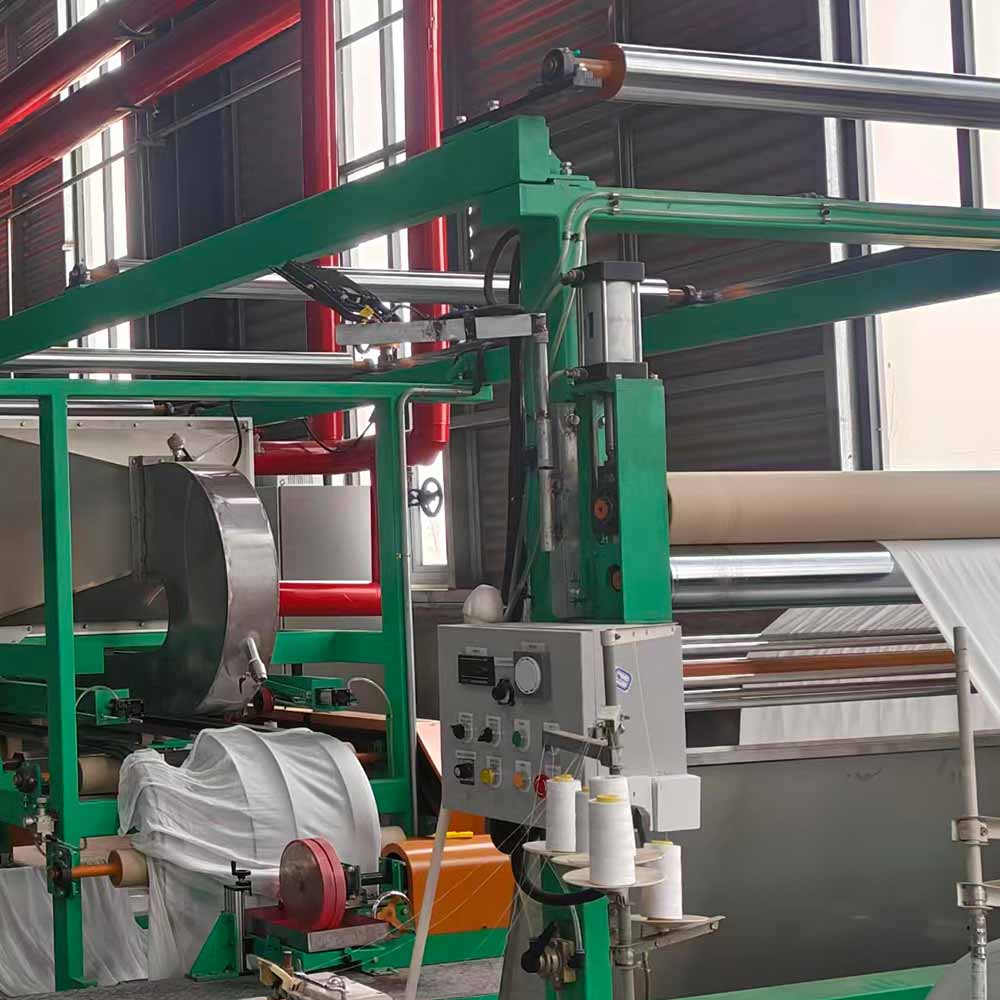
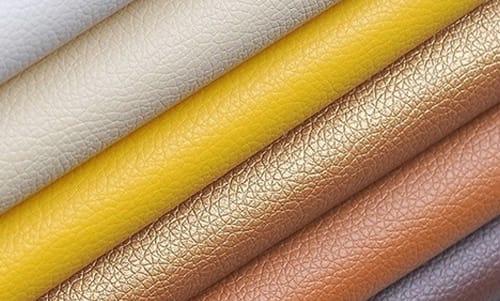
Surface texture is one of the first characteristics people notice when evaluating synthetic leather. Grain depth, pattern sharpness, gloss distribution, tactile feel, and visual consistency can all influence how the finished material is perceived and how well it performs in later manufacturing stages.
An embossing machine gives manufacturers a controlled way to transform a relatively flat PU, PVC, or other leather-like surface into a defined three-dimensional texture. Depending on the equipment and material system, pressure, heat, roller geometry, feeding tension, and cooling conditions work together to reproduce the selected grain across a continuous material roll.
However, conventional embossing is no longer the only available surface-forming method. Vacuum texturing can also be used for certain PU surface treatments, which makes process selection more important when a factory is planning new texture capabilities.
Key considerations include:
- material response to heat and pressure;
- required grain depth and definition;
- roller or pattern requirements;
- web tension and feeding stability;
- embossing temperature;
- pressure uniformity;
- production speed;
- cooling and texture stabilization;
- compatibility with printing and coating;
- changeover requirements;
- final application expectations.
The best embossing machine is therefore not simply the machine capable of producing the deepest pattern. It is the system that can reproduce the required texture continuously without creating unacceptable dimensional change, gloss variation, edge defects, or unstable downstream performance.
What Does an Embossing Machine Do?
An embossing machine applies a controlled texture, grain, logo, geometric design, or decorative pattern to the surface of a material.
The broader concept of leather embossing involves forming a leather surface through pressure and, depending on the process, heat. In industrial synthetic leather manufacturing, this concept is expanded into continuous, repeatable production using specialized rollers or pressing systems.
For synthetic leather, common surface effects can include:
- natural-grain appearance;
- fine microtexture;
- geometric patterns;
- matte structures;
- decorative grains;
- custom textures;
- functional anti-slip surfaces;
- repeated branded patterns.
An industrial Leather Embossing Machine can be configured for materials including PU leather and other synthetic leather structures, with hot-press and high-frequency process options depending on the required application.
Embossing Is a Surface-Forming Process
Embossing should not be confused with printing.
Printing primarily changes visual appearance through color or coating transfer. Embossing physically changes the surface geometry.
This means an embossed surface interacts with light differently from a flat printed surface. Raised and recessed sections can create visual depth even when the material uses a relatively uniform color.
Texture Must Remain Stable
A pattern that looks clear immediately at the embossing station is not necessarily a successful result.
After processing, manufacturers should check whether the texture remains stable after:
- cooling;
- rewinding;
- storage;
- flexing;
- lamination;
- cutting;
- sewing;
- additional finishing.
Industrial embossing quality is therefore about texture retention as well as texture formation.
How an Embossing Machine Works in Synthetic Leather Production
The exact configuration varies between machines, but the basic process is built around controlled material deformation.
A typical sequence can be described as:
material feeding → heating or conditioning → embossing contact → controlled pressure → pattern formation → cooling → tension stabilization → rewinding.
Each stage affects the final surface.
Material Feeding
The material enters the embossing system under controlled tension.
Feeding should remain stable enough to prevent:
- wrinkles;
- sideways movement;
- uncontrolled stretching;
- uneven roller contact.
If the web moves irregularly before embossing, the machine may reproduce an accurate texture onto an inaccurately positioned material.
Material Conditioning
Some materials require thermal conditioning to become sufficiently responsive to surface forming.
The purpose is not simply to make the material as hot as possible.
The target is a process window where the surface becomes formable while retaining the structural and visual characteristics required for the final product.
Pattern Transfer
The material then contacts the embossing roller or forming surface.
Pressure transfers the geometry of the pattern into the material.
Three factors interact closely:
- material temperature;
- roller pressure;
- contact time.
Production speed also affects contact time, which means speed cannot be evaluated separately from temperature and pressure.
Cooling and Texture Fixing
After leaving the embossing zone, the surface needs to stabilize.
If the material remains too soft when tension changes or rewinding begins, some texture may recover toward its original form.
This is one reason cooling should be considered part of embossing rather than an unrelated downstream operation.
The Five Variables That Control Embossing Quality
A stable embossing machine process depends on several parameters being balanced together.
1. Temperature
Temperature influences how easily the surface can be formed.
If the material is insufficiently conditioned, the pattern may appear:
- shallow;
- incomplete;
- inconsistent;
- poorly defined.
Excessive heat can create different problems:
- surface deformation;
- unwanted gloss changes;
- material shrinkage;
- reduced dimensional stability;
- coating damage.
The correct setting depends on the complete material structure rather than one universal value.
2. Pressure
Pressure forces the material into contact with the pattern geometry.
Too little pressure can leave sections of the design unclear.
Too much pressure may:
- flatten underlying structures;
- distort backing materials;
- change thickness;
- create excessive gloss;
- increase edge deformation.
The goal is controlled pattern reproduction, not maximum force.
3. Production Speed
Line speed changes how long the material remains within the embossing process.
Increasing speed without adjusting other parameters may reduce effective forming time.
For production control, speed should always be recorded together with temperature and pressure.
4. Web Tension
Web tension controls material stability while the surface is being formed.
Too much tension can stretch the material before it reaches the embossing point.
When that tension is later released, the material may contract and alter the texture dimensions.
Too little tension may contribute to wrinkles or unstable tracking.
5. Cooling Conditions
Cooling helps stabilize the formed surface.
When cooling is uneven across the width, manufacturers may see side-to-side differences in:
- texture retention;
- dimensions;
- flatness;
- winding behavior.
This is particularly important when the embossing machine operates continuously.
Embossing Machine vs Vacuum Texturing
Traditional embossing and vacuum texturing can both modify synthetic leather surfaces, but they do so through different process principles.
That makes the comparison useful when selecting equipment for a specific PU surface structure.
| Evaluation Factor | Embossing Machine | Vacuum Texturing |
|---|---|---|
| Main forming principle | Pressure-based pattern transfer | Vacuum-assisted surface forming |
| Pattern source | Embossing roller or plate | Textured forming surface/system |
| Surface contact | Direct mechanical contact | Different surface-forming mechanism |
| Texture flexibility | Strong for repeatable roller patterns | Strong for selected fine-texture applications |
| Key controls | Heat, pressure, speed, tension | Vacuum, temperature, speed, material behavior |
| Pattern change | Often requires roller or tooling change | Depends on system configuration |
| Best evaluation method | Real roll testing | Real roll testing |
| Main production goal | Stable repeated grain | Controlled alternative texture formation |
Neither technology should be considered universally superior.
The correct choice depends on:
- substrate construction;
- required grain appearance;
- texture depth;
- surface softness;
- production scale;
- acceptable thermal exposure;
- pattern-change frequency.
For some PU applications, vacuum texturing provides an alternative approach to conventional embossing and can be considered when evaluating different surface-finishing strategies.
How to Choose an Embossing Machine for PU and PVC Leather
Machine selection should begin with actual material samples.
A specification sheet can tell you working width, machine structure, heating configuration, control system, and other technical characteristics, but it cannot fully predict how your own material will respond to embossing.
Define the Substrate
Record the actual construction of the material.
Important information includes:
- PU or PVC surface structure;
- total thickness;
- coating thickness;
- backing structure;
- softness;
- elasticity;
- thermal sensitivity;
- surface coating;
- existing print or finish.
Two materials described simply as “PU leather” may respond very differently to the same embossing conditions.
Define the Desired Texture
Avoid specifications such as:
“Natural leather grain required.”
A more useful requirement identifies:
- grain type;
- pattern scale;
- texture depth;
- gloss expectation;
- pattern repeat;
- visual sharpness;
- tactile effect.
This makes sample evaluation much more objective.
Define the Production Width
Texture consistency should be checked across the full working width.
The center of a roll may emboss correctly while one edge shows weaker pattern definition.
That can indicate differences in:
- pressure;
- temperature;
- roller alignment;
- material thickness;
- feeding.
Wide-web evaluation should therefore compare left, center, and right sections.
Embossing Roller Design Matters
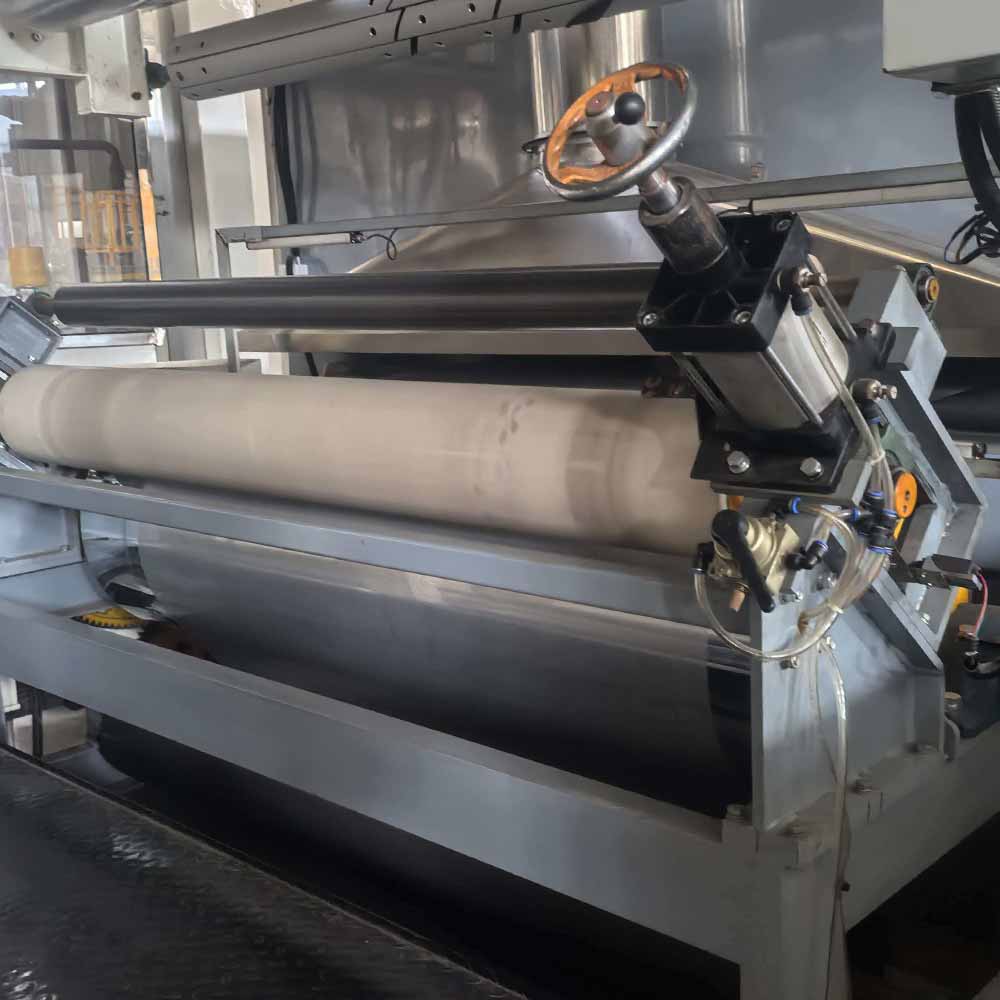
The embossing roller is one of the most recognizable components in a continuous embossing machine.
Its pattern determines much of the final surface geometry.
Pattern Depth
Deeper roller engraving does not automatically produce a better surface.
The finished depth also depends on:
- material softness;
- temperature;
- pressure;
- line speed;
- surface recovery after cooling.
A deeply engraved roller used with unsuitable settings can still create poor texture reproduction.
Fine vs Coarse Grain
Fine textures require accurate surface contact because small pattern details can disappear easily.
Coarse grains may tolerate slightly greater process variation visually, although deep forming can place different demands on material behavior.
Pattern Repeat
For regular geometric or decorative patterns, repeat accuracy becomes important.
If the pattern is intended to coordinate with printing, even small dimensional changes can become visible.
Roller Surface Condition
The roller should be inspected for:
- contamination;
- scratches;
- damage;
- residue;
- uneven wear.
A small roller defect can repeat continuously across an entire production roll.
Regular repeating defects are therefore valuable diagnostic clues.
Why Pressure Uniformity Is More Important Than Maximum Pressure
One of the most common mistakes when evaluating an embossing machine is focusing on maximum pressure capability.
Industrial consistency depends more on how uniformly that pressure is delivered.
Imagine the center of a material roll receiving stronger pressure than the edges.
The finished surface may show:
- deep grain in the center;
- shallow grain at the edges;
- different gloss levels;
- inconsistent tactile feel.
Increasing total pressure may deepen the center further without correcting the real problem.
Check Across the Full Width
During machine trials, cut samples from:
- the left side;
- the center;
- the right side.
Compare them under the same lighting and viewing angle.
Inspect:
- grain definition;
- surface gloss;
- depth;
- width dimensions;
- thickness.
This simple test can reveal pressure or temperature distribution problems that a single center sample would miss.
Temperature, Pressure, and Speed Must Be Treated as One Process
Operators sometimes troubleshoot embossing by changing one setting repeatedly.
A better approach is to understand the relationship between the major variables.
Suppose the embossing pattern becomes too shallow after production speed is increased.
Possible explanations include:
- reduced heating exposure;
- shorter forming contact;
- insufficient material softening;
- inadequate stabilization.
Increasing pressure may improve the visible result, but it may not address the real cause.
Use a Process Window
Rather than searching for one “perfect” setting, establish a validated operating range.
For example, record acceptable combinations of:
- line speed;
- temperature;
- pressure;
- material thickness.
A process window makes production more resilient to normal material variation.
Change One Variable at a Time During Trials
When investigating a defect, avoid changing temperature, pressure, and speed simultaneously.
If all three are changed and the result improves, you still do not know which adjustment solved the problem.
Controlled trials create usable process knowledge.
Embossing Machine and Printed Leather: How the Processes Work Together
Printing and embossing are frequently combined to create more sophisticated artificial leather surfaces.
A typical process may follow:
base material → surface coating → printing → embossing → protective finishing → cooling → rewinding.
Printing Before Embossing
If the material is printed first, the embossing process changes the physical geometry underneath the printed design.
This can create stronger visual depth because light reflects differently from raised and recessed surfaces.
However, heat and pressure may also change:
- gloss;
- color appearance;
- pattern dimensions.
Final color approval should therefore be performed after embossing when embossing is part of the normal production route.
Embossing Before Printing
Printing after embossing can create selective surface effects.
For example, a coating may contact primarily raised portions of the texture depending on the printing method.
This can visually emphasize the grain.
Registered Effects
More complex products may require a printed pattern to align with an embossed texture.
This requires tighter control over:
- web dimensions;
- tension;
- roller synchronization;
- pattern repeat.
A pattern can be correct at the beginning of the roll but gradually drift if the material stretches between operations.
Common Embossing Defects and What They Usually Indicate
Troubleshooting should focus on where the defect begins and whether it repeats systematically.
Shallow Texture
Possible causes include:
- insufficient material conditioning;
- inadequate pressure;
- excessive line speed;
- unsuitable roller geometry;
- rapid surface recovery.
Before increasing pressure, verify the temperature and material response.
Uneven Texture Across the Width
Check:
- roller alignment;
- pressure distribution;
- temperature uniformity;
- incoming material thickness.
If one side is consistently different, the problem is unlikely to be random.
Texture Disappears After Cooling
This suggests that the pattern was formed initially but not adequately stabilized.
Possible factors include:
- material formulation;
- insufficient forming conditions;
- cooling behavior;
- substrate elasticity.
Testing the surface immediately after embossing is therefore not enough.
Gloss Changes
Embossing changes surface geometry and can also influence how the material reflects light.
Unwanted gloss variation may result from:
- excessive temperature;
- pressure differences;
- roller surface characteristics;
- substrate variation.
Wrinkles
Wrinkles often point toward web-handling conditions rather than the pattern roller itself.
Investigate:
- unwinding;
- web tension;
- material alignment;
- roller tracking;
- cooling;
- rewinding.
Repeating Marks
When a defect occurs at a regular interval, inspect rotating components.
The repeat length may help identify the component responsible.
This is usually more efficient than adjusting machine parameters randomly.
Testing an Embossing Machine Before Industrial Production
A machine trial should replicate real production as closely as practical.
One perfectly prepared sample has limited value.
Use a Representative Material Set
Bring materials representing:
- thinnest regular structure;
- thickest regular structure;
- softest surface;
- highest elasticity;
- most sensitive finish;
- most common backing;
- most difficult product specification.
This establishes a realistic working range.
Test Multiple Grain Types
Where possible, evaluate both fine and relatively pronounced textures.
A machine that performs well with one grain structure may require different process settings for another.
Run Long Enough to Check Stability
Short samples reveal whether embossing is possible.
Longer trials reveal whether it is repeatable.
Observe whether:
- temperature remains stable;
- texture gradually changes;
- web tension drifts;
- material tracking changes;
- pattern depth remains consistent.
Check the Material After Stabilization
Do not make the final judgment while the material is still warm.
Allow it to cool and stabilize before comparing texture depth and dimensions.
A Practical Embossing Machine Quality-Control System
Good production control converts visual judgment into repeatable standards.
Incoming Material Check
Before embossing, verify:
- material identity;
- thickness;
- width;
- surface condition;
- coating quality;
- roll condition.
Startup Sample
At the start of production, approve a sample before continuing the complete run.
Check:
- pattern definition;
- texture depth;
- gloss;
- width;
- edge condition.
In-Process Inspection
Inspect material at defined intervals.
Compare:
- left;
- center;
- right;
- beginning;
- middle;
- later production.
This identifies both cross-web variation and process drift over time.
Finished-Roll Inspection
After cooling and rewinding, check:
- pattern consistency;
- dimensional stability;
- roll condition;
- surface defects.
Downstream Verification
If the material will later be laminated, printed, cut, or sewn, test samples through those operations.
A texture that looks satisfactory but creates problems downstream should not be considered fully qualified.
Maintenance Factors That Affect Embossing Quality
An embossing machine can gradually drift away from its original condition if maintenance is treated only as breakdown repair.
Preventive inspection protects surface consistency.
Keep Embossing Rollers Clean
Residue on a patterned roller can fill fine engraved details.
The result may appear as a localized shallow area or incomplete grain.
Cleaning procedures should protect the roller surface while removing process residue effectively.
Inspect Bearings and Alignment
Mechanical wear can influence:
- roller position;
- vibration;
- pressure uniformity;
- pattern stability.
Small mechanical changes may first appear as surface-quality changes.
Verify Heating Performance
Temperature-control components should be checked periodically.
If the displayed temperature remains stable but actual surface conditions change across the width, process quality may still drift.
Inspect the Tension System
Rollers, drives, sensors, brakes, and guiding components all contribute to material stability.
Poor tension control may be mistaken for an embossing problem even when the pattern roller itself is functioning correctly.
Embossing Machine Selection Checklist
Before defining a final machine configuration, prepare a technical requirement sheet.
Include the following information.
Material Requirements
- substrate type;
- PU or PVC system;
- material thickness;
- working width;
- backing type;
- elasticity;
- thermal sensitivity.
Texture Requirements
- grain design;
- texture depth;
- repeat length;
- required clarity;
- gloss expectation;
- tactile effect.
Process Requirements
- expected production speed;
- heating method;
- pressure requirements;
- cooling;
- tension control;
- rewinding.
Production Flexibility
Consider how often the factory will change:
- materials;
- patterns;
- widths;
- texture depth;
- surface finishes.
Factories with frequent product changes may prioritize accessible adjustment and repeatability over maximum single-product speed.
Integration Requirements
Determine whether embossing will operate:
- as a standalone process;
- after printing;
- after coating;
- before additional surface finishing;
- inside a larger continuous production line.
The surrounding process can significantly affect the ideal machine configuration.
Common Mistakes When Choosing an Embossing Machine
Selecting by Maximum Pressure Alone
Maximum pressure tells you what a machine can theoretically deliver.
It does not tell you how evenly that pressure is distributed or whether your material needs it.
Uniformity is usually more important.
Looking Only at Machine Speed
A higher line speed is useful only when texture quality remains within specification.
Usable production speed matters more than mechanical maximum speed.
Approving Only One Material
Synthetic leather compositions vary.
Machine trials should reflect the actual production range rather than one easy sample.
Ignoring Cooling
Texture formation does not necessarily end at the embossing nip.
Cooling and stabilization influence how much of the formed structure remains in the final material.
Ignoring Pattern Changeovers
If the product portfolio includes many textures, evaluate how rollers or patterns are changed and how previous production settings are recovered.
Treating Embossing as an Isolated Operation
Surface texture interacts with printing, coating, lamination, and final finishing.
The embossing machine should therefore be selected as part of the overall production system.
Conclusion
Choosing and operating an embossing machine for synthetic leather requires more than matching working width and production speed.
The final texture is created through the interaction of material structure, temperature, pressure, roller geometry, web tension, contact time, cooling, and downstream processing.
Traditional embossing remains highly effective where manufacturers require repeatable grain patterns and controlled surface definition. Vacuum texturing provides an alternative approach for certain surface requirements, which means process selection should begin with the desired finished material rather than with the equipment alone.
For industrial users, the most useful evaluation method is straightforward: test real production materials, measure texture consistency across the roll, document the process settings, allow the material to stabilize, and then evaluate it through subsequent manufacturing stages.
An embossing machine should not merely produce a clear pattern during a demonstration. It should make that pattern repeatable across different rolls, production shifts, and validated product specifications.
That repeatability is what turns embossing from a decorative operation into a controlled industrial surface-finishing process.
FAQ
What is an embossing machine used for in synthetic leather production?
An embossing machine forms grains, textures, geometric designs, or decorative patterns on PU, PVC, and other leather-like surfaces. Industrial systems use controlled pressure, temperature, roller geometry, web tension, and cooling to reproduce the required texture consistently across continuous material rolls.
How does an embossing machine create leather texture?
The material is conditioned and brought into controlled contact with a patterned roller or forming surface. Heat can make the surface easier to shape, while pressure transfers the pattern. The material is then cooled and stabilized so the newly formed grain retains its intended depth and definition.
What causes uneven patterns on an embossing machine?
Uneven embossing can result from irregular pressure distribution, temperature variation, roller misalignment, inconsistent material thickness, unstable web tension, or roller contamination. Comparing samples from the left, center, and right side of the roll helps identify whether the problem follows the machine or material.
Can an embossing machine process both PU and PVC leather?
An embossing machine can be configured for different synthetic leather materials, but PU and PVC structures do not necessarily respond to identical settings. Material thickness, coating composition, backing, elasticity, heat response, and required texture should be tested before establishing production parameters.
What should I check before choosing an embossing machine?
Define your material type, working width, thickness range, grain design, texture depth, production speed, heating requirements, pressure control, cooling method, and downstream processes. The strongest evaluation uses real materials to verify repeatability rather than relying only on maximum machine specifications.