Table of Contents
Many people are curious about synthetic leather and often ask:
What exactly is PVC leather?
Is it better than genuine leather?
Today, I’ll walk you through the basics of synthetic leather, with a special focus on the PVC leather manufacturing process, and briefly compare it with other artificial leather types.
Understanding Synthetic Leather
Synthetic leather is a man-made material designed to imitate real leather. It is not derived from animal hides. Depending on the material used, artificial leather can generally be divided into four categories:
- PVC leather
- PU leather
- Microfiber leather
- Silicone leather
Each type has its own production method and performance characteristics. Let’s begin with PVC leather.
पीवीसी चमड़ा विनिर्माण प्रक्रिया
PVC leather, also known as vinyl leather, is produced using polyvinyl chloride resin combined with additives and backing fabrics.
There are two primary production methods used in the PVC leather manufacturing process:
1️⃣ Calendar Coating Method
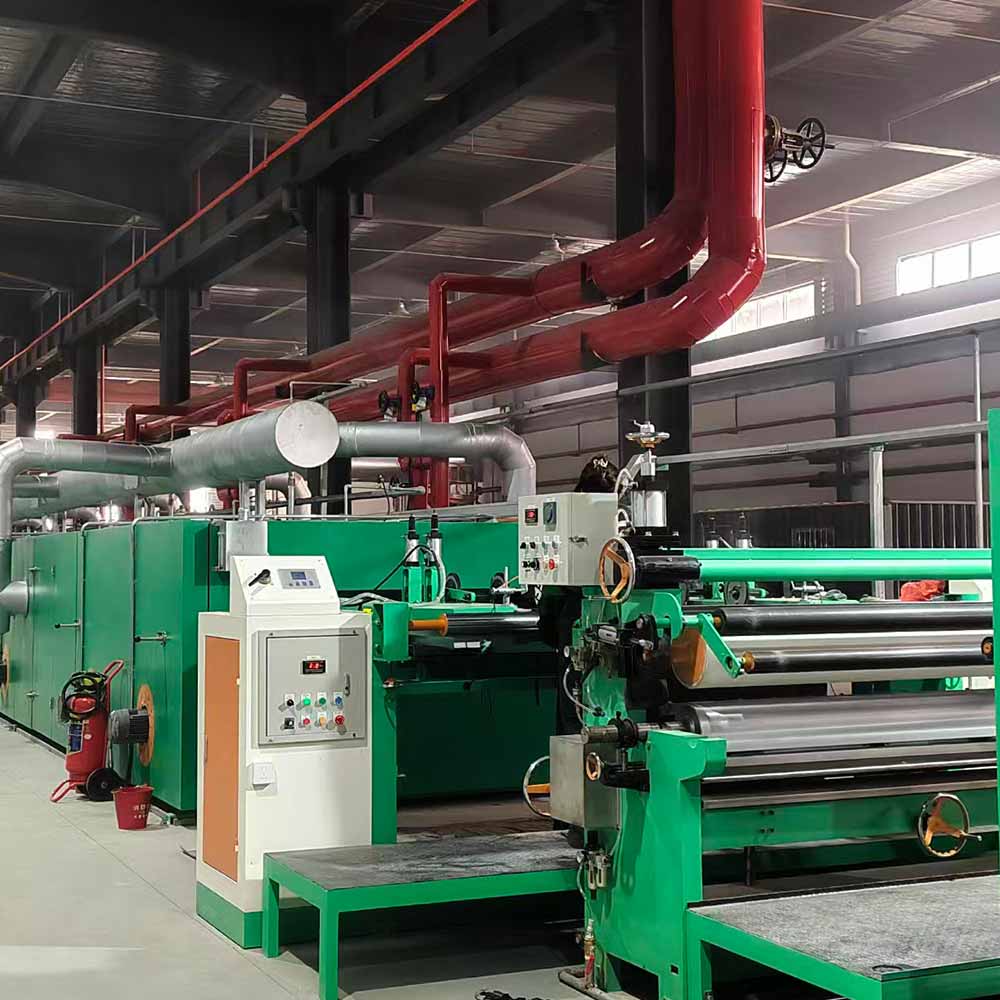
This is one of the most common industrial methods.
Step 1: Raw Material Mixing
PVC resin is blended with plasticizers, stabilizers, pigments, and other additives. The mixture is processed into a uniform compound.
Step 2: Forming the Base Layer
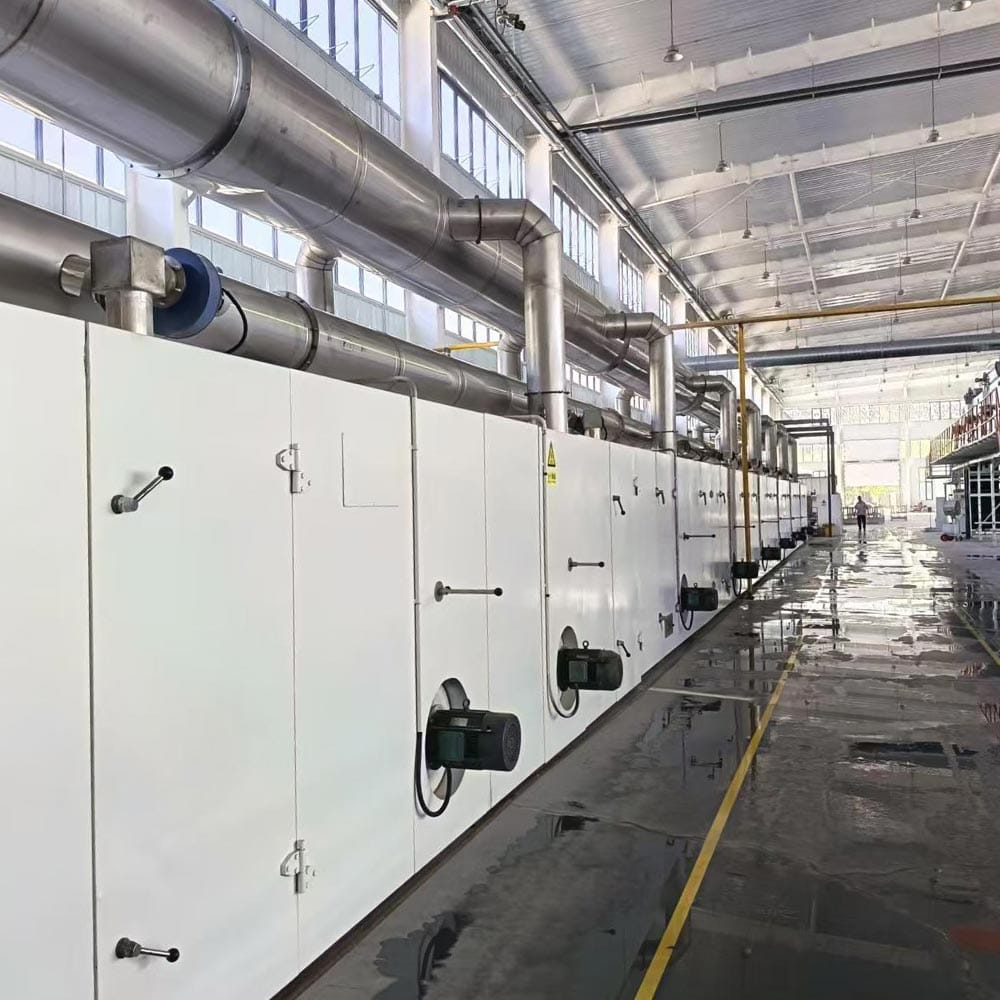
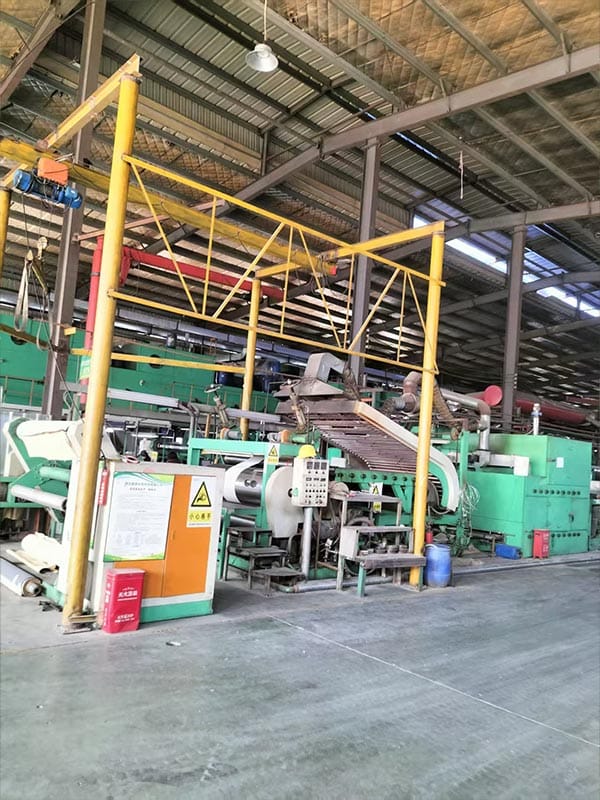
The compound is heated and passed through calender rollers to form a sheet. This PVC layer is then laminated onto a textile backing. At this stage, we get a semi-finished base material consisting of:
- A PVC surface layer
- A fabric backing layer
Step 3: Foaming (Optional)
If a softer and thicker texture is required, the material enters a foaming line. High temperatures activate the foaming agents, expanding the PVC layer and increasing thickness.
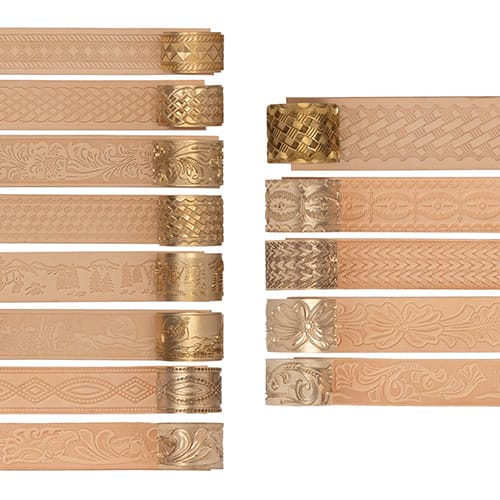
Step 4: Embossing
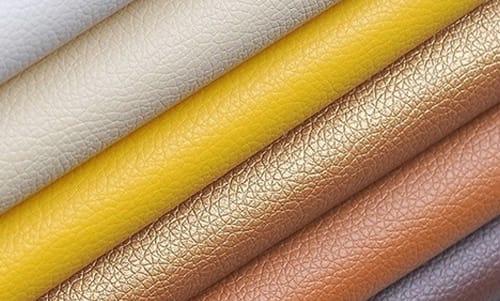
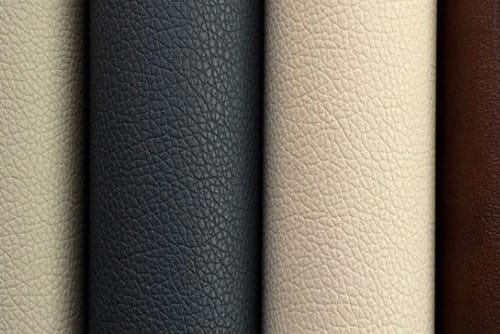
An embossing roller with engraved patterns presses texture onto the PVC surface. This step creates leather-like grains, such as:
- Cowhide texture
- Litchi grain
- Smooth finish
- Custom decorative patterns
Step 5: Surface Finishing
Finally, the surface may undergo:
- Color adjustment
- Printing
- Top coating
- Protective treatment
After these processes, the PVC leather is ready for cutting and fabrication.
2️⃣ Release Paper Method
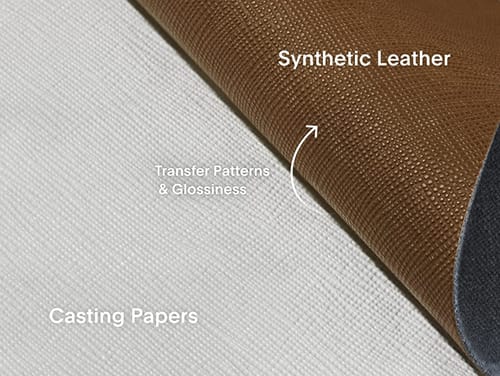
Another widely used PVC leather manufacturing process involves textured release paper.
Step 1: Coating on Release Paper
Liquid PVC compound is evenly coated onto specially textured release paper. The paper acts as a mold carrier.
Step 2: Foaming (If Required)
Depending on product specifications, foaming may be applied to increase softness and thickness.
Step 3: Adhesive Application
Adhesive is coated onto the PVC layer.
Step 4: Fabric Lamination
The backing fabric is pressed onto the adhesive-coated PVC layer.
Step 5: Paper Separation
Once curing is completed, the release paper is peeled off. The texture from the paper transfers perfectly to the PVC surface.
The final product is finished PVC leather with detailed surface patterns.
Brief Overview of Other Synthetic Leathers
Although our focus is on the PVC leather manufacturing process, it helps to understand other alternatives.
PU Leather Production
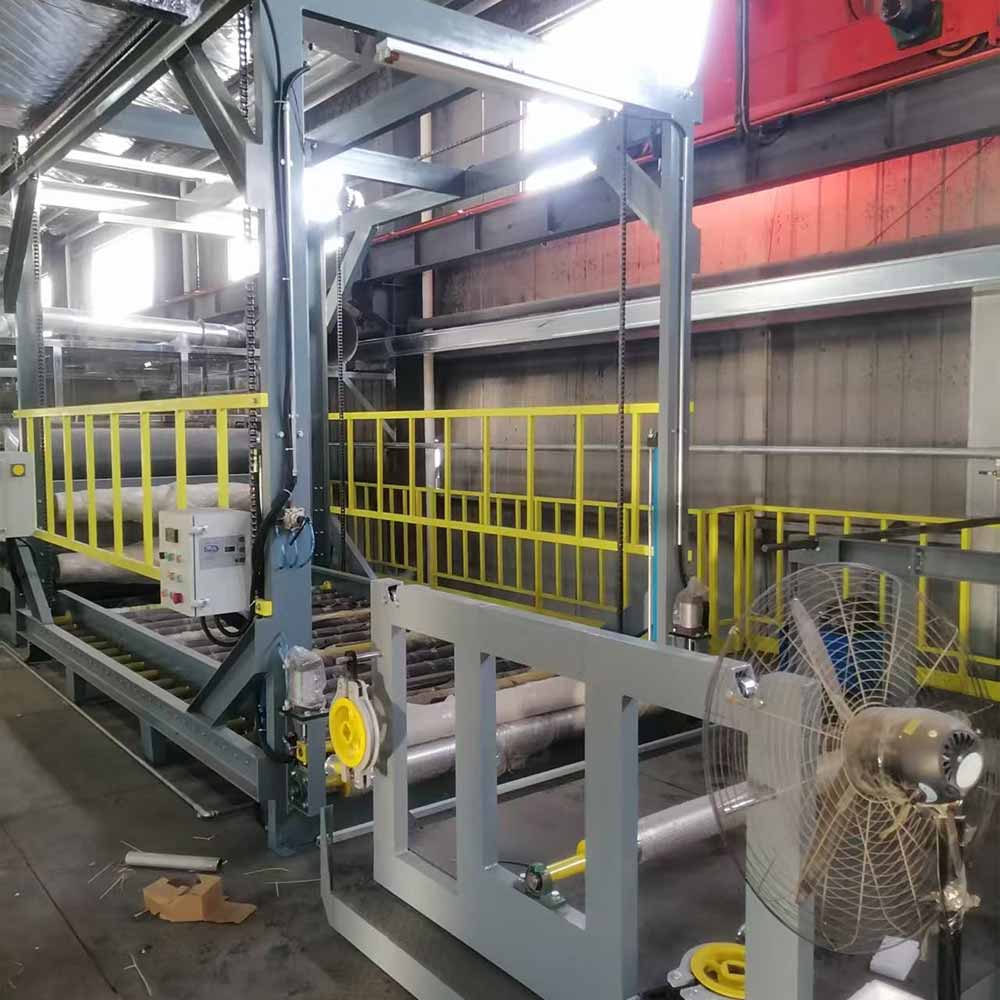
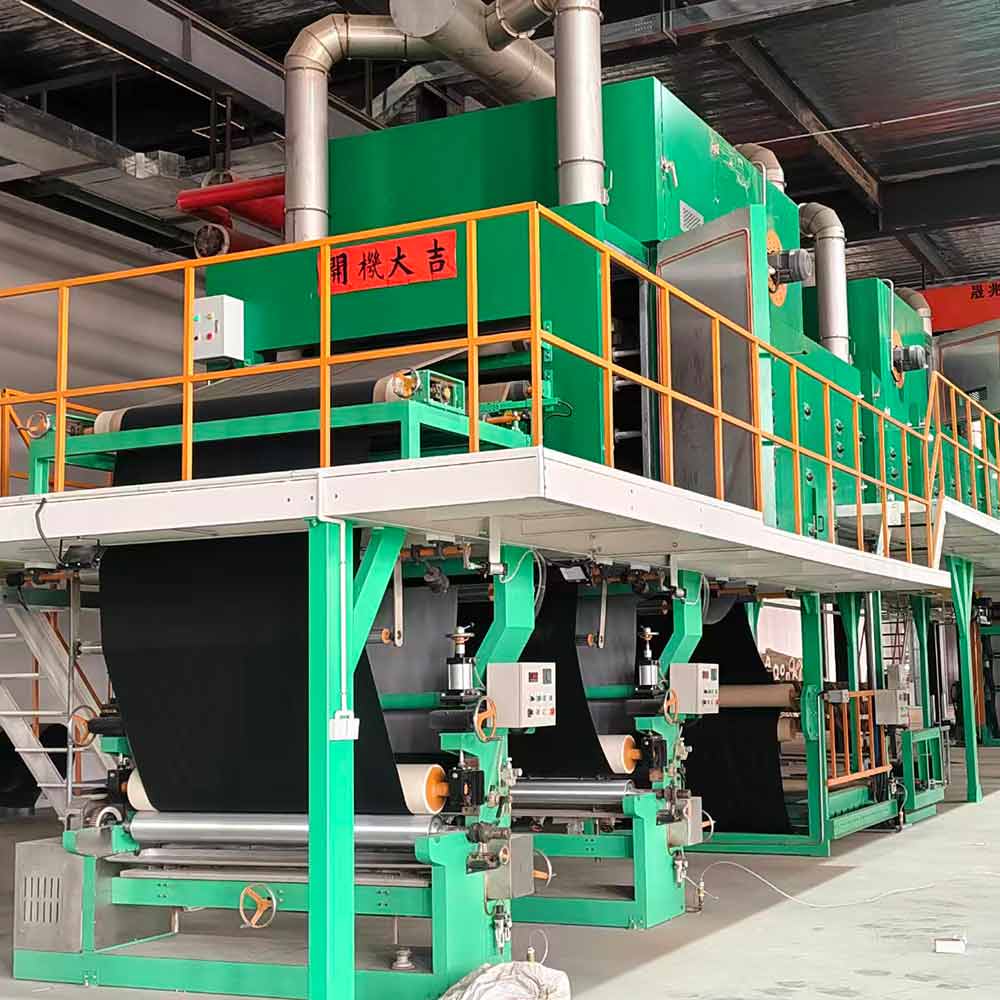
PU leather (polyurethane leather) can be made using:
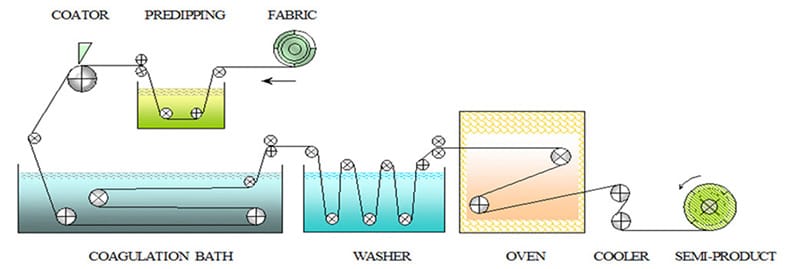
गीली प्रक्रिया
- Fabric is soaked in water
- Liquid polyurethane is coated
- Material passes through a DMF coagulation bath
- Washing and drying remove residual solvent
सूखी प्रक्रिया
- PU layers are coated onto release paper
- Multiple coating and drying cycles
- Laminated with fabric
- Paper removed
PU leather is generally softer and more breathable than PVC leather.
Microfiber Leather
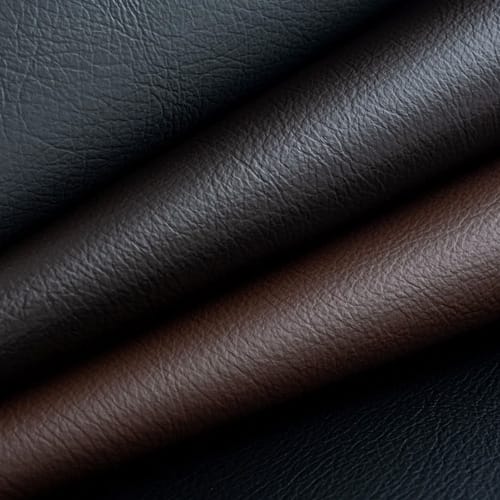
Microfiber leather uses ultra-fine fiber fabric as the base instead of ordinary textile. A PU coating is applied on top.
It offers:
- Higher durability
- Better abrasion resistance
- A more realistic leather feel
It is often considered a premium synthetic leather option.
Silicone Leather
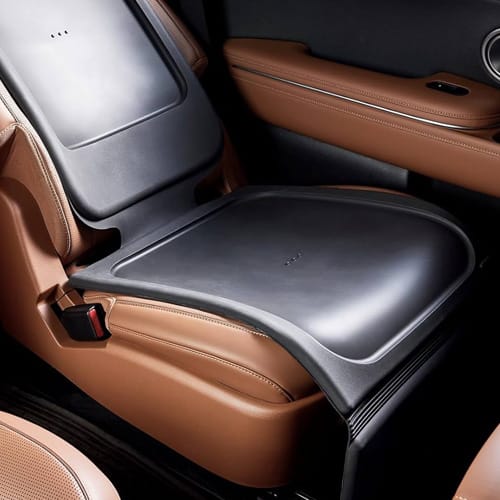
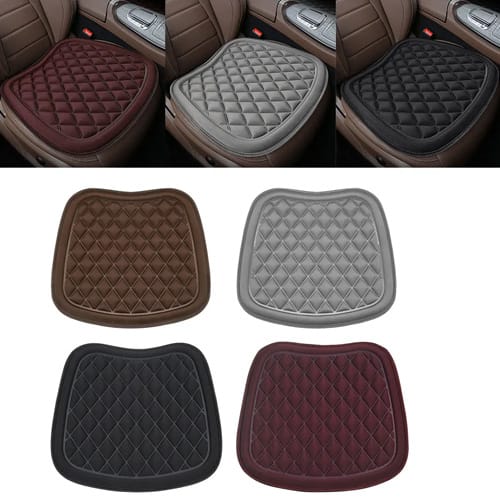
Silicone leather is created by coating silicone onto fabric backing.
Its advantages include:
- Excellent weather resistance
- High UV stability
- Non-toxic surface
- Easy cleaning
It is increasingly popular in:
- Automotive interiors
- Marine applications
- Furniture upholstery
- Children’s products
What Is PVC Leather?
PVC leather is a type of synthetic leather made from polyvinyl chloride resin combined with plasticizers and supported by fabric backing.
It is:
- Not genuine leather
- Animal-free
- Cost-effective
- Durable
- Waterproof
Compared with real leather, PVC leather requires less maintenance and offers consistent quality. However, breathability and softness may be lower than high-grade PU or microfiber leather.
Conclusion
The PVC leather manufacturing process mainly includes two techniques:
- Calendar coating method
- Release paper coating method
Both methods allow manufacturers to control thickness, texture, and performance depending on end use.
PVC leather remains one of the most widely used synthetic leather materials due to its affordability and versatility, especially in furniture, automotive interiors, bags, and decorative applications.
If you’re selecting materials for your project, understanding the manufacturing process will help you choose the right type of synthetic leather for your needs.
FAQ
What is the PVC leather manufacturing process?
PVC leather is produced by mixing PVC resin with additives, then coating or calendering it onto fabric backing. The process may include foaming, embossing, and surface finishing.
What are the main methods of PVC leather production?
The two main methods are the calendering method and the release paper method. Both create textured PVC surfaces bonded to fabric.
What materials are used in PVC leather manufacturing?
PVC resin, plasticizers, stabilizers, pigments, foaming agents, and textile backing are the key raw materials.
Is foaming necessary in PVC leather production?
Foaming is optional. It is used to increase thickness and softness, depending on product requirements.
What industries use PVC leather?
PVC leather is commonly used in furniture, automotive interiors, bags, marine applications, and decorative panels.