Table of Contents
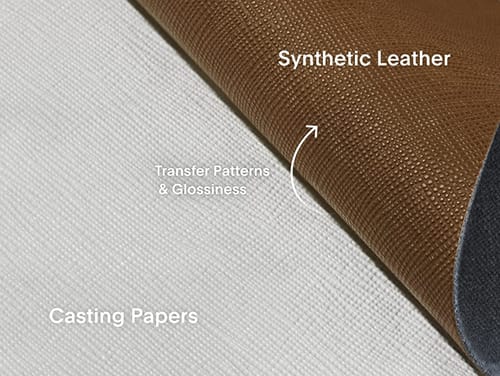
If you are planning to enter the synthetic materials industry—or expand your existing factory—there is one material you cannot ignore: synthetic leather.
You have probably seen it everywhere. It is on car seats, sofas, office chairs, wall panels, marine cushions, handbags, medical beds, and public transportation interiors. What you may not fully realize is how rapidly synthetic leather manufacturing is evolving—and how strong the business opportunity has become for producers who invest in the right production line.
This article is written for you as a manufacturer, investor, or industrial decision-maker. Instead of simply explaining what synthetic leather is, we will explore:
- Why global demand continues to grow
- Which sectors are expanding fastest
- What technology shifts are shaping the industry
- How production lines differ by material
- Real-world case examples
- Practical steps to evaluate your factory investment
By the end, you should have a clear understanding of how to position yourself competitively in the सिंथेटिक चमड़ा market.
What Is Synthetic Leather and Why Does It Matter to You?
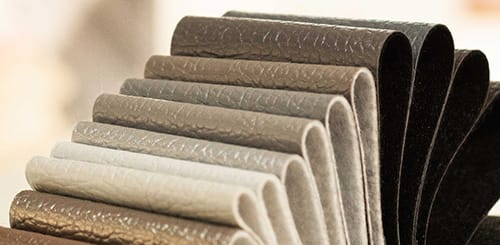
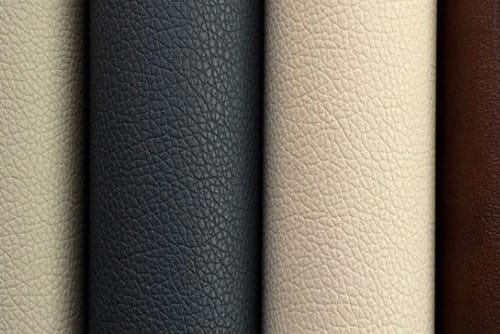
Synthetic leather is a man-made material designed to replicate the appearance and functionality of natural leather using polymer-based coatings on textile backings.
Unlike traditional leather derived from animal hides, synthetic leather is:
- Industrially consistent
- Scalable in production
- Customizable in texture and thickness
- Resistant to water and stains
- More cost-stable
If you operate in manufacturing, these factors translate into predictable margins, standardized quality control, and easier global distribution.
For reference, global material demand trends can be tracked through organizations such as the United Nations Industrial Development Organization, which monitors industrial sector expansion in emerging economies. Many developing regions show increased demand for affordable upholstery and automotive materials—areas where synthetic leather plays a dominant role.
Why Global Demand for Synthetic Leather Is Growing
Several structural trends are pushing synthetic leather forward.
1. Urbanization and Affordable Housing
As urban populations expand, affordable housing projects require durable, easy-to-maintain interior materials. Synthetic leather is widely used in sofas, headboards, wall cladding, and seating because it balances durability and cost.
According to data from the World Bank Urban Development Overview, rapid urban growth in Asia and Africa continues to drive infrastructure and housing expansion—indirectly increasing demand for upholstery materials.
If you supply these sectors, you benefit from long-term structural growth rather than short-term trends.
2. Automotive Interior Expansion
Modern vehicle interiors increasingly rely on synthetic leather due to durability, ease of cleaning, and design flexibility.
Electric vehicles, ride-sharing fleets, and public transport systems require surfaces that can withstand heavy daily use. Continued global vehicle output growth in many regions, which directly supports demand for interior surface materials.
If your factory targets automotive-grade synthetic leather, consistent thickness tolerance and abrasion resistance will become critical technical requirements.
3. Sustainability and Material Innovation
Sustainability discussions are reshaping the industry. Manufacturers are reformulating synthetic leather with lower-emission additives and more environmentally responsible plasticizers.
As a producer, staying aligned with evolving chemical regulations protects your export potential.
Types of Synthetic Leather You Should Understand
Before investing in a production line, you need clarity about which material segment fits your strategy.
| Type | Main Polymer | Key Features | Typical Applications |
|---|---|---|---|
| PVC Leather | Polyvinyl Chloride | Waterproof, durable, cost-efficient | Furniture, marine, public seating |
| PU Leather | Polyurethane | Softer, breathable | Automotive, apparel |
| Microfiber Leather | PU + Microfiber Base | High strength, premium feel | Automotive interiors |
| Silicone-Coated Leather | Silicone Polymer | High UV resistance | Outdoor & specialty markets |
Your decision should depend on:
- Target market segment
- Capital investment capacity
- Technical workforce skill level
- Environmental compliance requirements
Case Study: Transition From Textile Coating to Synthetic Leather Production
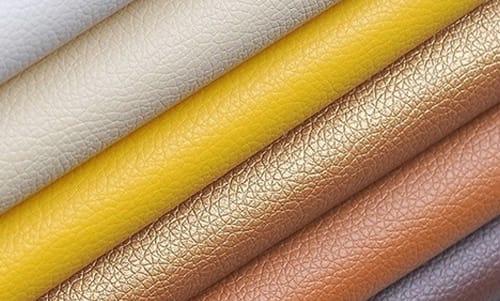
A mid-sized textile coating factory in South Asia originally specialized in waterproof tarpaulin materials. Over time, they noticed increasing domestic demand for sofa upholstery and automotive seat covers.
Instead of competing in a saturated coating market, they:
- Installed a synthetic leather calendering line
- Added embossing capability
- Focused on mid-range furniture manufacturers
Within three years:
- Annual output reached 2 million meters
- Profit margin increased by approximately 15%
- They secured long-term supply contracts with three furniture exporters
The critical factor in their success was not just equipment—it was aligning production capability with a growing downstream market.
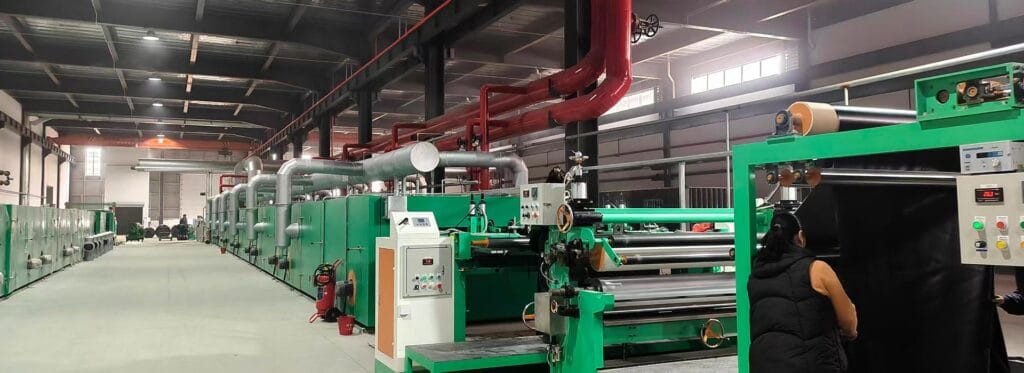
Understanding the Synthetic Leather Production Line
If you are evaluating equipment investment, your production line design must be tailored to your material focus.
Typical Equipment Configuration
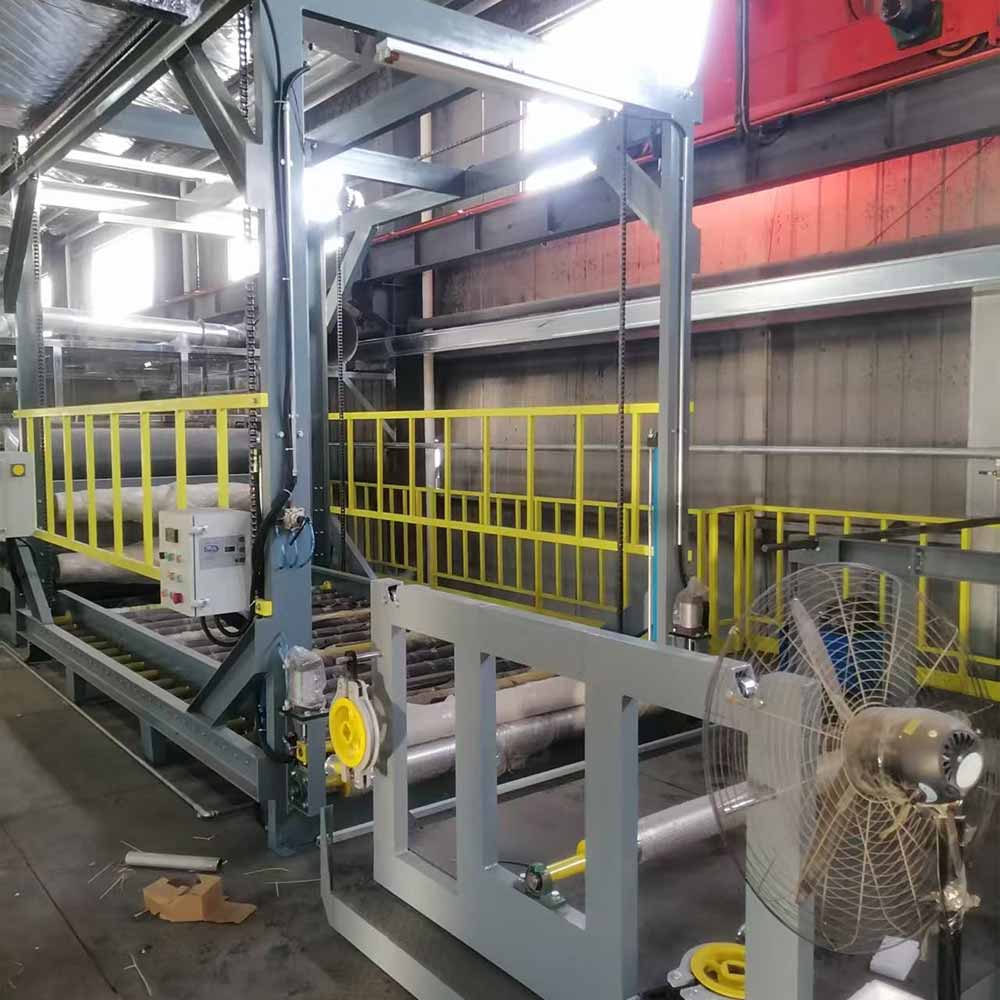
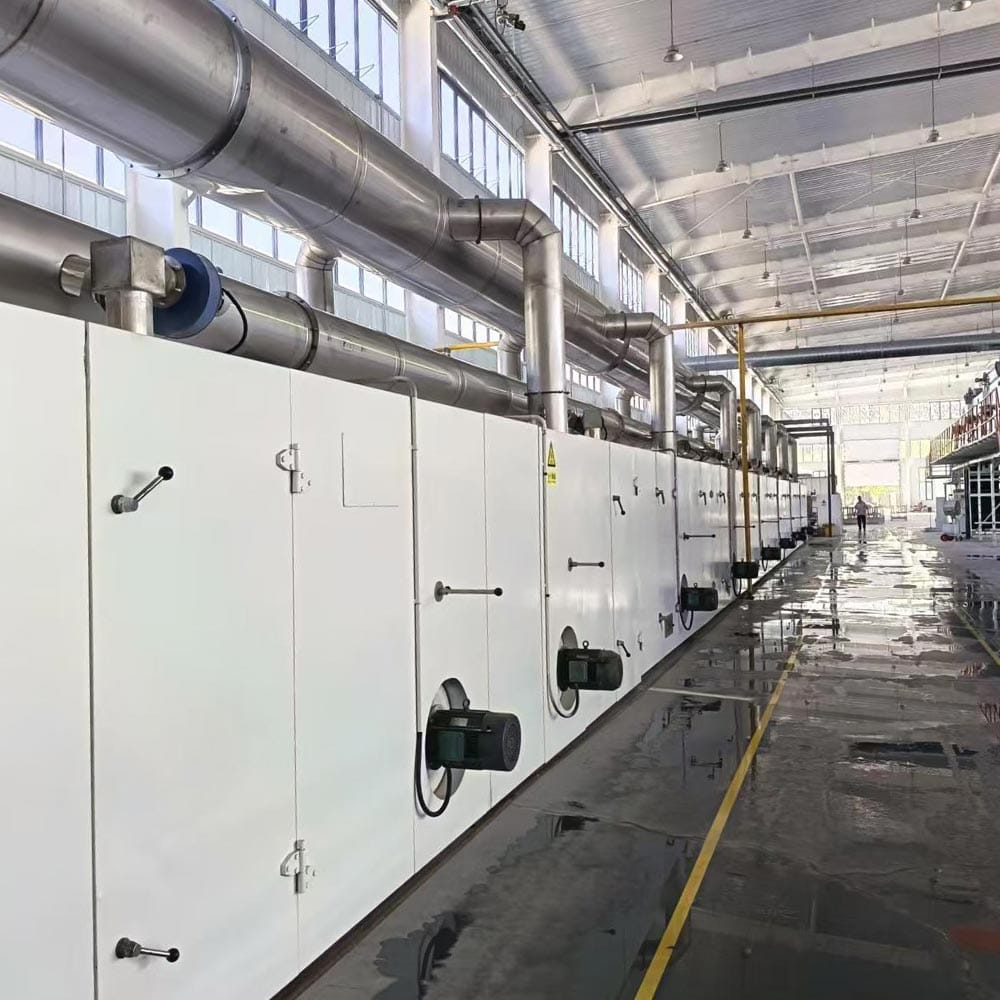
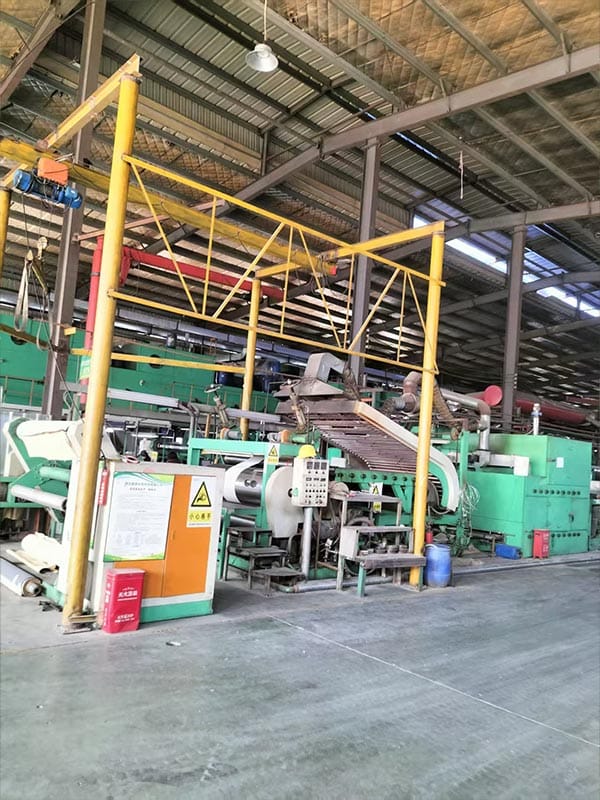
- Raw material high-speed mixer
- Coating or calendering system
- Foaming oven (optional)
- Embossing roller unit
- Cooling and winding system
- Quality inspection section
Key Technical Parameters to Monitor
- Coating thickness uniformity
- Temperature control accuracy
- Roller surface precision
- Line speed stability
- Energy efficiency per meter
A poorly controlled temperature variation can result in uneven texture or inconsistent surface gloss—leading to rejected batches.
How to Evaluate Market Entry Profitability
Before investing, calculate:
- Raw material cost per meter
- Energy consumption per hour
- Labor cost per shift
- Projected output capacity
- Target selling price
Example simplified cost structure:
| Item | Estimated Share of Cost |
|---|---|
| PVC Resin / Polymer | 40–50% |
| Additives & Plasticizers | 10–15% |
| Fabric Backing | 15–20% |
| Energy | 8–12% |
| Labor | 5–10% |
| Overhead | 5–8% |
You should perform a break-even analysis based on projected annual capacity.
Emerging Trends You Should Watch
1. Smart Surface Textures
Embossing technology now allows more complex grain simulation, including multi-layer textures. Higher visual realism improves competitiveness in premium segments.
2. Anti-Bacterial Coatings
Public seating and medical furniture increasingly require hygienic surface treatments. Adding antimicrobial finishing may open new markets.
3. Automation and Digital Control
Modern production lines integrate PLC systems to improve thickness consistency and reduce waste. Automation reduces labor dependence and improves repeatability.
Risk Factors You Must Manage
No manufacturing investment is risk-free. Key concerns include:
- Volatility of polymer raw material prices
- Environmental compliance upgrades
- Energy cost fluctuations
- Market saturation in low-end segments
Mitigation strategies:
- Diversify product grades
- Offer customized embossing
- Improve energy efficiency
- Target export markets
Why Synthetic Leather Remains a Strategic Manufacturing Sector
Synthetic leather is not a short-term trend. It supports:
- Growing urban populations
- Expanding automotive markets
- Furniture export industries
- Public transportation systems
Its industrial scalability, controlled cost, and broad application base make it one of the most resilient material categories in surface manufacturing.
If you approach this industry with structured planning, market research, and carefully selected production equipment, you position your business for long-term competitiveness.
Conclusion
If you are evaluating new manufacturing sectors, synthetic leather offers a balance of technological maturity and ongoing global demand.
You are not just investing in a material—you are investing in a supply chain that connects housing, transportation, marine, medical, and furniture industries.
With proper planning, market positioning, and efficient production equipment, synthetic leather manufacturing can become a scalable and sustainable pillar of your industrial growth strategy.
The opportunity is not in following trends—it is in understanding demand, mastering production control, and building reliable industrial capability.
FAQ
Is synthetic leather suitable for large-scale industrial production?
Yes. Synthetic leather is specifically designed for continuous industrial manufacturing with stable quality control.
Which artificial leather type is most cost-effective?
PVC-based synthetic leather is generally the most cost-efficient for high-volume applications.
How long does a artificial leather production line last?
With proper maintenance, core equipment can operate effectively for many years.
Is environmental compliance difficult?
It depends on local regulations. Monitoring chemical additives and emissions is essential for export-oriented factories.
What is the minimum space required for a production line?
Space requirements vary based on capacity, but medium-scale lines typically require several thousand square meters including storage.
Can artificial leather production be automated?
Yes. Modern lines integrate automated temperature control, coating precision, and thickness monitoring systems.