Daftar Isi
Jika Anda menjalankan — atau berencana untuk membangun fasilitas produksi kulit sintetis —a, mesin embosser bukan hanya peralatan lain di lini Anda. Ini adalah tahap di mana produk Anda mendapatkan identitas, tekstur, daya tarik visual, dan nilai tambah pasar.
Anda dapat menghasilkan bahan dasar kulit PVC atau PU yang secara teknis terdengar. Tetapi tanpa sistem embossing yang tepat, bahan Anda mungkin terlihat generik dan berjuang untuk bersaing di pasar yang semakin didorong oleh desain saat ini.
Artikel ini ditulis untuk Anda sebagai produsen, manajer pabrik, atau investor yang mengevaluasi peralatan produksi. Alih-alih hanya menjelaskan apa itu mesin embosser, kami akan mengeksplorasi:
- Mengapa embossing menentukan positioning produk Anda
- Bagaimana teknologi emboss telah berkembang
- Parameter apa yang secara langsung mempengaruhi kualitas
- Contoh kasus produksi nyata
- Pertimbangan biaya-manfaat
- Strategi pemeliharaan
- Tren masa depan dalam rekayasa permukaan bertekstur
Pada akhirnya, Anda harus memiliki pemahaman praktis tentang bagaimana mesin embosser memengaruhi daya saing Anda di sektor manufaktur kulit.
Mengapa Mesin Embosser Adalah Aset Strategis dalam Produksi Kulit Modern
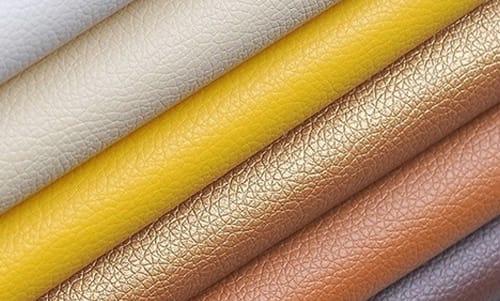
Dalam pembuatan kulit sintetis, embossing adalah tahap transformasi akhir. Di sinilah permukaan yang dilapisi halus menjadi:
- Imitasi biji-bijian alami
- Tekstur dekoratif kustom
- Pola matte atau glossy
- Struktur 3D dalam
- Permukaan fungsional anti-selip
Dari sudut pandang bisnis, embossing:
- Membedakan produk Anda
- Meningkatkan nilai yang dirasakan
- Memungkinkan harga premium
- Mengaktifkan pesanan khusus
- Meningkatkan kinerja taktil
Di pasar global, ekspektasi desain meningkat. Menurut analisis tren manufaktur yang diterbitkan oleh International Trade Centre, diferensiasi produk telah menjadi pendorong utama untuk daya saing ekspor dalam industri material. Variasi tekstur memainkan peran langsung dalam diferensiasi ini.
Apa Itu Mesin Embosser?
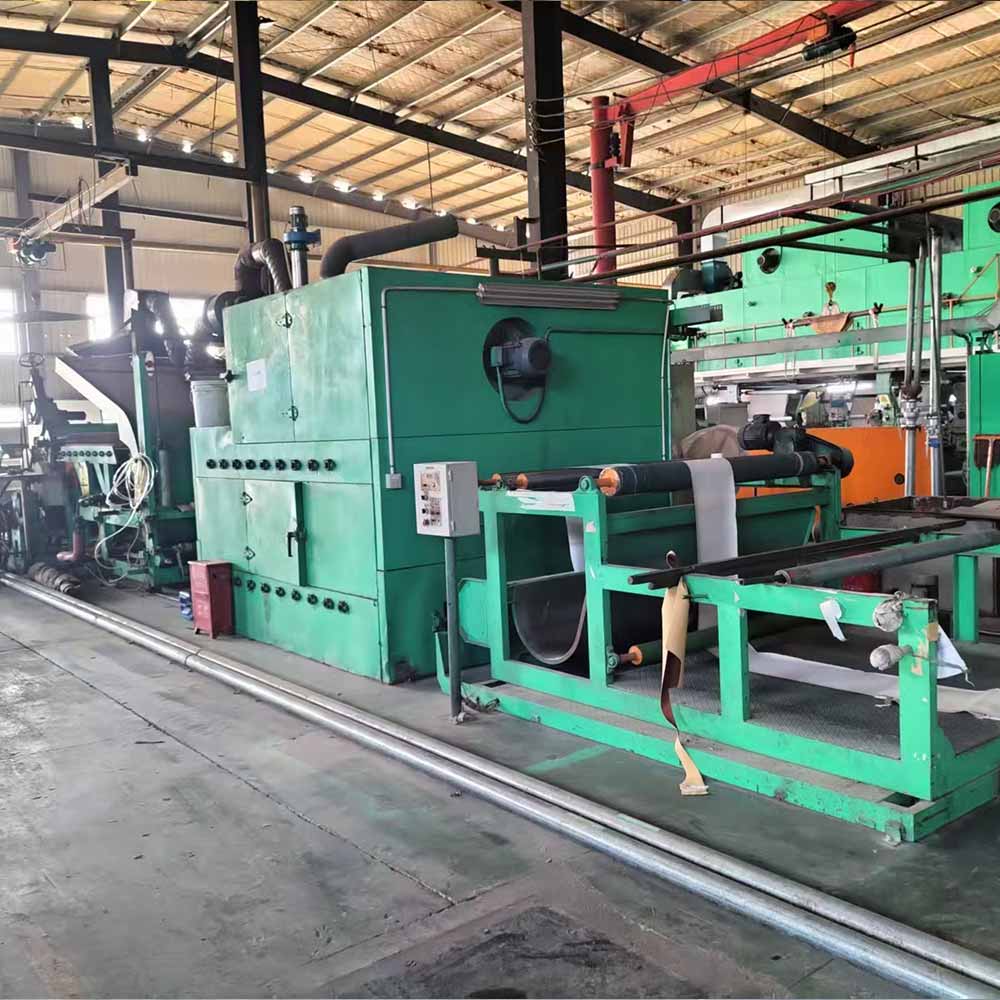
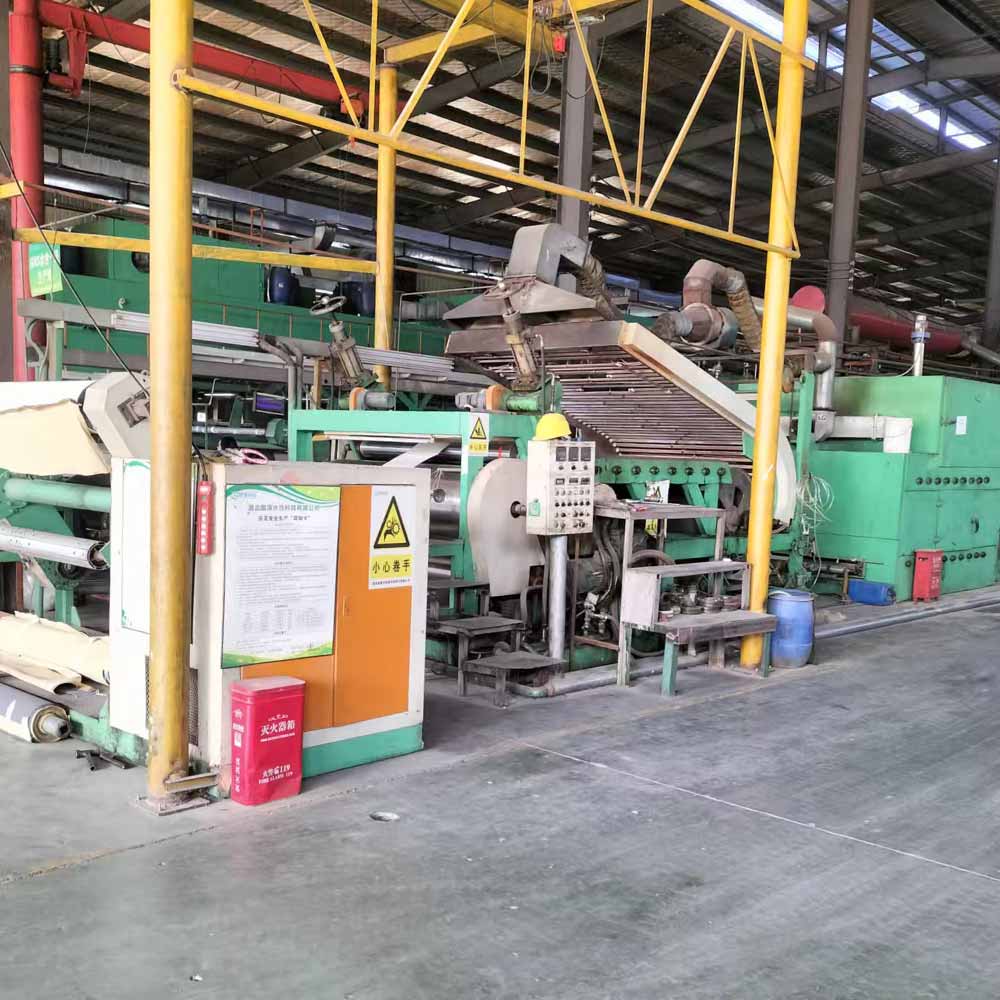
Mesin embosser menerapkan tekanan dan suhu terkontrol untuk mentransfer pola bertekstur ke permukaan material yang biasanya terbuat dari PVC, PU, atau kulit serat mikro.
Prosesnya melibatkan:
- Roller embossing yang dipanaskan diukir dengan pola tertentu
- Roller tekanan untuk memastikan kontak yang konsisten
- Sistem kontrol suhu
- Pengaturan kecepatan garis
- Bagian pendingin untuk stabilisasi pola
Jika Anda mengevaluasi mesin embosser untuk lini produksi Anda, Anda perlu memahami bahwa kualitas roller, stabilitas tekanan, dan konsistensi termal menentukan keseragaman produk akhir.
Bagaimana Embossing Mempengaruhi Nilai Produk
Mari kita lihat contoh praktisnya.
Studi Kasus: Upgrade Dari Butir Dasar ke Tekstur Kustom
Sebuah pabrik kulit sintetis berukuran sedang yang memasok produsen sofa lokal memperhatikan tekanan harga dari pesaing. Kualitas produk mereka stabil tetapi secara visual mirip dengan impor berbiaya rendah.
Alih-alih menurunkan harga, mereka berinvestasi di:
- Dua rol embossing terukir baru
- Sistem kontrol tekanan yang dapat disesuaikan
- Peningkatan keseragaman suhu
Dalam waktu 12 bulan:
- Mereka memperkenalkan lima pola tekstur baru
- Harga jual rata-rata meningkat sebesar 8 ͬ12%
- Retensi pelanggan meningkat secara signifikan
Investasi tersebut terbayar kembali dalam waktu kurang dari dua tahun karena embossing memungkinkan diferensiasi dibandingkan persaingan harga.
Faktor Teknis Utama yang Harus Anda Evaluasi
Saat memilih mesin embosser, jangan fokus hanya pada harga. Evaluasi parameter penting ini:
| Parameter | Mengapa Itu Penting | Risiko jika Dikendalikan dengan Buruk |
|---|---|---|
| Presisi Ukiran Rol | Mendefinisikan kejernihan tekstur | Pola kabur atau tidak rata |
| Stabilitas Suhu | Memastikan pelunakan material yang tepat | Kedalaman tidak konsisten |
| Keseragaman Tekanan | Mencegah variasi ketebalan | Distorsi permukaan |
| Sinkronisasi Kecepatan Garis | Menjaga akurasi pola | Peregangan atau ketidakselarasan |
| Efisiensi Pendinginan | Memperbaiki tekstur secara permanen | Relaksasi pola |
Kontrol suhu sangat penting karena bahan PVC dan PU merespons panas secara berbeda. Pedoman peraturan tentang keamanan bahan dan pemrosesan polimer dapat ditinjau melalui organisasi seperti Badan Bahan Kimia Eropa, yang menguraikan prinsip penanganan polimer yang aman.
Jenis Mesin Embosser Untuk Produksi Kulit
Anda mungkin menemukan beberapa konfigurasi tergantung pada skala produksi:
1. Embosser Single-Roller
- Cocok untuk jalur skala menengah
- Pola butir dasar
- Hemat biaya
2. Double-Roller Precision Embosser
- Distribusi tekanan yang lebih baik
- Tekstur definisi tinggi
- Ideal untuk bahan kelas otomotif
3. Sistem Embossing Sabuk Baja
- Kemampuan permukaan 3D tingkat lanjut
- Distribusi tekanan stabil
- Cocok untuk bahan dekoratif premium
Pilihan Anda tergantung pada:
- Target pasar
- Volume keluaran tahunan
- Kompleksitas tekstur yang diinginkan
- Keterbatasan anggaran
Permintaan Global untuk Permukaan Sintetis Bertekstur
Preferensi konsumen untuk desain permukaan yang realistis terus meningkat. Menurut pelacakan permintaan material dari Portal Data Manufaktur Bank Dunia, output manufaktur di daerah berkembang terus berkembang, meningkatkan permintaan untuk bahan yang hemat biaya namun menarik secara visual.
Perabotan, interior otomotif, dan sektor tempat duduk laut semuanya membutuhkan sentuhan akhir yang bertekstur.
Jika pabrik Anda tidak memiliki kemampuan embossing, Anda membatasi kategori produk Anda.
Pertimbangan Biaya-Manfaat untuk Anda
Saat menghitung laba atas investasi, pertimbangkan:
- Biaya rol embossing
- Pemanasan konsumsi energi
- Frekuensi pemeliharaan
- Peningkatan potensi harga produk
Contoh skenario ROI:
| Barang | Value |
|---|---|
| Investasi mesin embosser | $250,000 |
| Margin tambahan per meter | $0.15 |
| Produksi tahunan | 2 juta meter |
| Keuntungan tambahan tahunan | $300,000 |
| Perkiraan periode pengembalian | < 1 tahun |
Bahkan asumsi konservatif sering menunjukkan peningkatan embossing terbayar dengan cepat jika volume penjualan stabil.
Integrasi Dengan Lini Produksi Anda yang Ada
Jika Anda sudah mengoperasikan jalur PVC atau PU, Anda harus memeriksa:
- Panjang instalasi yang tersedia
- Kapasitas catu daya
- Sistem air pendingin
- Mekanisme perubahan roller
- Kompatibilitas sistem kontrol
Integrasi otomasi modern meningkatkan kinerja. Praktik optimasi proses industri yang dijelaskan oleh organisasi seperti Organisasi Internasional untuk Standardisasi tekankan sistem kontrol yang konsisten untuk mengurangi variabilitas.
Strategi Pemeliharaan untuk Stabilitas Jangka Panjang
Rol embossing adalah komponen presisi. Untuk melindungi investasi Anda:
- Hindari kontaminasi permukaan
- Pantau penyelarasan rol
- Pertahankan kalibrasi suhu yang stabil
- Jadwalkan pemeriksaan berkala
- Ganti komponen tekanan yang aus dengan segera
Pemeliharaan yang buruk menyebabkan kedalaman butir yang tidak konsisten, peningkatan laju sisa, dan biaya jangka panjang yang lebih tinggi.
Tren yang Muncul dalam Teknologi Mesin Embosser
1. Ukiran Tekstur Digital
Ukiran CNC tingkat lanjut meningkatkan realisme tekstur dan kemampuan pengulangan.
2. Sistem Perubahan Cepat Multi-Pola
Penggantian roller yang lebih cepat memungkinkan proses produksi yang lebih pendek dan pesanan yang disesuaikan.
3. Pemanasan Hemat Energi
Sistem modern mengurangi konsumsi energi per meter, meningkatkan keberlanjutan.
Praktik efisiensi energi didukung oleh pedoman dari Badan Energi Internasional, yang menyoroti optimalisasi energi industri sebagai prioritas global.
Kesalahan Umum yang Harus Dihindari
Jika Anda baru mengenal investasi peralatan embossing, hindari perangkap ini:
- Memilih ukiran rol berkualitas rendah
- Mengabaikan kalibrasi suhu
- Meremehkan persyaratan pendinginan
- Membeli peralatan berukuran besar untuk permintaan saat ini
- Mengabaikan pelatihan operator
Mesin embosser hanya seefektif kontrol proses di belakangnya.
Daftar Periksa Praktis Sebelum Membeli
Sebelum menyelesaikan pembelian Anda, konfirmasikan:
- Jenis bahan target (PVC, PU, microfiber)
- Kedalaman tekstur yang dibutuhkan
- Kompatibilitas lebar roller
- Output harian yang diharapkan
- Tingkat konsumsi energi
- Ketersediaan dukungan pemeliharaan
Meminta uji coba produksi sampel bila memungkinkan. Kejelasan tekstur harus diperiksa di bawah pencahayaan langsung dan inspeksi sentuhan.
Bagaimana Mesin Embosser Memperkuat Posisi Kompetitif Anda
Di pasar, diferensiasi sangat penting.
Jika produk Anda:
- Terasa lebih realistis
- Memiliki tekstur yang lebih tajam
- Menawarkan pola butiran yang unik
- Mempertahankan konsistensi batch demi batch
Anda mendapatkan kekuatan harga.
Embossing bukan hanya dekorasi permukaan — itu adalah upgrade strategis yang mempengaruhi persepsi pelanggan dan kontrak jangka panjang.
Kesimpulan
Jika Anda berinvestasi dalam lini produksi kulit, mesin embosser tidak boleh diperlakukan sebagai aksesori opsional. Ini adalah tahap yang mengubah bahan dasar fungsional menjadi produk jadi yang kompetitif.
Kesuksesan Anda akan tergantung pada:
- Peralatan presisi
- Kontrol proses yang stabil
- Posisi pasar yang strategis
- Output kualitas yang konsisten
Ketika benar terintegrasi, mesin embosser menjadi lebih dari komponen mekanik — itu menjadi penguat keuntungan dalam sistem produksi Anda.
Bagi produsen yang mencari diferensiasi jangka panjang di pasar kulit sintetis, kemampuan embossing bukanlah suatu kemewahan. Itu adalah kebutuhan.
FAQ
Bahan apa yang bisa diproses oleh mesin embosser?
PVC, PU, kulit sintetis microfiber, dan bahan tekstil berlapis lainnya.
Berapa lama roller embossing bertahan?
Dengan perawatan yang tepat, rol dapat beroperasi secara efektif selama bertahun-tahun tergantung pada volume produksi.
Apakah embossing meningkatkan biaya produksi secara signifikan?
Biaya energi dan pemeliharaan sedikit meningkat, namun penetapan harga produk yang lebih baik sering kali mengimbangi biaya-biaya tersebut.
Apakah kedalaman embossing dapat disesuaikan?
Ya. Pengaturan tekanan dan suhu mengontrol kedalaman tekstur.
Apakah embossing cocok untuk bahan kelas otomotif?
Ya, terutama ketika rol presisi dan sistem suhu stabil digunakan.
Seberapa sering rol harus diperiksa?
Jadwal pemeriksaan rutin harus didasarkan pada intensitas produksi, biasanya bulanan atau triwulanan.