Daftar Isi
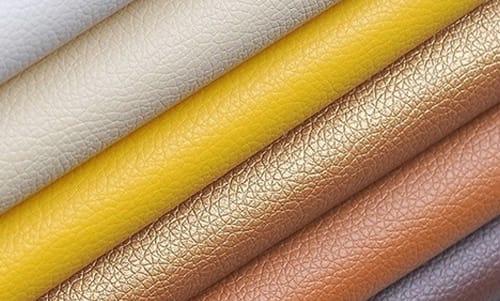
Permintaan global untuk kulit sintetis berkinerja tinggi terus tumbuh karena produsen mencari bahan yang menggabungkan daya tahan, kelembutan, dan sirkulasi udara. Di antara berbagai teknologi produksi, Proses Basah PU Leather Manufacturing Line tetap menjadi salah satu solusi yang paling maju secara teknis dan kompetitif secara komersial untuk memproduksi kulit poliuretan premium.
Jika Anda berencana untuk berinvestasi dalam jalur produksi baru atau meningkatkan pabrik yang sudah ada, memahami cara kerja jalur proses basah dan cara memilih konfigurasi yang tepat sangat penting. Panduan ini akan memandu Anda melalui proses produksi penuh, peralatan inti, struktur biaya, pertimbangan lingkungan, tren otomatisasi, dan faktor pengambilan keputusan strategis. Pada akhirnya, Anda akan memiliki kerangka teknis dan komersial yang jelas untuk mengevaluasi investasi Anda dengan percaya diri.
Introduction
Kulit PU proses basah dikenal luas karena struktur mikroporinya, yang meningkatkan sirkulasi udara dan memberi bahan nuansa tangan yang lebih alami. Dibandingkan dengan kulit PU proses kering, ia menawarkan fleksibilitas dan kenyamanan yang lebih baik, membuatnya cocok untuk pelapis kelas atas, alas kaki, dan interior otomotif.
Menurut penelitian industri yang diterbitkan oleh analis pasar polimer global dalam beberapa tahun terakhir, kulit sintetis berbasis poliuretan terus mengalami pertumbuhan tahunan yang stabil karena meningkatnya permintaan akan alternatif ringan dan tahan lama untuk kulit alami. Teknologi proses basah memainkan peran utama dalam pertumbuhan ini karena kemampuannya untuk menghasilkan bahan berkinerja tinggi dengan kualitas yang konsisten.
Bagi produsen, ini berarti satu hal: berinvestasi dalam Proses Basah yang andal PU Leather Manufacturing Line bukan hanya tentang kapasitas produksi; ini tentang tetap kompetitif di pasar yang didorong oleh kinerja.
Apa Itu Proses Basah PU Leather Manufacturing Line?
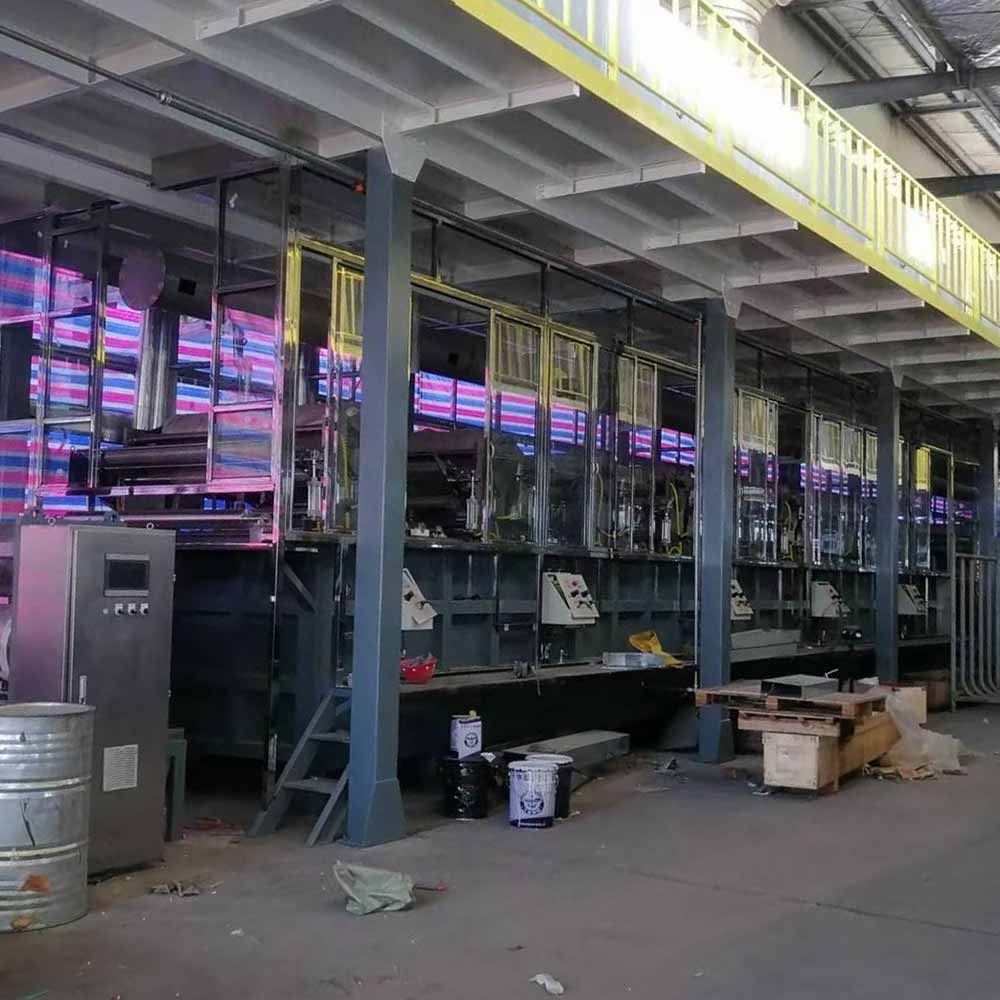
Sebuah Proses Basah PU Leather Manufacturing Line adalah sistem industri berkelanjutan yang dirancang untuk menghasilkan kulit sintetis poliuretan menggunakan proses koagulasi. Secara sederhana, resin PU yang dilarutkan dalam pelarut dilapisi ke kain dasar dan kemudian dilewatkan melalui bak koagulasi, di mana air memicu pemisahan fase dan membentuk struktur mikropori.
Tidak seperti produksi proses kering, yang terutama bergantung pada penguapan pelarut, proses basah produksi melibatkan reaksi kimia dan fisik yang terkontrol. Ini menghasilkan sirkulasi udara dan kelembutan yang unggul.
Keuntungan utama meliputi:
- Peningkatan permeabilitas udara
- Peningkatan fleksibilitas dan kelembutan
- Ikatan yang kuat antara lapisan dan substrat
- Kemampuan beradaptasi yang lebih baik untuk aplikasi kelas atas
Memahami karakteristik ini membantu Anda memposisikan produk Anda dengan benar di pasar.
Perincian Proses Produksi Lengkap
Untuk membuat keputusan yang tepat, Anda perlu memahami setiap tahap dari Proses Basah PU Leather Manufacturing Line.
Sistem Makan Kain Dasar
Prosesnya dimulai dengan memberi makan kain dasar ke dalam garis. Sistem kontrol tegangan memastikan keselarasan yang konsisten dan mencegah kerutan.
Persiapan dan Pencampuran Resin PU
Resin poliuretan dicampur dengan pelarut dan aditif. Kontrol viskositas pada tahap ini secara langsung mempengaruhi ketebalan lapisan dan tekstur akhir.
Bagian Pelapisan
Campuran resin secara merata diterapkan pada kain menggunakan peralatan pelapisan presisi. Kontrol ketebalan di sini sangat penting untuk keseragaman produk.
Sistem Tangki Koagulasi
Ini adalah inti dari proses basah. Ketika kain dilapisi memasuki bak air, pertukaran pelarut terjadi. Air menyebabkan pemisahan fase, menciptakan struktur mikropori yang mendefinisikan proses basah kulit PU.
Pencucian dan Penghapusan Pelarut
Beberapa tahap pencucian menghilangkan sisa pelarut. Pencucian yang efisien mengurangi dampak lingkungan dan meningkatkan keamanan produk.
Meremas dan Dehidrasi
Kelebihan air dihilangkan secara mekanis untuk menyiapkan bahan untuk pengeringan.
Pengeringan dan Curing
Pemanasan terkendali menghilangkan sisa kelembaban dan menstabilkan struktur polimer.
Finishing Permukaan dan Embossing
Tergantung pada kebutuhan produk, embossing atau perawatan permukaan meningkatkan tekstur dan penampilan.
Setiap tahap harus disinkronkan secara tepat. Ketidakseimbangan kecil dalam suhu, kecepatan, atau konsentrasi dapat mempengaruhi kualitas produk akhir.
Peralatan Utama dalam Proses Basah PU Leather Manufacturing Line
Sebuah baris lengkap biasanya mencakup:
- Mesin pelapis dengan kontrol celah yang dapat disesuaikan
- Mandi koagulasi dengan pengaturan suhu
- Unit pencucian multi-tahap
- Mesin meremas
- Sistem oven pengeringan dengan zona pemanasan tersegmentasi
- Sistem pemulihan DMF
- Otomatisasi berbasis PLC dan sistem kontrol tegangan
Tingkat integrasi sistem ini menentukan efisiensi dan konsistensi secara keseluruhan.
Memahami Proses Koagulasi Secara Mendalam
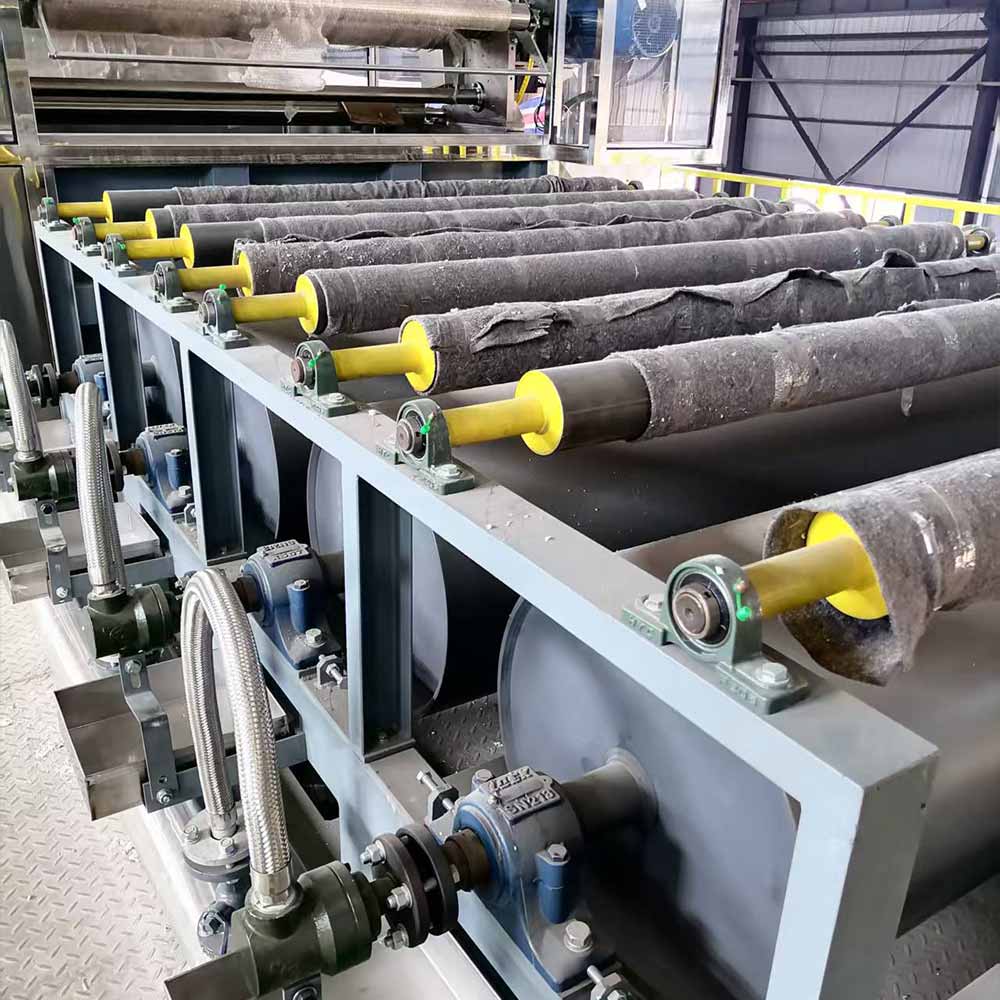
Tahap koagulasi inilah yang membedakan teknologi proses basah dengan metode lainnya.
Ketika larutan resin PU kontak dengan air, pelarut berdifusi ke luar sementara air berdifusi ke dalam. Pertukaran ini memicu presipitasi polimer, membentuk mikropori yang saling berhubungan. Struktur mempengaruhi:
- Breathability
- Kekuatan mekanik
- Kelembutan permukaan
Faktor-faktor kunci yang mempengaruhi kualitas meliputi:
- Suhu air
- Kecepatan garis
- Viskositas resin
- Konsentrasi pelarut
Kontrol yang tepat memastikan pembentukan pori yang stabil. Jalur lanjutan menggabungkan pemantauan otomatis untuk mengurangi variasi.
Kapasitas Produksi dan Spesifikasi Teknis
Kapasitas produksi tergantung pada lebar garis, kecepatan, dan efisiensi pengeringan. Tabel berikut memberikan referensi teknis yang disederhanakan untuk operasi skala menengah hingga besar:
| Parameter | Rentang Khas |
|---|---|
| Lebar Garis | 1370͕2000 mm |
| Kecepatan Produksi | 5́25 meter/min |
| Output Harian | 8,000͕30,000 meter |
| Suhu Pengeringan | 80͕150°C |
| Suhu Mandi Koagulasi | 20͕35°C |
Kinerja aktual bervariasi tergantung pada konfigurasi dan spesifikasi produk.
Ketika merencanakan kapasitas, pertimbangkan tidak hanya permintaan saat ini tetapi juga potensi ekspansi di masa depan.
Biaya Investasi dan Analisis ROI
Investasi dalam Proses Basah PU Leather Manufacturing Line melibatkan beberapa kategori biaya:
- Mesin inti
- Instalasi dan commissioning
- Sistem utilitas
- peralatan pemulihan DMF
- Pemeliharaan dan suku cadang
Tolok ukur biaya industri menunjukkan bahwa mesin menyumbang sebagian besar belanja modal awal, namun efisiensi operasional menentukan profitabilitas jangka panjang.
ROI dipengaruhi oleh:
- Positioning nilai produk
- Stabilitas produksi
- Konsumsi energi
- Tingkat pemulihan pelarut
Pabrik yang menerapkan sistem daur ulang pelarut sering mengurangi konsumsi pelarut mentah secara signifikan, meningkatkan efisiensi biaya dari waktu ke waktu.
Pemulihan DMF dan Kepatuhan Lingkungan
Dimethylformamide (DMF) umumnya digunakan sebagai pelarut dalam proses basah produksi PU. Sistem pemulihan yang efisien sangat penting untuk kedua kepatuhan lingkungan dan pengurangan biaya.
Sistem pemulihan yang khas menangkap uap pelarut selama tahap pengeringan dan pencucian, mengembunkannya, dan memurnikannya untuk digunakan kembali.
Manfaatnya meliputi:
- Biaya pembelian pelarut yang lebih rendah
- Mengurangi emisi
- Peningkatan keselamatan di tempat kerja
- Kepatuhan peraturan
Menurut data rekayasa lingkungan dari studi manajemen pelarut industri, sistem pemulihan efisiensi tinggi dapat memperoleh kembali sebagian besar pelarut yang digunakan dalam produksi, sehingga secara signifikan menurunkan biaya operasional.
Otomasi dan Tren Manufaktur Cerdas
Proses Basah Modern PU Sistem Lini Manufaktur Kulit semakin terintegrasi dengan kontrol digital.
Sistem PLC memungkinkan operator untuk:
- Pantau suhu dan kecepatan saluran secara real time
- Sesuaikan ketebalan lapisan secara otomatis
- Catat data produksi untuk analisis kualitas
Manufaktur cerdas meningkatkan ketertelusuran dan mengurangi waktu henti. Sistem pemeliharaan prediktif mendeteksi anomali sebelum kegagalan terjadi, mencegah gangguan yang mahal.
Jika Anda merencanakan investasi jangka panjang, otomatisasi tidak boleh dianggap opsional.
Cara Memilih Proses Basah yang Tepat PU Leather Manufacturing Line
Memilih jalur yang tepat membutuhkan keseimbangan pertimbangan teknis dan komersial.
Mulailah dengan mendefinisikan:
- Aplikasi produk target
- Kapasitas produksi yang dibutuhkan
- Tingkat otomatisasi
- Keterbatasan anggaran
Evaluasi pemasok berdasarkan:
- Keahlian teknis
- Dukungan teknik
- Kemampuan kustomisasi
- Layanan purna jual
Anda juga harus meminta data validasi kinerja dan, jika mungkin, mengamati proses produksi percobaan.
Tantangan dan Solusi Produksi Umum
Bahkan jalur lanjutan pun bisa menghadapi tantangan.
Ketebalan lapisan tidak merata
Solusi: Tingkatkan kontrol presisi dan tingkatkan manajemen viskositas.
Cacat permukaan
Solusi: Optimalkan suhu koagulasi dan pertahankan sistem pencucian yang bersih.
Residu pelarut yang berlebihan
Solusi: Meningkatkan tahapan pencucian dan meningkatkan efisiensi pemulihan.
Konsumsi energi tinggi
Solusi: Menerapkan kontrol pemanasan tersegmentasi dan sistem pengeringan hemat energi.
Mengatasi tantangan-tantangan ini secara sistematis memastikan operasi jangka panjang yang stabil.
Aplikasi Proses Basah PU Kulit
Proses basah PU kulit banyak digunakan dalam:
- Bahan pelapis
- Interior otomotif
- Komponen alas kaki
- Bahan pelindung industri
Keseimbangan kenyamanan dan daya tahannya membuatnya cocok untuk aplikasi yang digerakkan oleh kinerja.
Instalasi, Commissioning, dan Dukungan Purna Jual
Instalasi biasanya melibatkan:
- Positioning peralatan
- Koneksi utilitas
- Kalibrasi
- Produksi percobaan
Pelatihan komprehensif memastikan operator memahami kontrol parameter dan prosedur pemeliharaan. Dukungan teknis jangka panjang sangat penting untuk mempertahankan produktivitas.
Kesimpulan
Berinvestasi dalam Proses Basah PU Leather Manufacturing Line membutuhkan lebih dari membandingkan harga peralatan. Anda harus memahami teknologinya, mengevaluasi biaya operasi jangka panjang, dan menyelaraskan kemampuan mesin dengan permintaan pasar.
Ketika dirancang dan dipelihara dengan benar, lini produksi proses basah memberikan kualitas yang konsisten, kepatuhan lingkungan, dan potensi profitabilitas yang kuat. Dengan berfokus pada presisi teknis, integrasi otomatisasi, dan perencanaan strategis, Anda memposisikan pabrik Anda untuk pertumbuhan berkelanjutan di pasar kulit sintetis yang kompetitif.
Membuat keputusan yang tepat hari ini akan menentukan efisiensi produksi dan posisi pasar Anda di tahun-tahun mendatang.
FAQ
Peralatan apa saja yang termasuk dalam a Proses Basah PU Kulit Manufacturing Line?
Garis penuh mencakup sistem pelapisan, koagulasi, pencucian, pengeringan, pemulihan, dan kontrol.
Berapa biaya satu baris lengkap?
Biaya tergantung pada kapasitas, tingkat otomatisasi, dan konfigurasi.
Kapasitas produksi apa yang harus saya pilih?
Kapasitas harus sesuai dengan proyeksi permintaan dan ruang untuk pertumbuhan di masa depan.
Apakah kustomisasi tersedia?
Sebagian besar produsen menawarkan solusi yang disesuaikan berdasarkan kebutuhan produk.
Berapa lama instalasi?
Waktu instalasi bervariasi tergantung pada skala proyek dan kompleksitas teknis.
Berapa umur peralatan tersebut?
Dengan perawatan yang tepat, peralatan industri dapat beroperasi dengan andal selama bertahun-tahun.
Butuh Bantuan Memilih Proses Basah yang Tepat PU Leather Manufacturing Line?
Jika Anda tidak yakin lini produksi mana yang terbaik untuk kebutuhan pabrik atau produk Anda, pakar kami siap memandu Anda. Hubungi kami hari ini untuk konsultasi yang dipersonalisasi, dan pastikan lini produksi kulit Anda memberikan kualitas, efisiensi, dan profitabilitas yang konsisten. Jangan menunggu — hubungi sekarang untuk mengoptimalkan pabrik Anda dan tetap terdepan di pasar kulit sintetis!