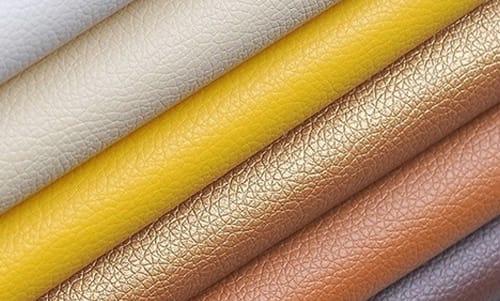
Dalam industri kulit sintetis saat ini, Anda tidak lagi bersaing hanya pada output — Anda bersaing pada stabilitas proses, kepatuhan lingkungan, dan konsistensi produk.
Di antara semua metode pembuatan kulit PU, proses basah telah menjadi salah satu teknologi terpenting yang paling strategis bagi pabrik yang bertujuan untuk menghasilkan bahan kulit sintetis berkualitas tinggi, bernapas, dan seragam.
Jika Anda berencana untuk meningkatkan lini produksi Anda atau meningkatkan kualitas keluaran Anda saat ini, pahami caranya a PU proses basah lini produksi kulit pekerjaan sangat penting untuk dilakukan tidak hanya pada tingkat mesin, namun pada tingkat rekayasa sistem penuh.
Daftar Isi
Mengapa Proses Basah PU Menjadi Tren Utama dalam Manufaktur Kulit
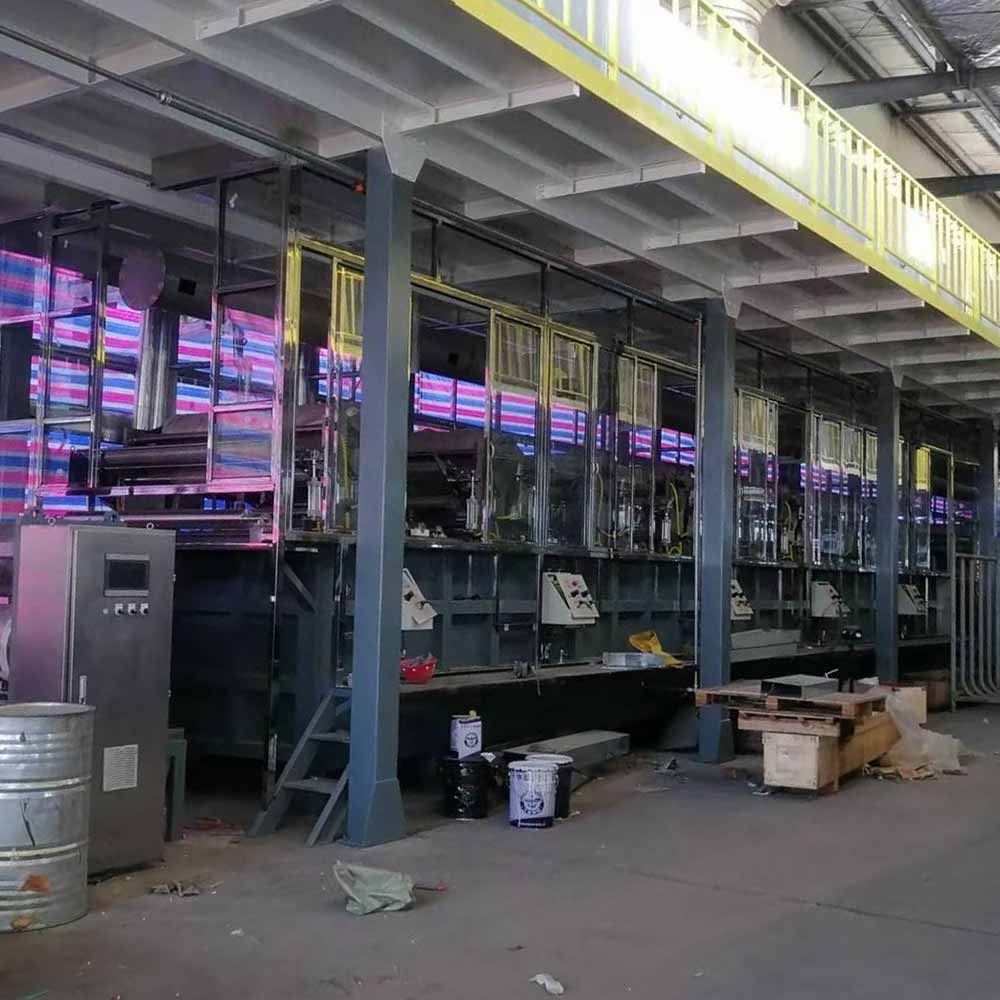
Selama dekade terakhir, industri kulit sintetis global telah bergeser ke arah sistem produksi yang lebih terkendali dan dioptimalkan untuk lingkungan.
Menurut wawasan industri yang diterbitkan oleh ilmu material dan platform penelitian pengolahan polimer seperti ScienceDirect dan ResearchGate, proses basah sistem PU secara luas diakui untuk kemampuan mereka untuk menghasilkan:
- Struktur berpori mikro yang lebih seragam
- Peningkatan sirkulasi udara dibandingkan dengan metode pelapisan tradisional
- Konsistensi permukaan yang lebih baik dalam produksi berkelanjutan
Tidak seperti sistem kering atau pelarut-berat, proses basah menggunakan teknologi koagulasi terkontrol untuk membentuk struktur lapisan PU yang stabil.
Hal ini sangat penting jika Anda menargetkan aplikasi bernilai tinggi seperti interior otomotif, pelapis furnitur, dan bahan alas kaki premium.
Bagaimana PU Wet Process Line Produksi Kulit Sebenarnya Bekerja
Untuk membantu Anda memahami sistem sepenuhnya, mari kita memecahnya menjadi perspektif alur kerja industri nyata daripada definisi sederhana.
Langkah 1: Aplikasi Pelapisan
Anda mulai dengan menerapkan solusi PU ke kertas rilis atau langsung ke kain substrat. Lapisan harus seragam karena setiap variasi ketebalan akan secara langsung mempengaruhi pembentukan pori-pori nanti.
Langkah 2: Koagulasi dalam Mandi Basah
Bahan yang dilapisi memasuki bak koagulasi tempat terjadinya pertukaran pelarut.
Pada tahap ini:
- PU memadat secara bertahap
- Pori-pori mikro mulai terbentuk
- Integritas struktural mulai berkembang
Ini adalah langkah paling kritis dari keseluruhan proses.
Langkah 3: Pencucian dan Netralisasi
Setelah koagulasi, bahan dicuci untuk menghilangkan sisa pelarut dan stabilisator.
Langkah ini memastikan:
- Kimia permukaan bersih
- Peningkatan keamanan material
- Daya tahan jangka panjang yang lebih baik
Langkah 4: Sistem Pengeringan
Bahan basah melewati sistem oven pengeringan yang terkontrol.
Di sini, keseimbangan suhu sangat penting:
- Terlalu cepat → retak permukaan
- Terlalu lambat → produksi tidak efisien
Langkah 5: Finishing dan Perawatan Permukaan
Terakhir, lapisan embossing, coating, atau finishing diterapkan tergantung pada aplikasi akhir.
Dimana Teknologi Proses Basah PU Menciptakan Nilai Paling Besar
Anda tidak boleh melihat sistem ini hanya sebagai metode produksi lain. Ini sebenarnya adalah platform rekayasa material.
Industri yang paling diuntungkan antara lain:
- Bahan interior otomotif
- Pelapis furnitur kelas atas
- Produk kulit sintetis bernapas
- Bahan fashion dan alas kaki
Keuntungan utamanya terletak pada pembentukan struktur mikro yang dapat dikontrol, yang secara langsung mempengaruhi kenyamanan dan daya tahan.
Integrasi Sistem Internal dalam Jalur Proses Basah Modern
Lini produksi kulit proses basah PU lengkap bukanlah mesin tunggal. Ini adalah sistem yang sepenuhnya disinkronkan.
Dalam konfigurasi modern, sistem produksi Anda dapat mencakup:
- Unit pelapis PU
- Sistem mandi koagulasi
- Sistem pencucian multi-tahap
- Oven pengeringan presisi
- Modul finishing permukaan
Anda dapat menjelajahi sistem terkait di sini:
- PU Proses Basah Line Produksi Sistem Halaman
- Halaman Ikhtisar Mesin Pengolah Kulit
- Solusi Produksi Kulit Sintetis
Sistem ini harus beroperasi secara tersinkronisasi untuk memastikan kualitas keluaran yang stabil.
Studi Kasus: Meningkatkan Stabilitas Fasilitas Produksi Skala Menengah
Sebuah produsen kulit sintetis yang memproduksi bahan untuk pelapis furnitur mengalami masalah berulang:
- Distribusi pori-pori yang tidak merata
- Ketidakkonsistenan kekakuan permukaan
- Tingkat penolakan yang tinggi pada tahap finishing
Setelah upgrade ke sistem produksi proses basah yang terkendali, perbaikan dapat diukur:
- Tingkat cacat berkurang sekitar 30%
- Keseragaman material meningkat secara signifikan
- Stabilitas produksi meningkat dalam pengoperasian berkelanjutan
Faktor kuncinya bukan sekadar meningkatkan mesin tetapi meningkatkan sinkronisasi proses antara tahap pelapisan, koagulasi, dan pengeringan.
Perbandingan: Proses Basah vs Metode Produksi PU Lainnya
| Fitur | Proses Basah | Proses Kering | Proses Bebas Pelarut |
|---|---|---|---|
| Breathability | High | Medium | Medium |
| Keseragaman Permukaan | Sangat Tinggi | High | High |
| Pengendalian Lingkungan | Medium | Medium | High |
| Stabilitas Produksi | High | High | Medium |
| Rentang Aplikasi | Premium material | Penggunaan umum | Produk yang berfokus pada lingkungan |
Perbandingan ini menunjukkan mengapa sistem proses basah masih banyak digunakan dalam aplikasi berkinerja tinggi.
Wawasan Teknis: Mengapa Struktur Pori Mikro Penting
Proses basahnya unik karena menciptakan struktur mikropori yang terkontrol di dalam lapisan PU.
Struktur ini secara langsung mempengaruhi:
- Permeabilitas udara
- Kelembutan
- Fleksibilitas
- Daya tahan jangka panjang
Penelitian dalam ilmu polimer (termasuk publikasi yang diindeks di ScienceDirect) menunjukkan bahwa bahan berpori mikro dapat secara signifikan meningkatkan kinerja kenyamanan dalam aplikasi kulit sintetis dibandingkan dengan film polimer padat.
Pertimbangan Energi dan Lingkungan
Manufaktur modern semakin fokus pada keberlanjutan.
Sistem proses basah dapat dioptimalkan dengan:
- Sirkulasi air loop tertutup
- Sistem pemulihan pelarut
- Modul pengeringan hemat energi
Badan lingkungan seperti European Chemicals Agency (ECHA) menekankan pengurangan emisi pelarut dalam produksi bahan sintetis, yang telah mendorong inovasi dalam desain sistem proses basah.
Referensi YouTube: Ikhtisar Produksi Kulit Proses Basah
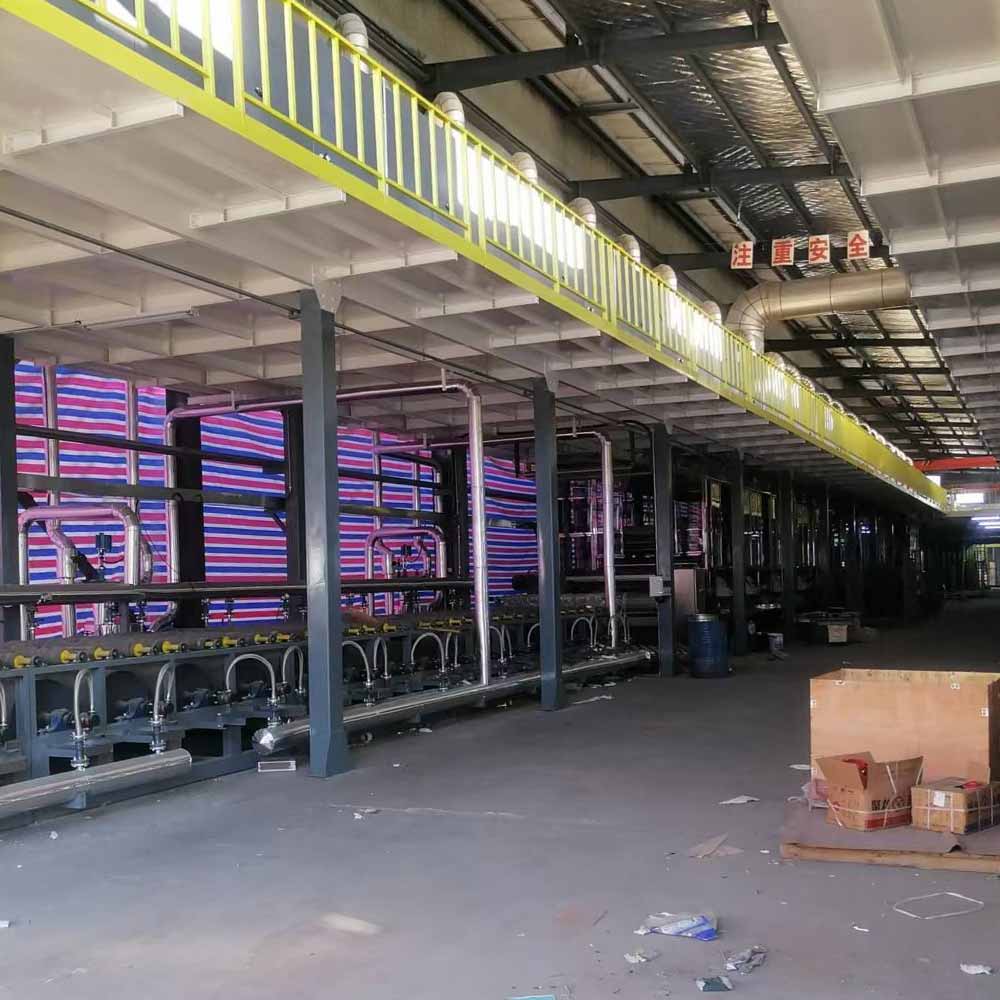
Untuk pemahaman visual tentang bagaimana sistem proses basah beroperasi di pabrik nyata, Anda dapat menjelajahi:
Ini membantu Anda memahami koordinasi antara tahap pelapisan, koagulasi, dan pengeringan di lingkungan industri nyata.
Masalah Umum dalam Produksi Proses Basah PU
Bahkan dengan sistem canggih, tantangan masih bisa terjadi:
Koagulasi Tidak Merata
Biasanya disebabkan oleh konsentrasi mandi yang tidak konsisten atau ketidakstabilan suhu.
Kekuatan Permukaan yang Buruk
Seringkali terkait dengan pencucian yang tidak tepat atau sisa pelarut.
Cacat Pengeringan
Terjadi ketika distribusi aliran udara tidak seimbang.
Penyusutan Material
Terkait dengan kontrol tegangan yang tidak stabil selama pemrosesan.
Bagaimana Anda Dapat Mengoptimalkan Lini Produksi Kulit Proses Basah PU Anda
Jika Anda ingin meningkatkan efisiensi dan kualitas produk, fokuslah pada:
- Menstabilkan kimia mandi
- Meningkatkan zonasi suhu
- Meningkatkan keseimbangan aliran udara pengeringan
- Mengotomatiskan kontrol ketegangan
- Memantau parameter proses waktu nyata
Perbaikan kecil di setiap tahap dapat secara signifikan meningkatkan stabilitas produksi secara keseluruhan.
Arah Industri: Ke Mana Teknologi Proses Basah Menuju
Tren perkembangan di masa depan meliputi:
- Sistem koagulasi yang sepenuhnya otomatis
- Pemantauan proses berbasis AI
- Formulasi PU rendah emisi
- Sistem produksi kering basah hibrida
- Teknologi pengeringan yang dioptimalkan energi
Tren ini membentuk kembali bagaimana pabrik modern merancang sistem produksi.
Kesimpulan
PU Wet Process Leather Production Line bukan hanya sistem manufaktur — itu adalah proses rekayasa material yang dikontrol secara presisi.
Jika Anda memahami bagaimana setiap tahap berinteraksi, Anda dapat secara dramatis meningkatkan konsistensi produk, mengurangi cacat, dan memposisikan pabrik Anda untuk pasar bernilai lebih tinggi.
Bagi produsen yang bertujuan untuk beralih dari produksi dasar ke manufaktur kulit sintetis yang canggih, menguasai proses basah merupakan keuntungan strategis.
FAQ
Apa yang PU proses basah lini produksi kulit digunakan untuk?
Ini banyak digunakan dalam interior otomotif, furnitur, alas kaki, dan produk kulit sintetis yang dapat bernapas.
Apa yang membuat proses basah berbeda dari proses kering?
Proses basah menciptakan struktur berpori mikro, sedangkan proses kering berfokus pada pelapisan film dan penguapan.
Apakah lini produksi kulit proses basah PU lebih bernapas?
Ya, karena struktur berpori internalnya.
Industri apa yang paling diuntungkan dari lini produksi kulit proses basah PU?
Aplikasi kulit sintetis otomotif, furnitur, dan berkinerja tinggi.
Apakah produksi proses basah dapat diotomatisasi?
Ya, sistem modern semakin mengintegrasikan otomatisasi dan sistem kontrol real-time.