Dalam manufaktur tekstil dan nonwoven modern, efisiensi tidak lagi ditentukan hanya oleh kecepatan produksi. Ini ditentukan oleh seberapa baik Anda dapat mengubah bahan serat mentah atau daur ulang menjadi input yang seragam, dapat digunakan, dan berkualitas tinggi untuk proses hilir.
Di sinilah tepatnya a mesin pembuka kain mesh menjadi bagian penting dari sistem produksi Anda.
Jika Anda bekerja di daur ulang tekstil, produksi nonwoven, pembuatan bahan isian, atau proses persiapan serat, Anda sudah tahu satu hal: pembukaan serat yang tidak konsisten secara langsung mempengaruhi kualitas produk akhir Anda.
Artikel ini akan membantu Anda memahami cara kerja teknologi pembukaan kain mesh, mengapa itu penting, dan bagaimana Anda dapat mengintegrasikannya ke dalam sistem produksi berkinerja tinggi.
Daftar Isi
Mengapa Teknologi Pembukaan Serat Telah Menjadi Proses Industri Inti
Dalam pengolahan tekstil tradisional, pembukaan serat sering diperlakukan sebagai langkah sekunder. Hari ini, telah menjadi tahap kontrol kualitas primer.
Menurut penelitian teknik tekstil yang diterbitkan pada platform seperti database ScienceDirect dan Textile Research Journal, keseragaman serat secara langsung mempengaruhi:
- Konsistensi kepadatan material
- Permeabilitas udara pada produk bukan tenunan
- Elastisitas dan ketahanan
- Daya tahan produk akhir
Ini berarti jika proses pembukaan serat Anda tidak stabil, seluruh rantai produksi Anda menjadi tidak stabil.
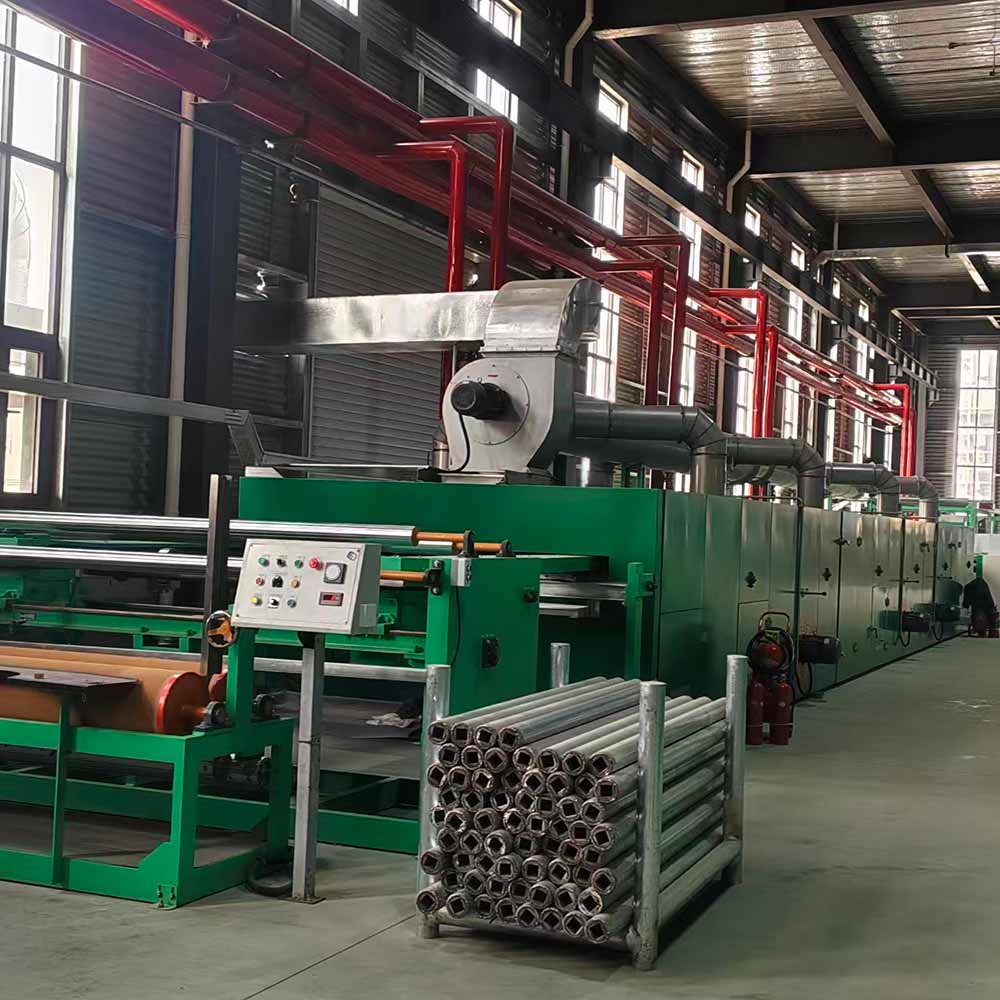
Mesin pembuka kain mesh memecahkan masalah ini dengan memecah struktur serat kompak menjadi keadaan serat yang terdistribusi secara merata, halus, dan dapat dikontrol.
Apa yang Sebenarnya Dilakukan Mesin Pembuka Kain Mesh
Untuk memahami nilainya, Anda perlu bergerak melampaui definisi dasar.
Mesin pembuka kain mesh dirancang untuk:
- Kendurkan bundel serat terkompresi
- Bahan tekstil kusut terpisah
- Meningkatkan volume dan elastisitas serat
- Siapkan bahan untuk diproses lebih lanjut
Namun dalam penggunaan industri nyata, perannya jauh lebih besar.
Ini menjadi “otak preprocessing” dari seluruh sistem produksi serat Anda.
Bagaimana Pembukaan Kain Mesh Bekerja dalam Produksi Industri
Mari kita uraikan prosesnya dalam lingkungan manufaktur yang praktis.
Langkah 1: Pemberian Bahan
Limbah tekstil mentah, blok serat, atau kain jaring dimasukkan ke dalam sistem.
Konsistensi dalam pemberian pakan penting karena masukan yang tidak teratur menyebabkan kepadatan keluaran yang tidak merata.
Langkah 2: Tindakan Pembukaan Mekanis
Di dalam mesin, rol berputar dan kekuatan mekanik yang dikendalikan secara bertahap memisahkan kelompok serat.
Tujuannya bukan memotong—itu dikendalikan melonggarkan.
Langkah 3: Distribusi dan Ekspansi Serat
Setelah serat dilonggarkan, aliran udara dan gerakan mekanis mendistribusikannya secara merata.
Tahap ini menentukan:
- Fiber fluffiness
- Rasio ekspansi volume
- Keseragaman material
Langkah 4: Stabilisasi Output
Serat yang dibuka distabilkan dan disiapkan untuk tahap berikutnya:
- Sistem carding
- Sistem pengisian
- Jalur produksi nonwoven
Aplikasi Industri yang Harus Anda Ketahui
Sebuah mesin pembuka kain mesh banyak digunakan dalam:
- Produksi kain nonwoven
- Bahan isian furnitur
- Sistem daur ulang tekstil
- Pengisian interior otomotif
- Pembuatan kasur dan bantalan
Semua industri ini bergantung pada satu faktor penting: kualitas serat yang konsisten.
Kasus Industri Nyata: Meningkatkan Keseragaman Serat dalam Produksi Daur Ulang
Sebuah fasilitas daur ulang tekstil pengolahan limbah serat campuran menghadapi masalah besar:
- Kepadatan serat tidak konsisten
- Kinerja carding hilir yang buruk
- Tingkat limbah material yang tinggi
Setelah mengintegrasikan sistem pembukaan mesh terstruktur, hasilnya adalah:
- Peningkatan yang signifikan dalam keseragaman serat
- Mengurangi penyumbatan pada mesin hilir
- Output produksi yang lebih stabil
Peningkatan utamanya bukanlah meningkatkan kecepatan tetapi mengendalikan konsistensi struktur serat.
Perbandingan: Pembukaan Serat Manual vs Pembukaan Berbasis Mesin
| Fitur | Proses Manual | Mesh Fabric Opening Machine |
|---|---|---|
| Keseragaman | Low | High |
| Efisiensi | Low | High |
| Kebutuhan Tenaga Kerja | High | Berkurang |
| Stabilitas Output | Tidak konsisten | Stabil |
| Skalabilitas | Limited | Strong |
Perbandingan ini menunjukkan mengapa sistem pembukaan serat otomatis sekarang banyak diadopsi di lingkungan produksi modern.
Integrasi Sistem di Lini Produksi Modern
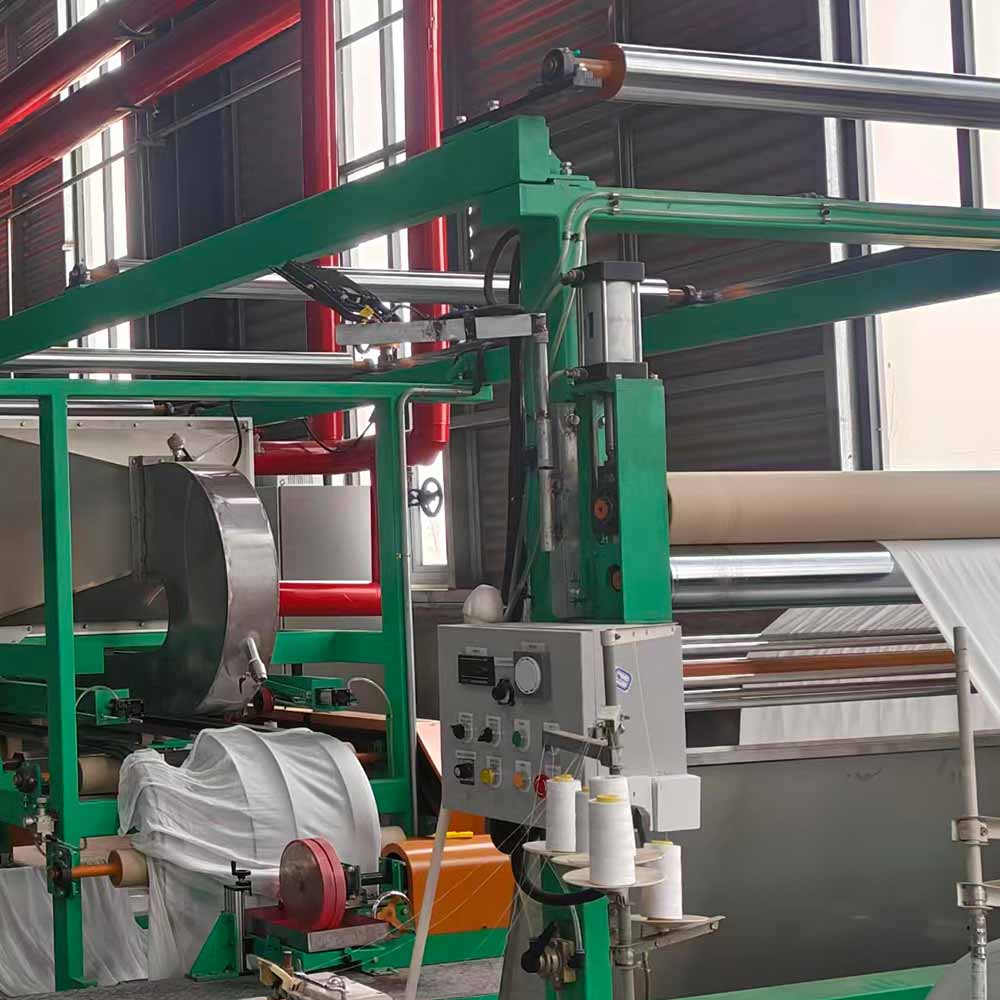
Mesin pembuka kain mesh jarang digunakan sendiri. Ini adalah bagian dari sistem yang lebih besar.
Dalam lingkungan produksi penuh, sering dihubungkan dengan:
- Sistem pemberian serat
- Mesin carding
- Nonwoven membentuk garis
- Unit persiapan daur ulang
Sistem terkait di situs web Anda:
- Halaman Produk Mesin Pembuka Kain Mesh
- Ikhtisar Mesin Pengolah Tekstil
- Solusi Sistem Produksi Nonwoven
Mengapa Kualitas Pembukaan Serat Secara Langsung Mempengaruhi Produk Akhir
Ini adalah salah satu aspek yang paling diabaikan dalam produksi tekstil.
Jika pembukaan serat tidak merata:
- Kain bukan tenunan menjadi tidak konsisten
- Mengisi bahan kehilangan elastisitas
- Kualitas permukaan menjadi tidak stabil
Jika pembukaan serat dioptimalkan:
- Produk mendapatkan kepadatan yang seragam
- Kekuatan mekanik meningkat
- Limbah produksi berkurang
Referensi YouTube: Proses Pembukaan Serat Beraksi
Untuk lebih memahami cara kerja sistem pembukaan serat industri, Anda dapat merujuk ke:
Hal ini menunjukkan bagaimana serat semakin dilonggarkan dan didistribusikan dalam lingkungan industri yang terkendali.
Tantangan Teknis Utama dalam Sistem Pembukaan Serat
Bahkan sistem canggih dapat menghadapi tantangan:
Keterikatan Serat
Disebabkan oleh pemberian makan yang tidak merata atau bahan masukan yang terlalu padat.
Distribusi Output Tidak Merata
Sering terkait dengan ketidakseimbangan kecepatan roller.
Overload Mesin
Terjadi ketika input melebihi kapasitas sistem.
Kerusakan Serat
Terjadi ketika kekuatan mekanik terlalu agresif.
Bagaimana Anda Dapat Mengoptimalkan Proses Pembukaan Serat Anda
Jika Anda ingin meningkatkan kinerja, fokuslah pada:
- Menstabilkan kecepatan makan
- Menyesuaikan pengaturan celah rol
- Menyeimbangkan distribusi aliran udara
- Kapasitas mesin pencocokan dengan jenis bahan input
- Pemeliharaan rutin komponen pembuka
Penyesuaian kecil dapat meningkatkan kualitas output secara signifikan.
Tren Industri: Bergerak Menuju Pengolahan Serat Cerdas
Industri tekstil berkembang pesat menuju:
- Sistem klasifikasi serat otomatis
- deteksi material berbasis AI
- Penyeimbangan beban cerdas
- Sistem daur ulang-ke-produksi yang terintegrasi
- Mekanisme pembukaan hemat energi
Menurut diskusi otomatisasi tekstil di Dunia Tekstil dan publikasi teknik industri, persiapan serat menjadi titik optimasi inti di pabrik pintar.
Wawasan Praktis untuk Strategi Produksi Anda
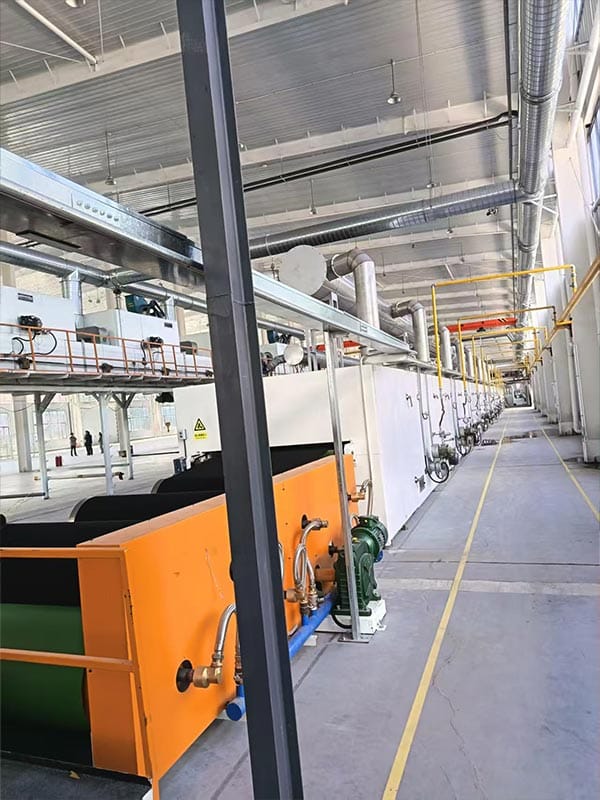
Jika Anda berencana untuk meningkatkan sistem produksi Anda, jangan fokus hanya pada mesin keluaran akhir.
Sebaliknya, fokus pada:
- Konsistensi serat pada tahap awal
- Sinkronisasi sistem di seluruh mesin
- Desain aliran material yang stabil
- Skalabilitas sistem pembukaan Anda
Karena begitu kualitas serat tidak stabil, tidak ada proses hilir yang dapat sepenuhnya memperbaikinya.
Kesimpulan
Mesin pembuka kain mesh bukan hanya perangkat pendukung —it adalah sistem dasar yang menentukan stabilitas seluruh alur kerja pemrosesan serat Anda.
Dengan memastikan pembukaan serat yang konsisten, Anda meningkatkan tidak hanya efisiensi produksi tetapi juga kualitas produk akhir di berbagai industri.
Jika Anda ingin membangun sistem produksi tekstil atau nonwoven yang terukur dan andal, mengoptimalkan proses pembukaan serat Anda adalah salah satu keputusan terpenting yang dapat Anda buat.
FAQ
Apa yang a mesin pembuka kain mesh digunakan untuk?
Ini digunakan untuk melonggarkan, memisahkan, dan menyiapkan serat untuk pemrosesan tekstil atau bukan tenunan lebih lanjut.
Mengapa pembukaan serat penting dalam produksi?
Karena secara langsung mempengaruhi keseragaman, kepadatan, dan kualitas produk akhir.
Apakah bisa digunakan untuk bahan daur ulang?
Ya, ini banyak digunakan dalam sistem daur ulang tekstil.
Apakah meningkatkan efisiensi produksi?
Ya, itu mengurangi tenaga kerja manual dan menstabilkan proses hilir.
Industri apa yang menggunakan mesin pembuka kain mesh?
Kain bukan tenunan, pengisian furnitur, interior otomotif, dan industri daur ulang tekstil.