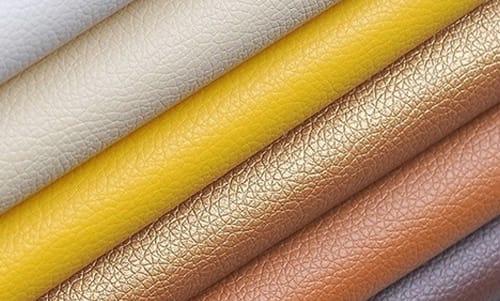
Dalam pembuatan kulit modern, kualitas permukaan tidak lagi hanya detail estetika — itu adalah faktor kompetitif inti yang menentukan posisi produk, persepsi pelanggan, dan nilai pasar.
Apakah Anda memproduksi interior otomotif, pelapis furnitur, bahan alas kaki, atau barang-barang kulit fashion, kemampuan untuk menciptakan tekstur permukaan yang konsisten, tahan lama, dan definisi tinggi sangat penting.
Di sinilah tepatnya a mesin embossing kulit menjadi bagian penting dari sistem produksi Anda.
Dalam panduan ini, Anda akan mengeksplorasi tidak hanya bagaimana embossing bekerja tetapi bagaimana hal itu mempengaruhi efisiensi produksi, kinerja material, dan stabilitas manufaktur jangka panjang.
Daftar Isi
Mengapa Mesin Embossing Kulit Telah Menjadi Kebutuhan Industri Inti
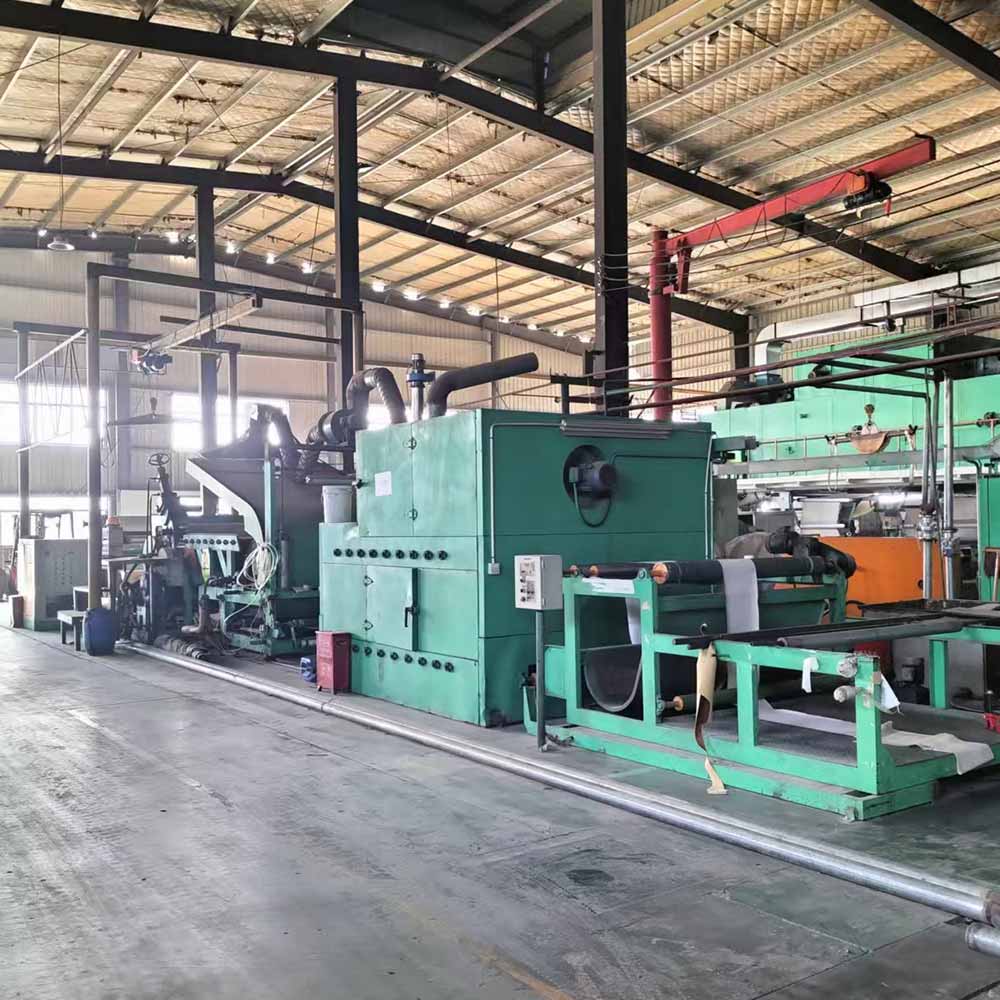
Jika Anda melihat pasar kulit modern, Anda akan melihat satu tren yang jelas: konsistensi tekstur visual sekarang diharapkan, bukan opsional.
Menurut diskusi teknik material yang diterbitkan pada platform seperti ScienceDirect dan jurnal penelitian tekstil industri, embossing permukaan berdampak langsung:
- Kualitas material yang dirasakan
- Diferensiasi produk di pasar yang kompetitif
- Kinerja permukaan fungsional (anti slip, ketahanan aus)
- Konsistensi produk tingkat merek
Dengan kata lain, embossing tidak lagi dekoratif—it adalah penciptaan nilai struktural.
Apa yang Sebenarnya Dilakukan Mesin Emboss Kulit dalam Produksi
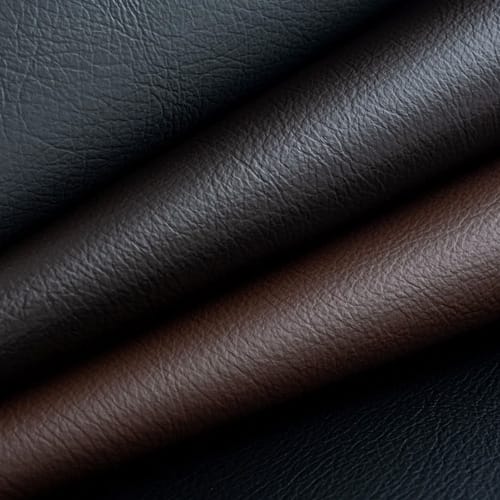
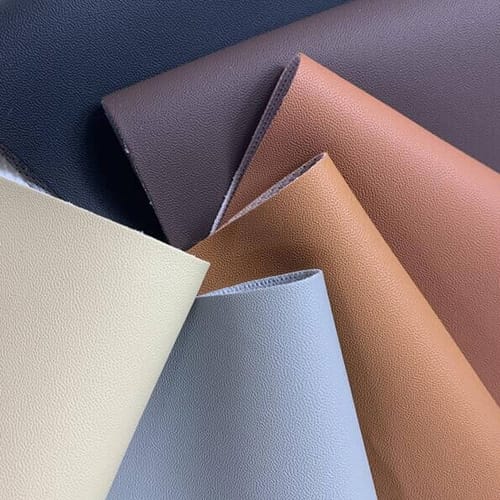
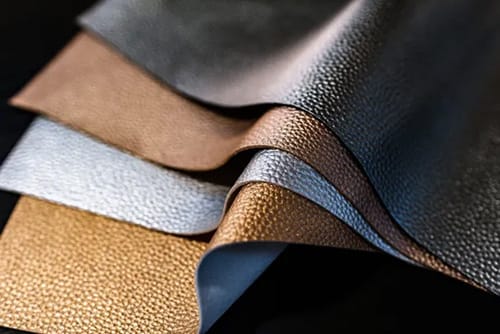
Mesin emboss kulit dirancang untuk mentransfer pola terkontrol ke permukaan kulit atau kulit sintetis menggunakan panas, tekanan, atau energi frekuensi tinggi.
Tetapi dalam realitas industri, ia melakukan tiga fungsi utama:
1. Permukaan Reshaping
Permukaan material dilunakkan dan dibentuk kembali dalam kondisi terkendali.
2. Transfer Pola
Timbul rol atau piring mencetak tekstur terstruktur ke dalam bahan.
3. Stabilisasi Permukaan
Pola terkunci ke dalam material selama pendinginan atau pengawetan.
Kombinasi ini memastikan ketahanan jangka panjang dari desain timbul.
Bagaimana Teknologi Mesin Embossing Kulit Bekerja dalam Sistem Industri
Untuk memahami nilai sebenarnya, Anda perlu melihat embossing sebagai bagian dari rantai produksi yang berkelanjutan.
Langkah 1: Persiapan Material
Bahan kulit atau sintetis telah dikondisikan sebelumnya untuk memastikan suhu permukaan dan keseimbangan kelembapan yang stabil.
Langkah 2: Fase Pemanasan atau Aktivasi
Lapisan permukaan dilunakkan menggunakan pemanasan terkontrol atau energi frekuensi tinggi.
Langkah ini menentukan seberapa baik material dapat menerima pembentukan pola.
Langkah 3: Transfer Pola Berbasis Tekanan
Bahan melewati rol atau pelat berukir.
Variabel kunci meliputi:
- Tingkat tekanan
- Durasi kontak
- Kedalaman pola
Langkah 4: Pendinginan dan Fiksasi
Setelah timbul, material dengan cepat distabilkan untuk mengunci struktur.
Langkah 5: Pengumpulan Output
Bahan akhir digulung atau dipotong untuk pemrosesan hilir seperti pelapisan atau perakitan.
Aplikasi Industri yang Harus Anda Ketahui
Mesin emboss kulit banyak digunakan di berbagai industri:
- Kulit interior otomotif
- Bahan pelapis furnitur
- Manufaktur atas sepatu
- Aksesoris mode
- Penutup dinding dekoratif
Setiap aplikasi memerlukan kedalaman embossing, kepadatan tekstur, dan kontrol kilap permukaan yang berbeda.
Kasus Manufaktur Nyata: Meningkatkan Konsistensi Permukaan dalam Produksi Pelapis
Sebuah fasilitas produksi kulit sintetis yang mengkhususkan diri dalam bahan furnitur menghadapi masalah berulang:
- Tekstur butiran tidak konsisten
- Distorsi pola yang terlihat
- Tingkat penolakan tinggi selama pemeriksaan kualitas
Setelah mengoptimalkan proses embossing mereka dan meningkatkan ke sistem tekanan yang lebih terkontrol, mereka mencapai:
- Tekstur permukaan yang lebih stabil di seluruh batch produksi
- Mengurangi deformasi pola
- Peningkatan adhesi lapisan hilir
Peningkatan utamanya adalah stabilitas proses, bukan perubahan material.
Perbandingan: Sistem Embossing Tradisional vs Modern
| Fitur | Metode Tradisional | Mesin Emboss Modern |
|---|---|---|
| Akurasi Pola | Medium | High |
| Kecepatan Produksi | RendahMedium | High |
| Efisiensi Energi | Low | Dioptimalkan |
| Konsistensi Permukaan | Variabel | Stabil |
| Skalabilitas | Limited | Strong |
Integrasi dalam Lini Produksi Kulit Modern
Mesin emboss kulit jarang beroperasi sendiri. Ini biasanya terintegrasi ke dalam sistem produksi penuh.
Di pabrik modern, sering dihubungkan dengan:
- Sistem pelapisan
- Garis pengeringan dan pengawetan
- Mesin pengolahan kulit Sistem Mesin Pengolahan Kulit
- PVC atau PU lini produksi Solusi Lini Produksi Kulit Sintetis
Sistem ini bekerja sama untuk memastikan kualitas permukaan yang stabil dan efisiensi produksi.
Anda juga dapat menjelajahi sistem terkait di sini:
- Halaman Produk Mesin Emboss Kulit
- Ikhtisar Peralatan Kulit Industri
Mengapa Memunculkan Kualitas Secara Langsung Mempengaruhi Nilai Pasar
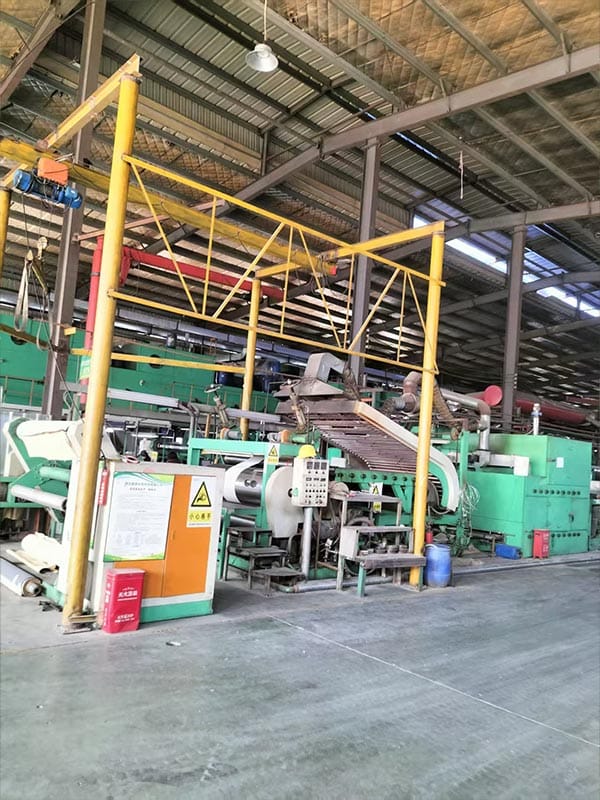
Tekstur permukaan adalah salah satu hal pertama yang diperhatikan pengguna akhir.
Sistem embossing yang stabil meningkatkan:
- Realisme visual bahan kulit
- Kualitas produk yang dirasakan
- Konsistensi merek dalam produksi massal
- Daya tahan material dalam kondisi penggunaan
Dalam industri seperti interior otomotif dan furnitur, ini secara langsung mempengaruhi keputusan pembelian.
Tantangan Teknis Utama dalam Sistem Embossing
Bahkan mesin canggih dapat menghadapi masalah operasional:
Kedalaman Pola Tidak Merata
Disebabkan oleh distribusi tekanan yang tidak konsisten.
Permukaan Cracking
Seringkali karena pemanasan yang berlebihan atau persiapan bahan yang tidak tepat.
Pola Tidak Selaras
Terkait dengan posisi roller atau ketidakstabilan makan.
Gloss Inkonsistensi
Terkait dengan ketidakseimbangan suhu selama pemrosesan.
Bagaimana Anda Dapat Meningkatkan Kinerja Embossing
Jika Anda ingin mengoptimalkan sistem produksi Anda, fokuslah pada:
- Menstabilkan sistem kontrol tekanan
- Mempertahankan pra-perawatan material yang konsisten
- Menyesuaikan zonasi suhu
- Memastikan presisi penyelarasan rol
- Memantau konsistensi keluaran waktu nyata
Perbaikan kecil di bidang ini dapat meningkatkan kualitas produk akhir secara signifikan.
Tren Industri dalam Pengolahan Permukaan Kulit
Industri embossing berkembang menuju:
- Sistem emboss yang dikontrol secara digital
- Teknologi ukiran rol presisi tinggi
- Kemampuan desain permukaan multi-tekstur
- Sistem pemanas hemat energi
- Otomatisasi produksi terintegrasi
Menurut diskusi di komunitas manufaktur industri dan penelitian teknik tekstil, rekayasa permukaan menjadi salah satu pendorong nilai terpenting dalam produksi kulit sintetis.
Wawasan Praktis untuk Perencanaan Produksi
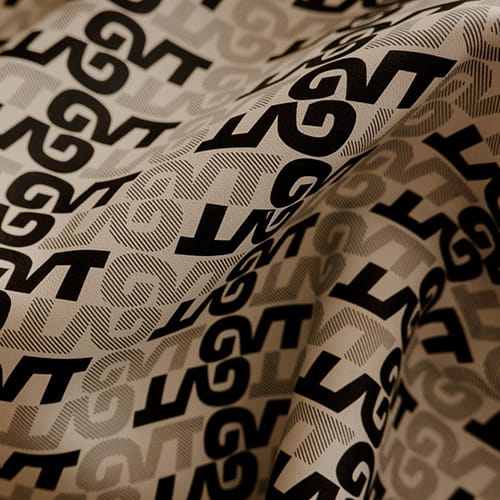
Jika Anda merencanakan peningkatan lini produksi kulit, jangan memperlakukan embossing sebagai proses sekunder.
Sebaliknya, anggap itu tahap kontrol kualitas inti yang secara langsung mempengaruhi:
- Positioning produk
- Penerimaan pelanggan
- Konsistensi produksi
- Profitabilitas jangka panjang
Kesimpulan
Mesin emboss kulit bukan hanya perangkat pembuat pola —it adalah sistem rekayasa permukaan presisi yang mendefinisikan penampilan akhir dan nilai fungsional produk kulit.
Dengan mengontrol tekanan, suhu, dan desain pola dengan presisi, Anda dapat meningkatkan konsistensi produk secara signifikan, mengurangi cacat, dan meningkatkan daya saing pasar.
Untuk setiap sistem manufaktur kulit modern, embossing tidak opsional — itu penting.
FAQ
Apa yang dilakukan a mesin embossing kulit do?
Ini mentransfer pola ke permukaan kulit menggunakan tekanan, panas, atau energi yang terkontrol.
Apakah bisa digunakan untuk kulit sintetis?
Ya, itu banyak digunakan untuk bahan kulit sintetis PU dan PVC.
Mengapa embossing penting dalam produksi kulit?
Ini meningkatkan tekstur visual, daya tahan, dan nilai produk.
Industri apa yang menggunakan mesin emboss?
Industri furnitur, otomotif, alas kaki, dan mode.
Apakah kualitas embossing dapat mempengaruhi kinerja produk?
Ya, itu mempengaruhi daya tahan, adhesi, dan stabilitas permukaan.