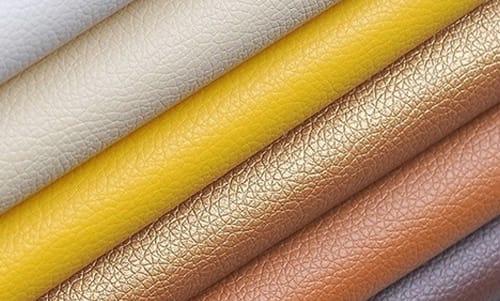
Jika Anda berencana untuk berinvestasi dalam lini produksi kulit, satu keputusan akan membentuk segala sesuatu yang mengikuti: memilih yang tepat produsen mesin kulit.
Ini bukan hanya tentang membeli peralatan. Ini adalah tentang memilih mitra jangka panjang yang akan mempengaruhi efisiensi produksi Anda, kualitas produk, biaya operasional, dan bahkan kemampuan Anda untuk skala di masa depan.
Banyak produsen meremehkan keputusan ini. Mereka membandingkan harga, memeriksa spesifikasi dasar, dan bergerak maju. Beberapa bulan kemudian, mereka menghadapi masalah seperti produksi yang tidak stabil, kualitas yang tidak konsisten, atau dukungan teknis yang terbatas.
Jika Anda ingin menghindari masalah-masalah itu, Anda perlu mengevaluasi produsen mesin kulit dari perspektif yang lebih dalam dan praktis. Panduan ini akan memandu Anda melalui cara melakukan itu, dengan wawasan nyata, skenario nyata, dan kriteria yang dapat ditindaklanjuti yang dapat Anda terapkan segera.
Daftar Isi
Mengapa Pilihan Produsen Mesin Kulit Anda Lebih Penting Daripada Mesin
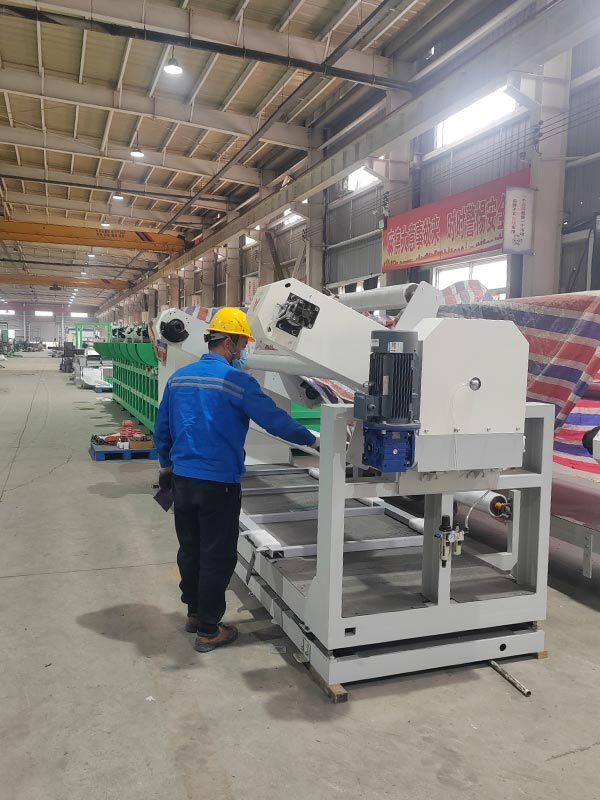
Pada pandangan pertama, mesin mungkin terlihat mirip. Spesifikasi di atas kertas bisa tampak hampir identik. Tetapi dalam lingkungan produksi nyata, perbedaannya menjadi jelas.
Produsen mesin kulit yang andal mempengaruhi:
- Stabilitas produksi
- Konsistensi produk
- Biaya pemeliharaan
- Frekuensi downtime
- Fleksibilitas peningkatan di masa depan
Menurut studi siklus hidup peralatan industri, hingga 70% kinerja operasional jangka panjang tergantung pada kualitas desain peralatan dan dukungan purna jual daripada spesifikasi awal saja.
Jadi jika Anda hanya fokus pada harga, Anda cenderung membayar lebih banyak di kemudian hari karena masalah inefisiensi dan pemeliharaan.
Apa yang Mendefinisikan Produsen Mesin Kulit Profesional
Tidak semua produsen beroperasi pada tingkat yang sama. Sebuah produsen profesional menawarkan lebih dari mesin —mereka menyediakan solusi produksi lengkap.
Inilah yang harus Anda harapkan:
Kemampuan Teknik
Produsen yang kuat memahami proses produksi penuh, bukan hanya mesin individual. Mereka dapat merancang sistem yang bekerja sama dengan mulus.
Kemampuan Kustomisasi
Kebutuhan produksi Anda unik. Produsen yang cakap harus dapat menyesuaikan:
- Lebar mesin
- Kecepatan produksi
- Konfigurasi proses
- Integrasi dengan jalur yang ada
Pengetahuan Proses
Mereka harus memahami materi seperti:
- Kulit alami
- PU kulit sintetis
- Bahan berbasis PVC
Ini memastikan peralatan Anda dioptimalkan untuk produk Anda yang sebenarnya.
Dukungan Teknis
Dukungan harus melampaui instalasi. Ini harus mencakup:
- Panduan optimalisasi proses
- Pemecahan masalah
- Dukungan pemeliharaan jangka panjang
Kasus Nyata: Kesalahan Mahal dalam Pemilihan Produsen Mesin Kulit
Sebuah pabrik berukuran sedang memutuskan untuk memperluas kapasitas produksinya. Mereka memilih pemasok terutama berdasarkan harga dan kecepatan pengiriman.
Hasil awal tampak menjanjikan. Namun, dalam waktu enam bulan, masalah mulai muncul:
- Waktu henti mesin yang sering
- Ketebalan lapisan tidak konsisten
- Kurangnya dukungan teknis
Efisiensi produksi turun hampir 20%, dan tingkat cacat meningkat secara signifikan.
Akhirnya, pabrik harus berinvestasi kembali dalam meningkatkan bagian-bagian sistem, yang menyebabkan total biaya lebih tinggi daripada jika mereka telah memilih produsen yang dapat diandalkan sejak awal.
Kasus ini menyoroti kebenaran sederhana: pilihan termurah jarang yang paling hemat biaya.
Kriteria Evaluasi Utama yang Harus Anda Gunakan
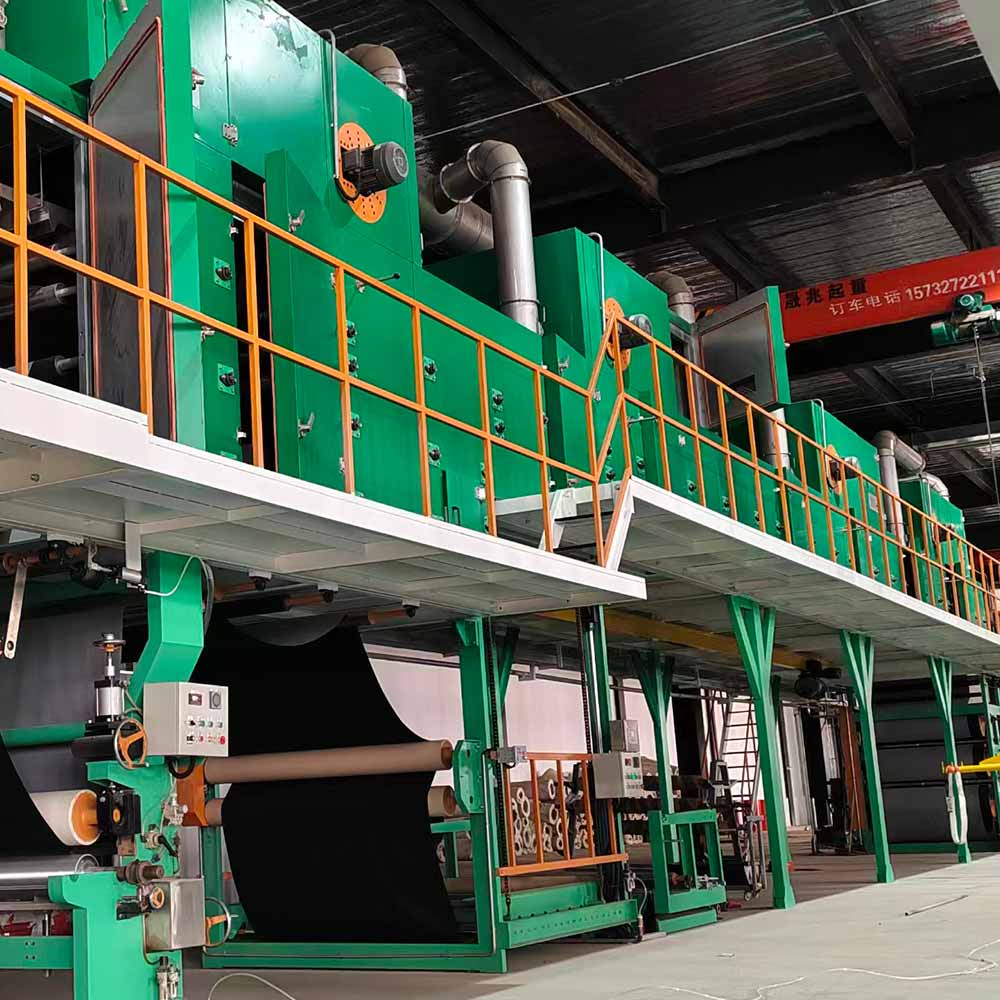
Jika Anda ingin membuat keputusan yang tepat, evaluasi produsen menggunakan kerangka kerja berikut:
1. Pengalaman Lini Produksi
Tanyakan apakah pabrikan memiliki pengalaman dalam memberikan jalur produksi yang lengkap, bukan hanya mesin mandiri.
2. Transparansi Desain
Produsen yang andal harus menjelaskan dengan jelas:
- Struktur mesin
- Aliran proses
- Parameter teknis
Jika rinciannya tidak jelas, itu adalah tanda peringatan.
3. Kompatibilitas Bahan
Pastikan peralatan diuji untuk bahan spesifik Anda.
4. Layanan Purna Jual
Evaluasi waktu respons, saluran dukungan, dan ketersediaan suku cadang.
5. Kemampuan Upgrade
Apakah sistem dapat diperluas atau dimodifikasi di masa depan?
Membandingkan Jenis Produsen Mesin Kulit
| Jenis Produsen | Strengths | Kelemahan | Terbaik Untuk |
|---|---|---|---|
| Pemasok berbiaya rendah | Harga awal yang lebih rendah | Dukungan terbatas | Produksi skala kecil |
| Produsen standar | Performa seimbang | Kustomisasi moderat | Penggunaan industri umum |
| Penyedia solusi tingkat lanjut | Efisiensi dan dukungan tinggi | Biaya dimuka lebih tinggi | Produksi skala besar |
Cara Menyelaraskan Mesin dengan Tujuan Bisnis Anda
Sebelum memilih produsen, Anda perlu menentukan prioritas Anda sendiri.
Tanyakan pada diri Anda:
- Apakah Anda fokus pada produksi volume tinggi?
- Apakah Anda memerlukan fleksibilitas untuk berbagai jenis produk?
- Apakah efisiensi energi merupakan perhatian utama?
- Apakah Anda merencanakan ekspansi jangka panjang?
Jawaban Anda harus memandu keputusan Anda.
Misalnya:
- Jika Anda menginginkan skalabilitas, pilih pabrikan dengan kemampuan desain modular
- Jika Anda fokus pada kualitas, prioritaskan kontrol proses dan presisi
Peran Kustomisasi dalam Manufaktur Modern
Mesin standar jarang memberikan kinerja optimal untuk aplikasi tertentu.
Kustomisasi memungkinkan Anda untuk:
- Optimalkan kecepatan produksi
- Meningkatkan kualitas produk
- Mengurangi limbah
- Beradaptasi dengan bahan yang berbeda
Misalnya, menyesuaikan panjang oven pengeringan atau lebar lapisan dapat meningkatkan efisiensi secara signifikan tergantung pada jenis produk Anda.
Kesalahan Umum yang Harus Anda Hindari
Banyak pembeli membuat kesalahan serupa saat memilih produsen.
Memilih Hanya Berdasarkan Harga
Biaya dimuka yang lebih rendah sering menyebabkan pengeluaran jangka panjang yang lebih tinggi.
Mengabaikan Kompatibilitas Proses
Mesin harus sesuai dengan proses produksi Anda, bukan hanya anggaran Anda.
Mengabaikan Dukungan Teknis
Tanpa dukungan yang tepat, bahkan mesin terbaik pun bisa menjadi tidak efisien.
Gagal Merencanakan Pertumbuhan
Jika sistem Anda tidak dapat berskala, Anda akan menghadapi keterbatasan seiring pertumbuhan bisnis Anda.
Cara Mengevaluasi Produsen Sebelum Membeli
Berikut langkah-langkah praktis yang dapat Anda lakukan:
- Minta gambar teknis terperinci
- Minta referensi kasus produksi
- Mengevaluasi responsivitas komunikasi
- Diskusikan opsi penyesuaian
- Memperjelas dukungan instalasi dan pelatihan
Jika memungkinkan, kunjungi lini produksi yang berfungsi menggunakan peralatan mereka. Kinerja nyata lebih berharga daripada brosur.
Tren Industri Membentuk Pemilihan Produsen
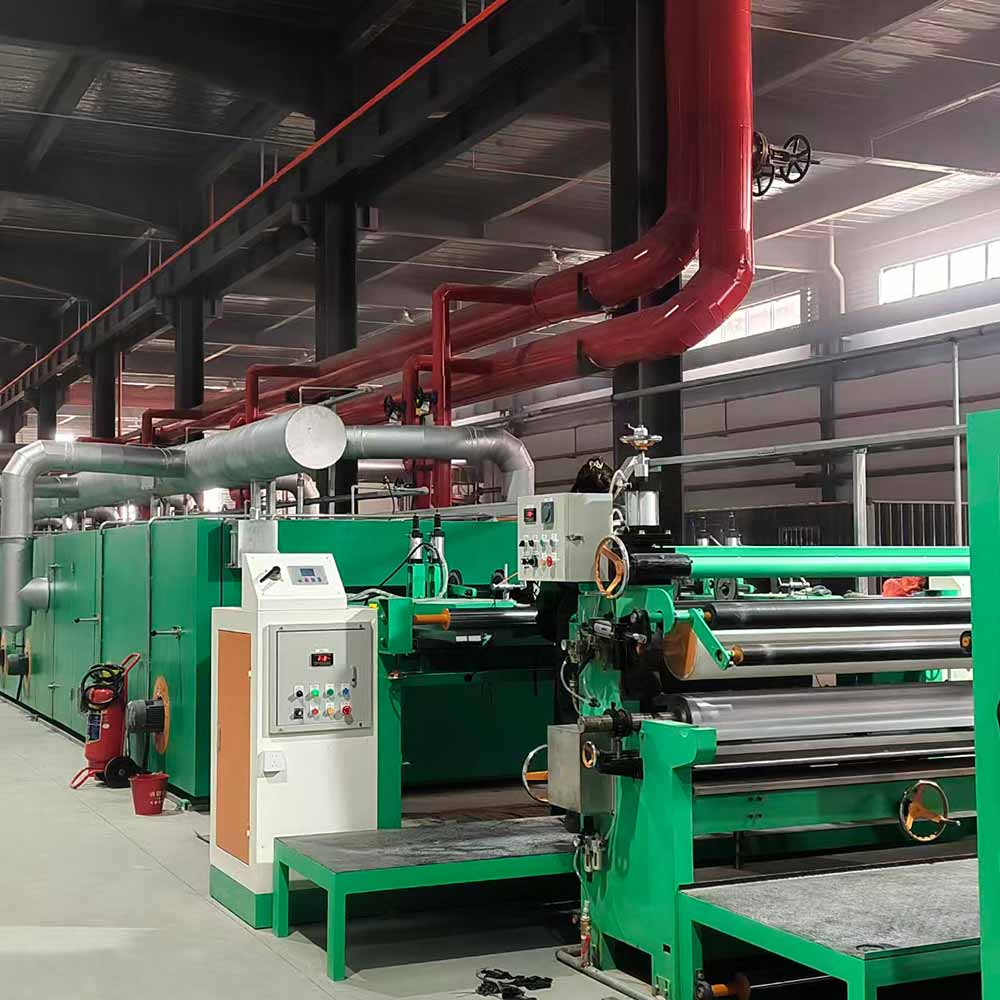
Industri mesin kulit berkembang, dan pilihan Anda harus mencerminkan hal itu.
Tren utama meliputi:
- Sistem produksi terintegrasi
- Kontrol dan otomatisasi cerdas
- Desain hemat energi
- Jalur produksi yang fleksibel
- Peningkatan fokus pada keberlanjutan
Produsen yang berinvestasi di bidang ini lebih cenderung memberikan nilai jangka panjang.
Strategi Praktis untuk Sukses Jangka Panjang
Jika Anda ingin membangun sistem produksi yang kompetitif, fokuslah pada:
- Bermitra dengan produsen berpengalaman
- Mengutamakan optimalisasi proses
- Berinvestasi dalam solusi terukur
- Terus meningkatkan efisiensi produksi
Produsen yang tepat tidak hanya akan memasok peralatan —mereka akan membantu Anda mengembangkan bisnis Anda.
Kesimpulan
Memilih produsen mesin kulit adalah salah satu keputusan terpenting yang akan Anda buat dalam perjalanan produksi Anda.
Ini mempengaruhi tidak hanya operasi Anda saat ini tetapi juga kemampuan Anda untuk beradaptasi, memperluas, dan bersaing di masa depan.
Dengan mengevaluasi produsen berdasarkan kemampuan teknik, pengetahuan proses, penyesuaian, dan dukungan, Anda dapat menghindari kesalahan yang mahal dan membangun sistem produksi yang memberikan hasil yang konsisten dan berkualitas tinggi.
Luangkan waktu untuk memilih dengan bijak. Pasangan yang tepat akan membuat perbedaan yang terukur dalam kesuksesan jangka panjang Anda.
FAQ
Apa yang harus saya cari dalam sebuah produsen mesin kulit?
Fokus pada pengalaman, kemampuan penyesuaian, dukungan teknis, dan pengetahuan proses.
Apakah kustomisasi benar-benar diperlukan?
Ya, solusi yang disesuaikan memastikan keselarasan yang lebih baik dengan kebutuhan produksi Anda.
Seberapa pentingkah dukungan purna jual?
Sangat penting. Ini secara langsung mempengaruhi stabilitas produksi dan efisiensi pemeliharaan Anda.
Bisakah saya meningkatkan mesin saya nanti?
Jika sistem dirancang dengan benar, sebagian besar lini produksi modern mendukung peningkatan.
Apa kesalahan terbesar ketika memilih produsen?
Berfokus hanya pada harga, bukan kinerja dan dukungan jangka panjang.