Daftar Isi
Introduction
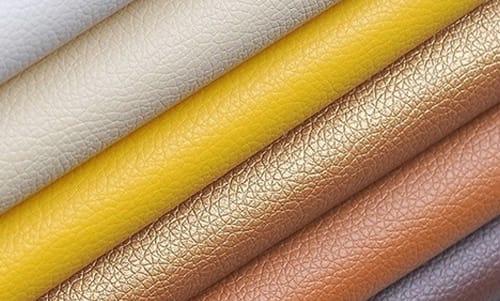
Mesin pembuat kulit memainkan peran sentral dalam sistem manufaktur kulit modern. Ini dirancang untuk memproses kulit mentah menjadi produk kulit jadi melalui serangkaian operasi mekanis seperti pemotongan, pemisahan, pencukuran, embossing, dan finishing. Di lingkungan industri saat ini, mesin-mesin ini sangat penting untuk meningkatkan konsistensi, mengurangi ketergantungan tenaga kerja, dan mempertahankan hasil produksi yang stabil.
Dalam produksi kulit tradisional, sebagian besar pekerjaan bergantung pada pemrosesan manual, yang sering menyebabkan variasi dalam ketebalan, tekstur, dan daya tahan. Dengan otomatisasi industri, produksi kulit menjadi lebih terstandarisasi, memungkinkan pabrik mencapai presisi dan skalabilitas yang lebih tinggi. Memilih mesin yang tepat secara langsung berdampak pada efisiensi produksi, kualitas produk, dan biaya operasional jangka panjang.
Jenis Mesin Pembuat Kulit Untuk Penggunaan Pabrik
Persyaratan produksi yang berbeda menuntut konfigurasi mesin yang berbeda. Memahami jenis mesin adalah langkah pertama dalam membuat keputusan yang tepat.
Mesin pengolah kulit manual biasanya digunakan dalam operasi skala kecil atau bengkel di mana fleksibilitas lebih penting daripada volume output. Mereka membutuhkan kontrol operator pada setiap tahap dan umumnya lebih murah tetapi lebih lambat dalam kecepatan produksi.
Sistem semi-otomatis menggabungkan input manual dengan bantuan mekanis. Mesin-mesin ini meningkatkan efisiensi sambil tetap memungkinkan kontrol manusia atas tahap-tahap produksi utama.
Mesin pembuat kulit sepenuhnya otomatis dirancang untuk produksi industri berkelanjutan. Mereka mengintegrasikan beberapa proses ke dalam satu sistem, mengurangi intervensi manual dan meningkatkan konsistensi.
CNC dan sistem yang dikontrol secara digital mewakili kategori paling canggih. Mesin-mesin ini menggunakan kontrol yang dapat diprogram untuk mencapai presisi tinggi dalam pemotongan, pembentukan, dan penyelesaian, menjadikannya ideal untuk lingkungan produksi massal dengan persyaratan kualitas yang ketat.
Fungsi Kunci dan Aplikasi Mesin Pembuat Kulit
Mesin pembuat kulit modern tidak terbatas pada satu fungsi. Biasanya mengintegrasikan beberapa tahap pemrosesan.
Sistem pemotongan memastikan pembentukan bahan kulit yang akurat sesuai dengan spesifikasi desain. Fungsi membelah dan menipis membantu mencapai ketebalan yang seragam, yang sangat penting untuk daya tahan dan penampilan produk.
Peralatan terkait penyamakan mendukung pemrosesan kimia dan mekanis untuk mengubah kulit mentah menjadi kulit yang dapat digunakan. Sistem finishing meningkatkan tekstur, konsistensi warna, dan kualitas permukaan.
Mesin-mesin ini banyak digunakan dalam produksi alas kaki, tas, penutup furnitur, interior otomotif, dan barang-barang kulit industri. Setiap aplikasi membutuhkan tingkat presisi dan konfigurasi mesin yang berbeda.
Kapasitas Produksi dan Persyaratan Output
Salah satu faktor seleksi yang paling penting adalah kapasitas produksi. Ketidaksesuaian antara kemampuan mesin dan permintaan pabrik sering menyebabkan inefisiensi atau kurang dimanfaatkan.
Pengaturan produksi skala kecil mungkin memprioritaskan fleksibilitas daripada kecepatan, sementara operasi skala besar memerlukan sistem output tinggi yang berkelanjutan. Data industri menunjukkan bahwa jalur produksi otomatis dapat meningkatkan efisiensi output sebesar 30% hingga 60% dibandingkan dengan sistem semi-manual tradisional, tergantung pada konfigurasi dan optimalisasi alur kerja.
Pabrik harus mengevaluasi target produksi harian, jadwal shift, dan stabilitas pesanan sebelum memilih peralatan. Lini produksi berkelanjutan umumnya lebih disukai untuk manufaktur volume tinggi yang stabil, sementara pengaturan mesin tunggal lebih cocok untuk menjalankan produk yang terdiversifikasi.
Kualitas Mesin, Daya Tahan, dan Bahan
Daya tahan adalah faktor penting ketika berinvestasi dalam peralatan industri. Mesin pembuat kulit berkualitas tinggi harus dibangun menggunakan bahan tahan aus dan komponen yang direkayasa secara presisi.
Rangka baja kelas industri membantu menjaga stabilitas struktural selama siklus produksi yang panjang. Komponen seperti bilah, rol, dan sistem hidrolik harus dirancang untuk masa pakai yang diperpanjang di bawah operasi berkelanjutan.
Persyaratan perawatan rutin juga harus dipertimbangkan. Mesin dengan desain modular lebih mudah diservis dan mengurangi waktu henti, yang secara langsung berdampak pada produktivitas dan biaya pengoperasian.
Tingkat Otomasi dan Sistem Kontrol
Otomatisasi adalah salah satu karakteristik yang menentukan dari sistem produksi kulit modern. Mesin yang dilengkapi dengan sistem kontrol PLC memungkinkan operator untuk mengelola parameter produksi dengan presisi yang lebih tinggi.
Sistem manual sangat bergantung pada keterampilan operator, yang dapat menyebabkan inkonsistensi. Sebaliknya, sistem otomatis mengurangi kesalahan manusia dan meningkatkan pengulangan.
Sistem canggih juga dapat mencakup antarmuka pemantauan digital, yang memungkinkan penyesuaian waktu nyata untuk kecepatan, tekanan, dan kedalaman pemotongan. Tingkat kontrol ini sangat penting dalam lingkungan manufaktur skala besar di mana konsistensi sangat penting.
Analisis Kinerja dan Perencanaan Efisiensi
Saat mengevaluasi mesin pembuat kulit, penting untuk fokus pada efisiensi operasional, stabilitas output, dan kinerja jangka panjang. Tabel di bawah ini menyoroti faktor kinerja utama yang memengaruhi produktivitas dan kualitas produk pabrik Anda:
| Faktor Kinerja | Deskripsi | Dampak terhadap Produksi |
|---|---|---|
| Efisiensi Produksi | Volume keluaran per jam atau shift | Menentukan seberapa cepat pesanan dapat dipenuhi |
| Tingkat Otomatisasi | Manual, semi-otomatis, atau sepenuhnya otomatis | Otomatisasi yang lebih tinggi meningkatkan konsistensi dan mengurangi kesalahan manusia |
| Ketahanan Mesin | Bahan tahan aus dan konstruksi yang kuat | Memastikan operasi jangka panjang yang stabil dan meminimalkan waktu henti |
| Presisi & Akurasi | Akurasi pemotongan, pemisahan, dan penyelesaian | Secara langsung mempengaruhi kualitas dan keseragaman produk |
| Integrasi Workflow | Kemampuan untuk berintegrasi dengan lini produksi yang ada | Mengoptimalkan keseluruhan operasi pabrik dan mengurangi kemacetan |
| Kesederhanaan Pemeliharaan | Kemudahan servis dan penggantian suku cadang | Meminimalkan gangguan dan memastikan produksi berkelanjutan |
Studi dalam manufaktur industri menunjukkan bahwa mesin dengan otomatisasi yang lebih tinggi dan integrasi alur kerja yang lebih baik dapat meningkatkan efisiensi produksi secara keseluruhan hingga 50% sambil mempertahankan kualitas kulit yang konsisten.
Pabrik harus memprioritaskan metrik kinerja ini untuk memastikan operasi manufaktur kulit yang andal, produktif, dan berkualitas tinggi.
Pemilihan Pemasok dan Evaluasi Produsen
Memilih pemasok yang tepat sama pentingnya dengan memilih mesin itu sendiri. Produsen yang andal harus memberikan kualitas produk yang konsisten, dukungan teknis, dan layanan purna jual.
Ketika mengevaluasi pemasok, pertimbangkan kemampuan manufaktur mereka, opsi penyesuaian, dan pengalaman dalam produksi peralatan industri. Layanan OEM dan ODM sangat berharga untuk pabrik dengan persyaratan produksi khusus.
Dukungan purna jual sering diabaikan tetapi memainkan peran utama dalam kinerja mesin jangka panjang. Pelatihan teknis, ketersediaan suku cadang, dan dukungan pemeliharaan dapat secara signifikan mengurangi risiko operasional.
Opsi Kustomisasi untuk Kebutuhan Pabrik yang Berbeda
Tidak ada dua pabrik yang beroperasi dengan cara yang persis sama. Kustomisasi memungkinkan peralatan disesuaikan dengan kebutuhan produksi tertentu.
Lini produksi dapat dikonfigurasi berdasarkan jenis produk, seperti alas kaki, pelapis, atau barang-barang kulit industri. Pengaturan yang dapat disesuaikan untuk ketebalan pemotongan, kecepatan, dan tekanan membantu mengoptimalkan kinerja untuk bahan yang berbeda.
Sistem otomatisasi yang disesuaikan juga memungkinkan integrasi dengan alur kerja pabrik yang ada, meningkatkan efisiensi secara keseluruhan.
Pemeliharaan, Operasi, dan Optimasi Umur
Perawatan yang tepat sangat penting untuk memastikan kinerja jangka panjang. Pembersihan harian, pelumasan, dan inspeksi membantu mencegah kerusakan yang tidak terduga.
Strategi pemeliharaan preventif lebih efektif daripada perbaikan reaktif. Memantau bagian aus dan menggantinya sebelum kegagalan mengurangi waktu henti dan meningkatkan stabilitas produksi.
Operator juga harus dilatih dalam penanganan mesin yang tepat untuk menghindari tekanan mekanis yang tidak perlu. Dengan perawatan yang tepat, mesin pembuat kulit industri dapat mempertahankan kinerja yang stabil selama bertahun-tahun.
Kesalahan Umum yang Harus Dihindari Saat Membeli Mesin Pembuat Kulit
Banyak pembeli hanya fokus pada harga dan mengabaikan faktor operasional jangka panjang. Hal ini sering menyebabkan biaya yang lebih tinggi dari waktu ke waktu.
Kesalahan umum lainnya adalah meremehkan persyaratan produksi, yang mengakibatkan pemilihan mesin dengan kapasitas yang tidak mencukupi. Mengabaikan kredibilitas pemasok juga dapat menyebabkan masalah kualitas dan layanan.
Pabrik harus selalu mengevaluasi total biaya siklus hidup daripada hanya berfokus pada harga pembelian.
Tren Masa Depan dalam Teknologi Mesin Pembuat Kulit
Industri manufaktur kulit terus berkembang menuju sistem yang lebih cerdas dan efisien. Teknologi otomasi dan kontrol digital menjadi standar dalam lingkungan produksi modern.
Desain hemat energi semakin penting karena pabrik bertujuan untuk mengurangi biaya operasional dan dampak lingkungan. Sistem pemeliharaan prediktif yang menggunakan pemantauan waktu nyata juga semakin populer, membantu mengurangi waktu henti dan meningkatkan masa pakai mesin.
Kemajuan ini menunjukkan pergeseran yang jelas menuju sistem manufaktur cerdas dengan presisi lebih tinggi dan keluaran limbah lebih rendah.
Kesimpulan
Memilih mesin pembuat kulit yang tepat membutuhkan keseimbangan antara kinerja, biaya, tingkat otomatisasi, dan keandalan jangka panjang. Mesin yang dipilih dengan baik tidak hanya meningkatkan efisiensi produksi tetapi juga meningkatkan konsistensi produk dan mengurangi risiko operasional.
Pabrik harus mengevaluasi tujuan produksi, struktur alur kerja, dan skalabilitas masa depan mereka sebelum membuat keputusan. Dengan berfokus pada nilai total daripada biaya awal, bisnis dapat mencapai kinerja jangka panjang yang lebih kuat dan pertumbuhan yang lebih stabil dalam lingkungan manufaktur yang kompetitif.
FAQ
Apa yang a mesin pembuat kulit?
Mesin pembuat kulit adalah peralatan industri yang digunakan untuk memproses kulit mentah menjadi kulit jadi melalui pemotongan, pemisahan, penyamakan, dan finishing. Ini meningkatkan efisiensi produksi, memastikan konsistensi, dan mengurangi tenaga kerja manual dalam pembuatan kulit.
Bagaimana cara kerja mesin pembuat kulit?
Ia bekerja melalui beberapa tahap termasuk persiapan menyembunyikan, pengolahan mekanik, dan finishing. Tergantung pada sistem, operasi mungkin manual, semi-otomatis, atau sepenuhnya otomatis, dengan model canggih menggunakan kontrol PLC atau CNC untuk presisi.
Apa jenis mesin pembuat kulit yang tersedia?
Jenis umum termasuk mesin manual, sistem semi-otomatis, jalur produksi sepenuhnya otomatis, dan mesin yang dikendalikan CNC. Setiap jenis sesuai dengan skala produksi yang berbeda, dari bengkel kecil hingga pabrik industri besar dengan kebutuhan output tinggi.
Faktor apa saja yang mempengaruhi kinerja mesin pembuat kulit?
Kinerja mesin pembuat kulit tergantung pada tingkat otomatisasi, kapasitas produksi, dan konfigurasinya. Sistem yang sepenuhnya otomatis memberikan konsistensi dan presisi yang lebih tinggi, sementara mesin semi-otomatis atau manual menawarkan lebih banyak fleksibilitas untuk produksi khusus atau batch kecil.
Bagaimana cara memilih mesin pembuat kulit yang tepat untuk pabrik saya?
Pertimbangkan kapasitas produksi, tingkat otomatisasi, daya tahan mesin, dan keandalan pemasok. Mesin yang sesuai harus sesuai dengan kebutuhan output Anda, mengurangi biaya operasi, dan mendukung efisiensi produksi stabil jangka panjang dan kontrol kualitas.
Butuh Bantuan Memilih Mesin Pembuat Kulit yang Tepat?
Jika Anda tidak yakin mesin pembuat kulit mana yang paling cocok untuk kebutuhan produksi pabrik Anda, para ahli kami siap membantu. Hubungi kami hari ini untuk konsultasi yang dipersonalisasi dan dapatkan solusi yang disesuaikan untuk lini manufaktur kulit Anda. Pastikan efisiensi yang lebih tinggi, output yang stabil, dan keandalan produksi jangka panjang. Jangan menunggu —rach out sekarang untuk meningkatkan sistem produksi kulit Anda dan tetap terdepan dalam industri!