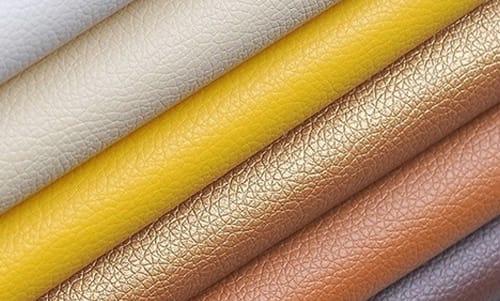
Jika Anda menjalankan atau berencana membangun bisnis manufaktur kulit, satu pertanyaan akan secara diam-diam menentukan kesuksesan Anda: bagaimana Anda menciptakan produk kulit bernilai tinggi dan menarik secara visual dalam skala besar tanpa mengorbankan konsistensi?
Jawabannya semakin terletak pada seberapa baik Anda memahami dan menerapkan teknologi cetak kulit modern.
Pencetakan kulit tidak lagi hanya tentang menambahkan pola dekoratif. Ini telah berkembang menjadi proses inti yang secara langsung memengaruhi diferensiasi produk, efisiensi produksi, dan penentuan posisi pasar. Apakah Anda memproduksi alas kaki, interior otomotif, atau aksesori mode, cara Anda mencetak dan menyelesaikan kulit Anda dapat menentukan daya saing Anda.
Dalam panduan ini, Anda akan mempelajari cara kerja cetak kulit di lingkungan industri nyata, teknologi apa yang membentuk industri, cara menghindari kesalahan produksi umum, dan bagaimana Anda dapat mengoptimalkan lini produksi Anda sendiri untuk hasil yang lebih baik.
Daftar Isi
Apa Arti Kulit Sebenarnya dalam Produksi Industri
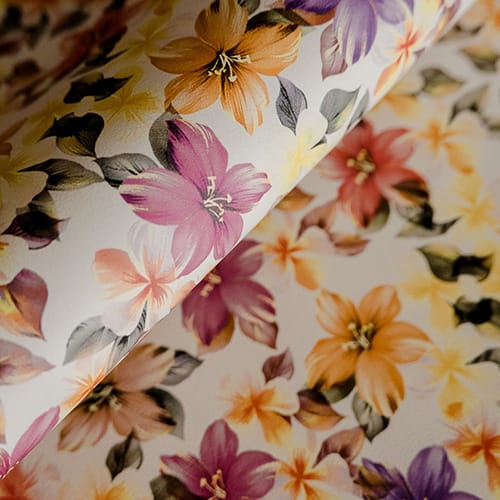
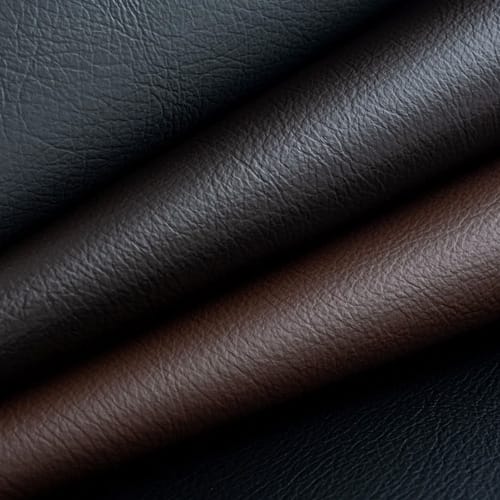
Ketika orang mendengar “cetak kulit,” mereka sering memikirkan dekorasi permukaan sederhana. Pada kenyataannya, pencetakan kulit industri adalah kombinasi dari pelapisan, embossing, transfer warna, dan teknik tekstur.
Pada intinya, pencetakan kulit melibatkan transfer pola, warna, atau tekstur ke permukaan kulit menggunakan tekanan, suhu, atau proses digital yang terkontrol.
Tergantung pada pengaturan Anda, ini dapat mencakup:
- Pencetakan transfer panas
- Pencetakan rol
- Pencetakan tekstur berbasis embossing
- Pola permukaan frekuensi tinggi
Tujuannya bukan hanya estetika, tetapi juga:
- Meningkatkan rasa sentuhan
- Meningkatkan nilai produk yang dirasakan
- Menciptakan desain yang konsisten dan berulang
Mengapa Pencetakan Kulit Menjadi Keunggulan Kompetitif
Di pasar saat ini, pelanggan tidak lagi puas dengan permukaan kulit polos. Mereka mengharapkan:
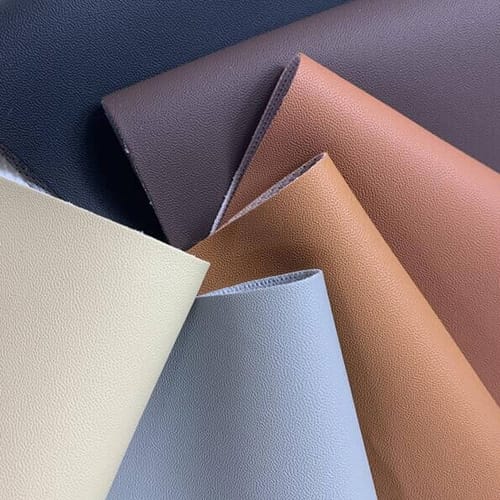
- Tekstur unik
- Pola konsisten
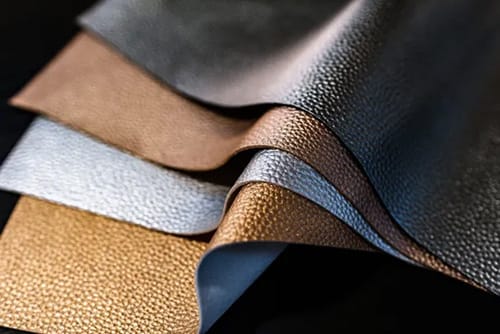
- Selesai premium
Menurut data industri dari laporan pemrosesan bahan sintetis, lebih dari 60% produk kulit bernilai tinggi sekarang melibatkan beberapa bentuk pencetakan permukaan atau embossing.
Bagi Anda sebagai produsen, ini berarti satu hal: jika lini produksi Anda tidak dapat mendukung cetakan kulit berkualitas tinggi, kemungkinan besar Anda kehilangan daya saing.
Bagaimana Pencetakan Kulit Bekerja dalam Praktek
Untuk memahami cara mengoptimalkan proses Anda, Anda perlu melihat bagaimana pencetakan kulit benar-benar terjadi selangkah demi selangkah.
Persiapan Permukaan
Sebelum mencetak, permukaan kulit harus bersih, halus, dan dirawat dengan benar. Setiap ketidakkonsistenan pada tahap ini akan muncul dalam produk akhir.
Transfer Pola
Di sinilah proses inti terjadi. Tergantung pada peralatan Anda, pola ditransfer menggunakan:
- Pelat atau rol yang dipanaskan
- Energi frekuensi tinggi
- Sistem pencetakan berbasis tinta
Bahan kulit melunak di bawah panas atau energi, memungkinkan pola terbentuk secara akurat.
Memperbaiki dan Stabilisasi
Setelah pola diterapkan, bahan didinginkan atau disembuhkan untuk mengunci desain. Ini memastikan daya tahan dan ketahanan terhadap keausan.
Finishing
Pelapis atau perawatan tambahan dapat diterapkan untuk meningkatkan kilap, tekstur, atau perlindungan.
Teknologi Utama yang Digunakan dalam Pencetakan Kulit Modern
Anda memiliki beberapa pilihan ketika datang ke teknologi pencetakan kulit. Masing-masing memiliki keunggulan sendiri tergantung pada tujuan produksi Anda.
Heat Embossing
Ini adalah salah satu metode yang paling banyak digunakan. Ini menggunakan pelat atau rol yang dipanaskan untuk menekan pola ke dalam kulit.
Keuntungan:
- Daya tahan tinggi
- Pola yang jelas dan konsisten
- Cocok untuk produksi skala besar
Pencetakan Frekuensi Tinggi
Metode ini menggunakan energi elektromagnetik untuk melunakkan material dan menerapkan pola.
Keuntungan:
- Cocok untuk bahan yang lebih tebal
- Kecepatan pemrosesan lebih cepat
- Kontrol yang lebih tepat di beberapa aplikasi
Roller Printing Systems
Sistem roller kontinu sangat ideal untuk jalur produksi bervolume tinggi.
Keuntungan:
- Operasi berkelanjutan
- Efisiensi tinggi
- Output konsisten
Studi Kasus Nyata: Meningkatkan Pencetakan Kulit untuk Produk Bernilai Lebih Tinggi
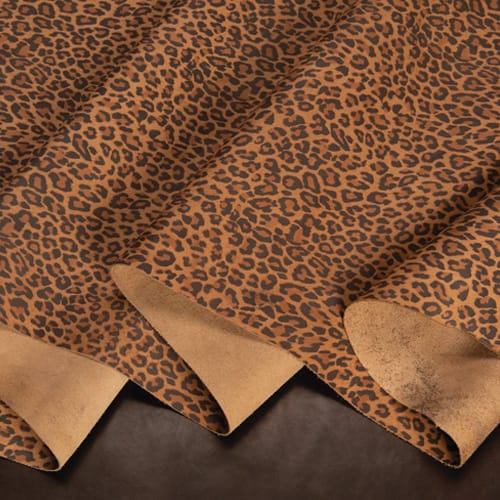
Sebuah produsen yang memproduksi kulit sintetis kelas menengah untuk tas ingin memasuki segmen pasar kelas atas.
Tantangan mereka:
- Variasi pola terbatas
- Kedalaman emboss yang tidak konsisten
- Nilai produk yang dirasakan rendah
Setelah upgrade ke sistem pencetakan kulit modern dengan rol embossing disesuaikan dan kontrol suhu ditingkatkan:
- Tingkat cacat produk turun 18%
- Efisiensi produksi meningkat sebesar 28%
- Harga produk rata-rata meningkat sebesar 22%
Perubahan terbesar tidak hanya teknis—itu strategis. pencetakan yang lebih baik memungkinkan mereka untuk reposisi produk mereka di pasar.
Membandingkan Metode Pencetakan Kulit
| Method | Terbaik Untuk | Keuntungan Utama | Limitation |
|---|---|---|---|
| Heat Embossing | Produk kulit umum | Pola tahan lama | Membutuhkan kontrol temp yang tepat |
| Frekuensi Tinggi | Bahan tebal atau berlapis | Cepat dan efisien | Biaya peralatan yang lebih tinggi |
| Pencetakan Roller | Produksi berkelanjutan | Output tinggi | Kurang fleksibel untuk batch kecil |
| Digital Printing | Desain khusus | Fleksibilitas tinggi | Lebih lambat untuk produksi massal |
Aplikasi yang Bisa Anda Targetkan dengan Leather Print
Pencetakan kulit membuka banyak peluang pasar:
- Bagian atas alas kaki dan elemen dekoratif
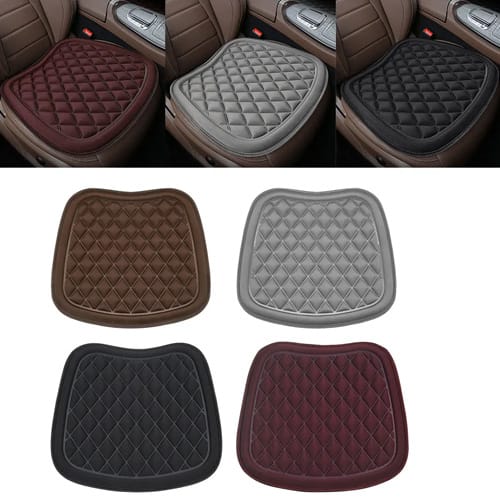
- Panel interior otomotif
- Pelapis furnitur
- Aksesoris fashion seperti tas dan ikat pinggang
- Produk kulit dekoratif
Setiap aplikasi mungkin memerlukan kedalaman pola, kelembutan, dan penyelesaian akhir yang berbeda, sehingga peralatan Anda harus dapat disesuaikan.
Bagaimana Anda Dapat Memilih Peralatan Pencetakan Kulit yang Tepat
Jika Anda berinvestasi dalam sistem pencetakan kulit, berikut adalah faktor-faktor yang harus Anda evaluasi dengan cermat:
Volume Produksi
Apakah Anda memproduksi batch kecil atau volume besar? Ini menentukan apakah Anda memerlukan sistem manual, semi-otomatis, atau sepenuhnya otomatis.
Jenis Bahan
Bahan yang berbeda merespons secara berbeda terhadap panas dan tekanan. Pastikan peralatan Anda mendukung:
- Kulit alami
- PU kulit
- Komposit sintetis
Persyaratan Pola
Jika bisnis Anda bergantung pada variasi desain, pilih peralatan yang mendukung rol atau pelat yang dapat disesuaikan.
Kemampuan Integrasi
Dapatkah sistem pencetakan diintegrasikan ke dalam lini produksi Anda yang ada? Ini sangat penting untuk efisiensi.
Masalah Umum dalam Pencetakan Kulit dan Cara Mengatasinya
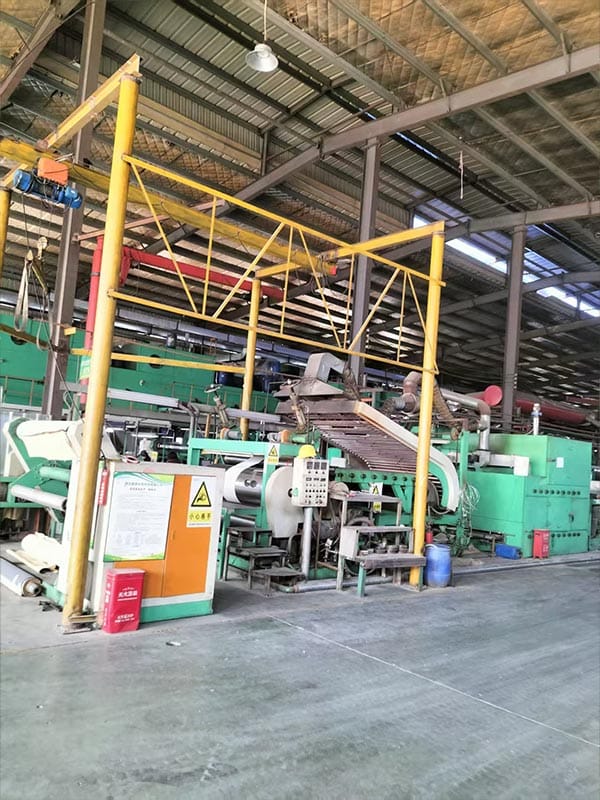
Bahkan sistem canggih dapat menghadapi tantangan. Berikut adalah beberapa masalah yang paling umum:
Pola Tidak Merata
Biasanya disebabkan oleh tekanan atau suhu yang tidak konsisten.
Solusi:
- Kalibrasi peralatan secara teratur
- Pastikan ketebalan material seragam
Pola Memudar
Seringkali karena bahan pengikat yang tidak memadai atau berkualitas rendah.
Solusi:
- Optimalkan proses curing
- Gunakan pelapis yang kompatibel
Kerusakan Permukaan
Dapat diakibatkan oleh panas atau tekanan yang berlebihan.
Solusi:
- Sesuaikan parameter proses
- Uji sebelum produksi penuh
Cara Meningkatkan Efisiensi Produksi
Jika tujuan Anda adalah meningkatkan output tanpa mengorbankan kualitas, fokuslah pada:
- Mengotomatiskan proses yang berulang
- Menggunakan sistem roller kontinu
- Mengoptimalkan zona suhu
- Mengurangi waktu penanganan material
Menurut studi efisiensi manufaktur, jalur produksi yang dioptimalkan dapat meningkatkan throughput hingga 30% sekaligus mengurangi limbah.
Kustomisasi: Kunci Diferensiasi Pasar
Salah satu keuntungan terbesar dari cetak kulit modern adalah kustomisasi.
Anda dapat menjahit:
- Desain pola
- Kedalaman tekstur
- Permukaan selesai
- Lebar produksi
Ini memungkinkan Anda untuk melayani banyak industri tanpa mengubah lini produksi inti Anda.
Tren Masa Depan yang Harus Anda Tonton
Pencetakan kulit berkembang pesat. Berikut adalah beberapa tren yang membentuk masa depan:
- Sistem kontrol cerdas dengan pemantauan waktu nyata
- Integrasi dengan alat desain digital
- Sistem pemanas yang lebih hemat energi
- Kompatibilitas bahan tingkat lanjut
- Peningkatan permintaan untuk tekstur yang disesuaikan
Jika Anda merencanakan investasi jangka panjang, tren ini harus mempengaruhi keputusan Anda.
Tips Praktis untuk Lini Produksi Anda
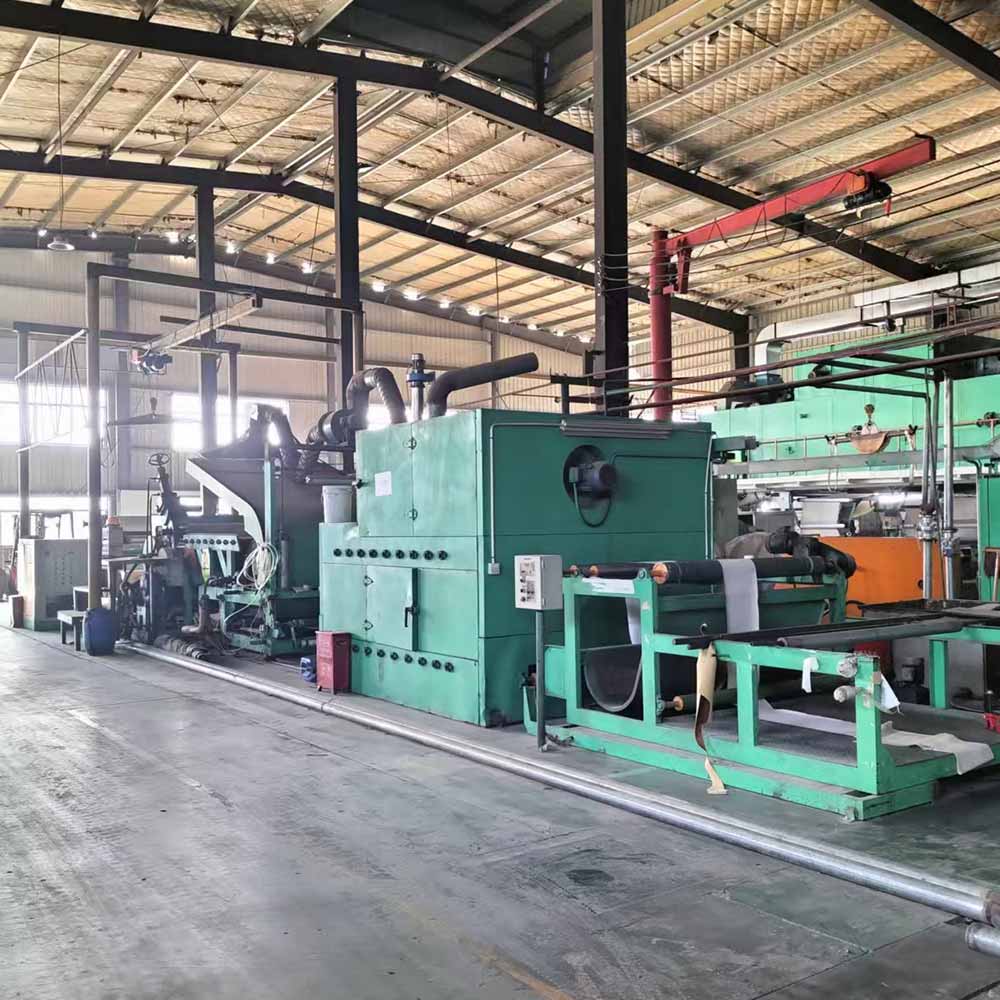
Untuk mendapatkan hasil maksimal dari sistem cetak kulit Anda:
- Uji pola baru pada batch kecil terlebih dahulu
- Menjaga kualitas material yang konsisten
- Pantau suhu dan tekanan dengan cermat
- Melatih operator tentang pengendalian proses
- Simpan catatan produksi terperinci
Perbaikan kecil ini dapat menghasilkan keuntungan jangka panjang yang signifikan.
Kesimpulan
Pencetakan kulit tidak lagi hanya proses dekoratif — itu adalah alat strategis yang dapat mengubah kemampuan produksi Anda dan posisi pasar.
Dengan memahami teknologi, mengoptimalkan proses, dan berinvestasi pada peralatan yang tepat, Anda dapat menghasilkan produk berkualitas lebih tinggi, mengurangi pemborosan, dan meningkatkan profitabilitas.
Jika Anda mendekati pencetakan kulit sebagai bagian inti dari strategi produksi Anda daripada proses tambahan, Anda akan membuka peluang baru baik dalam efisiensi dan nilai produk.
FAQ
Apa yang pencetakan kulit digunakan untuk?
Pencetakan kulit digunakan untuk menambahkan pola, tekstur, dan efek visual pada produk kulit, sehingga meningkatkan tampilan dan nilai.
Bisakah cetak kulit diterapkan pada bahan sintetis?
Ya, sistem modern mendukung kulit alami, kulit PU, dan bahan sintetis lainnya.
Apa metode cetak kulit yang paling umum?
Heat embossing banyak digunakan karena daya tahan dan konsistensinya.
Bagaimana cara memastikan kualitas pencetakan yang konsisten?
Fokus pada suhu stabil, kontrol tekanan, dan persiapan material yang tepat.
Apakah cetakan kulit cocok untuk produksi skala besar?
Ya, terutama saat menggunakan sistem otomatis atau berbasis roller.
Butuh Bantuan Memilih Solusi Pencetakan Kulit yang Tepat?
Jika Anda tidak yakin mesin cetak kulit atau pengaturan produksi mana yang terbaik untuk bahan dan tujuan produksi Anda, para ahli kami siap membantu. Hubungi kami hari ini untuk konsultasi yang dipersonalisasi, dan pastikan produk kulit Anda mencapai kualitas yang konsisten dan efisiensi produksi yang tinggi. Jangan lewatkan kesempatan untuk meningkatkan manufaktur Anda — hubungi sekarang untuk membawa produksi kulit Anda ke tingkat berikutnya!