Daftar Isi
Introduction
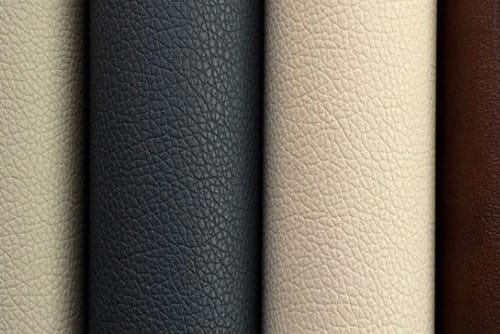
Mencetak pada kulit adalah proses permukaan-finishing penting bagi produsen yang ingin menciptakan warna yang khas, pola, tekstur visual, efek dekoratif, atau desain bermerek pada kulit dan bahan kulit sintetis.
Dalam produksi industri, bagaimanapun, pencetakan yang sukses bukan hanya masalah mentransfer gambar ke permukaan. Substrat, lapisan permukaan, tinta atau media cetak, kondisi roller, ketegangan web, tekanan pencetakan, kecepatan garis, kondisi pengeringan, dan finishing hilir semuanya mempengaruhi hasilnya.
Ini menjadi sangat penting dengan PU dan PVC kulit sintetis. Pola dicetak mungkin terlihat jelas ketika meninggalkan stasiun pencetakan tetapi kemudian mengungkapkan masalah seperti variasi warna, adhesi lemah, tepi kabur, kesalahan pendaftaran, retak, atau perubahan gloss setelah embossing dan perawatan lainnya.
Untuk produsen yang merencanakan atau meningkatkan pencetakan pada kulit, beberapa faktor patut mendapat perhatian khusus:
- Cocokkan metode pencetakan dengan media dan desain.
- Stabilkan permukaan sebelum pencetakan dimulai.
- Kontrol ketegangan web selama produksi berkelanjutan.
- Pertahankan transfer tinta atau lapisan yang konsisten.
- Seimbangkan tekanan pencetakan dan kecepatan saluran.
- Kontrol pengeringan sesuai dengan bahan dan sistem pencetakan.
- Periksa registrasi pola di seluruh proses produksi yang panjang.
- Evaluasi pencetakan setelah embossing dan proses finishing lainnya.
- Catat pengaturan produksi yang berhasil untuk pengulangan.
- Periksa lebar material secara penuh daripada mengandalkan satu sampel.
Oleh karena itu, proses pencetakan yang andal tidak terlalu bergantung pada satu spesifikasi mesin dan lebih bergantung pada seberapa akurat seluruh sistem pemrosesan permukaan dapat dikontrol.
Apa Arti Mencetak di Atas Kulit?
Mencetak pada kulit mengacu pada penerapan warna, grafik, pola dekoratif yang terkontrol, desain berulang, atau efek permukaan pada bahan kulit atau bahan mirip kulit.
Aplikasi industri semakin banyak mencakup bahan sintetis seperti kulit buatan, yang dapat diproduksi dari pelapis polimer yang dikombinasikan dengan tekstil atau struktur pendukung lainnya.
Percetakan dapat menghasilkan:
- pola geometris;
- desain bunga;
- permukaan abstrak;
- simulasi biji-bijian alami;
- efek multicolor;
- logo;
- garis dekoratif;
- gradien nada;
- shading permukaan.
Tergantung pada peralatannya, prosesnya dapat diintegrasikan dengan pencocokan warna, penyesuaian kilap, pelapisan, dan operasi penyelesaian lainnya.
Mencetak Berbeda dengan Embossing
Pencetakan terutama mengubah karakteristik visual materi.
Embossing mengubah geometri permukaan fisik.
Sebuah permukaan kulit dicetak karena itu dapat tetap relatif datar sambil membawa pola visual yang kompleks. Sebuah bahan timbul mungkin memiliki tekstur tiga dimensi yang kuat bahkan ketika itu hanya menggunakan satu warna dasar.
Produsen sering menggabungkan kedua proses tersebut untuk menciptakan permukaan dengan kedalaman visual dan sentuhan.
Mengapa Persiapan Permukaan Datang Sebelum Pencetakan
Banyak masalah pencetakan sebenarnya dimulai sebelum bahan mencapai unit pencetakan.
Jika substrat bervariasi secara signifikan, sistem pencetakan harus terus bekerja dengan kondisi yang berubah.
Kebersihan Permukaan
Debu, serat, minyak, residu pelapis, dan kontaminan lainnya dapat mengganggu perpindahan dan adhesi.
Mereka mungkin menghasilkan:
- area cetak yang hilang;
- lubang jarum;
- adhesi lemah;
- tanda roller berulang;
- warna tidak rata.
Oleh karena itu, persyaratan pembersihan harus didefinisikan sebagai bagian dari proses produksi dan bukan hanya diperlakukan sebagai respons terhadap cacat.
Keseragaman Permukaan
Cek materi yang masuk untuk:
- konsistensi ketebalan;
- keseragaman lapisan;
- variasi gloss;
- tekstur permukaan;
- kerutan;
- stabilitas dimensi.
Mesin cetak tidak dapat sepenuhnya mengkompensasi substrat yang berubah terus menerus di seluruh gulungan.
Kompatibilitas Permukaan
PU, PVC, tekstil berlapis, dan permukaan sintetis lainnya tidak serta merta berinteraksi dengan media cetak yang sama dengan cara yang sama.
Produsen harus memverifikasi kompatibilitas antara lapisan permukaan dan formulasi pencetakan sebelum menetapkan pengaturan produksi skala besar.
Metode Industri Utama untuk Mencetak di Kulit
Teknologi pencetakan yang berbeda melayani kebutuhan produksi yang berbeda.
Metode terbaik tergantung pada:
- kompleksitas desain;
- jumlah warna;
- struktur material;
- panjang produksi;
- lebar kerja;
- pengulangan yang diperlukan.
Pencetakan Roller dan Gravure
Sistem berbasis roller sangat berguna untuk produksi industri berkelanjutan.
Rol berpola atau terukir mentransfer sejumlah lapisan atau warna yang terkontrol ke permukaan material yang bergerak.
Metode ini sangat cocok untuk:
- pola berulang;
- gulungan panjang;
- output berkelanjutan;
- desain permukaan standar;
- produksi berulang.
milik Jinzhihang Mesin Pengolah Dua-Piring/Tiga-Piring Kulit Buatan dirancang untuk pengolahan permukaan kulit buatan PU dan PVC, termasuk pencetakan, pencocokan warna, peningkatan kilap, dan modifikasi warna.
Digital Printing
Pencetakan digital menawarkan fleksibilitas desain yang lebih besar karena roller berukir fisik mungkin tidak diperlukan untuk setiap pola.
Hal ini dapat berguna untuk:
- grafik detail;
- variasi desain;
- pola disesuaikan;
- karya seni multiwarna;
- pengambilan sampel desain baru.
Proses yang tepat masih bergantung pada kompatibilitas substrat, teknologi pengeringan, lebar pencetakan, dan throughput produksi yang diperlukan.
Pencetakan Transfer
Sistem transfer menerapkan desain ke media lain sebelum mentransfernya ke permukaan kulit.
Variabel penting dapat meliputi:
- suhu transfer;
- tekanan;
- waktu kontak;
- sensitivitas substrat;
- perilaku pelepasan.
Pencetakan Berbasis Layar
Sablon dapat menerapkan lapisan bahan cetak yang terkontrol melalui layar yang disiapkan.
Ini dapat berguna untuk efek dekoratif tertentu atau aplikasi di mana deposit lapisan perlu dikontrol dengan hati-hati.
Mencetak pada Metode Kulit Dibandingkan
| Metode Pencetakan | Keuntungan Utama | Produksi Terbaik | Masalah Kontrol Kunci |
|---|---|---|---|
| Pencetakan roller/gravure | Pengulangan pola yang stabil | Produksi berkelanjutan | Akurasi roller dan tegangan |
| Pencetakan digital | Fleksibilitas desain | Desain yang sering berubah | Kompatibilitas permukaan |
| Pencetakan transfer | Persiapan pola terpisah | Permukaan yang kompatibel dengan transfer yang sesuai | Panas dan tekanan |
| Sablon | Deposit material yang terkendali | Efek dekoratif khusus | Konsistensi layar dan lapisan |
| Pencetakan permukaan multi-tahap | Beberapa perawatan visual | Finishing permukaan PU/PVC | Sinkronisasi proses |
Tidak ada teknologi tunggal yang ideal untuk setiap jenis pencetakan pada kulit.
Pertanyaan yang lebih berguna adalah apakah proses yang dipilih sesuai dengan frekuensi desain, substrat, kualitas permukaan, dan kondisi produksi yang dibutuhkan oleh pabrik.
Bagaimana Percetakan Industri pada Kulit Bekerja
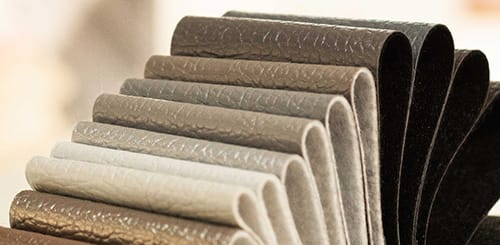
Suatu proses yang berkesinambungan secara umum dapat dibagi menjadi beberapa tahap.
Langkah 1: Material Unwinding
Gulungan memasuki saluran melalui sistem pelepasan.
Pelepasan yang stabil membantu mencegah perubahan mendadak pada ketegangan web.
Langkah 2: Panduan Web
Bahan diposisikan dengan benar sebelum dicetak.
Jika gulungan bergerak ke samping, posisi pola dapat berubah dan lebar material yang dapat digunakan dapat dikurangi.
Langkah 3: Persiapan Permukaan
Tergantung pada substratnya, tahap ini mungkin melibatkan pembersihan, persiapan pelapisan, atau perlakuan awal lainnya.
Tujuannya adalah untuk menciptakan permukaan yang mampu menerima media cetak yang dipilih secara konsisten.
Langkah 4: Transfer Pola
Unit pencetakan menerapkan pola yang diperlukan.
Operator perlu mengontrol:
- tekanan pencetakan;
- pemindahan lapisan;
- posisi pola;
- kecepatan material;
- kondisi roller.
Langkah 5: Pengeringan atau Curing
Lapisan yang baru diaplikasikan harus cukup stabil sebelum memasuki proses lain atau digulung ulang.
Kondisi pengeringan harus sesuai dengan kimia pencetakan dan substrat.
Langkah 6: Pendinginan dan Stabilisasi
Jika melibatkan panas yang signifikan, material mungkin perlu distabilkan sebelum penggulungan akhir.
Langkah 7: Rewinding
Bahan jadi dikumpulkan di bawah tegangan terkendali.
Ketegangan rewinding yang berlebihan dapat meregangkan substrat yang fleksibel dan berpotensi mengubah dimensi pola.
Lima Variabel Utama Yang Mengontrol Kualitas Cetak
1. Ketegangan Web
Tegangan web adalah salah satu variabel terpenting dalam pencetakan terus menerus pada kulit.
Kulit sintetis fleksibel dan dapat meregang saat dibebani.
Jika media membentang di antara stasiun pencetakan, jarak antar elemen cetakan juga berubah.
Hal ini terutama terlihat pada pola warna-warni.
Terlalu Banyak Ketegangan
Ketegangan yang berlebihan dapat berkontribusi pada:
- pemanjangan material;
- lebar berkurang;
- pola terdistorsi;
- kesalahan pendaftaran;
- curling setelah rewinding.
Tensi yang Terlalu Sedikit
Ketegangan yang tidak mencukupi dapat membuat:
- kerutan;
- pelacakan tidak stabil;
- kontak rol yang buruk;
- posisi pola tidak teratur.
Tujuan yang benar adalah pengangkutan material yang stabil daripada tegangan maksimum.
2. Tekanan Pencetakan
Tekanan mempengaruhi kontak antara rol pencetakan dan permukaan.
Tekanan yang tidak mencukupi dapat menyebabkan transfer tidak lengkap.
Tekanan yang berlebihan dapat membuat:
- tepi pola kabur;
- penyebaran lapisan;
- deformasi permukaan;
- perubahan gloss yang tidak diinginkan.
Tekanan ideal harus memberikan transfer yang konsisten tanpa perlu mengompresi atau mendistorsi substrat.
3. Kecepatan Garis
Kecepatan produksi mempengaruhi beberapa tahapan proses secara bersamaan.
Meningkatkan kecepatan dapat berubah:
- waktu kontak;
- pemindahan lapisan;
- waktu pengeringan;
- paparan panas;
- stabilitas web.
Sebuah mesin mungkin memiliki kecepatan maksimum mekanis yang tinggi, tetapi kecepatan produksi yang berarti adalah tingkat di mana bahan yang dapat diterima dapat diproduksi secara terus menerus.
4. Mencetak Konsistensi Menengah
Perubahan media cetak dapat berubah:
- jumlah transfer;
- kepadatan warna;
- definisi tepi;
- perilaku pengeringan.
Oleh karena itu, pengendalian produksi dapat mencakup karakteristik pemantauan seperti viskositas dan konsistensi formulasi sesuai dengan sistem pencetakan yang dipilih.
5. Kondisi Pengeringan
Sebuah cetakan tidak selesai hanya karena telah meninggalkan roller.
Lapisan yang dicetak harus mencapai tingkat stabilisasi yang sesuai.
Pengeringan yang tidak mencukupi dapat berkontribusi pada:
- mengolesi;
- pemblokiran selama penggulungan;
- transfer permukaan;
- penanganan hilir yang buruk.
Paparan termal yang berlebihan dapat mempengaruhi material itu sendiri.
Mengapa Pendaftaran Penting dalam Pencetakan Multicolor
Pendaftaran menggambarkan seberapa akurat elemen cetakan yang berbeda sejajar satu sama lain.
Bayangkan desain geometris tiga warna.
Warna pertama diterapkan dengan benar. Sebelum stasiun kedua, materi sedikit membentang. Posisi cetak kedua karena itu tidak lagi sempurna sejajar dengan yang pertama.
Pada stasiun ketiga, perbedaannya mungkin menjadi lebih terlihat.
Semua rol pencetakan dapat diproduksi dengan benar sementara bahan jadi masih memiliki registrasi yang buruk.
Apa Penyebab Kesalahan Registrasi?
Faktor proses yang umum meliputi:
- variasi ketegangan;
- peregangan substrat;
- sinkronisasi roller;
- pelacakan web;
- perubahan dimensi;
- kecepatan tidak stabil.
Cara Mendiagnosis Masalah Registrasi
Amati apakah ketidakselarasan:
- tetap konstan;
- meningkat secara bertahap;
- muncul hanya selama percepatan;
- terjadi hanya dengan substrat tertentu.
Kesalahan yang meningkat secara bertahap sering kali mengarah pada perilaku atau sinkronisasi dimensi material daripada masalah posisi roller tetap yang sederhana.
Mencetak pada Kulit PU vs Kulit PVC
Baik PU dan bahan sintetis PVC dapat dicetak permukaan, tetapi kondisi proses harus dikembangkan untuk substrat yang sebenarnya.
| Faktor | Kulit PU | Kulit PVC |
|---|---|---|
| Struktur permukaan | Dapat bervariasi secara signifikan berdasarkan sistem pelapisan | Tergantung pada formulasi dan finishing PVC |
| Fleksibilitas | Seringkali variabel proses penting | Bisa berkisar dari fleksibel hingga relatif tegas |
| Respon suhu | Membutuhkan evaluasi yang terkontrol | Kondisi termal juga memerlukan kontrol |
| Pengaruh backing | Dapat secara signifikan mempengaruhi perilaku web | Juga penting dalam struktur komposit |
| Kompatibilitas pencetakan | Harus diverifikasi dengan pelapisan permukaan | Harus diverifikasi dengan formulasi permukaan |
| Praktik terbaik | Uji bahan produksi aktual | Uji bahan produksi aktual |
Poin pentingnya adalah untuk tidak berasumsi bahwa satu resep mesin yang sukses akan bekerja sama baiknya untuk setiap struktur kulit sintetis.
Bagaimana Percetakan dan Embossing Bekerja Bersama
Pencetakan dan embossing dapat menciptakan permukaan yang lebih canggih ketika mereka direncanakan bersama.
Urutan produksi yang umum mungkin:
persiapan permukaan → pencetakan → pengeringan → embossing → finishing pelindung → inspeksi.
Mencetak Sebelum Embossing
Pencetakan pertama memungkinkan tahap embossing untuk menambah kedalaman fisik di bawah desain.
Daerah yang ditinggikan dan tersembunyi dapat membuat warna cetakan tampak berbeda secara visual karena perubahan pantulan cahaya.
Panas dan tekanan juga dapat mempengaruhi permukaan yang dicetak.
Oleh karena itu, persetujuan warna akhir biasanya harus mencerminkan urutan produksi akhir.
Embossing Sebelum Mencetak
Pencetakan setelah embossing dapat secara selektif menyorot bagian-bagian butiran.
Tergantung pada prosesnya, bagian yang terangkat dapat menerima perlakuan visual yang berbeda dari bagian yang tersembunyi.
Cetak dan Tekstur Terdaftar
Beberapa desain memerlukan grafis cetak agar selaras langsung dengan tekstur timbul.
Aplikasi ini menempatkan tuntutan yang lebih tinggi pada:
- ketegangan web;
- stabilitas dimensi;
- pola ulangi;
- sinkronisasi roller.
Bahkan peregangan kecil secara bertahap dapat menyebabkan kedua pola bergerak keluar dari keselarasan.
Cara Mencegah Warna Tidak Merata
Warna yang tidak rata adalah salah satu masalah kualitas yang paling jelas dalam pencetakan pada kulit.
Penyebabnya, bagaimanapun, tidak selalu formulasi warna.
Sumber yang mungkin termasuk:
- permukaan substrat tidak rata;
- mengubah viskositas lapisan;
- tekanan roller tidak teratur;
- kontaminasi;
- pengeringan yang tidak konsisten;
- ketidakstabilan web.
Periksa Pola Cacat
Dimana cacat terjadi dapat memberikan informasi yang berguna.
Jika sisi yang sama dari setiap gulungan tampak lebih ringan, selidiki kondisi mesin yang sistematis.
Jika variasi hanya muncul pada satu batch substrat, perbedaan material perlu mendapat perhatian lebih.
Jika warna berubah secara bertahap melalui proses produksi, periksa variabel proses yang dapat melayang seiring waktu.
Mengapa Tepi Pola Menjadi Kabur
Pola cetak yang tajam bergantung pada transfer yang terkontrol.
Tepi kabur dapat dihasilkan dari:
- media cetak yang berlebihan;
- viskositas yang tidak tepat;
- tekanan berlebihan;
- gerakan web yang tidak stabil;
- kontaminasi permukaan;
- kontaminasi roller.
Meningkatnya tekanan untuk meningkatkan cakupan sebenarnya dapat memperburuk definisi tepi.
Inilah sebabnya mengapa pemecahan masalah harus mempertimbangkan kondisi pencetakan lengkap.
Cara Mendiagnosis Cacat Cetak Berulang
Cacat berulang sangat berguna karena sering kali menunjukkan hubungan mekanis.
Misalkan tanda permukaan muncul secara berkala di seluruh gulungan.
Sumber yang mungkin termasuk:
- sebuah roller yang terkontaminasi;
- ukiran rusak;
- permukaan kontak yang rusak;
- penumpukan material pada komponen yang berputar.
Ukur jarak pengulangan dan bandingkan dengan keliling atau gerakan berulang komponen mesin yang relevan.
Hal ini dapat mempersempit proses pemecahan masalah secara signifikan.
Cara Menguji Pencetakan pada Kulit Sebelum Produksi Penuh
Sampel pendek yang menarik memang berguna, namun tidak membuktikan stabilitas industri.
Pengujian harus mereproduksi kondisi produksi yang realistis.
Uji Substrat yang Berbeda
Sertakan:
- bahan yang paling umum;
- bahan lembut;
- bahan lebih kencang;
- struktur tipis;
- struktur tebal;
- dukungan yang sangat fleksibel;
- permukaan bertekstur.
Jalankan Uji Coba yang Lebih Lama
Produksi yang lebih lama mengungkapkan masalah yang mungkin disembunyikan oleh sampel pendek.
Monitor:
- pendaftaran pola;
- stabilitas warna;
- pengeringan;
- ketegangan;
- pelacakan;
- kontaminasi roller.
Periksa Lebar Penuh
Sampel harus diambil dari:
- kiri;
- pusat;
- right.
Hal ini dapat mengungkapkan perbedaan tekanan, suhu, kondisi permukaan, atau perilaku material dari sisi ke sisi.
Bandingkan Tahapan Gulungan yang Berbeda
Evaluasi materi dari:
- startup;
- produksi tengah;
- produksi kemudian.
Ini membantu mendeteksi penyimpangan bertahap.
Cara Mengevaluasi Kualitas Kulit Cetak
Penampilan harus dievaluasi secara sistematis dan bukan hanya dengan penilaian visual yang cepat.
Definisi Pola
Perhatikan baik-baik:
- garis;
- batas-batas;
- detail halus;
- elemen berulang.
Pola harus tetap dapat dikenali dan stabil sepanjang produksi.
Keseragaman Warna
Bandingkan area di kedua lebar dan panjang.
Gunakan referensi yang ditentukan daripada hanya mengandalkan memori operator.
Adhesi Permukaan
Lapisan pencetakan harus tetap stabil selama operasi yang diharapkan di kemudian hari.
Fleksibilitas
Permukaan yang dicetak dapat dievaluasi setelah ditekuk atau dilenturkan untuk mengungkapkan masalah yang mungkin tidak terlihat saat material tetap datar.
Stabilitas Dimensi
Periksa apakah pola atau dimensi material berubah setelah tegangan web dilepaskan.
Kinerja Hilir
Evaluasi terkuat sering terjadi setelah proses manufaktur berikutnya.
Misalnya:
pencetakan → embossing → laminasi → pemotongan → menjahit.
Jika cetakan gagal hanya setelah embossing, proses pencetakan mungkin masih memerlukan modifikasi.
Buat Resep Pencetakan yang Dapat Diulang
Salah satu peningkatan yang paling berguna dalam produksi industri adalah mengubah pengalaman operator menjadi pengaturan proses yang terdokumentasi.
Untuk setiap desain biasa, catat:
- kode substrat;
- ketebalan bahan;
- identifikasi pola;
- media pencetakan;
- konfigurasi roller;
- pengaturan tekanan;
- kecepatan garis;
- ketegangan web;
- parameter pengeringan;
- finishing hilir;
- referensi disetujui.
Sebuah detail panduan proses mesin cetak kulit juga menunjukkan bagaimana bahan makan, transfer rol, tekanan pencetakan, pengeringan, dan sistem kontrol beroperasi sebagai bagian yang terhubung dari proses pencetakan industri.
Mengapa Resep Proses Penting
Tanpa dokumentasi, hasil yang sukses dapat sangat bergantung pada masing-masing operator.
Ini menjadi sulit ketika produksi mencakup banyak:
- pola;
- substrat;
- warna;
- lebar kerja.
Resep yang divalidasi memberikan titik awal yang diketahui untuk setiap produk yang diulang.
Kontrol Kualitas untuk Mencetak di Kulit
Sistem kendali mutu yang praktis dapat dibagi menjadi empat tahap.
Sebelum Produksi
Periksa:
- substrat yang benar;
- kondisi permukaan;
- identifikasi roller;
- kebersihan mesin;
- media pencetakan;
- resep proses.
Selama Startup
Menyetujui bagian awal yang terbatas.
Memeriksa:
- warna;
- kejelasan pola;
- pendaftaran;
- penampilan permukaan;
- pengeringan.
Selama Produksi Berkelanjutan
Periksa pada interval yang direncanakan.
Periksa keduanya:
kiri → tengah → kanan
dan:
awal → tengah → produksi selanjutnya.
Hal ini mengungkapkan variasi lintas jaringan dan penyimpangan proses.
Setelah Produksi
Biarkan material mencapai kondisi stabil yang sesuai dan evaluasi:
- penampilan roll selesai;
- stabilitas cetak;
- dimensi;
- adhesi;
- kualitas rewinding.
Pemeliharaan Yang Melindungi Kualitas Cetak
Konsistensi pencetakan tergantung pada kondisi mesin.
Jaga Roller Bersih
Akumulasi lapisan dapat mengubah:
- jumlah transfer;
- kejelasan pola;
- kontak roller.
Detail pola halus sangat sensitif terhadap kontaminasi.
Periksa Permukaan Roller
Periksa untuk:
- goresan;
- kerusakan;
- memakai;
- deposito.
Roller yang rusak dapat berulang kali mereproduksi cacat yang sama.
Menjaga Sistem Web-Handling
Memeriksa:
- komponen pemandu;
- bantalan;
- kontrol ketegangan;
- drive;
- sensor.
Ketidakstabilan web mungkin tampak sebagai cacat pencetakan bahkan ketika bagian pencetakan itu sendiri berfungsi dengan benar.
Periksa Kinerja Pengeringan
Sistem pengeringan harus beroperasi secara konsisten di seluruh lebar kerja.
Pengeringan yang tidak merata dapat menciptakan perbedaan baik dalam penampilan dan kinerja permukaan.
Kesalahan Umum dalam Percetakan Industri pada Kulit
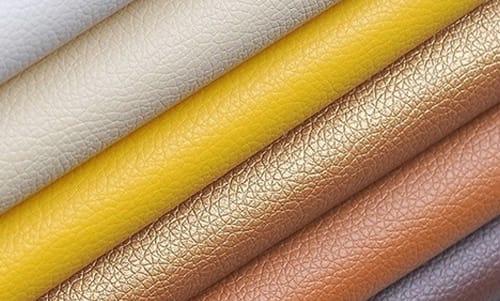
Berfokus Hanya pada Warna
Warna itu penting, tetapi warna yang baik tidak mengimbangi:
- pendaftaran yang buruk;
- adhesi lemah;
- ketidakstabilan dimensi;
- pola kabur.
Memilih Kecepatan Maksimum
Proses yang lebih cepat hanya berguna jika kualitas tetap stabil.
Kecepatan produksi yang dapat digunakan lebih berarti daripada kecepatan mekanis maksimum mesin.
Menguji Hanya Satu Substrat
Satu bahan mudah tidak mewakili keseluruhan rangkaian produksi.
Gunakan substrat yang sulit selama pengujian.
Mengabaikan Ketegangan Web
Akurasi pola tergantung pada dimensi substrat.
Sebuah sistem pencetakan tidak dapat mempertahankan pendaftaran yang sempurna jika materi itu sendiri terus meregang.
Menyetujui Cetak Sebelum Finishing Hilir
Embossing, coating, laminasi, panas, dan penanganan dapat mengubah permukaan akhir.
Persetujuan harus mencerminkan rute produksi akhir yang sebenarnya.
Mengubah Beberapa Parameter Sekaligus
Jika tekanan, kecepatan, tegangan, dan pengeringan diubah secara bersamaan, akan sulit untuk mengidentifikasi penyesuaian mana yang benar-benar meningkatkan hasil.
Pengujian terkontrol menghasilkan pengetahuan produksi yang lebih berguna.
Pencetakan Praktis pada Daftar Periksa Proses Kulit
| Pertanyaan | Mengapa Itu Penting |
|---|---|
| Substrat apa yang sedang dicetak? | Menentukan kompatibilitas permukaan |
| Apakah materinya stabil secara dimensi? | Mempengaruhi akurasi pola |
| Desain apa yang diperlukan? | Menentukan teknologi pencetakan |
| Berapa banyak warna yang terlibat? | Mempengaruhi persyaratan pendaftaran |
| Lebar kerja apa yang dibutuhkan? | Menentukan konfigurasi peralatan |
| Apakah permukaannya sudah bertekstur? | Mempengaruhi transfer coating |
| Berapa kecepatan jalur yang dibutuhkan? | Mempengaruhi kontak dan pengeringan |
| Apa yang terjadi setelah mencetak? | Menentukan standar kualitas akhir |
| Apakah materialnya akan timbul? | Dapat mengubah warna dan tampilan pola |
| Apakah pengaturan yang berhasil dapat direproduksi? | Menentukan konsistensi produksi |
Daftar periksa ini lebih berguna daripada mengevaluasi sistem pencetakan hanya melalui kecepatan maksimum atau lebar kerja.
Kesimpulan
Mencetak pada kulit harus diperlakukan sebagai proses rekayasa permukaan yang terintegrasi dan bukan sekadar menambahkan warna pada suatu bahan.
Pencetakan industri yang sukses tergantung pada substrat yang stabil, penanganan web yang akurat, tekanan terkontrol, media cetak yang konsisten, registrasi yang andal, pengeringan yang sesuai, dan koordinasi dengan embossing, laminasi, dan proses finishing lainnya.
Strategi produksi terkuat adalah menguji material nyata, mendokumentasikan pengaturan yang berhasil, memeriksa lebar material secara lengkap, memantau kondisi selama proses produksi yang lebih lama, dan mengevaluasi permukaan cetakan setelah proses hilirnya.
Ketika suatu pola dapat direproduksi tidak hanya sekali, tetapi berulang kali di berbagai gulungan dan proses produksi, pencetakan menjadi proses manufaktur yang terkontrol dan bukan operasi coba-coba visual.
Bagi produsen kulit sintetis, pengulangan tersebut sangat penting karena tampilan permukaan sering kali menjadi salah satu indikator konsistensi produksi yang paling terlihat.
FAQ
Apa itu pencetakan pada kulit?
Mencetak pada kulit adalah proses menerapkan warna, grafik, pola, atau efek permukaan dekoratif pada kulit atau kulit sintetis. Metode industri dapat mencakup pencetakan berbasis roller, gravure, digital, transfer, dan layar tergantung pada bahan dan desain yang diperlukan.
Bisakah pencetakan pada kulit digunakan pada bahan PU dan PVC?
Ya. Kulit sintetis PU dan PVC dapat dicetak ketika lapisan permukaan, media cetak, proses pengeringan, dan pengaturan mesin kompatibel. Karena struktur material yang berbeda merespons secara berbeda, produsen harus menguji sampel produksi aktual sebelum menstandardisasi parameter.
Apa yang menyebabkan pola kabur saat mencetak pada kulit?
Pola kabur dapat dihasilkan dari bahan cetak yang berlebihan, viskositas yang tidak sesuai, tekanan rol tinggi, gerakan web yang tidak stabil, rol yang terkontaminasi, atau variasi permukaan. Diagnosis terbaik mengidentifikasi di mana pola pertama kali kehilangan definisi alih-alih menyesuaikan tekanan saja.
Bagaimana produsen dapat meningkatkan konsistensi warna saat mencetak pada kulit?
Gunakan substrat yang stabil, sampel referensi yang disetujui, formulasi pencetakan terkontrol, rol bersih, tekanan konsisten, tegangan web stabil, kondisi pengeringan yang sesuai, dan pemeriksaan rutin di seluruh gulungan. Parameter produksi yang berhasil juga harus didokumentasikan untuk pengulangan berjalan.
Apakah pencetakan pada kulit dapat dikombinasikan dengan embossing?
Ya. Pencetakan dan embossing sering digabungkan untuk membuat permukaan dengan tekstur warna dan tiga dimensi. Pencetakan dapat diselesaikan sebelum atau sesudah embossing tergantung pada efek yang diinginkan, sementara desain terdaftar membutuhkan ketegangan dan kontrol dimensi yang sangat akurat.