Jika Anda bekerja di industri kulit sintetis, Anda sudah tahu itu Kulit PVC adalah salah satu bahan yang paling banyak digunakan dalam manufaktur global. Dari interior otomotif hingga furnitur, alas kaki, dan aksesori mode, kulit PVC terus memainkan peran utama karena keseimbangan antara biaya, daya tahan, dan fleksibilitas desain.
Tapi inilah tantangan sebenarnya: memproduksi kulit sintetis PVC berkualitas tinggi secara konsisten dalam skala tidak hanya tentang bahan baku. Ini sangat tergantung pada proses produksi Anda, konfigurasi peralatan, dan seberapa baik Anda mengontrol setiap tahap manufaktur.
Dalam panduan ini, Anda akan berjalan melalui perspektif industri penuh produksi kulit sintetis PVC, termasuk bagaimana itu dibuat, peralatan apa yang Anda butuhkan, bagaimana meningkatkan kualitas, kasus produksi nyata, dan bagaimana mengoptimalkan pabrik Anda untuk efisiensi yang lebih baik dan tingkat cacat yang lebih rendah.
Daftar Isi
Apa Kulit PVC Sebenarnya Dalam Produksi Industri
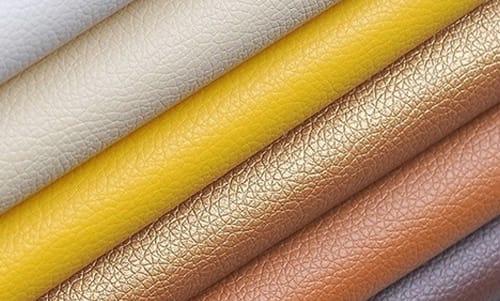
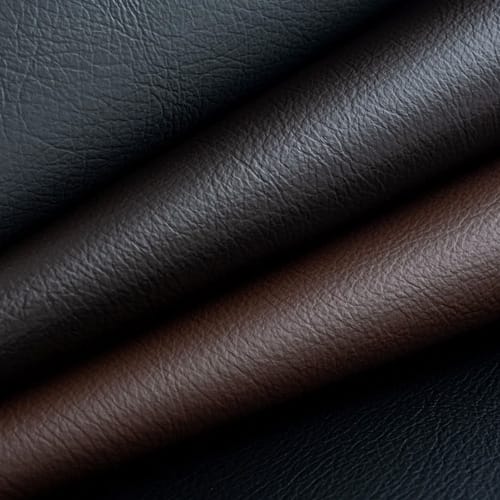
Kulit PVC, juga dikenal sebagai kulit sintetis polivinil klorida, adalah bahan buatan manusia yang dirancang untuk meniru penampilan dan kinerja kulit alami sambil menawarkan kontrol biaya dan fleksibilitas pemrosesan yang lebih baik.
Dalam produksi industri, kulit PVC biasanya dibuat dengan melapisi dasar kain dengan resin PVC, plasticizer, stabilisator, dan aditif fungsional. Hasilnya adalah bahan berlapis yang dapat direkayasa untuk tingkat kelembutan, tekstur, dan persyaratan daya tahan yang berbeda.
Tidak seperti kulit alami, kulit PVC memungkinkan Anda untuk sepenuhnya mengontrol:
- Ketebalan
- Tekstur permukaan
- Stabilitas warna
- Tahan air
- Tahan api (dalam formulasi lanjutan)
Fleksibilitas inilah yang menyebabkan banyak digunakan dalam industri produksi massal.
Mengapa Kulit PVC Masih Diminati Secara Global
Bahkan dengan munculnya PU dan bahan sintetis lainnya, kulit PVC tetap menjadi pilihan yang kuat bagi produsen karena efisiensi biaya dan stabilitas pemrosesan.
Berdasarkan laporan penggunaan bahan industri di sektor kulit sintetis, bahan berbasis PVC masih menyumbang porsi yang signifikan terhadap produksi kulit kelas bawah hingga menengah, terutama pada barang konsumsi bervolume tinggi.
Alasan utamanya meliputi:
- Biaya bahan baku lebih rendah dibandingkan dengan sistem PU
- Kontrol produksi yang lebih mudah dalam jalur kontinu
- Ketahanan yang kuat terhadap kelembaban dan keausan
- Kemampuan beradaptasi yang tinggi untuk desain embossing dan permukaan
Bagi Anda sebagai produsen, ini berarti kulit PVC dapat menjadi lini produk yang stabil dengan margin yang dapat diprediksi jika sistem produksi Anda dioptimalkan dengan baik.
Bagaimana Kulit PVC Dibuat di Lini Produksi Industri
Memahami proses produksi sangat penting jika Anda ingin meningkatkan efisiensi atau mengurangi cacat di pabrik Anda.
Langkah 1: Persiapan Kain Dasar
Prosesnya dimulai dengan memilih dan menyiapkan bahan dasar kain, yang dapat berupa poliester, kapas, atau tekstil campuran.
Persyaratan utama:
- Ketebalan seragam
- Permukaan bersih tanpa kontaminasi
- Ketegangan stabil selama makan
Setiap ketidakkonsistenan pada tahap ini akan mempengaruhi kualitas lapisan nantinya.
Langkah 2: Formulasi Pelapisan PVC
Campuran PVC dibuat menggunakan:
- PVC resin
- Pemlastis
- Stabilisator
- Pengisi dan aditif
Formulasi menentukan:
- Kelembutan
- Fleksibilitas
- Resistensi panas
- Tekstur akhir
Penyesuaian kecil dalam formulasi dapat mengubah kinerja produk secara signifikan.
Langkah 3: Aplikasi Pelapisan
Campuran PVC diaplikasikan pada kain menggunakan mesin pelapis.
Tahap ini menentukan:
- Keseragaman ketebalan
- Kelancaran permukaan
- Kekuatan adhesi
Ketebalan lapisan tipikal berkisar antara 0,3 mm hingga 1,2 mm tergantung pada aplikasinya.
Langkah 4: Proses Gelasi dan Pemanasan
Bahan yang dilapisi memasuki oven pemanas tempat partikel PVC menyatu menjadi lapisan kontinu.
Kontrol suhu sangat penting:
- Terlalu rendah → ikatan lemah
- Terlalu tinggi → deformasi permukaan
Tahap ini mendefinisikan stabilitas struktural akhir dari kulit PVC.
Langkah 5: Embossing dan Finishing Permukaan
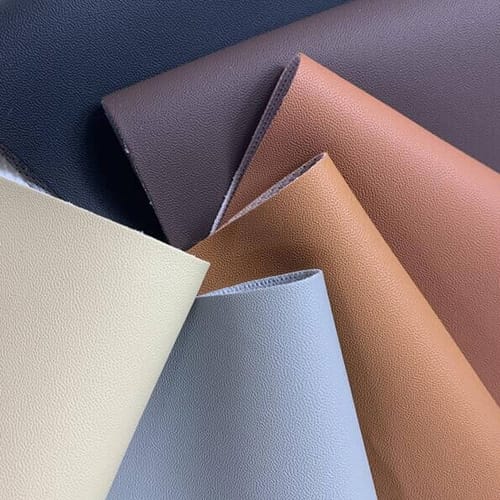
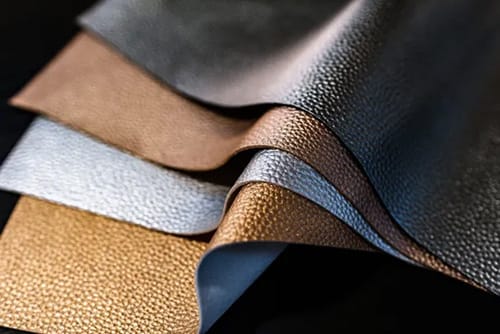
Setelah gel, bahan dilewatkan melalui rol embossing untuk membuat tekstur seperti:
- Pola butiran
- Matte selesai
- Permukaan mengkilap
Di sinilah kulit PVC mendapatkan penampilan “seperti kulit”.
Langkah 6: Pendinginan dan Penggulungan
Produk akhir didinginkan, diperiksa, dan digulung untuk disimpan atau diproses lebih lanjut.
Peralatan Kunci Digunakan dalam Produksi Kulit Sintetis PVC
Lini produksi kulit PVC lengkap biasanya mencakup:
- Mesin coating
- Pengeringan dan gelasi oven
- Unit emboss
- Sistem pendingin
- Sistem kontrol belitan dan tegangan
Setiap komponen memainkan peran penting dalam memastikan konsistensi.
Perbandingan Parameter Produksi Kulit PVC
| Tahap Proses | Faktor Kontrol Kunci | Masalah Umum Jika Tidak Terkendali | Dampak Terhadap Kualitas Produk |
|---|---|---|---|
| Coating | Keseragaman ketebalan | Permukaan tidak rata | Penampilan buruk |
| Formulasi pencampuran | Rasio plasticizer | Bahan keras atau rapuh | Berkurangnya fleksibilitas |
| Pemanasan | Stabilitas suhu | Deformasi atau ikatan lemah | Ketidakstabilan struktural |
| Embossing | Keseimbangan tekanan | Pola terdistorsi | Kualitas visual rendah |
| Pendinginan | Kontrol kecepatan | Kerutan | Cacat permukaan |
Kasus Produksi Nyata: Meningkatkan Kualitas Kulit PVC dalam Pengaturan Pabrik
Produsen kulit sintetis yang memproduksi kulit PVC untuk aplikasi furnitur menghadapi masalah umum: tekstur permukaan yang tidak konsisten dan tingkat penolakan yang tinggi.
Masalah utamanya adalah:
- Ketebalan lapisan tidak merata
- Kontrol suhu yang buruk di oven
- Tekanan embossing tidak teratur
Setelah mengoptimalkan lini produksi mereka, termasuk desain aliran udara yang ditingkatkan dan kalibrasi embossing yang lebih baik, mereka mencapai:
- 25% pengurangan tingkat cacat
- 18% peningkatan efisiensi produksi
- Konsistensi kilap permukaan yang lebih stabil
Peningkatan utamanya bukanlah mengubah material, namun meningkatkan pengendalian proses.
Aplikasi Kulit PVC yang Bisa Anda Targetkan
Kulit PVC digunakan di berbagai industri, dan memahami aplikasi ini membantu Anda memposisikan strategi produksi Anda:
- Pelapis furnitur (sofa, kursi)
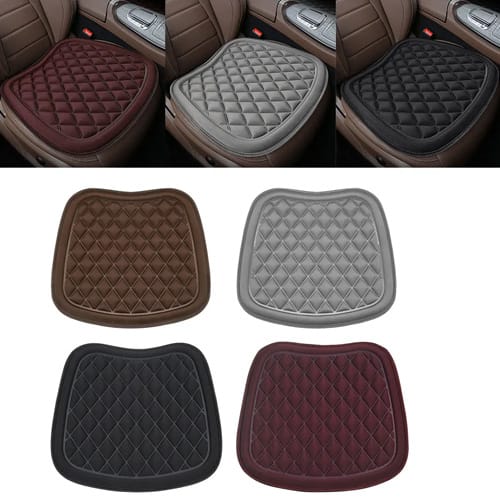
- Interior otomotif (sarung jok, dashboard)
- Komponen alas kaki
- Tas dan bagasi
- Bahan interior dekoratif
- Penutup pelindung industri
Setiap aplikasi membutuhkan tingkat kelembutan, tekstur, dan daya tahan yang berbeda.
Bagaimana Anda Dapat Meningkatkan Kualitas Produksi Kulit PVC
Jika Anda mengelola lini produksi, berikut adalah strategi optimasi praktis:
Kontrol Konsistensi Formulasi Anda
Bahkan variasi kecil dalam rasio plasticizer dapat mempengaruhi fleksibilitas.
Meningkatkan Zonasi Suhu
Pemanasan multi-zona memastikan gelasi lebih stabil.
Standarisasi Ketebalan Lapisan
Sistem otomatis mengurangi kesalahan manusia.
Menjaga Keseimbangan Tekanan Embossing
Tekanan yang tidak merata menyebabkan pola permukaan yang tidak konsisten.
Tegangan Bahan Monitor
Pemberian makan yang stabil mencegah keriput dan distorsi.
Masalah dan Solusi Produksi Umum
Masalah: Gelembung permukaan
Penyebab: Pemanasan cepat atau udara yang terperangkap
Solusi: Meningkatkan proses pra-pemanasan dan degassing
Masalah: Adhesi lemah
Penyebab: Rasio formulasi salah
Solusi: Sesuaikan plasticizer dan keseimbangan resin
Masalah: Embossing tidak rata
Penyebab: Ketidakseimbangan tekanan roller
Solusi: Mengkalibrasi ulang sistem embossing
Tren Masa Depan dalam Manufaktur Kulit Sintetis PVC
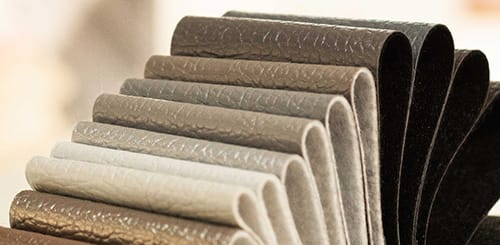
Industri ini berkembang menuju:
- Formulasi PVC dengan emisi lebih rendah
- Sistem pemanas hemat energi
- Lini produksi otomatis dengan pemantauan real-time
- Teknologi emboss multi-tekstur
- Sistem material hibrida yang menggabungkan lapisan PVC dan PU
Tren ini membentuk bagaimana pabrik-pabrik modern bersaing di pasar global.
Wawasan Praktis untuk Strategi Produksi Anda
Jika Anda ingin tetap kompetitif, fokus Anda tidak hanya pada bahan baku, tetapi pada:
- Stabilitas proses
- Presisi peralatan
- Konsistensi produksi
- Optimalisasi energi
Pabrik yang mengendalikan faktor-faktor ini dengan baik biasanya adalah pabrik yang mencapai biaya per unit yang lebih rendah dan kualitas produk yang lebih tinggi.
Kesimpulan
Kulit PVC tetap menjadi salah satu bahan sintetis yang paling praktis dan banyak digunakan dalam produksi industri. Namun, mencapai kualitas yang konsisten membutuhkan lebih dari sekadar pengaturan produksi dasar.
Dengan memahami setiap tahap proses —dari pelapisan ke embossing — dan mengoptimalkan lini produksi Anda sesuai, Anda dapat secara signifikan meningkatkan efisiensi, mengurangi cacat, dan memperluas aplikasi produk Anda.
Bagi produsen, kulit sintetis PVC bukan hanya bahan — itu adalah peluang produksi yang dapat diskalakan ketika dikelola dengan benar.
FAQ
Apa yang Kulit PVC digunakan untuk?
Kulit PVC banyak digunakan dalam furnitur, interior otomotif, alas kaki, tas, dan bahan dekoratif.
Apakah kulit sintetis PVC tahan air?
Ya, kulit PVC memiliki ketahanan air yang kuat karena struktur lapisan sintetisnya.
Apa perbedaan antara PVC dan PU kulit?
PVC lebih kaku dan hemat biaya, sedangkan PU lebih lembut dan bernapas.
Bisakah kulit sintetis PVC disesuaikan?
Ya, itu dapat disesuaikan dalam ketebalan, warna, tekstur, dan permukaan akhir.
Apakah kulit sintetis PVC cocok untuk produksi massal?
Ya, ini adalah salah satu bahan paling stabil untuk produksi industri berkelanjutan.
Butuh Bantuan Memilih Solusi Produksi Kulit PVC yang Tepat?
Jika Anda tidak yakin lini produksi kulit sintetis PVC mana yang terbaik untuk pabrik, bahan, atau persyaratan produk Anda, para ahli kami siap membantu. Hubungi kami hari ini untuk konsultasi yang dipersonalisasi, dan pastikan produk kulit PVC Anda mencapai kualitas yang stabil, efisiensi tinggi, dan kinerja yang andal. Jangan menunggu sampai masalah produksi memengaruhi bisnis Anda — hubungi sekarang untuk mengoptimalkan proses pembuatan kulit PVC Anda!