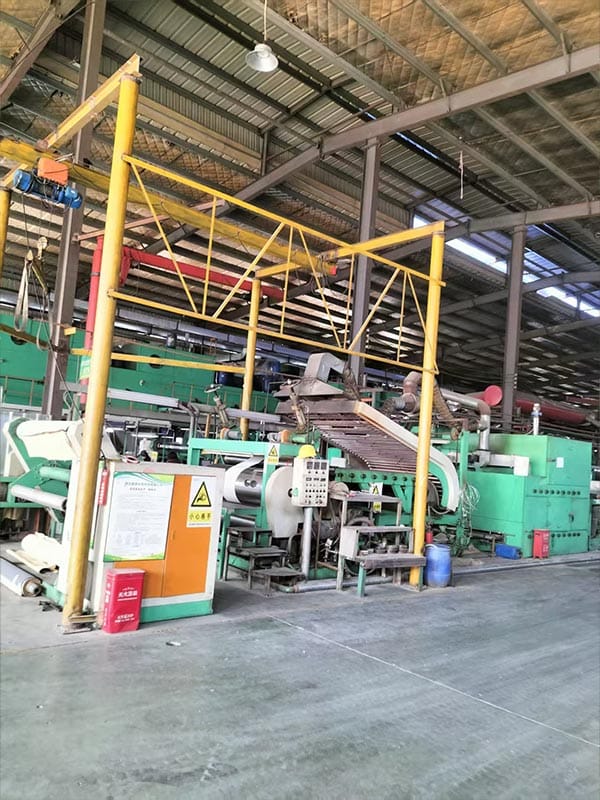
If you are involved in leather manufacturing, customization, or product development, you have likely come across the term leather printing machine more than once. But understanding how it actually works—and more importantly, how it creates consistent, high-quality surface finishes—can give you a real advantage when choosing the right equipment or optimizing your production line.
In 2026, leather processing is no longer just about decoration. It is about precision, efficiency, environmental adaptability, and scalability. Whether you are running a small workshop or managing an industrial production line, knowing how a leather printing machine functions will help you make smarter technical and commercial decisions.
This guide breaks everything down in a practical, easy-to-understand way while also giving you deeper insights drawn from real industrial processes and engineering principles.
Table of Contents
What Is a Leather Printing Machine?
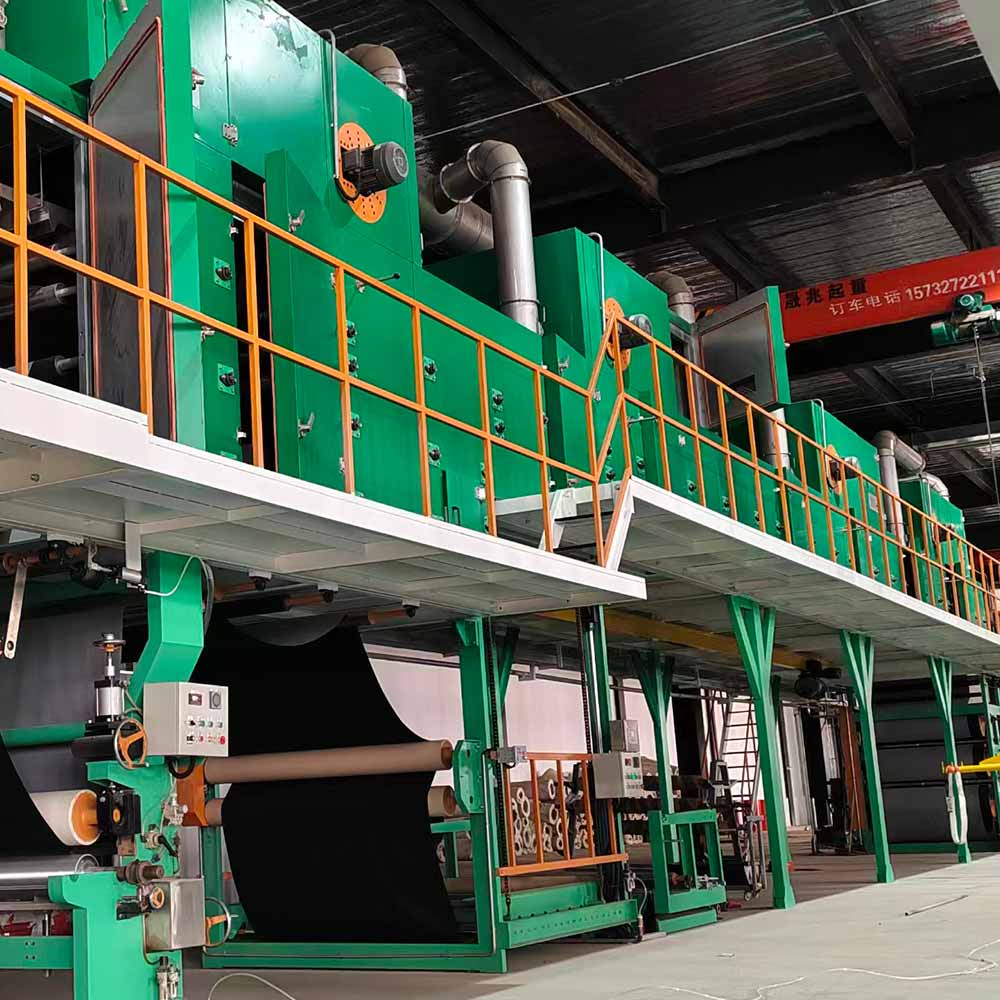
A leather printing machine is a specialized industrial system designed to apply patterns, colors, textures, and surface finishes onto leather materials. These materials include both natural leather and artificial leather such as PU (polyurethane) and PVC (polyvinyl chloride).
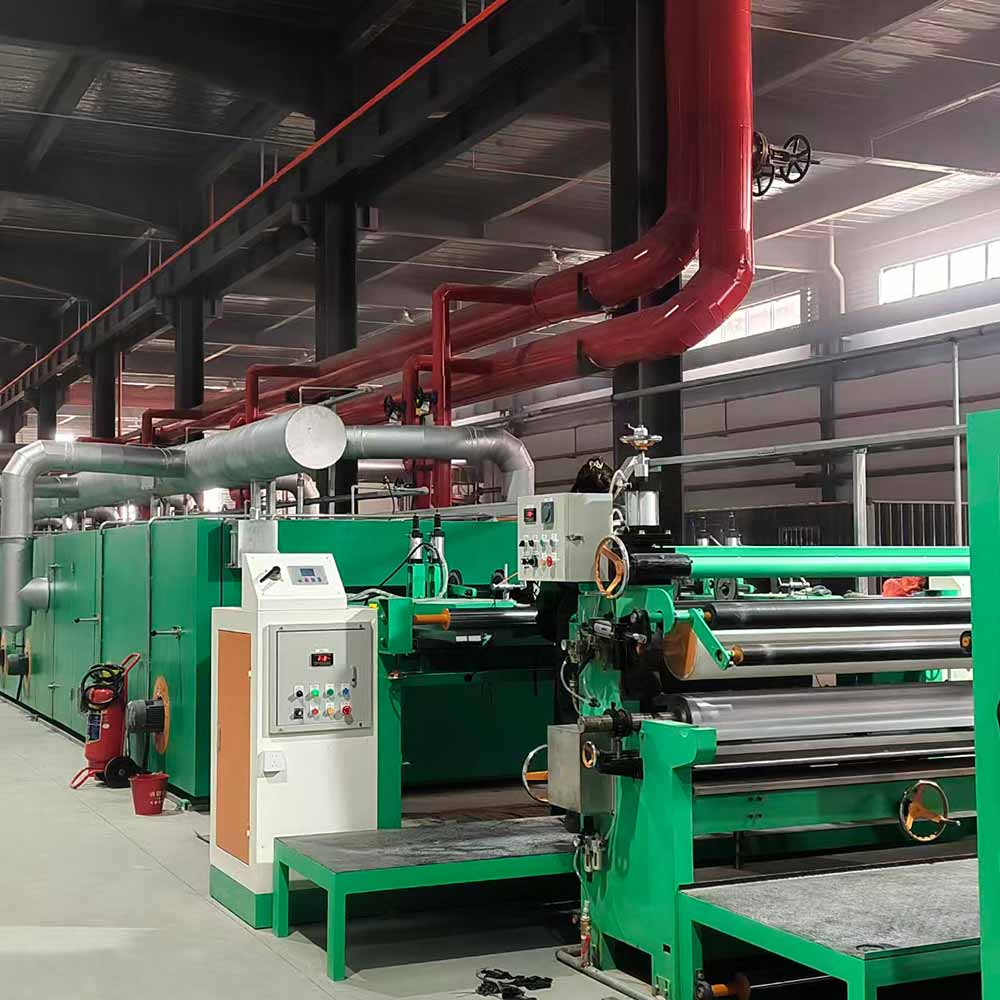
Unlike traditional printing equipment, a leather printing machine does not simply transfer ink onto a surface. It integrates multiple processes such as coating, pressure bonding, heat treatment, and surface modification to achieve durable and visually consistent results.
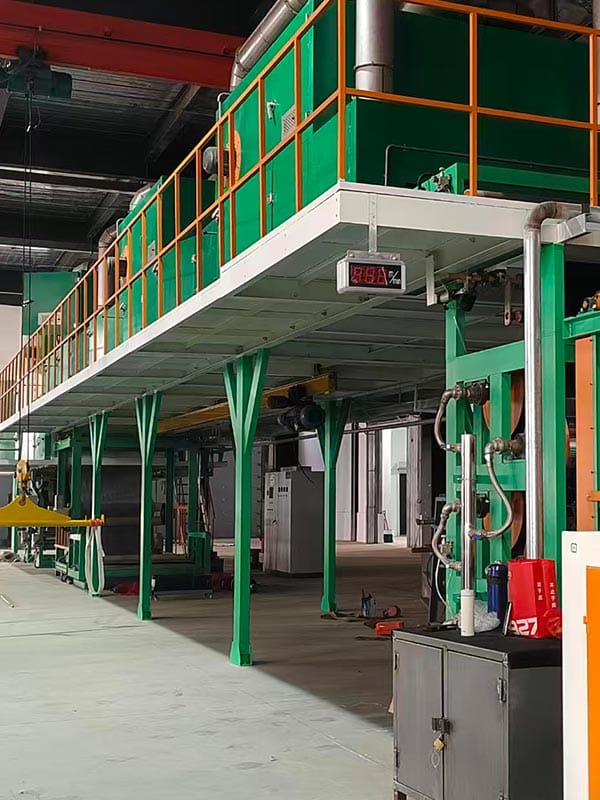
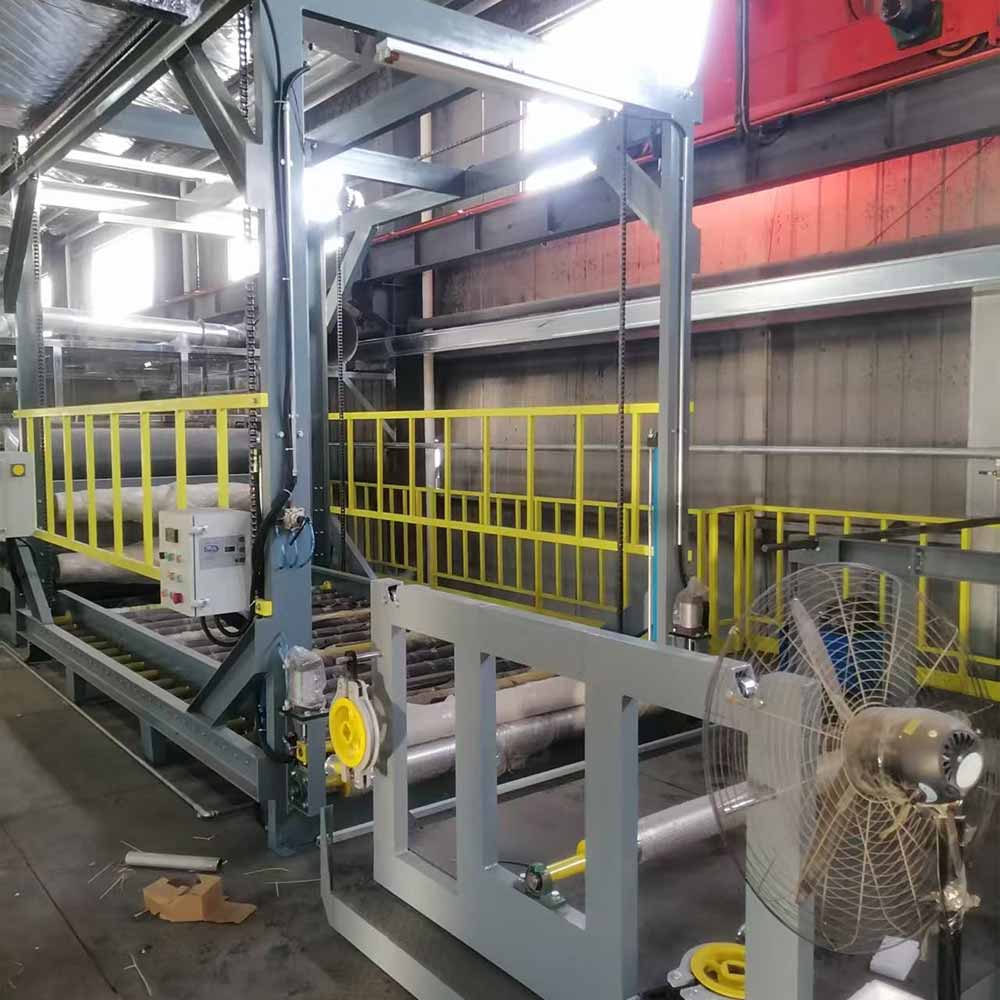
In modern manufacturing, especially for synthetic leather, these machines are not standalone tools. They are core components of a larger surface processing system, often integrated into continuous production lines.
According to industry reports published by materials processing associations, over 70 percent of artificial leather finishing processes now rely on integrated printing and coating systems rather than manual or semi-automatic methods. This shift reflects the demand for consistency, scalability, and reduced human error.
Types of Leather Printing Machines in the Market
Understanding the different types of leather printing machines helps you align your choice with your production needs.
Digital Leather Printing Machines
Digital machines typically use inkjet or UV printing technology. They are ideal for:
- Small batch production
- Custom designs
- Rapid prototyping
They offer flexibility but are limited in throughput and durability compared to industrial systems.
Industrial Leather Printing Machines
These machines are designed for continuous, large-scale production. They are commonly used in manufacturing environments where:
- High output is required
- Surface consistency is critical
- Integration with production lines is necessary
Artificial Leather Processing Machines (Two-Plate / Three-Plate)
This is where your product category stands out.
Unlike conventional printers, artificial leather two-plate and three-plate processing machines are comprehensive surface treatment systems. They do not only print but also:
- Apply coatings
- Adjust color tones
- Enhance gloss
- Modify surface properties
These machines are specifically designed for PU and PVC materials and are widely used in industrial environments where precision and efficiency are essential.
How Does a Leather Printing Machine Work? (Step-by-Step Process)
To truly understand the value of a leather printing machine, you need to look at the entire workflow.
Step 1 – Material Preparation (PU/PVC Leather)
Before any printing happens, the leather surface must be properly prepared. This includes:
- Cleaning to remove dust and oils
- Surface smoothing
- Pre-treatment coatings if required
Poor preparation can lead to uneven printing and weak adhesion.
Step 2 – Ink or Coating Application
Instead of simple ink spraying, industrial machines apply specialized coatings or pigments. These are engineered to bond with synthetic leather surfaces.
The coating must be evenly distributed, which is achieved through controlled rollers or plate systems.
Step 3 – Printing and Pattern Transfer
The design or texture is transferred onto the leather using pressure and contact mechanisms. In industrial machines, this often involves:
- Engraved plates
- Transfer rollers
- Layered coating techniques
Step 4 – Pressure and Temperature Control
This is one of the most critical stages.
By applying controlled pressure and heat, the machine ensures that the coating bonds firmly with the leather surface. The combination of these two factors determines:
- Adhesion strength
- Surface smoothness
- Pattern clarity
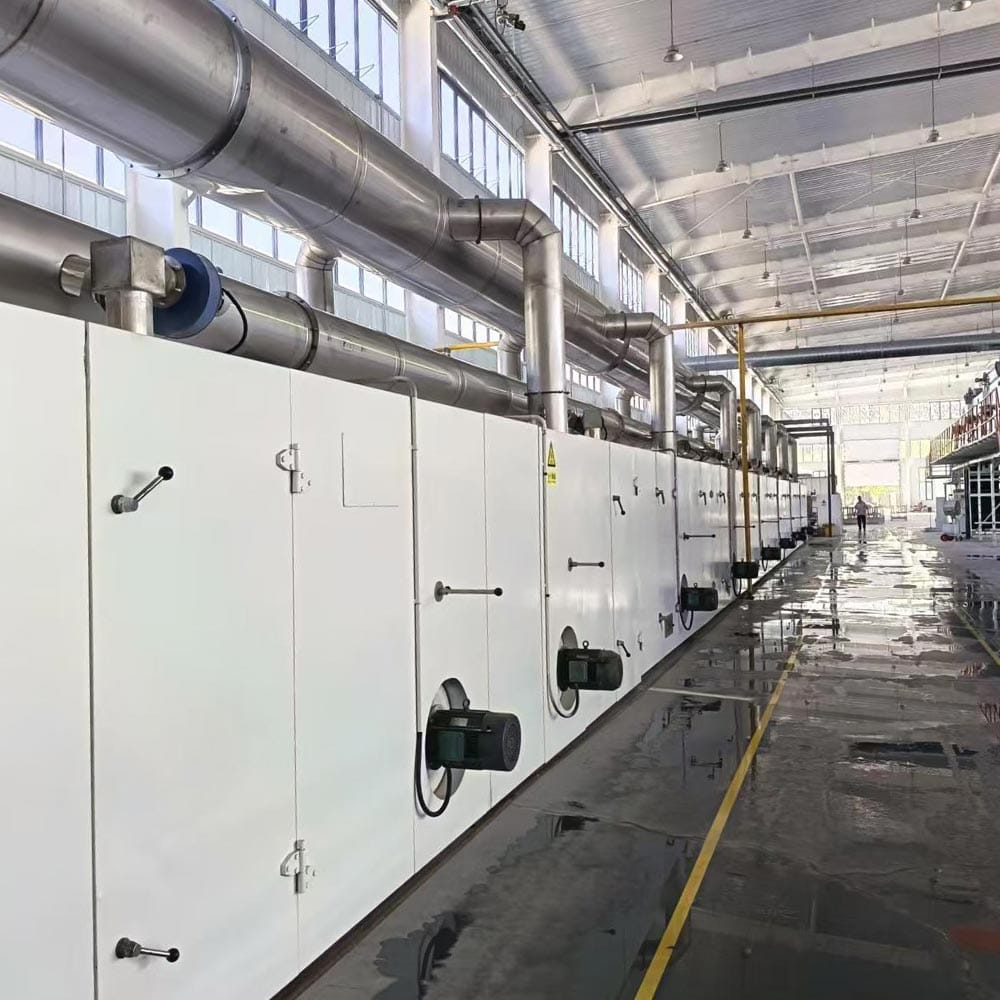
Step 5 – Drying and Finishing
Finally, the material undergoes drying or curing. This stabilizes the surface and ensures durability.
At this stage, additional finishing processes such as gloss enhancement or texture adjustment may also be applied.
Working Principle of Two-Plate and Three-Plate Leather Processing Machines
The core innovation of modern leather printing machines lies in their structural design.
Two-plate and three-plate systems are engineered to perform multiple processes simultaneously in a continuous workflow.
Role of Plate Configuration
Two-plate machines are typically used for standard surface processing. They offer:
- High efficiency
- Stable operation
- Consistent results
Three-plate machines are designed for more complex applications. They allow:
- Multi-layer processing
- Advanced surface effects
- Greater flexibility in design
Key Control Factors
The performance of these machines depends on precise control of:
- Temperature
- Pressure
- Plate alignment
- Material feeding speed
By synchronizing these parameters, the machine ensures uniform coating transfer and strong adhesion.
Key Functions of a Modern Leather Printing Machine
Modern leather printing machines are multifunctional systems. Their core capabilities include:
Surface printing
They can produce clear and consistent patterns on artificial leather surfaces.
Color matching and adjustment
Advanced systems allow precise control of color tones to meet design specifications.
Gloss enhancement
The machine can increase surface brightness, improving the visual appeal of the final product.
Color transformation
It supports flexible color changes, enabling diverse product designs without replacing materials.
Advantages of Industrial Leather Printing Machines
Industrial leather printing machines provide several advantages over traditional methods.
They ensure high consistency across large production batches. This is critical in industries where product uniformity directly affects brand perception.
They improve adhesion between coatings and the leather surface. This leads to longer-lasting products.
They support continuous production, significantly increasing efficiency.
They are compatible with both PU and PVC materials, making them versatile.
They offer flexible configurations, allowing manufacturers to adapt to different production requirements.
According to manufacturing efficiency studies, automated surface processing systems can improve production output by up to 40 percent compared to manual processes while reducing defect rates by more than 25 percent.
Applications of Leather Printing Machines Across Industries
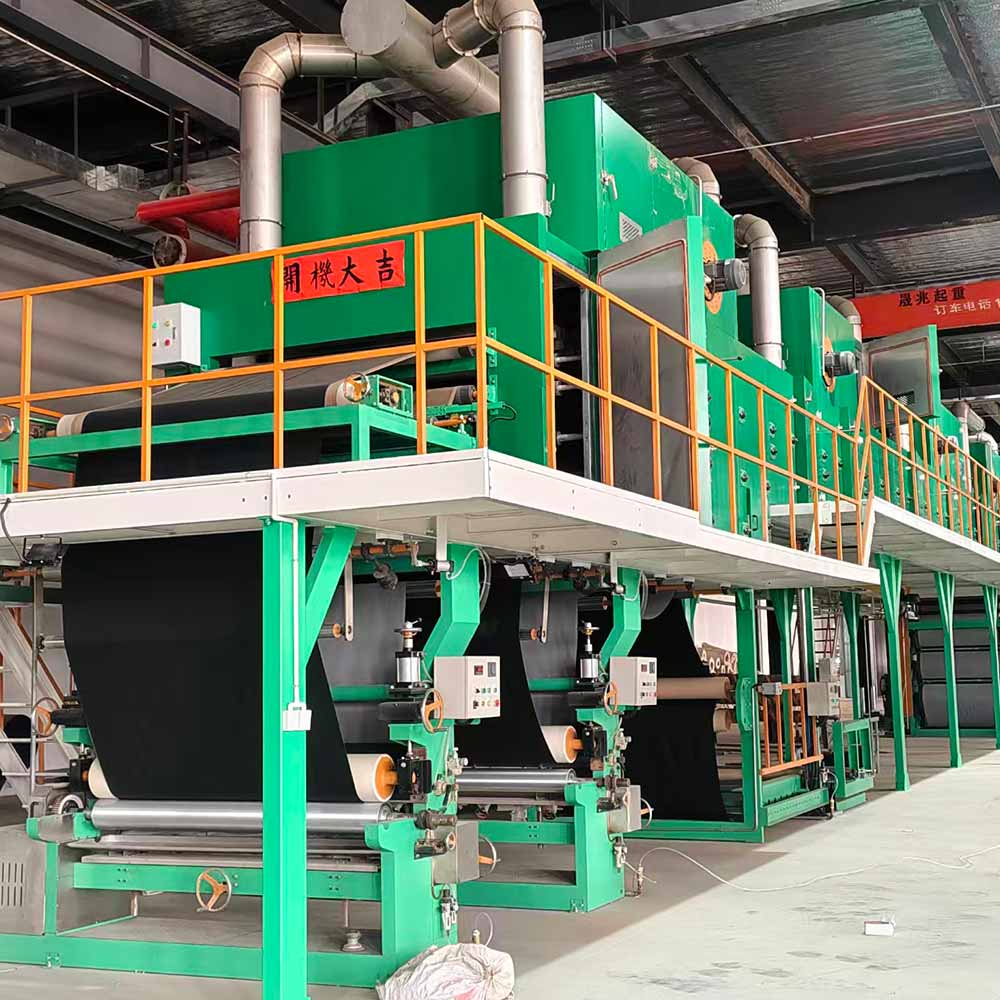
Leather printing machines are used in a wide range of industries.
In footwear manufacturing, they are used to create consistent textures and patterns.
In bag and accessory production, they enable customized designs and branding.
In automotive interiors, they ensure high-quality finishes that meet strict durability standards.
In furniture and interior decoration, they enhance visual appeal while maintaining material performance.
In fashion, they support rapid design changes and seasonal collections.
Comparison of Leather Printing Machine Types
Below is a practical comparison to help you understand how different systems perform.
| Machine Type | Production Scale | Flexibility | Surface Quality | Best Use Case |
|---|---|---|---|---|
| Digital Printing Machine | Low to medium | High | Moderate | Custom designs and small batches |
| Industrial Printing Machine | High | Medium | High | Mass production |
| Two-Plate Processing Machine | High | Medium | Very high | Standard PU/PVC surface processing |
| Three-Plate Processing Machine | Very high | High | ممتاز | Complex multi-layer finishing |
This comparison highlights why two-plate and three-plate systems are widely adopted in industrial environments.
How to Choose the Right Leather Printing Machine
Choosing the right machine depends on several factors.
Production scale is the first consideration. Small workshops may prefer flexible systems, while large manufacturers need high-capacity machines.
Material type is also critical. PU and PVC require specific processing conditions.
Machine configuration matters as well. Two-plate systems are efficient for standard processes, while three-plate systems offer more advanced capabilities.
Environmental considerations are increasingly important. Water-based systems are becoming more popular due to lower emissions and regulatory compliance.
Customization Options for Leather Printing Machines
Modern manufacturers often require tailored solutions.
Machines can be customized in terms of:
- Plate size and processing width
- Temperature and pressure control systems
- Automation level
- Integration with full production lines
Customization ensures that the machine fits seamlessly into your workflow rather than forcing you to adapt your process.
Future Trends of Leather Printing Machines in 2026
The industry is evolving rapidly.
Water-based processing systems are gaining momentum as sustainability becomes a priority.
Automation and intelligent control systems are improving efficiency and reducing labor costs.
High-resolution surface processing technologies are enhancing product quality.
Integration with digital production systems is enabling smarter manufacturing.
According to recent industrial automation reports, over 60 percent of new equipment installations now include some level of smart control or data monitoring capability.
Conclusion
A leather printing machine is no longer just a tool for adding patterns. It is a critical system that defines product quality, production efficiency, and design flexibility.
By understanding how these machines work—from material preparation to final finishing—you can make informed decisions that improve both your output and your competitiveness.
If you are working with artificial leather, especially PU and PVC materials, investing in a two-plate or three-plate processing machine can significantly enhance your production capabilities.
In a market where consistency, customization, and efficiency are key, the right leather printing machine is not just an option. It is a necessity.
FAQ
What is a leather printing machine?
A leather printing machine is a specialized device used to print patterns, adjust colors, and enhance the surface of leather materials, including artificial leather like PU and PVC.
How does a leather printing machine work?
It works by applying coatings or inks under controlled pressure and temperature, transferring designs onto leather surfaces with precision and consistent quality.
What types of leather printing machines are available?
Common types include digital machines for small-scale custom work and industrial two-plate or three-plate processing machines for large-scale, continuous production.
Can a leather printing machine print on both PU and PVC leather?
Yes, modern machines are designed to handle both PU and PVC materials, ensuring even printing, color accuracy, and durability across different leather types.
Why should I invest in a leather printing machine?
It improves surface consistency, enhances product quality, increases production efficiency, and supports flexible design options, making it essential for modern leather manufacturing.