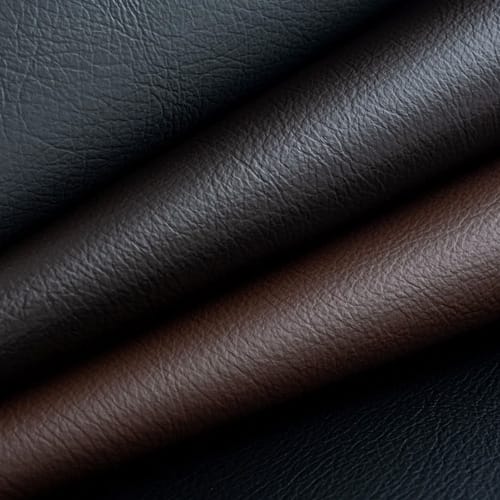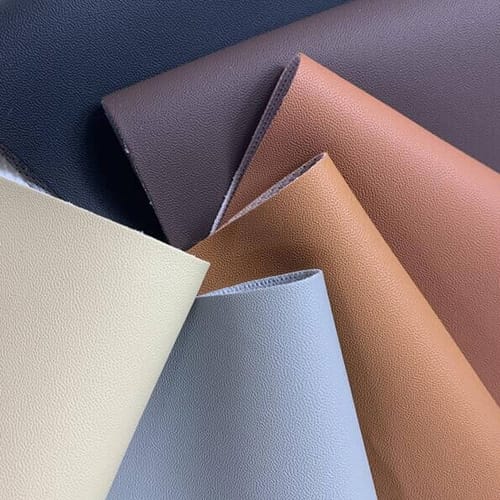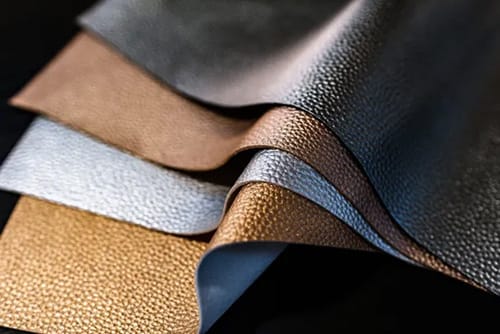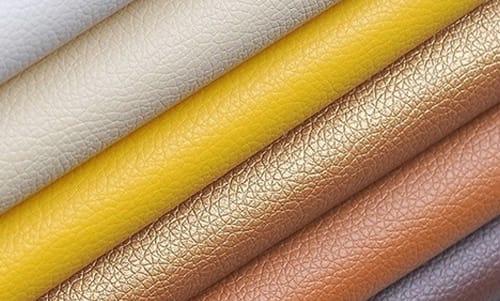
PVC leather foaming has become a cornerstone process in modern synthetic leather manufacturing. At the heart of this process is the PVC leather foaming line, a specialized production system designed to deliver high-quality, consistent, and efficient results. Whether you are a manufacturer looking to optimize production or a designer exploring new material possibilities, understanding how a PVC leather foaming line works can provide valuable insights into quality control, cost efficiency, and product innovation.
Table of Contents
What Is a PVC Leather Foaming Line?
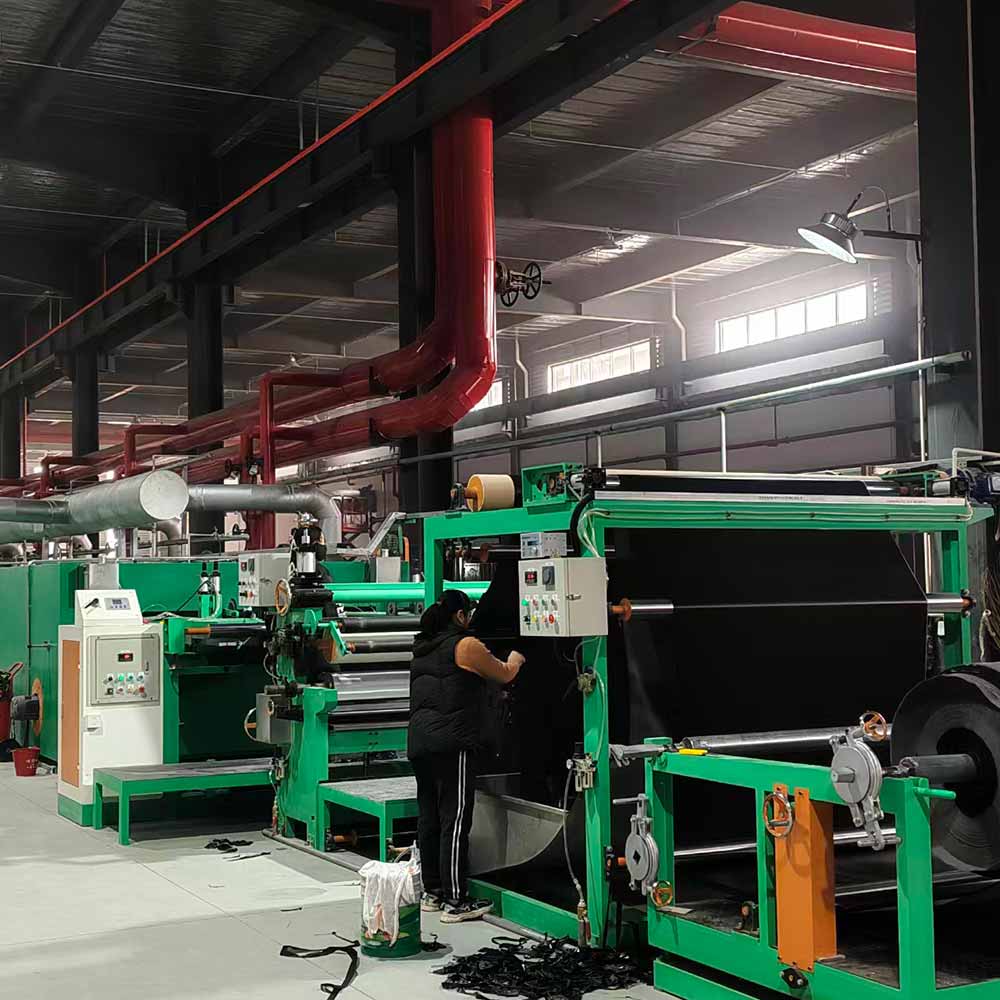
A PVC leather foaming line is a production system that transforms raw PVC-coated materials into lightweight, elastic, and soft synthetic leather. Unlike basic PVC processing equipment, a foaming line integrates multiple stages: precise heating, controlled decomposition of foaming agents, microcellular structure formation, and continuous output.
The core component, the foaming oven, ensures uniform expansion by maintaining stable high temperatures across the material. This allows gases released from foaming agents to create microbubbles evenly distributed within the PVC matrix. The result is a synthetic leather that is both flexible and visually consistent. Industry data from textile machinery reports show that high-precision foaming lines can reduce material waste by up to 15 percent compared to traditional manual foaming methods.
Importance of PVC Leather Foaming in Modern Manufacturing
PVC foaming plays a critical role in both functional and aesthetic aspects of synthetic leather. Without proper foaming, PVC sheets remain rigid and heavy, limiting their applications in products such as furniture, automotive interiors, and fashion accessories.
Using a PVC leather foaming line brings several advantages:
- It enhances softness and elasticity while reducing weight.
- It ensures uniform thickness and density across large batches.
- It supports continuous, high-volume production.
- It minimizes defects such as uneven surfaces or inconsistent bubble structures.
By controlling temperature zones precisely, manufacturers can optimize foaming conditions to achieve repeatable results, which is particularly important for premium synthetic leather products.
How Does a PVC Leather Foaming Line Work?
Understanding the process helps manufacturers troubleshoot issues and optimize efficiency. The PVC leather foaming line operates through several key stages:
Step 1 – Heating and Activation of Foaming Agents
The PVC-coated material enters the foaming oven where controlled high heat activates the embedded foaming agents. These agents decompose and release gases, which expand the molten PVC. Proper heating is essential: insufficient heat leads to incomplete foaming, while excessive heat can cause surface cracks.
Step 2 – Formation of Microcellular Structure
The released gases create microbubbles that form a fine, uniform cellular structure throughout the PVC layer. The distribution of these bubbles determines the material’s density, elasticity, and softness. Research on polymer foaming mechanisms indicates that bubble uniformity directly correlates with material durability and surface smoothness.
Step 3 – Temperature Control Across Zones
Most foaming lines divide the oven into multiple temperature zones. This allows gradual expansion, stabilizes the microcellular structure, and prevents surface blistering or uneven thickness. Temperature sensors and automated control systems ensure consistent results, reducing the need for manual monitoring.
Step 4 – Continuous Production and Material Handling
After foaming, the PVC leather exits the oven onto conveyors or cooling systems, ready for further finishing processes like embossing, coating, or trimming. Continuous production lines improve throughput and reduce labor costs, making industrial foaming highly efficient.
Key Components of a PVC Leather Foaming Line
A typical PVC leather foaming line consists of several integrated parts:
- Foaming Oven: Core heating system for agent decomposition and bubble formation.
- Temperature Control System: Maintains precise, multi-zone heating to ensure uniform foaming.
- Material Conveying System: Automates feeding and output for continuous operation.
- Optional Energy-saving Heating: Enhances efficiency and reduces operational costs.
- Customizable Furnace Length and Zones: Adaptable to different PVC formulations and production scales.
Each component works in synchronization to produce consistent, high-quality foamed PVC leather.
Core Functions of a PVC Leather Foaming Line
The primary functions of this equipment go beyond simple heating:
- Foaming Agent Decomposition: Precisely activates embedded agents to produce uniform bubbles.
- Microcellular Structure Formation: Ensures consistent density and texture across the PVC layer.
- Improved Material Properties: Enhances softness, elasticity, and lightness.
- Continuous Production Capability: Supports large-scale industrial output.
- Compatibility with Multiple PVC Formulations: Handles various synthetic leather recipes for different applications.
Advantages of Using a PVC Leather Foaming Line
| Advantage | Description | Impact on Production |
|---|---|---|
| Uniform Bubble Structure | Even distribution of microbubbles in PVC layer | Consistent product quality and appearance |
| Precise Temperature Control | Multi-zone heating for optimal foaming | Reduces surface defects and ensures repeatability |
| High Efficiency | Continuous operation and automated feeding | Increases throughput and lowers labor costs |
| Versatile Material Compatibility | Works with various PVC formulations | Flexibility for diverse synthetic leather products |
| Enhanced Material Properties | Produces lightweight, elastic, soft leather | Improves product performance and market value |
This table demonstrates why investing in a high-quality PVC leather foaming line can significantly improve operational efficiency and product quality.
Applications of PVC Leather Foaming Lines
PVC foamed leather has a wide range of applications due to its lightweight, elastic, and durable properties:
- Synthetic Leather Production: For furniture, automotive interiors, shoes, and accessories.
- Interior Decoration Materials: Wall panels, upholstery, and decorative coverings.
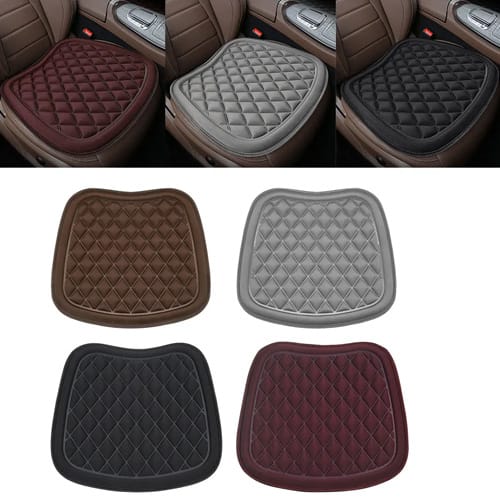
- Automotive Industry: Seat covers, dashboards, and interior trims.
- Furniture Manufacturing: Sofas, chairs, and home decor.
- Fashion Accessories: Handbags, wallets, and footwear.
Modern manufacturers often integrate foaming lines directly into multi-step PVC production lines, allowing simultaneous coating, embossing, and finishing.
Factors to Consider When Choosing a PVC Leather Foaming Line
Choosing the right equipment involves evaluating several critical factors:
- Production Scale: Small-scale experimental setups versus large industrial operations.
- Material Compatibility: Different PVC formulations and thicknesses may require tailored temperature zones.
- Temperature Control and Energy Efficiency: Multi-zone control ensures uniformity, while energy-saving options reduce costs.
- Customization Options: Furnace length, heating zones, and integration with existing lines enhance flexibility.
Evaluating these parameters ensures optimal output quality, minimal defects, and a high return on investment.
Maintenance and Troubleshooting
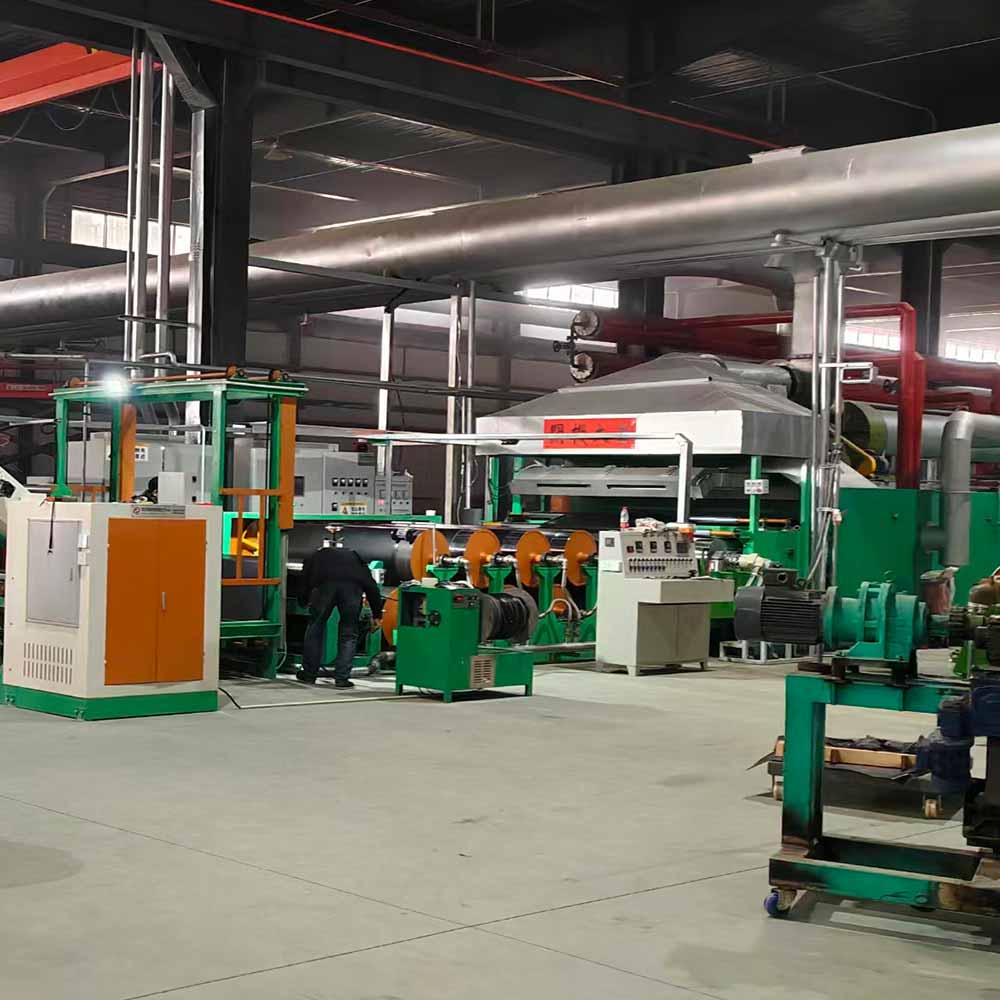
Maintaining a PVC leather foaming line is essential for longevity and consistent quality:
- Regularly clean the foaming oven and conveyor systems.
- Monitor temperature sensors and calibration settings.
- Inspect for surface defects or uneven thickness, which may indicate heating inconsistencies.
- Follow manufacturer guidelines for spare parts replacement and technical servicing.
Effective maintenance can extend the equipment’s service life and reduce unexpected downtime, keeping production efficient.
Future Trends in PVC Leather Foaming Technology
The industry is evolving with advancements that improve both efficiency and sustainability:
- Automation and Smart Control Systems: Real-time monitoring of temperature, speed, and bubble formation.
- Energy-efficient Heating Technology: Reduces operating costs while maintaining quality.
- Multi-functional Integrated Production Lines: Combining foaming, embossing, coating, and finishing in a single workflow.
- High-precision Bubble and Surface Control: Ensures consistent microcellular structure even in complex PVC formulations.
According to industry analyses, these innovations will increasingly define premium PVC leather manufacturing by 2026.
Conclusion
A PVC leather foaming line is more than just a heating oven. It is a comprehensive production system that enhances product quality, optimizes efficiency, and enables industrial-scale output. By controlling foaming agent activation, microbubble formation, and temperature precisely, manufacturers can produce lightweight, soft, and elastic PVC leather suitable for a wide range of applications.
Investing in a high-quality foaming line not only improves product consistency and market competitiveness but also supports long-term production efficiency and adaptability to future synthetic leather innovations.
FAQ
What is a PVC Leather Foaming Line?
A PVC Leather Foaming Line is a production system that transforms PVC-coated materials into lightweight, soft, and elastic synthetic leather through controlled heating and foaming.
How does a PVC Leather Foaming Line work?
It works by heating the PVC material to activate foaming agents, which release gases that form uniform microbubbles, creating a soft and flexible leather surface.
What types of PVC Leather Foaming Lines are available?
Common types include continuous industrial lines for large-scale production and smaller automated lines for experimental or custom PVC leather products.
What are the main benefits of using a PVC Leather Foaming Line?
It ensures uniform bubble distribution, improves softness and elasticity, supports large-scale production, and maintains consistent product quality.
Which industries use PVC Leather Foaming Lines?
They are widely used in synthetic leather production for furniture, automotive interiors, footwear, fashion accessories, and interior decoration materials.
Need Help Choosing the Right PVC Leather Foaming Line?
If you’re unsure which PVC Leather Foaming Line best fits your production needs or material requirements, our experts are ready to assist. Contact us today for a personalized consultation, and ensure your synthetic leather production is efficient, consistent, and high-quality. Don’t wait to optimize your production—get in touch now to enhance your PVC leather manufacturing!