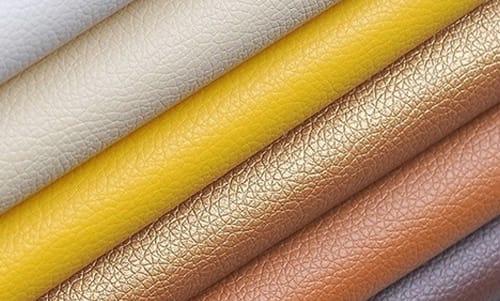
If you’re running or planning to build a leather manufacturing business, one question will quietly determine your success: how do you create high-value, visually appealing leather products at scale without sacrificing consistency?
The answer increasingly lies in how well you understand and apply modern leather print technologies.
Leather printing is no longer just about adding decorative patterns. It has evolved into a core process that directly impacts product differentiation, production efficiency, and market positioning. Whether you’re producing footwear, automotive interiors, or fashion accessories, the way you print and finish your leather can define your competitiveness.
In this guide, you’ll learn how leather print works in real industrial environments, what technologies are shaping the industry, how to avoid common production mistakes, and how you can optimize your own production line for better results.
Table of Contents
What Leather Printing Really Means in Industrial Production
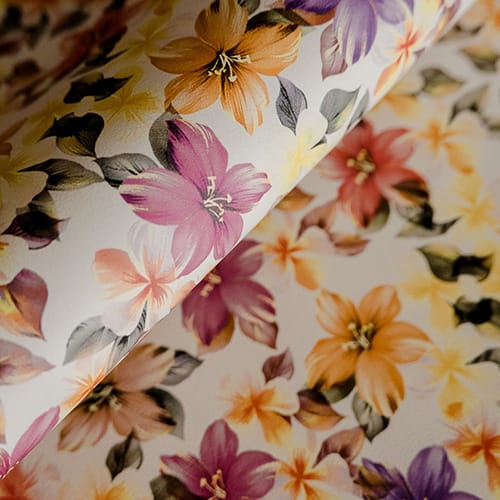
When people hear “leather printing,” they often think of simple surface decoration. In reality, industrial leather printing is a combination of coating, embossing, color transfer, and texture engineering.
At its core, leather printing involves transferring patterns, colors, or textures onto leather surfaces using controlled pressure, temperature, or digital processes.
Depending on your setup, this can include:
- Heat transfer printing
- Roller printing
- Embossing-based texture printing
- High-frequency surface patterning
The goal is not just aesthetics, but also:
- Enhancing tactile feel
- Improving perceived product value
- Creating consistent, repeatable designs
Why Leather Printing Is Becoming a Competitive Advantage
In today’s market, customers are no longer satisfied with plain leather surfaces. They expect:
- Unique textures
- Consistent patterns
- Premium finishes
According to industry data from synthetic material processing reports, over 60% of high-value leather products now involve some form of surface printing or embossing.
For you as a manufacturer, this means one thing: if your production line cannot support high-quality leather print, you are likely losing competitive ground.
How Leather Printing Works in Practice
To understand how to optimize your process, you need to look at how leather printing actually happens step by step.
Surface Preparation
Before printing, the leather surface must be clean, smooth, and properly treated. Any inconsistency at this stage will show up in the final product.
Pattern Transfer
This is where the core process happens. Depending on your equipment, patterns are transferred using:
- Heated plates or rollers
- High-frequency energy
- Ink-based printing systems
The leather material softens under heat or energy, allowing the pattern to form accurately.
Fixing and Stabilization
Once the pattern is applied, the material is cooled or cured to lock in the design. This ensures durability and resistance to wear.
Finishing
Additional coatings or treatments may be applied to enhance gloss, texture, or protection.
Key Technologies Used in Modern Leather Printing
You have several options when it comes to leather printing technologies. Each has its own advantages depending on your production goals.
Heat Embossing
This is one of the most widely used methods. It uses heated plates or rollers to press patterns into the leather.
Advantages:
- High durability
- Clear and consistent patterns
- Suitable for large-scale production
High-Frequency Printing
This method uses electromagnetic energy to soften the material and apply patterns.
Advantages:
- Suitable for thicker materials
- Faster processing speed
- More precise control in some applications
Roller Printing Systems
Continuous roller systems are ideal for high-volume production lines.
Advantages:
- Continuous operation
- High efficiency
- Consistent output
Real Case Study: Upgrading Leather Printing for Higher Value Products
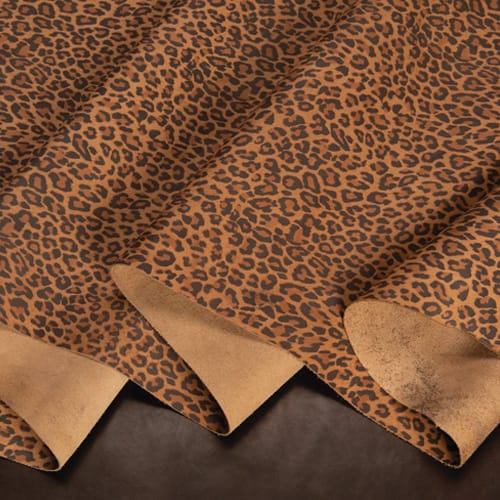
A manufacturer producing mid-range synthetic leather for bags wanted to enter a higher-end market segment.
Their challenge:
- Limited pattern variety
- Inconsistent embossing depth
- Low perceived product value
After upgrading to a modern leather printing system with customizable embossing rollers and improved temperature control:
- Product defect rate dropped by 18%
- Production efficiency increased by 28%
- Average product price increased by 22%
The biggest change was not just technical—it was strategic. Better printing allowed them to reposition their products in the market.
Comparing Leather Printing Methods
| Method | Best For | Key Advantage | Limitation |
|---|---|---|---|
| Heat Embossing | General leather products | Durable patterns | Requires precise temp control |
| High-Frequency | Thick or layered materials | Fast and efficient | Higher equipment cost |
| Roller Printing | Continuous production | High output | Less flexibility for small batches |
| Digital Printing | Custom designs | High flexibility | Slower for mass production |
Applications You Can Target with Leather Print
Leather printing opens up multiple market opportunities:
- Footwear uppers and decorative elements
- Automotive interior panels
- Furniture upholstery
- Fashion accessories like bags and belts
- Decorative leather products
Each application may require different pattern depth, softness, and finish, so your equipment must be adaptable.
How You Can Choose the Right Leather Printing Equipment
If you’re investing in a leather printing system, here are the factors you should evaluate carefully:
Production Volume
Are you producing small batches or large volumes? This determines whether you need manual, semi-automatic, or fully automatic systems.
Material Type
Different materials respond differently to heat and pressure. Make sure your equipment supports:
- Natural leather
- PU leather
- Synthetic composites
Pattern Requirements
If your business depends on design variation, choose equipment that supports customizable rollers or plates.
Integration Capability
Can the printing system be integrated into your existing production line? This is crucial for efficiency.
Common Problems in Leather Printing and How to Solve Them
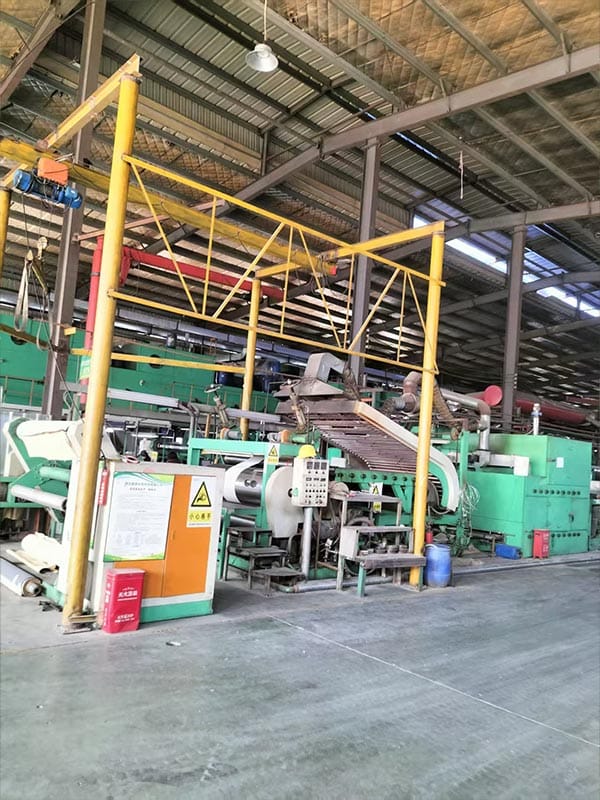
Even advanced systems can face challenges. Here are some of the most common issues:
Uneven Patterns
Usually caused by inconsistent pressure or temperature.
Solution:
- Calibrate equipment regularly
- Ensure uniform material thickness
Pattern Fading
Often due to insufficient fixing or low-quality materials.
Solution:
- Optimize curing process
- Use compatible coatings
Surface Damage
Can result from excessive heat or pressure.
Solution:
- Adjust process parameters
- Test before full production
How to Improve Production Efficiency
If your goal is to increase output without sacrificing quality, focus on:
- Automating repetitive processes
- Using continuous roller systems
- Optimizing temperature zones
- Reducing material handling time
According to manufacturing efficiency studies, optimized production lines can improve throughput by up to 30% while reducing waste.
Customization: The Key to Market Differentiation
One of the biggest advantages of modern leather print is customization.
You can tailor:
- Pattern designs
- Texture depth
- Surface finishes
- Production width
This allows you to serve multiple industries without changing your core production line.
Future Trends You Should Watch
Leather printing is evolving rapidly. Here are some trends shaping the future:
- Smart control systems with real-time monitoring
- Integration with digital design tools
- More energy-efficient heating systems
- Advanced materials compatibility
- Increased demand for customized textures
If you plan long-term investments, these trends should influence your decisions.
Practical Tips for Your Production Line
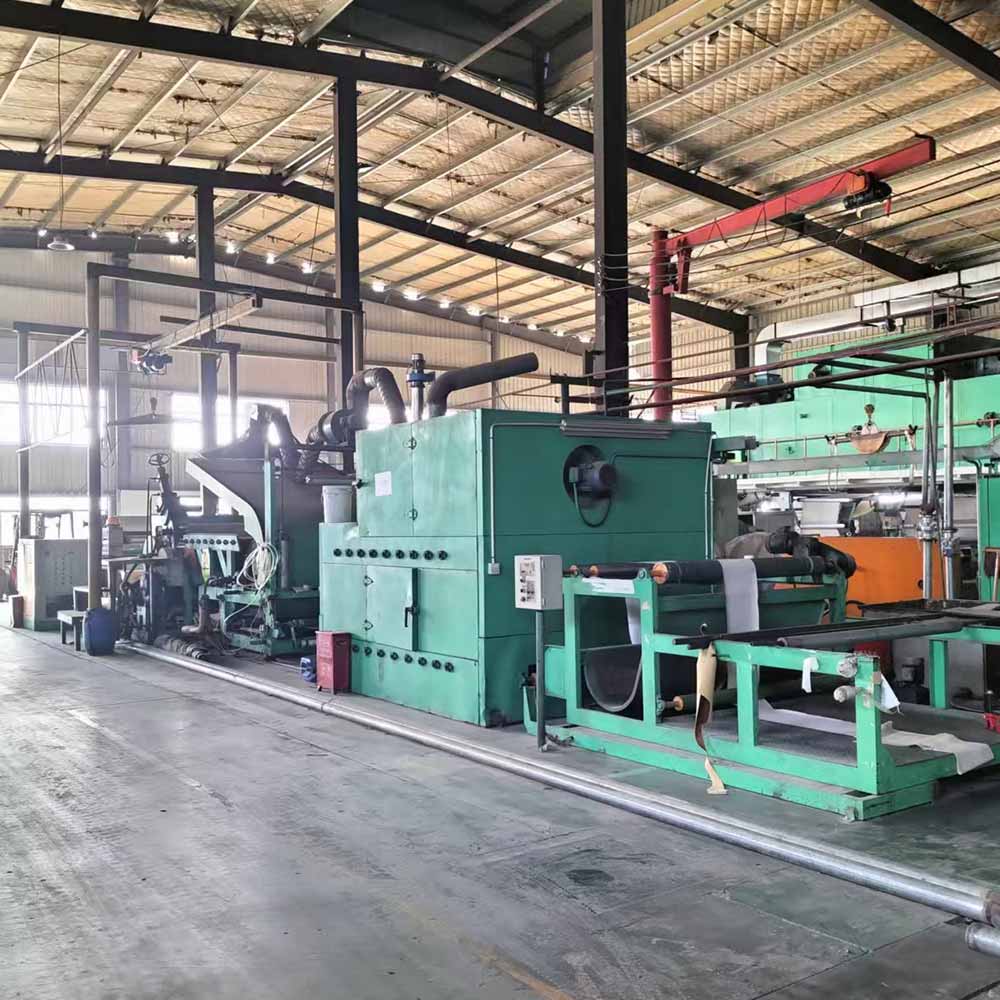
To get the most out of your leather print system:
- Test new patterns on small batches first
- Maintain consistent material quality
- Monitor temperature and pressure closely
- Train operators on process control
- Keep detailed production records
These small improvements can lead to significant long-term gains.
Conclusion
Leather printing is no longer just a decorative process—it is a strategic tool that can transform your production capabilities and market positioning.
By understanding the technologies, optimizing your processes, and investing in the right equipment, you can produce higher-quality products, reduce waste, and increase profitability.
If you approach leather printing as a core part of your production strategy rather than an add-on process, you will unlock new opportunities in both efficiency and product value.
FAQ
What is leather printing used for?
Leather printing is used to add patterns, textures, and visual effects to leather products, improving both appearance and value.
Can leather print be applied to synthetic materials?
Yes, modern systems support natural leather, PU leather, and other synthetic materials.
What is the most common leather print method?
Heat embossing is widely used due to its durability and consistency.
How do I ensure consistent printing quality?
Focus on stable temperature, pressure control, and proper material preparation.
Is leather print suitable for large-scale production?
Yes, especially when using automated or roller-based systems.
Need Help Choosing the Right Leather Printing Solution?
If you’re unsure which leather printing machine or production setup is best for your materials and production goals, our experts are here to help. Contact us today for a personalized consultation, and ensure your leather products achieve consistent quality and high production efficiency. Don’t miss the opportunity to upgrade your manufacturing—get in touch now to take your leather production to the next level!