In modern synthetic leather manufacturing, product performance is no longer defined only by appearance. Today, the most competitive PVC leather products must combine softness, elasticity, durability, and consistent microstructure quality.
At the center of this transformation is a critical piece of equipment: the PVC leather foaming furnace.
If you are involved in PVC leather production for automotive interiors, furniture materials, footwear, or decorative applications, understanding how foaming technology works is essential for improving both product quality and production efficiency.
Table of Contents
Why PVC Foaming Technology Is Critical in Modern Leather Manufacturing
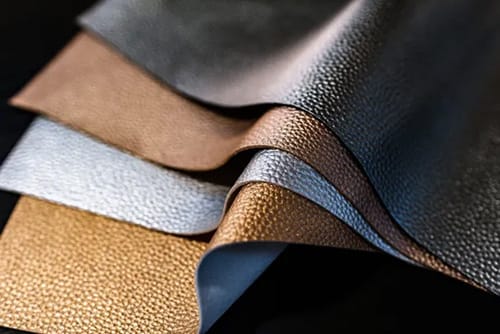
Foaming is not just a processing step—it is the foundation of PVC leather performance.
According to polymer material research referenced in industrial publications such as ScienceDirect and engineering reports in synthetic polymer journals, controlled foaming directly influences:
- Material softness and flexibility
- Density and weight reduction
- Thermal insulation performance
- Surface texture uniformity
- Long-term durability
This means the quality of foaming determines the final value of PVC leather products.
A stable PVC leather foaming furnace ensures that this process is controlled, repeatable, and scalable.
What a PVC Leather Foaming Furnace Actually Does
A PVC leather foaming furnace is designed to create a controlled thermal environment where foaming agents inside PVC materials decompose and generate gas.
This gas expands within the PVC structure, forming a uniform micro-cellular foam layer.
But in industrial reality, it performs three core functions:
1. Controlled Foaming Agent Activation
Foaming agents are activated at precise temperatures to ensure stable gas release.
2. Micro-Cell Structure Formation
Gas expansion creates uniform internal pores that define softness and elasticity.
3. Thermal Stabilization
The furnace ensures consistent temperature zones to stabilize foam structure and prevent collapse or uneven density.
How PVC Leather Foaming Furnace Works in Industrial Production
To understand its real value, you need to see it as a continuous process system rather than a standalone heating device.
Step 1: Material Feeding into Heating Zone
PVC coated material enters the furnace after initial preparation.
At this stage, foaming agents are still inactive.
Step 2: Controlled Heating and Decomposition
Inside the furnace, temperature rises gradually across multiple zones.
This ensures:
- Uniform activation of foaming agents
- Controlled gas generation
- Prevention of surface defects
Step 3: Foam Expansion Phase
Gas generated from decomposition expands inside the PVC layer.
This creates:
- Micro-cellular structure
- Soft and elastic texture
- Lightweight material composition
Step 4: Structural Stabilization
The material is cooled under controlled conditions to lock in foam structure and prevent collapse.
Industrial Applications of PVC Foaming Technology
PVC leather foaming systems are widely used in:
- Automotive interior surfaces
- Furniture upholstery materials
- Wall covering materials
- Shoe lining and upper materials
- Decorative synthetic leather products
Each application requires different foam density and elasticity levels.
Real Production Case: Improving Foam Uniformity in Upholstery Materials
A PVC leather manufacturer producing materials for furniture applications faced recurring issues:
- Uneven foam distribution
- Surface hardness inconsistency
- Structural collapse in thicker materials
After optimizing furnace temperature zoning and airflow control, improvements included:
- More uniform foam cell structure
- Improved softness consistency
- Reduced product defects during finishing
The key improvement was process control—not material change.
Comparison: Controlled Foaming Furnace vs Basic Heating System
| Feature | Basic Heating System | PVC Leather Foaming Furnace |
|---|---|---|
| Temperature Stability | Low | High |
| Foam Uniformity | Poor | Excellent |
| Structural Control | Limited | Precise |
| Production Consistency | Unstable | Stable |
| Industrial Scalability | Low | High |
Integration in PVC Leather Production Lines
A PVC leather foaming furnace is not a standalone unit—it is part of a complete production system.
It often works alongside:
- PVC coating systems
- Drying and curing lines
- Leather processing machinery Leather Processing Machinery System
- PVC synthetic leather production lines PVC Leather Production Line System
You can also explore related systems here:
- PVC Leather Foaming Furnace Product Page
- Synthetic Leather Production Solutions
- Industrial Leather Equipment Overview
These systems must operate in synchronized conditions to ensure stable foam formation and product quality.
Key Technical Challenges in Foaming Systems
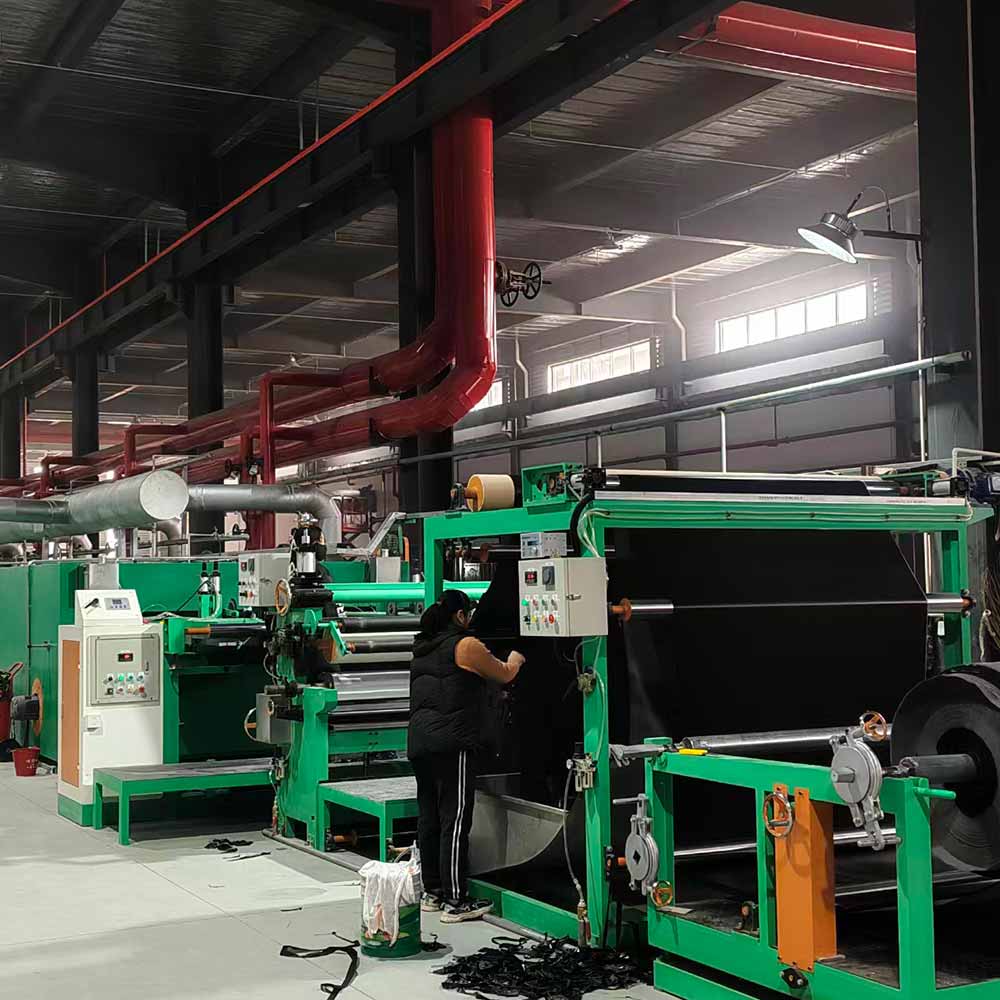
Even advanced systems require precise control:
Uneven Foam Density
Caused by unstable temperature distribution.
Surface Defects
Often linked to overheating or rapid gas release.
Foam Collapse
Occurs when cooling is not properly controlled.
Inconsistent Elasticity
Related to uneven activation of foaming agents.
How You Can Optimize PVC Foaming Performance
To achieve stable production results, focus on:
- Multi-zone temperature control
- Stable airflow circulation
- Precise residence time control
- Balanced heating and cooling rates
- Consistent material feeding speed
Small process improvements can significantly enhance final product quality.
Industry Trend: Smarter Thermal Foaming Systems
PVC leather manufacturing is evolving toward:
- Automated temperature zoning systems
- Real-time thermal monitoring
- Energy-efficient furnace design
- AI-based process stability control
- Integrated production line synchronization
According to industrial polymer processing discussions in manufacturing engineering communities, thermal control precision is becoming the most important factor in foam quality control.
Practical Insight for Production Strategy
If you are planning to upgrade your PVC leather production system, do not treat foaming as a secondary step.
Instead, consider it a core structural formation process that determines:
- Product softness
- Elasticity performance
- Material durability
- Market positioning
Because once foam structure is unstable, no downstream process can fully correct it.
Conclusion
A PVC leather foaming furnace is a critical industrial system that defines the internal structure and performance of PVC leather products.
By controlling thermal energy, foam expansion, and stabilization with precision, manufacturers can achieve high-quality, durable, and consistent synthetic leather suitable for multiple industries.
In modern production systems, foaming is not just a process—it is the foundation of product performance.
FAQ
What is a PVC leather foaming furnace used for?
It is used to create foam structure inside PVC leather by activating foaming agents under controlled heat.
Why is foaming important in PVC leather?
Because it determines softness, elasticity, and structural quality.
What industries use foamed PVC leather?
Automotive, furniture, footwear, and decorative material industries.
What happens if foaming is not controlled?
It can cause uneven density, surface defects, or foam collapse.
Is foaming a continuous process?
Yes, it is typically integrated into continuous production lines.