
आधुनिक सिंथेटिक चमड़े के निर्माण में, उत्पाद प्रदर्शन अब केवल उपस्थिति से परिभाषित नहीं है आज, सबसे अधिक प्रतिस्पर्धी पीवीसी चमड़े के उत्पादों को कोमलता, लोच, स्थायित्व और लगातार माइक्रोस्ट्रक्चर गुणवत्ता को जोड़ना चाहिए।.
इस परिवर्तन के केंद्र में उपकरण का एक महत्वपूर्ण टुकड़ा है: पीवीसी चमड़े फोमिंग भट्ठी.
यदि आप ऑटोमोटिव इंटीरियर, फर्नीचर सामग्री, जूते, या सजावटी अनुप्रयोगों के लिए पीवीसी चमड़े के उत्पादन में शामिल हैं, तो यह समझना कि फोमिंग तकनीक कैसे काम करती है, उत्पाद की गुणवत्ता और उत्पादन दक्षता दोनों में सुधार के लिए आवश्यक है।.
विषय-सूची
क्यों पीवीसी फोमिंग प्रौद्योगिकी आधुनिक चमड़ा विनिर्माण में महत्वपूर्ण है
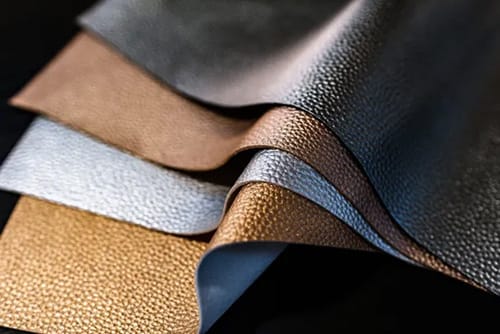
फोमिंग सिर्फ एक प्रसंस्करण कदम नहीं हैयह पीवीसी चमड़े के प्रदर्शन की नींव है।.
जैसे औद्योगिक प्रकाशनों में संदर्भित पॉलिमर सामग्री अनुसंधान के अनुसार विज्ञानप्रत्यक्ष और सिंथेटिक पॉलिमर पत्रिकाओं में इंजीनियरिंग रिपोर्ट, नियंत्रित फोमिंग सीधे प्रभावित करती हैः
- सामग्री कोमलता और लचीलापन
- घनत्व और वजन में कमी
- थर्मल इन्सुलेशन प्रदर्शन
- सतह बनावट एकरूपता
- दीर्घकालिक स्थायित्व
इसका मतलब है कि फोमिंग की गुणवत्ता पीवीसी चमड़े के उत्पादों के अंतिम मूल्य को निर्धारित करती है।.
एक स्थिर पीवीसी चमड़े की फोमिंग भट्ठी यह सुनिश्चित करती है कि यह प्रक्रिया नियंत्रित, दोहराने योग्य और स्केलेबल है।.
पीवीसी चमड़ा फोमिंग फर्नेस वास्तव में क्या करता है
एक पीवीसी चमड़े के फोमिंग भट्ठी को एक नियंत्रित थर्मल वातावरण बनाने के लिए डिज़ाइन किया गया है जहां पीवीसी सामग्री के अंदर फोमिंग एजेंट विघटित होते हैं और गैस उत्पन्न करते हैं।.
यह गैस पीवीसी संरचना के भीतर फैलती है, जिससे एक समान सूक्ष्म-सेलुलर फोम परत बनती है।.
लेकिन औद्योगिक वास्तविकता में, यह तीन मुख्य कार्य करता हैः
१ नियंत्रित फोमिंग एजेंट सक्रियण
स्थिर गैस रिलीज सुनिश्चित करने के लिए फोमिंग एजेंट सटीक तापमान पर सक्रिय होते हैं।.
2। सूक्ष्म कोशिका संरचना निर्माण
गैस विस्तार एक समान आंतरिक छिद्र बनाता है जो कोमलता और लोच को परिभाषित करता है।.
३ थर्मल स्थिरीकरण
भट्ठी फोम संरचना को स्थिर करने और पतन या असमान घनत्व को रोकने के लिए लगातार तापमान क्षेत्र सुनिश्चित करती है।.
औद्योगिक उत्पादन में पीवीसी चमड़ा फोमिंग फर्नेस कैसे काम करता है
इसके वास्तविक मूल्य को समझने के लिए, आपको इसे एक स्टैंडअलोन हीटिंग डिवाइस के बजाय एक सतत प्रक्रिया प्रणाली के रूप में देखने की आवश्यकता है।.
चरण १: हीटिंग जोन में सामग्री खिला
पीवीसी लेपित सामग्री प्रारंभिक तैयारी के बाद भट्ठी में प्रवेश करती है।.
इस स्तर पर, फोमिंग एजेंट अभी भी निष्क्रिय हैं।.
चरण 2: नियंत्रित ताप और अपघटन
भट्ठी के अंदर, कई क्षेत्रों में तापमान धीरे-धीरे बढ़ता है।.
यह सुनिश्चित करता हैः
- फोमिंग एजेंटों की समान सक्रियता
- नियंत्रित गैस उत्पादन
- सतह दोष की रोकथाम
चरण ३: फोम विस्तार चरण
अपघटन से उत्पन्न गैस पीवीसी परत के अंदर फैलती है।.
यह बनाता हैः
- सूक्ष्म कोशिकीय संरचना
- नरम और लोचदार बनावट
- हल्के सामग्री संरचना
चरण 4: संरचनात्मक स्थिरीकरण
फोम संरचना में लॉक करने और पतन को रोकने के लिए सामग्री को नियंत्रित परिस्थितियों में ठंडा किया जाता है।.
पीवीसी फोमिंग प्रौद्योगिकी के औद्योगिक अनुप्रयोग
पीवीसी चमड़े के फोमिंग सिस्टम का व्यापक रूप से उपयोग किया जाता हैः
- मोटर वाहन आंतरिक सतहों
- फर्नीचर असबाब सामग्री
- दीवार को कवर करने वाली सामग्री
- जूता अस्तर और ऊपरी सामग्री
- सजावटी सिंथेटिक चमड़े के उत्पाद
प्रत्येक अनुप्रयोग के लिए अलग-अलग फोम घनत्व और लोच स्तर की आवश्यकता होती है।.
वास्तविक उत्पादन मामला: असबाब सामग्री में फोम एकरूपता में सुधार
फर्नीचर अनुप्रयोगों के लिए सामग्री का उत्पादन करने वाले पीवीसी चमड़े के निर्माता को आवर्ती मुद्दों का सामना करना पड़ाः
- असमान फोम वितरण
- सतह कठोरता असंगति
- मोटी सामग्री में संरचनात्मक पतन
भट्ठी तापमान ज़ोनिंग और एयरफ्लो नियंत्रण को अनुकूलित करने के बाद, सुधारों में शामिल हैंः
- अधिक समान फोम सेल संरचना
- बेहतर कोमलता स्थिरता
- परिष्करण के दौरान उत्पाद दोषों को कम किया
मुख्य सुधार प्रक्रिया नियंत्रण था न कि भौतिक परिवर्तन।.
तुलना: नियंत्रित फोमिंग फर्नेस बनाम बेसिक हीटिंग सिस्टम
| फ़ीचर | बेसिक हीटिंग सिस्टम | पीवीसी चमड़ा फोमिंग फर्नेस |
|---|---|---|
| तापमान स्थिरता | कम | उच्च |
| फोम एकरूपता | गरीब | उत्कृष्ट |
| संरचनात्मक नियंत्रण | लिमिटेड | सटीक |
| उत्पादन संगति | अस्थिर | स्थिर |
| औद्योगिक मापनीयता | कम | उच्च |
पीवीसी चमड़ा उत्पादन लाइनों में एकीकरण
पीवीसी चमड़े की फोमिंग भट्टी एक स्टैंडअलोन इकाई नहीं है, यह एक संपूर्ण उत्पादन प्रणाली का हिस्सा है।.
यह अक्सर साथ काम करता हैः
- पीवीसी कोटिंग सिस्टम
- सुखाने और इलाज लाइनों
- चमड़ा प्रसंस्करण मशीनरी चमड़ा प्रसंस्करण मशीनरी सिस्टम
- पीवीसी सिंथेटिक चमड़े की उत्पादन लाइनें पीवीसी चमड़ा उत्पादन लाइन प्रणाली
आप यहां संबंधित प्रणालियों का भी पता लगा सकते हैंः
- पीवीसी चमड़ा फोमिंग फर्नेस उत्पाद पृष्ठ
- सिंथेटिक चमड़ा उत्पादन समाधान
- औद्योगिक चमड़ा उपकरण अवलोकन
स्थिर फोम निर्माण और उत्पाद की गुणवत्ता सुनिश्चित करने के लिए इन प्रणालियों को समकालिक परिस्थितियों में काम करना चाहिए।.
फोमिंग सिस्टम में प्रमुख तकनीकी चुनौतियाँ
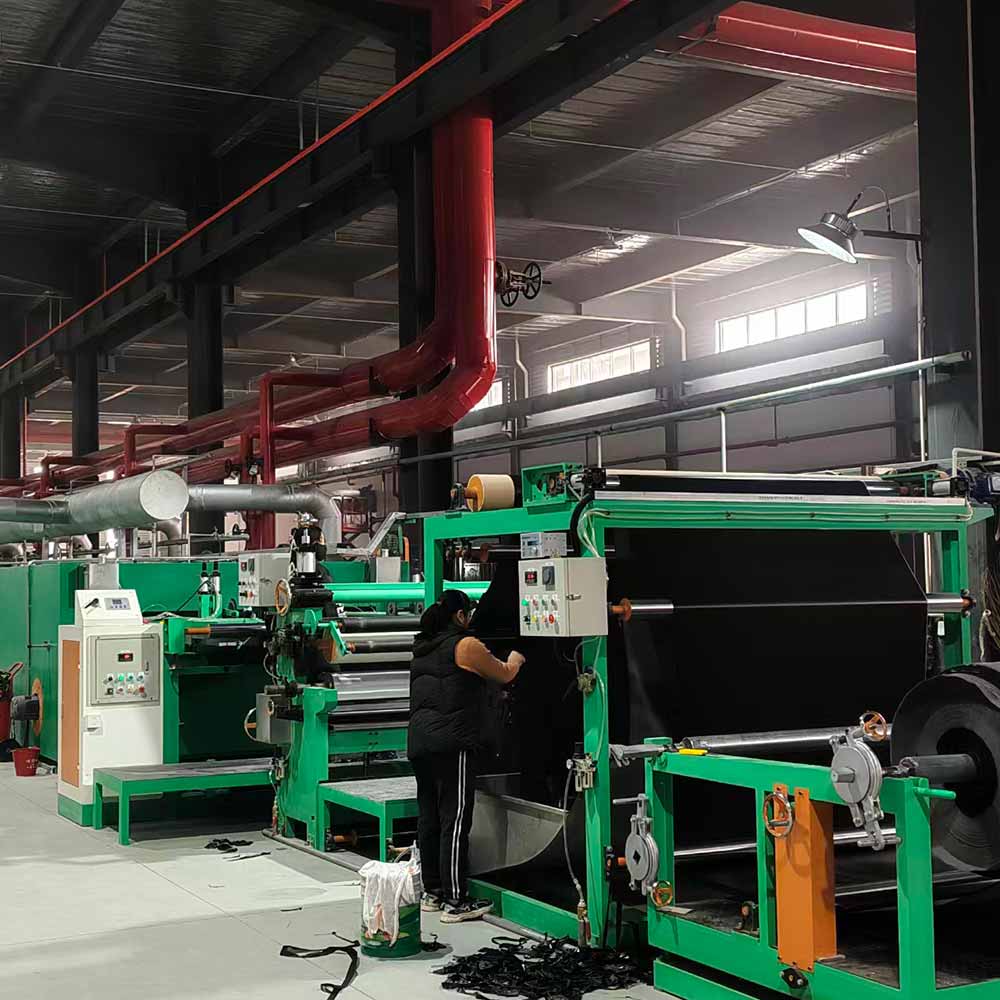
यहां तक कि उन्नत प्रणालियों को सटीक नियंत्रण की आवश्यकता होती हैः
असमान फोम घनत्व
अस्थिर तापमान वितरण के कारण।.
सतह दोष
अक्सर ओवरहीटिंग या तेजी से गैस रिलीज से जुड़ा होता है।.
फोम पतन
तब होता है जब शीतलन ठीक से नियंत्रित नहीं होता है।.
असंगत लोच
फोमिंग एजेंटों के असमान सक्रियण से संबंधित।.
आप पीवीसी फोमिंग प्रदर्शन को कैसे अनुकूलित कर सकते हैं
स्थिर उत्पादन परिणाम प्राप्त करने के लिए, पर ध्यान केंद्रित करेंः
- बहु-क्षेत्र तापमान नियंत्रण
- स्थिर वायुप्रवाह परिसंचरण
- सटीक निवास समय नियंत्रण
- संतुलित हीटिंग और शीतलन दर
- लगातार सामग्री खिला गति
छोटी प्रक्रिया में सुधार अंतिम उत्पाद की गुणवत्ता में काफी वृद्धि कर सकता है।.
उद्योग की प्रवृत्ति: स्मार्ट थर्मल फोमिंग सिस्टम
पीवीसी चमड़े का निर्माण की ओर विकसित हो रहा हैः
- स्वचालित तापमान ज़ोनिंग सिस्टम
- वास्तविक समय थर्मल निगरानी
- ऊर्जा-कुशल भट्टी डिज़ाइन
- एआई-आधारित प्रक्रिया स्थिरता नियंत्रण
- एकीकृत उत्पादन लाइन सिंक्रनाइज़ेशन
विनिर्माण इंजीनियरिंग समुदायों में औद्योगिक बहुलक प्रसंस्करण चर्चाओं के अनुसार, थर्मल नियंत्रण परिशुद्धता फोम गुणवत्ता नियंत्रण में सबसे महत्वपूर्ण कारक बन रही है।.
उत्पादन रणनीति के लिए व्यावहारिक अंतर्दृष्टि
यदि आप अपने पीवीसी चमड़े के उत्पादन प्रणाली को अपग्रेड करने की योजना बना रहे हैं, तो फोमिंग को द्वितीयक कदम के रूप में न लें।.
इसके बजाय, इसे एक मुख्य संरचनात्मक गठन प्रक्रिया पर विचार करें जो निर्धारित करती हैः
- उत्पाद कोमलता
- लोच प्रदर्शन
- सामग्री स्थायित्व
- बाजार पोजिशनिंग
क्योंकि एक बार फोम संरचना अस्थिर हो जाने पर, कोई भी डाउनस्ट्रीम प्रक्रिया इसे पूरी तरह से ठीक नहीं कर सकती है।.
निष्कर्ष
पीवीसी चमड़े की फोमिंग भट्टी एक महत्वपूर्ण औद्योगिक प्रणाली है जो पीवीसी चमड़े के उत्पादों की आंतरिक संरचना और प्रदर्शन को परिभाषित करती है।.
थर्मल ऊर्जा, फोम विस्तार और सटीकता के साथ स्थिरीकरण को नियंत्रित करके, निर्माता कई उद्योगों के लिए उपयुक्त उच्च गुणवत्ता, टिकाऊ और लगातार सिंथेटिक चमड़ा प्राप्त कर सकते हैं।.
आधुनिक उत्पादन प्रणालियों में, फोमिंग केवल एक प्रक्रिया नहीं हैयह उत्पाद प्रदर्शन की नींव है।.
अक्सर पूछे जाने वाले प्रश्न
क्या है एक पीवीसी चमड़े फोमिंग भट्ठी के लिए इस्तेमाल किया?
इसका उपयोग नियंत्रित गर्मी के तहत फोमिंग एजेंटों को सक्रिय करके पीवीसी चमड़े के अंदर फोम संरचना बनाने के लिए किया जाता है।.
पीवीसी चमड़े में फोमिंग क्यों महत्वपूर्ण है?
क्योंकि यह कोमलता, लोच और संरचनात्मक गुणवत्ता निर्धारित करता है।.
कौन से उद्योग फोमयुक्त पीवीसी चमड़े का उपयोग करते हैं?
ऑटोमोटिव, फर्नीचर, जूते और सजावटी सामग्री उद्योग।.
यदि झाग नियंत्रित नहीं किया जाता है तो क्या होगा?
यह असमान घनत्व, सतह दोष, या फोम पतन का कारण बन सकता है।.
क्या फोमिंग एक सतत प्रक्रिया है?
हां, यह आम तौर पर निरंतर उत्पादन लाइनों में एकीकृत होता है।.