विषय-सूची
यदि आप सिंथेटिक चमड़ा उद्योग में अवसर तलाश रहे हैं, तो एक प्रश्न संभवतः आपको यहां ले आया है: पीवीसी चमड़े की सामग्री क्या है, और यह दुनिया भर में असली चमड़े के सबसे व्यापक रूप से उपयोग किए जाने वाले विकल्पों में से एक क्यों बनी हुई है?
किसी विनिर्माण व्यवसाय का निर्माण या विस्तार करने वाले व्यक्ति के रूप में, आप केवल एक परिभाषा नहीं चाहते हैं आप समझना चाहते हैंः
- पीवीसी चमड़ा किस चीज से बना है
- यह वास्तविक दुनिया के अनुप्रयोगों में कैसा प्रदर्शन करता है
- जहां बाजार की मांग बढ़ रही है
- आप इसे कुशलतापूर्वक कैसे बना सकते हैं
- किस तरह का उत्पादन लाइन निवेश समझ में आता है
- और खुद को प्रतिस्पर्धी रूप से कैसे स्थापित करें
यह मार्गदर्शिका आपके लिए निर्माता, निवेशक या औद्योगिक खरीदार के लिए लिखी गई है, जो सतह-स्तरीय स्पष्टीकरण के बजाय कार्रवाई योग्य अंतर्दृष्टि चाहता है।.
पीवीसी चमड़ा सामग्री क्या है?
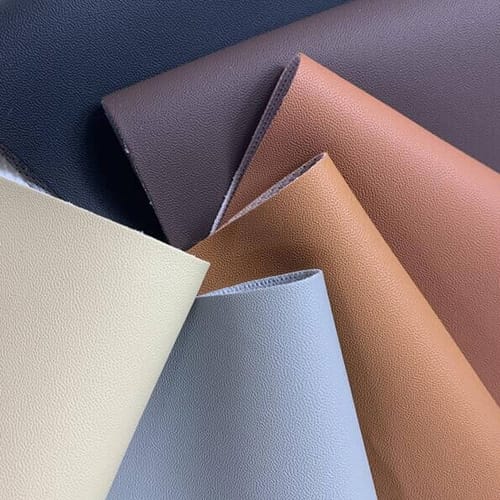
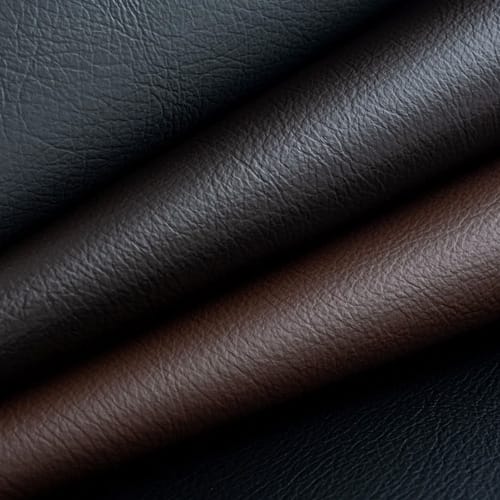
पीवीसी चमड़े की सामग्री (पॉलीविनाइल क्लोराइड चमड़े) एक सिंथेटिक सामग्री है जो एक कपड़ा बैकिंग पर पीवीसी राल को कोटिंग या टुकड़े टुकड़े करके बनाई गई है यह कम लागत, बेहतर पानी प्रतिरोध, और स्थिर औद्योगिक उत्पादन की पेशकश करते हुए वास्तविक चमड़े की उपस्थिति और कार्यक्षमता को दोहराने के लिए डिज़ाइन किया गया है।.
प्राकृतिक चमड़े के विपरीत, पीवीसी चमड़े की मटेरियाः
- जानवरों की खाल पर निर्भर नहीं करता है
- एक समान मोटाई और गुणवत्ता है
- पैमाने पर उत्पादन किया जा सकता है
- बनावट और रंग के सटीक नियंत्रण की अनुमति देता है
- जलरोधक है और बनाए रखने में आसान है
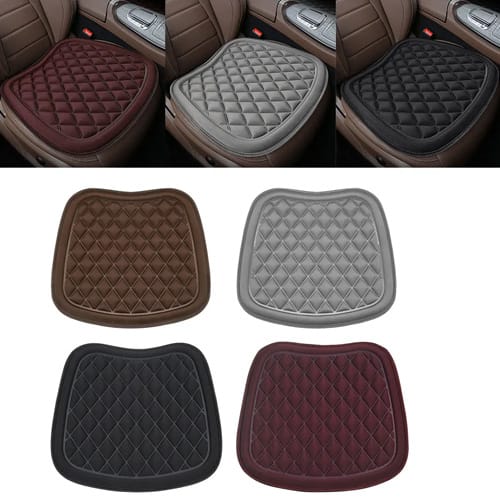
यदि आप इस उद्योग में प्रवेश कर रहे हैं, तो आप केवल एक स्थानापन्न सामग्री का उत्पादन नहीं कर रहे हैं, बल्कि आप फर्नीचर, ऑटोमोटिव इंटीरियर, समुद्री बैठने की जगह, दीवार पैनल और वाणिज्यिक असबाब में उपयोग किए जाने वाले उच्च मात्रा वाले औद्योगिक सतह समाधान का उत्पादन कर रहे हैं।.
क्यों पीवीसी चमड़े की सामग्री अभी भी मजबूत वैश्विक मांग है
पीयू और सिलिकॉन सामग्री से बढ़ती प्रतिस्पर्धा के बावजूद, पीवीसी चमड़े की सामग्री कई बाजारों में दृढ़ता से प्रदर्शन करना जारी रखती है।.
1। पैमाने पर लागत दक्षता
यदि आपके लक्षित ग्राहक फर्नीचर निर्माता, सीट कवर कारखाने, या बड़े पैमाने पर आंतरिक ठेकेदार हैं, तो प्रीमियम कोमलता से अधिक लागत स्थिरता मायने रखती है पीवीसी चमड़े की सामग्री आपको उत्पादन करने की अनुमति देती हैः
- वाइड रोल्स
- लगातार सतह खत्म
- नियंत्रित मोटाई
- उत्पादन चक्र प्रति उच्च उत्पादन
यह इसे उच्च मात्रा वाले खरीदारों के लिए आदर्श बनाता है।.
२ मजबूत जलरोधक प्रदर्शन
समुद्री, आउटडोर और सार्वजनिक परिवहन वातावरण में, नमी प्रतिरोध महत्वपूर्ण है पीवीसी चमड़े की सामग्री स्वाभाविक रूप से जटिल कोटिंग्स की आवश्यकता के बिना उत्कृष्ट जल प्रतिरोध प्रदान करती है।.
३ डिजाइन लचीलापन
एम्बॉसिंग रोलर्स और रिलीज पेपर प्रक्रियाओं के माध्यम से, आप बना सकते हैंः
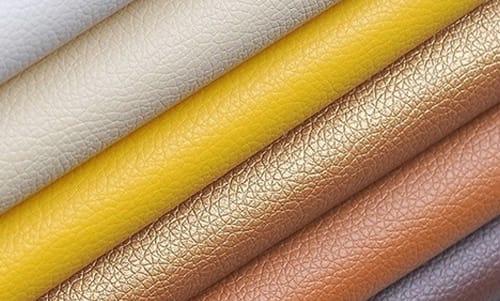
- चमड़ा अनाज
- मैट या चमकदार खत्म
- कस्टम बनावट
- मुद्रित सजावटी सतहों
यह आपको विभिन्न उद्योगों को लक्षित करते समय लचीलापन देता है।.
पीवीसी चमड़े की सामग्री किससे बनी है?
कच्चे माल को समझना आवश्यक है यदि आप पीवीसी चमड़े की उत्पादन लाइन में काम करने या निवेश करने की योजना बना रहे हैं।.
यहाँ एक सरलीकृत ब्रेकडाउन हैः
| घटक | समारोह | अंतिम उत्पाद पर प्रभाव |
|---|---|---|
| पीवीसी राल | बेस पॉलिमर | शक्ति और संरचना निर्धारित करता है |
| प्लास्टिसाइज़र | लचीलापन सुधारें | कोमलता और महसूस को प्रभावित करता है |
| स्टेबलाइजर्स | गर्मी प्रतिरोध | प्रसंस्करण के दौरान गिरावट को रोकता है |
| रंगद्रव्य | रंग | दृश्य संगति |
| फोमिंग एजेंट | माइक्रो-स्ट्रक्चर बनाएं | मोटाई और कोमलता बढ़ाएँ |
| टेक्सटाइल बैकिंग | संरचनात्मक समर्थन | आंसू प्रतिरोध और स्थायित्व |
यदि आप इन सामग्रियों को सही ढंग से अनुकूलित करते हैं, तो आप अपने उत्पाद को फर्नीचर-ग्रेड, ऑटोमोटिव-ग्रेड, या सजावटी-ग्रेड पीवीसी चमड़े की ओर तैयार कर सकते हैं।.
पीवीसी चमड़ा कैसे निर्मित होता है
यदि आप उत्पादन लाइन बनाने या अपग्रेड करने की योजना बना रहे हैं, तो आपको प्रक्रिया विकल्पों के बारे में स्पष्टता की आवश्यकता है।.
दो मुख्यधारा के निर्माण के तरीके हैंः
१ कैलेंडरिंग विधि
इस प्रक्रिया में शामिल हैंः
- एडिटिव्स के साथ पीवीसी रेज़िन का मिश्रण
- यौगिक को गर्म करना और प्लास्टिक बनाना
- कैलेंडर रोलर्स के माध्यम से सामग्री पास करना
- कपड़े के बैकिंग पर लैमिनेटिंग
- झाग (वैकल्पिक)
- एम्बॉसिंग
- सतह परिष्करण
यह विधि इसके लिए उपयुक्त हैः
- उच्च-आउटपुट उत्पादन
- मानकीकृत उत्पादों
- मोटी सामग्री
यदि आपकी रणनीति वॉल्यूम-आधारित उत्पादन है, तो कैलेंडरिंग दक्षता और स्केलेबिलिटी प्रदान करती है।.
२ रिलीज पेपर विधि
इस प्रक्रिया में शामिल हैंः
- बनावट रिलीज पेपर पर कोटिंग तरल पीवीसी
- आंशिक इलाज
- लेमिनेटिंग कपड़ा
- बनावट को स्थानांतरित करने के लिए रिलीज पेपर को छीलना
यह विधि अनुमति देती हैः
- ठीक बनावट नियंत्रण
- उच्च सतह विस्तार
- प्रीमियम उपस्थिति
यदि आप सजावटी या ऑटोमोटिव इंटीरियर बाजारों को लक्षित करना चाहते हैं, तो रिलीज पेपर उत्पादन प्रतिस्पर्धात्मक लाभ प्रदान कर सकता है।.
केस स्टडी: एक क्षेत्रीय फर्नीचर आपूर्तिकर्ता पीवीसी चमड़ा उत्पादन में विस्तार करता है
आइए एक व्यावहारिक परिदृश्य देखें।.
दक्षिण पूर्व एशिया में एक मध्यम आकार के असबाब कपड़े वितरक ने देखा कि आयातित पीवीसी चमड़े की कीमतें अस्थिर थीं शिपिंग देरी उनके फर्नीचर ग्राहकों को प्रभावित कर रही थी।.
आयात जारी रखने के बजाय, उन्होंने मध्यम स्तर की पीवीसी चमड़ा उत्पादन लाइन में निवेश किया।.
उनकी रणनीतिः
- लक्षित स्थानीय सोफा निर्माता
- जलरोधक और खरोंच-प्रतिरोधी ग्रेड पर ध्यान केंद्रित किया
- लागत नियंत्रण के लिए कैलेंडरिंग प्रक्रिया को चुना
- सालाना १.५ मिलियन मीटर की निर्मित क्षमता
२४ महीने के बाद परिणामः
- आयात पर कच्चे माल की निर्भरता कम हुई
- सकल मार्जिन में 18% की वृद्धि हुई
- सुरक्षित दीर्घकालिक आपूर्ति अनुबंध
- ऑटोमोटिव सीट कवर में विस्तारित
आपके लिए मुख्य सबक: पीवीसी चमड़े का उत्पादन लाभदायक हो जाता है जब आप स्पष्ट डाउनस्ट्रीम मांग के साथ उपकरण चयन को संरेखित करते हैं।.
अन्य सिंथेटिक सामग्री के साथ पीवीसी चमड़े की तुलना करना
यदि आप तय कर रहे हैं कि किस उत्पादन लाइन में निवेश करना है, तो तुलना मायने रखती है।.
| फ़ीचर | पीवीसी चमड़ा | पु चमड़ा | सिलिकॉन चमड़ा |
|---|---|---|---|
| लागत | लोअर | मध्यम | उच्चतर |
| जलरोधक | उत्कृष्ट | मध्यम | उत्कृष्ट |
| श्वासक्षमता | लोअर | बेहतर | मध्यम |
| उत्पादन जटिलता | स्थिर एवं परिपक्व | अधिक रासायनिक कदम | उन्नत कोटिंग |
| बड़े पैमाने पर उत्पादन के लिए उपयुक्त | हाँ | हाँ | उभरते |
यदि आपका व्यवसाय मॉडल स्थिर, उच्च-मात्रा वाले आउटपुट को प्राथमिकता देता है, तो पीवीसी एक रणनीतिक प्रारंभिक बिंदु बना हुआ है।.
आप बाज़ार में प्रवेश का मूल्यांकन कैसे कर सकते हैं
निवेश करने से पहले, अपने आप से पूछेंः
- आपके लक्षित ग्राहक कौन हैं?
- उन्हें किस मोटाई और बनावट की आवश्यकता है?
- क्या आपको फोमिंग क्षमता की आवश्यकता है?
- आपका अपेक्षित वार्षिक उत्पादन क्या है?
- कौन से स्थानीय नियम एडिटिव्स को प्रभावित करते हैं?
आपको यह भी गणना करनी चाहिएः
- कच्चे माल सोर्सिंग स्थिरता
- ऊर्जा खपत
- श्रम कौशल आवश्यकताएँ
- अपशिष्ट उपचार लागत
आपके लिए उत्पादन लाइन विचार
यदि आप पीवीसी चमड़े के निर्माण लाइन को स्थापित करने की योजना बना रहे हैं, तो प्रमुख उपकरण में आम तौर पर शामिल हैंः
- हाई-स्पीड मिक्सर
- कैलेंडरिंग मशीन या कोटिंग मशीन
- फोमिंग ओवन
- एम्बॉसिंग यूनिट
- शीतलन और घुमावदार प्रणाली
आपके उत्पादन डिजाइन पर ध्यान केंद्रित करना चाहिएः
- तापमान नियंत्रण परिशुद्धता
- रोलर सतह सटीकता
- स्वचालन स्तर
- मोटाई स्थिरता
- ऊर्जा दक्षता
स्थिर मशीनरी में निवेश सीधे उत्पाद की गुणवत्ता और दीर्घकालिक रखरखाव लागत को प्रभावित करता है।.
जहां बाजार की मांग बढ़ रही है
यदि आप वर्तमान उद्योग के रुझानों का विश्लेषण करते हैं, तो विकास क्षेत्रों में शामिल हैंः
- मॉड्यूलर फर्नीचर निर्माण
- किफायती आवास परियोजनाएं
- समुद्री असबाब
- सार्वजनिक परिवहन बैठने
- दीवार को कवर करने वाली प्रणालियाँ
विकासशील क्षेत्रों में, लागत-प्रदर्शन संतुलन के कारण पीवीसी चमड़े का दबदबा कायम है।.
उत्पाद प्रतिस्पर्धात्मकता में सुधार के लिए व्यावहारिक युक्तियाँ
यदि आप चाहते हैं कि आपका पीवीसी चमड़ा बाहर खड़ा होः
- खरोंच प्रतिरोध में सुधार
- अनुकूलित एम्बॉसिंग पैटर्न प्रदान करें
- रंग मिलान सटीकता को अनुकूलित करें
- लगातार मोटाई सहिष्णुता सुनिश्चित करें
- बेहतर फॉर्मूलेशन के माध्यम से गंध को कम करें
छोटे तकनीकी सुधार आपके उत्पाद को बाजारों में काफी अलग कर सकते हैं।.
जोखिम कारक जिनसे आपको अवगत होना चाहिए
प्रत्येक निवेश जोखिम वहन करता है पीवीसी चमड़े के उत्पादन के लिए, विचार करेंः
- प्लास्टिसाइज़र विनियमन परिवर्तन
- पर्यावरण अनुपालन लागत
- अस्थिर कच्चे माल का मूल्य निर्धारण
- ऊर्जा की कीमत में उतार-चढ़ाव
आप निम्न द्वारा जोखिम को कम कर सकते हैंः
- आपूर्तिकर्ता आधार में विविधता लाना
- कुशल हीटिंग सिस्टम में निवेश
- कई उत्पाद ग्रेड की पेशकश
निष्कर्ष
अब जब आप समझते हैं कि पीवीसी चमड़े की सामग्री क्या है, तो आप इसे न केवल एक उत्पाद के रूप में बल्कि एक स्केलेबल विनिर्माण अवसर के रूप में देख सकते हैं।.
यदि आप उद्योग के साथ संपर्क करते हैंः
- स्पष्ट लक्ष्य बाजार स्थिति
- सुनियोजित उत्पादन क्षमता
- कुशल उपकरण लेआउट
- स्थिर कच्चे माल सोर्सिंग
आप एक बाजार में एक प्रतिस्पर्धी लाभ का निर्माण कर सकते हैं जो टिकाऊ, सस्ती सिंथेटिक चमड़े के समाधान की मांग जारी रखता है।.
पीवीसी चमड़ा सिर्फ असली चमड़े का विकल्प नहीं है, यह पूर्वानुमानित प्रदर्शन, नियंत्रित लागत और मजबूत वैश्विक अनुप्रयोग क्षमता वाला एक संरचित औद्योगिक उत्पाद है।.
यदि आपका लक्ष्य दीर्घकालिक विनिर्माण विकास है, तो सामग्री और उत्पादन प्रक्रिया दोनों को समझना एक स्थायी पीवीसी चमड़े के व्यवसाय के निर्माण की दिशा में आपका पहला कदम है।.
अक्सर पूछे जाने वाले प्रश्न
पीवीसी क्या है चमड़ा सामग्री मुख्य रूप से के लिए इस्तेमाल किया?
पीवीसी चमड़े का व्यापक रूप से फर्नीचर असबाब, मोटर वाहन अंदरूनी, समुद्री बैठने और सजावटी दीवार पैनलों में उपयोग किया जाता है।.
क्या पीवीसी चमड़ा बाहरी उपयोग के लिए उपयुक्त है?
हां, इसके जलरोधक गुणों के कारण, यह ठीक से तैयार होने पर आर्द्र और बाहरी वातावरण में अच्छा प्रदर्शन करता है।.
पीवीसी चमड़ा आमतौर पर कितने समय तक चलता है?
फॉर्मूलेशन और मोटाई के आधार पर, यह इनडोर अनुप्रयोगों में 5,10 वर्षों तक चल सकता है।.
पीवीसी चमड़े के उत्पादन पूंजी गहन है?
प्रारंभिक निवेश लाइन क्षमता, स्वचालन स्तर और फोमिंग उपकरण आवश्यकताओं के आधार पर भिन्न होता है।.
क्या छोटे कारखाने पीवीसी चमड़े का निर्माण शुरू कर सकते हैं?
हां, मध्यम स्तर की लाइनें उपलब्ध हैं, और मांग बढ़ने पर उत्पादन को धीरे-धीरे बढ़ाया जा सकता है।.
क्या मोटाई रेंज का उत्पादन किया जा सकता है?
आमतौर पर लक्ष्य आवेदन के आधार पर ०.६ मिमी से २.० मिमी से अधिक।.
क्या पीवीसी चमड़े को विशेष रखरखाव की आवश्यकता होती है?
नहीं, इसे साफ करना आसान है और पानी और सामान्य दागों के प्रति प्रतिरोधी है।.