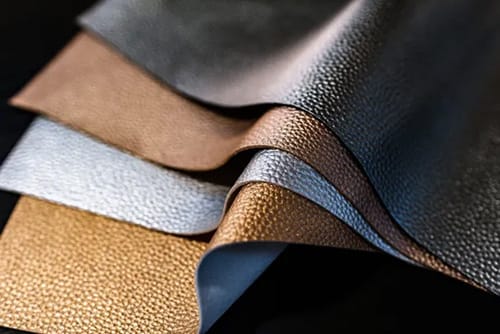
विषय-सूची
चमड़े की मशीनरी में निवेश किसी भी कारखाने के लिए एक बड़ा निर्णय है जो उच्च गुणवत्ता वाले चमड़े के उत्पादों का उत्पादन करना चाहता है चाहे आप सिंथेटिक चमड़े, पु, पीवीसी, या माइक्रोफाइबर सामग्री का निर्माण कर रहे हों, आपके द्वारा चुनी गई मशीनरी सीधे उत्पाद की गुणवत्ता, उत्पादन दक्षता और दीर्घकालिक लाभप्रदता के प्रकारों को समझकर सूचित निर्णय लेने में आपकी सहायता करने के लिए डिज़ाइन की गई है चमड़ा मशीनरी, उत्पादन आवश्यकताओं का आकलन करना, आपूर्तिकर्ताओं का मूल्यांकन करना और टिकाऊ संचालन की योजना बनाना।.
चमड़ा मशीनरी और इसके महत्व को समझना
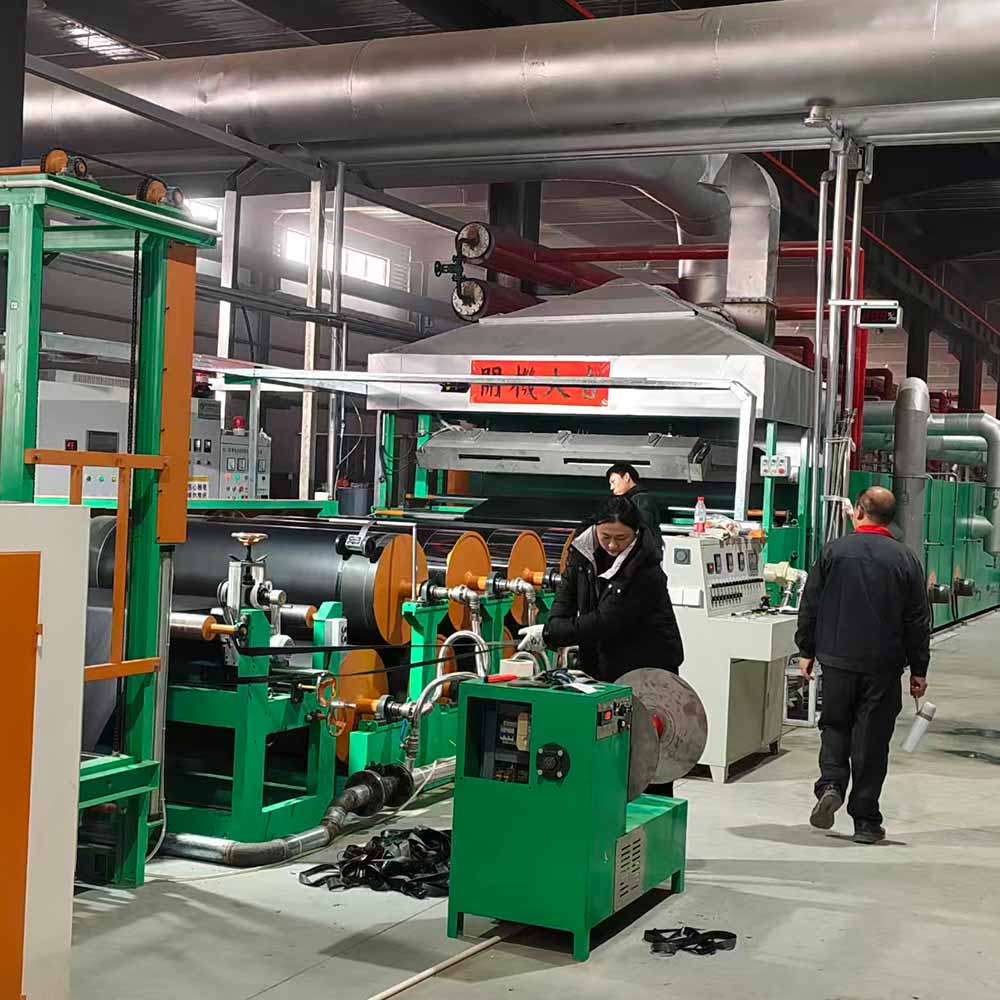
चमड़े की मशीनरी चमड़े और चमड़े जैसी सामग्री के उत्पादन में उपयोग किए जाने वाले विशेष उपकरणों को संदर्भित करती है कोटिंग और एम्बॉसिंग से लेकर टुकड़े टुकड़े और सुखाने तक, प्रत्येक मशीन कच्चे माल को तैयार उत्पादों में बदलने में एक विशिष्ट भूमिका निभाती है सही मशीनरी में निवेश लगातार गुणवत्ता सुनिश्चित करता है, अपशिष्ट को कम करता है, और आपको अलग-अलग बाजार की मांगों को पूरा करने की अनुमति देता है।.
आधुनिक कारखाने तेजी से मशीनरी पर भरोसा करते हैं जो सटीक, स्वचालन और अनुकूलन क्षमता प्रदान करता है वैश्विक औद्योगिक विनिर्माण विश्लेषण द्वारा २०२३ की रिपोर्ट के अनुसार, उन्नत मशीनरी का उपयोग करने वाले कारखानों ने १५१ टीपी ३ टी तक सामग्री अपशिष्ट को कम किया है और २०१ टीपी ३ टी द्वारा उत्पादन क्षमता में वृद्धि यह दर्शाता है कि चमड़े की मशीनरी सिर्फ उपकरण नहीं है यह आपके कारखाने की परिचालन क्षमता में एक रणनीतिक निवेश है।.
चमड़ा मशीनरी के विभिन्न प्रकार
चमड़े के उत्पादन में कई चरण शामिल हैं, प्रत्येक को विशेष मशीनरी की आवश्यकता होती है इन प्रकारों को समझने से आपको यह निर्धारित करने में मदद मिलती है कि आपके उत्पादन लक्ष्यों को क्या फिट बैठता है।.
- कोटिंग मशीन कपड़ा बैकिंग पर पु या पीवीसी जैसे बहुलक परतों को लागू करते हैं वे सतह की गुणवत्ता और मोटाई स्थिरता के लिए महत्वपूर्ण हैं।.
- एम्बॉसिंग मशीनें पैटर्न और बनावट बनाती हैं, चमड़े को अपनी विशिष्ट उपस्थिति देती हैं प्रेसिजन रोलर्स पैटर्न की स्पष्टता और गहराई निर्धारित करते हैं।.
- लैमिनेटिंग और कैलेंडरिंग मशीनें सतहों को संपीड़ित और चिकनी करती हैं, जिससे उत्पादन बैचों में एकरूपता सुनिश्चित होती है।.
- सुखाने और परिष्करण उपकरण कोटिंग्स को स्थिर करता है और सतह स्थायित्व में सुधार करता है।.
- विशिष्ट मशीनें माइक्रोफाइबर और सिलिकॉन चमड़े के लिए डिज़ाइन की गई हैं, जो अद्वितीय बनावट और उन्नत प्रदर्शन गुण प्रदान करती हैं।.
प्रत्येक प्रकार की मशीन विशिष्ट उत्पादन आवश्यकताओं को संबोधित करती है आपकी पसंद आपके लक्ष्य उत्पाद लाइन, वांछित बनावट और उत्पादन के पैमाने पर निर्भर करती है।.
अपनी उत्पादन आवश्यकताओं का आकलन करना
मशीनरी का चयन करने से पहले, अपने कारखाने की उत्पादन आवश्यकताओं का मूल्यांकन करें चमड़े के प्रकार को परिभाषित करके शुरू करें जिसे आप निर्माण करने की योजना बना रहे हैं और अनुमानित आउटपुट वॉल्यूम निम्नलिखित पर विचार करेंः
- आवश्यक उत्पादन क्षमता और लाइन की गति
- सामग्री के प्रकार: पीवीसी, पु, माइक्रोफाइबर, या सिलिकॉन चमड़े
- फर्नीचर, ऑटोमोटिव, समुद्री, या फैशन जैसे उत्पाद अनुप्रयोग
- फ़ैक्टरी स्थान और लेआउट बाधाएँ
इन कारकों का उचित मूल्यांकन करने से आप ऐसी मशीनरी का चयन करना सुनिश्चित करते हैं जो लगातार गुणवत्ता बनाए रखते हुए आपके नियोजित कार्यभार को संभाल सके।.
स्वचालन स्तर और प्रौद्योगिकी संबंधी विचार
चमड़े की मशीनरी में स्वचालन एक महत्वपूर्ण भूमिका निभाता है मशीनें मैनुअल और अर्ध-स्वचालित से पूरी तरह से स्वचालित प्रणालियों तक होती हैं स्वचालित उपकरण तापमान, दबाव और लाइन गति पर सटीक नियंत्रण प्रदान करते हैं, मानव त्रुटि को कम करते हैं और उत्पाद स्थिरता में सुधार करते हैं।.
पीएलसी एकीकरण सहित डिजिटल नियंत्रण प्रणाली, आपको वास्तविक समय में उत्पादन की निगरानी करने, मापदंडों को अनुकूलित करने और नए उत्पाद डिजाइनों को जल्दी से समायोजित करने की अनुमति देती है इसके अलावा, ऊर्जा-कुशल सिस्टम परिचालन लागत और पर्यावरणीय प्रभाव को कम करते हैं, दीर्घकालिक स्थिरता का समर्थन करते हैं।.
बजट और लागत विश्लेषण
आरओआई मूल्यांकन के लिए चमड़े की मशीनरी की कुल लागत को समझना आवश्यक है जबकि प्रारंभिक निवेश पर्याप्त हो सकता है, कुशल मशीनरी अक्सर कम अपशिष्ट, उच्च उत्पादन और बेहतर उत्पाद गुणवत्ता के माध्यम से खुद के लिए भुगतान करती है।.
यहां मध्यम स्तर की उत्पादन लाइन के लिए लागत वितरण का एक व्यावहारिक उदाहरण दिया गया हैः
| लागत घटक | कुल लागत का अनुमानित हिस्सा |
|---|---|
| कच्चा माल | 40,50% |
| मशीनरी निवेश | 25,30% |
| ऊर्जा एवं उपयोगिताएँ | 8,12% |
| श्रम | 5,10% |
| रखरखाव एवं स्पेयर पार्ट्स | 5,8% |
| उपरिव्यय | 5,8% |
यह तालिका इस बात पर प्रकाश डालती है कि मशीनरी निवेश सबसे बड़े लागत घटकों में से एक है, लेकिन इसकी दक्षता सीधे लाभप्रदता को प्रभावित करती है।.
आपूर्तिकर्ता चयन और विश्वसनीयता
एक विश्वसनीय आपूर्तिकर्ता चुनना महत्वपूर्ण है निर्माताओं का मूल्यांकन निम्न के आधार पर करेंः
- तकनीकी विशेषज्ञता और उद्योग का अनुभव
- बिक्री के बाद समर्थन और रखरखाव सेवाओं की उपलब्धता
- औद्योगिक और सुरक्षा मानकों का अनुपालन
- अनुकूलन के लिए लचीलापन अपने उत्पादन की जरूरत से मेल खाने के लिए
जब संभव हो तो नमूना उत्पादन परीक्षणों का अनुरोध करें वास्तविक आउटपुट देखकर आपको पूर्ण पैमाने पर निवेश करने से पहले पैटर्न परिशुद्धता, कोटिंग एकरूपता और मशीनरी विश्वसनीयता का आकलन करने की अनुमति मिलती है।.
अंतरिक्ष और फैक्टरी लेआउट योजना
उचित लेआउट योजना दक्षता को अधिकतम करती है इनपुट और आउटपुट क्षेत्रों सहित प्रत्येक मशीन के लिए पर्याप्त स्थान आवंटित करें कच्चे माल की तैयारी से तैयार उत्पाद पैकेजिंग तक वर्कफ़्लो पर विचार करें अतिरिक्त मशीनों या स्वचालित प्रणालियों के लिए कमरे छोड़कर भविष्य के विस्तार की योजना बनाएं।.
कुशल फ़ैक्टरी लेआउट उत्पादन बाधाओं को कम करता है, ऊर्जा की खपत को कम करता है, और सामग्री प्रबंधन को कम करता है, जो समग्र परिचालन दक्षता में योगदान देता है।.
रखरखाव और दीर्घायु संबंधी विचार
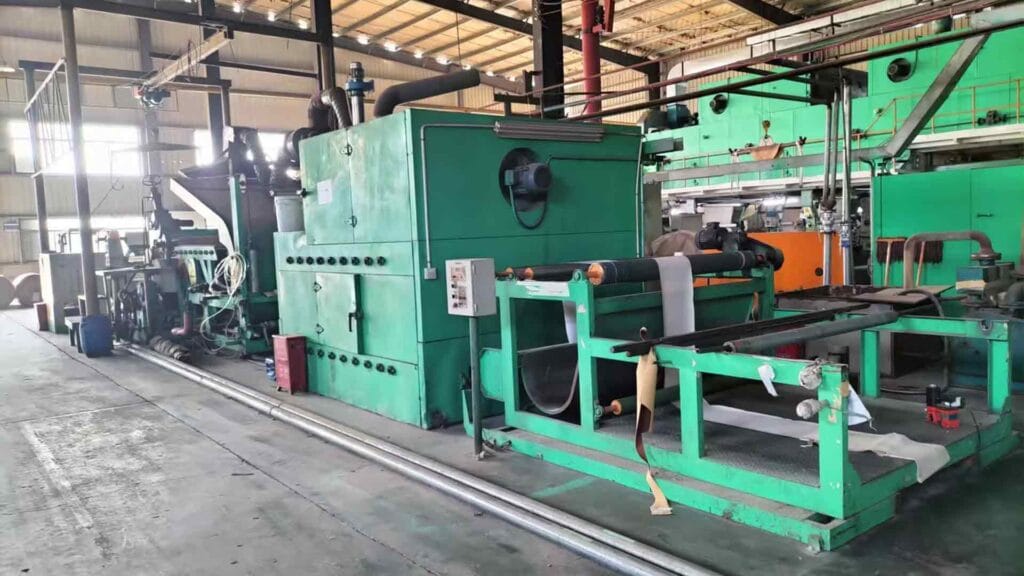
नियमित रखरखाव लगातार संचालन सुनिश्चित करने और मशीनरी जीवन का विस्तार करने के लिए आवश्यक है अनुशंसित प्रथाओं में शामिल हैंः
- संदूषण को रोकने के लिए रोलर्स और कन्वेयर सिस्टम की सफाई
- स्थिरता के लिए तापमान और दबाव नियंत्रण की निगरानी करना
- निर्माता दिशानिर्देशों के अनुसार चलती भागों को चिकनाई देना
- टूट-फूट के लिए नियमित निरीक्षण निर्धारित करना
- सही उपयोग और सुरक्षा पर ऑपरेटर प्रशिक्षण प्रदान करना
रखरखाव की उपेक्षा करने से उत्पाद की गुणवत्ता कम हो सकती है, डाउनटाइम हो सकता है और मरम्मत महंगी हो सकती है।.
चमड़ा मशीनरी में रुझान और नवाचार
उद्योग की प्रगति लगातार उत्पादन क्षमताओं में सुधार करती हैः
- डिजिटल एम्बॉसिंग और सीएनसी-उत्कीर्ण रोलर्स तेज, अधिक यथार्थवादी बनावट प्रदान करते हैं
- मल्टी-पैटर्न त्वरित-परिवर्तन प्रणालियाँ तेजी से उत्पाद लाइन अनुकूलन को सक्षम बनाती हैं
- एंटी-बैक्टीरियल और कार्यात्मक कोटिंग्स उच्च स्वच्छता और प्रदर्शन मानकों को पूरा करते हैं
- स्मार्ट फ़ैक्टरी सिस्टम के साथ एकीकरण डेटा-संचालित अनुकूलन और पूर्वानुमानित रखरखाव की अनुमति देता है
ये नवाचार न केवल उत्पाद की गुणवत्ता बढ़ाते हैं बल्कि कारखाने की प्रतिस्पर्धात्मकता और बाजार की मांगों के प्रति प्रतिक्रियाशीलता भी बढ़ाते हैं।.
वास्तविक दुनिया के मामले का अध्ययन और सीखे गए सबक
एक मध्यम आकार के सिंथेटिक चमड़े के कारखाने के अनुभव पर विचार करें प्रारंभ में, उन्होंने फर्नीचर निर्माताओं के लिए मानक पीवीसी शीट का उत्पादन किया अपने एम्बॉसिंग और कोटिंग मशीनों को अपग्रेड करके और तापमान-नियंत्रित सुखाने प्रणालियों को एकीकृत करके, वेः
- कई नए बनावट डिज़ाइन पेश किए गए
- उत्पाद मूल्य निर्धारण में 10% की वृद्धि
- १२१ टीपी ३ टी द्वारा सामग्री अपशिष्ट को कम किया
- सुरक्षित दीर्घकालिक आपूर्ति अनुबंध
यह मामला दर्शाता है कि कितनी सावधानी से चयनित मशीनरी और प्रक्रिया अनुकूलन सीधे लाभप्रदता और बाजार स्थिति में सुधार कर सकते हैं।.
चमड़ा मशीनरी खरीदने से पहले अंतिम चेकलिस्ट
- उत्पादन क्षमता और बाजार की मांग का आकलन करें
- आपूर्तिकर्ता विश्वसनीयता और बिक्री के बाद सेवा का मूल्यांकन करें
- सुनिश्चित करें कि मशीनरी सामग्री प्रकार और वांछित उत्पाद परिणामों से मेल खाती है
- निवेश लागत और अपेक्षित आरओआई की गणना करें
- योजना फैक्टरी लेआउट और अंतरिक्ष आवंटन
- रखरखाव कार्यक्रम और ऑपरेटर प्रशिक्षण कार्यक्रम स्थापित करें
निष्कर्ष
चमड़े की मशीनरी में निवेश केवल उपकरण खरीदने के बारे में नहीं है यह दीर्घकालिक सफलता के लिए अपने कारखाने की स्थिति के बारे में है मशीनों का चयन करके जो उत्पादन आवश्यकताओं को पूरा करते हैं, गुणवत्ता मानकों को बनाए रखते हैं, और स्केलेबिलिटी का समर्थन करते हैं, आप दक्षता बढ़ा सकते हैं, लागत कम कर सकते हैं, और उत्पाद की उचित योजना, आपूर्तिकर्ता मूल्यांकन, और निरंतर नवाचार सुनिश्चित करेंगे कि आपका कारखाना चमड़ा निर्माण उद्योग में एक मजबूत खिलाड़ी बना रहे।.
अक्सर पूछे जाने वाले प्रश्न
क्या है चमड़ा मशीनरी के लिए इस्तेमाल किया?
चमड़े की मशीनरी का उपयोग औद्योगिक उत्पादन में चमड़े या सिंथेटिक चमड़े को संसाधित करने, कोट करने, एम्बॉस करने, टुकड़े टुकड़े करने और खत्म करने के लिए किया जाता है।.
मैं अपने कारखाने के लिए सही चमड़े की मशीनरी कैसे चुनूं?
मशीनरी का चयन करने से पहले अपनी उत्पादन क्षमता, सामग्री प्रकार, स्वचालन स्तर, बजट और रखरखाव आवश्यकताओं पर विचार करें।.
चमड़े की मशीनरी आमतौर पर कितने समय तक चलती है?
उचित रखरखाव के साथ, औद्योगिक चमड़े की मशीनरी कई वर्षों तक मज़बूती से काम कर सकती है।.
क्या चमड़े की मशीनरी का उपयोग सिंथेटिक चमड़े के लिए किया जा सकता है?
हां, अधिकांश आधुनिक चमड़े की मशीनरी पीवीसी, पीयू, माइक्रोफाइबर और सिलिकॉन चमड़े को संसाधित करने के लिए डिज़ाइन की गई है।.
चमड़े की मशीनरी के लिए क्या रखरखाव आवश्यक है?
नियमित रखरखाव में रोलर्स की सफाई, तापमान और दबाव प्रणालियों की जांच करना, चलने वाले हिस्सों को चिकनाई देना और पहनने के लिए घटकों का निरीक्षण करना शामिल है।.