
यदि आप चमड़े का कारखाना चला रहे हैं या बनाने की योजना बना रहे हैं, तो अब आप केवल मशीनें नहीं खरीद रहे हैं, आप एक उत्पादन प्रणाली डिजाइन कर रहे हैं जो आपकी दीर्घकालिक प्रतिस्पर्धात्मकता निर्धारित करती है।.
वैश्विक चमड़े और सिंथेटिक सामग्री उद्योग अधिक मांग हो रही है ग्राहकों को लगातार गुणवत्ता, कम वितरण समय, और अधिक अनुकूलित उत्पादों की उम्मीद है एक ही समय में, उत्पादन लागत, ऊर्जा की खपत, और पर्यावरण आवश्यकताओं में वृद्धि हो रही है।.
यह वह जगह है जहां चमड़ा प्रसंस्करण मशीनरी सिर्फ उपकरण से अधिक हो जाता है यह आपकी विनिर्माण रणनीति की रीढ़ बन जाता है।.
इस गाइड में, आप सीखेंगे कि आधुनिक चमड़े की प्रसंस्करण मशीनरी वास्तविक उत्पादन वातावरण में कैसे काम करती है, सही कॉन्फ़िगरेशन का चयन कैसे करें, और आप इसका उपयोग दक्षता में सुधार, अपशिष्ट को कम करने और आत्मविश्वास के साथ अपने संचालन को बढ़ाने के लिए कैसे कर सकते हैं।.
विषय-सूची
क्या चमड़ा प्रसंस्करण मशीनरी वास्तव में शामिल है
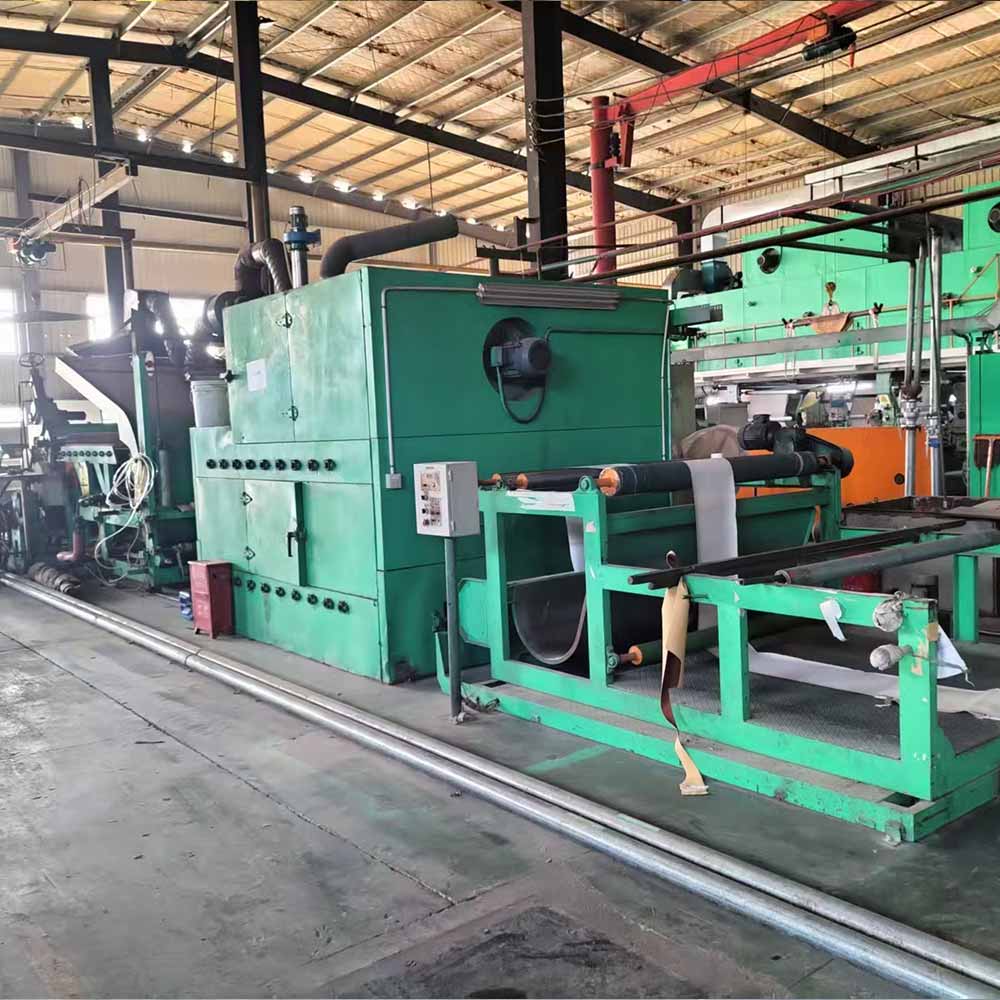
जब लोग चमड़े के प्रसंस्करण मशीनरी का उल्लेख करते हैं, तो वे अक्सर एक ही मशीन के बारे में सोचते हैं वास्तव में, यह एक पूर्ण प्रणाली है जो उत्पादन के कई चरणों को कवर करती है।.
आपके व्यवसाय मॉडल के आधार पर, इसमें शामिल हो सकते हैंः
- सामग्री लगाने के लिए कोटिंग मशीनें
- सुखाने और हीटिंग सिस्टम
- एम्बॉसिंग और सतह परिष्करण उपकरण
- लैमिनेटिंग और बॉन्डिंग मशीनें
- कटिंग और हैंडलिंग सिस्टम
प्रत्येक मशीन एक विशिष्ट कार्य करती है, लेकिन वास्तविक मूल्य इस बात से आता है कि वे एक सतत उत्पादन लाइन में कितनी अच्छी तरह एकीकृत हैं।.
यदि आपकी मशीनें सिंक्रनाइज़ नहीं हैं, तो यहां तक कि सबसे उन्नत उपकरण भी लगातार परिणाम नहीं देंगे।.
आधुनिक विनिर्माण के लिए एकीकृत मशीनरी सिस्टम की आवश्यकता क्यों है
पारंपरिक सेटअप में, कारखानों अक्सर स्वतंत्र रूप से संचालित अलग मशीनों पर भरोसा करते थे जबकि यह दृष्टिकोण एक बुनियादी स्तर पर काम करता है, यह अक्षमताएं पैदा करता हैः
- बार-बार सामग्री संभालना
- प्रक्रियाओं के बीच असंगत गुणवत्ता
- उच्च श्रम लागत
- दोषों का खतरा बढ़ गया
आधुनिक चमड़ा प्रसंस्करण मशीनरी को एक सतत प्रणाली में कई प्रक्रियाओं को एकीकृत करके इन मुद्दों को हल करने के लिए डिज़ाइन किया गया है।.
औद्योगिक विनिर्माण दक्षता अध्ययनों के अनुसार, एकीकृत उत्पादन लाइनें स्टैंडअलोन मशीनों की तुलना में २०,३५१ टीपी ३ टी द्वारा समग्र दक्षता में सुधार कर सकती हैं।.
आपके लिए, इसका मतलब हैः
- तेज़ उत्पादन चक्र
- कम परिचालन लागत
- बेहतर उत्पाद स्थिरता
चमड़ा प्रसंस्करण मशीनरी एक प्रणाली के रूप में कैसे काम करती है
यह समझने के लिए कि अपने कारखाने को कैसे अनुकूलित किया जाए, आपको व्यक्तिगत मशीनों के बजाय संपूर्ण वर्कफ़्लो को देखने की आवश्यकता है।.
सामग्री खिलाना और तैयारी
कच्चे माल, चाहे प्राकृतिक चमड़ा हो या सिंथेटिक सब्सट्रेट, को नियंत्रित तनाव के तहत सिस्टम में डाला जाता है।.
इस स्तर पर संगति डाउनस्ट्रीम में सुचारू प्रसंस्करण सुनिश्चित करती है।.
कोटिंग और उपचार
आपके उत्पादन प्रकार के आधार पर, कोटिंग्स को बढ़ाने के लिए लागू किया जा सकता हैः
- सतह गुण
- आसंजन शक्ति
- टिकाऊपन
कोटिंग मोटाई में परिशुद्धता महत्वपूर्ण है यहां तक कि छोटे बदलाव अंतिम उत्पाद की गुणवत्ता को प्रभावित कर सकते हैं।.
हीटिंग और सुखाने
सामग्री नियंत्रित हीटिंग ज़ोन से गुजरती है जहाँः
- नमी या सॉल्वैंट्स हटा दिए जाते हैं
- कोटिंग्स स्थिर हैं
- सामग्री संरचना को बढ़ाया जाता है
तापमान नियंत्रण पूरी प्रक्रिया में सबसे महत्वपूर्ण कारकों में से एक है।.
एम्बॉसिंग और सरफेस फिनिशिंग
यह चरण उत्पाद की दृश्य और स्पर्श गुणवत्ता को परिभाषित करता है।.
नियंत्रित दबाव और तापमान का उपयोग करके, सामग्री पर पैटर्न और बनावट लगातार लागू की जाती है।.
लेमिनेशन और बॉन्डिंग
वांछित शक्ति और लचीलापन प्राप्त करने के लिए कई परतों को एक साथ जोड़ा जाता है।.
प्रदूषण से बचने के लिए उचित संरेखण और दबाव नियंत्रण आवश्यक है।.
शीतलन और आउटपुट
सामग्री को आगे उपयोग के लिए रोल करने या काटने से पहले ठंडा और स्थिर किया जाता है।.
वास्तविक मामला: मैनुअल से एकीकृत उत्पादन में संक्रमण

असबाब सामग्री का उत्पादन करने वाले एक मध्यम आकार के चमड़े के निर्माता को कई चुनौतियों का सामना करना पड़ाः
- उच्च श्रम निर्भरता
- असंगत उत्पाद गुणवत्ता
- सीमित उत्पादन क्षमता
उनका उत्पादन चरणों के बीच मैन्युअल हैंडलिंग वाली अलग-अलग मशीनों पर निर्भर था।.
एक एकीकृत चमड़े के प्रसंस्करण मशीनरी प्रणाली में अपग्रेड करने के बादः
- उत्पादन क्षमता में ४०१ टीपी३ टी की वृद्धि हुई
- श्रम लागत में २५१ टीपी ३ टी की कमी आई
- उत्पाद की स्थिरता में काफी सुधार हुआ
मुख्य सुधार केवल स्वचालन नहीं था, बल्कि प्रक्रियाओं के बीच सिंक्रनाइज़ेशन था।.
पारंपरिक बनाम आधुनिक मशीनरी सिस्टम की तुलना करना
| पहलू | पारंपरिक सेटअप | एकीकृत प्रणाली |
|---|---|---|
| उत्पादन क्षमता | कम | उच्च |
| श्रम आवश्यकता | उच्च | कम किया |
| गुणवत्ता संगति | परिवर्तनीय | स्थिर |
| मापनीयता | लिमिटेड | मजबूत |
| रखरखाव जटिलता | मध्यम | केंद्रीकृत नियंत्रण के साथ अनुकूलित |
निवेश करने से पहले आपको जिन प्रमुख कारकों पर विचार करना चाहिए
सही चमड़े के प्रसंस्करण मशीनरी का चयन केवल कीमत के बारे में नहीं है यह दीर्घकालिक प्रदर्शन के बारे में है।.
उत्पादन स्केल
क्या आप छोटे बैच या निरंतर बड़ी मात्रा में उत्पादन कर रहे हैं आपकी मशीनरी को आपके आउटपुट लक्ष्यों से मेल खाना चाहिए।.
सामग्री संगतता
सुनिश्चित करें कि आपके उपकरण समर्थन करते हैंः
- प्राकृतिक चमड़ा
- पु सामग्री
- पीवीसी-आधारित सामग्री
लचीलापन आपको बाजार में बदलाव के अनुकूल होने की अनुमति देता है।.
प्रक्रिया एकीकरण
आप जितनी अधिक प्रक्रियाओं को एकीकृत कर सकते हैं, आपका उत्पादन उतना ही अधिक कुशल होगा।.
ऊर्जा दक्षता
ऊर्जा की खपत एक प्रमुख लागत कारक है अनुकूलित हीटिंग और एयरफ्लो के साथ आधुनिक सिस्टम ऊर्जा के उपयोग को काफी कम कर सकते हैं।.
अनुकूलन क्षमता
हर कारखाने अद्वितीय जरूरतों है मशीनरी के लिए देखो कि के संदर्भ में अनुकूलित किया जा सकता हैः
- चौड़ाई
- गति
- प्रक्रिया विन्यास
सामान्य चुनौतियाँ और आप उन्हें कैसे हल कर सकते हैं
यहां तक कि उन्नत प्रणालियों को भी परिचालन चुनौतियों का सामना करना पड़ता है।.
समस्या: उत्पादन की बाधाएं
कारण: मशीनों के बीच खराब सिंक्रनाइज़ेशन
समाधान: एकीकृत नियंत्रण प्रणाली का उपयोग करें
समस्या: असंगत गुणवत्ता
कारण: तापमान या दबाव में भिन्नता
समाधान: वास्तविक समय की निगरानी लागू करें
समस्या: उच्च ऊर्जा खपत
कारण: अक्षम हीटिंग सिस्टम
समाधान: ऊर्जा-कुशल डिज़ाइनों में अपग्रेड करें
आप सब कुछ बदले बिना दक्षता में सुधार कैसे कर सकते हैं
आपको हमेशा पूर्ण सिस्टम अपग्रेड की आवश्यकता नहीं होती है।.
यहाँ व्यावहारिक सुधार हैंः
- मशीन सेटिंग्स को नियमित रूप से अनुकूलित करें
- प्रक्रिया नियंत्रण पर ट्रेन ऑपरेटरों
- चरणों के बीच सामग्री प्रबंधन में सुधार करें
- महत्वपूर्ण चरणों में स्वचालन जोड़ें
ये परिवर्तन बड़े निवेश के बिना प्रदर्शन में उल्लेखनीय सुधार कर सकते हैं।.
उद्योग के रुझान जिन पर आपको ध्यान देना चाहिए
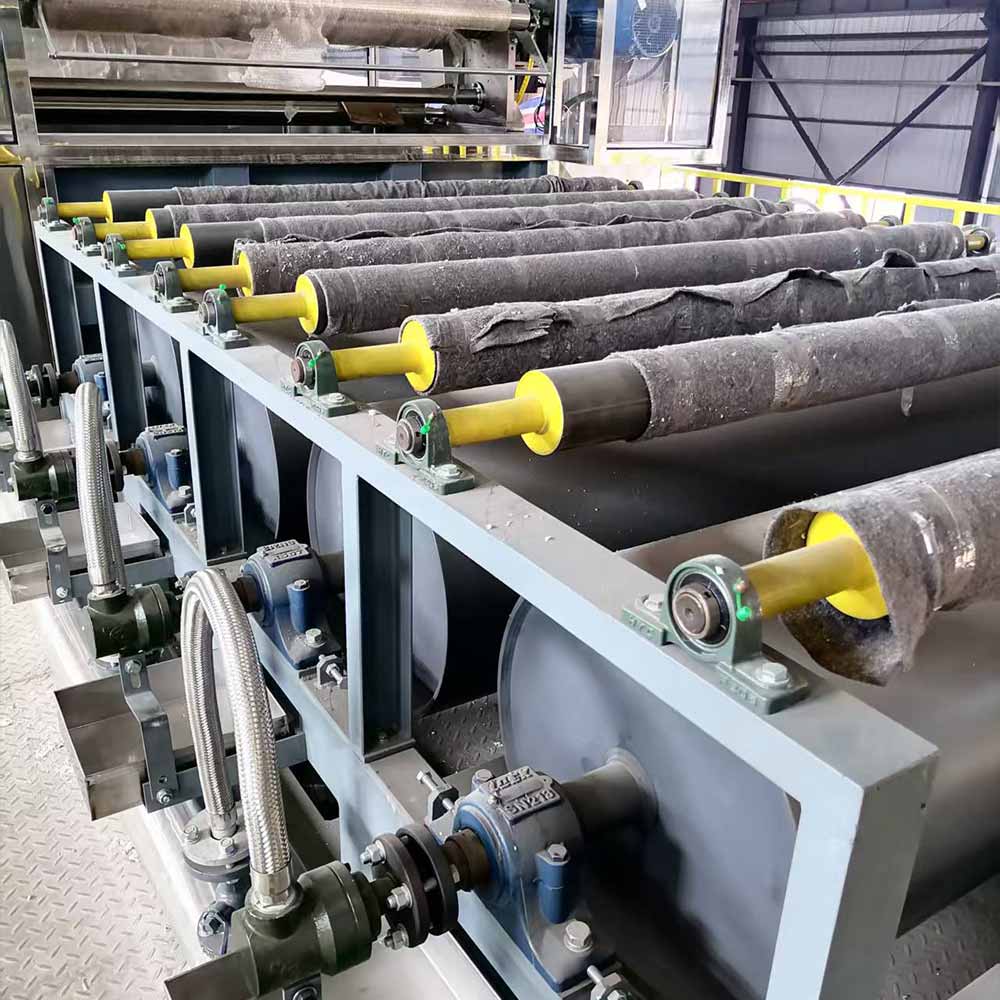
चमड़ा प्रसंस्करण उद्योग तेजी से विकसित हो रहा है।.
प्रमुख रुझानों में शामिल हैंः
- स्वचालित नियंत्रण प्रणालियों के साथ स्मार्ट विनिर्माण
- अनुकूलित उत्पादन की मांग में वृद्धि
- एकाधिक प्रक्रियाओं का एक ही पंक्ति में एकीकरण
- ऊर्जा-बचत प्रौद्योगिकियाँ
- पर्यावरण के अनुकूल उत्पादन के तरीके
यदि आप प्रतिस्पर्धी बने रहने की योजना बना रहे हैं, तो आपकी मशीनरी रणनीति को इन रुझानों के साथ संरेखित करना चाहिए।.
आपके कारखाने के लिए व्यावहारिक रणनीति
यदि आप भविष्य के लिए तैयार चमड़े की उत्पादन प्रणाली का निर्माण करना चाहते हैं, तो इस पर ध्यान देंः
- पृथक मशीनों के बजाय एकीकरण
- अधिकतम गति से अधिक प्रक्रिया स्थिरता
- विभिन्न सामग्रियों को संभालने के लिए लचीलापन
- डेटा विश्लेषण के माध्यम से निरंतर सुधार
इन सिद्धांतों का पालन करने वाली फ़ैक्टरियाँ बाज़ार परिवर्तनों के अनुकूल होने के लिए बेहतर स्थिति में हैं।.
निष्कर्ष
चमड़ा प्रसंस्करण मशीनरी अब केवल अलग-अलग कार्यों को करने वाली व्यक्तिगत मशीनों के बारे में नहीं है यह एक पूर्ण, कुशल और स्केलेबल उत्पादन प्रणाली के निर्माण के बारे में है।.
यह समझकर कि प्रक्रिया का प्रत्येक चरण कैसे काम करता है और मशीनें एक-दूसरे के साथ कैसे बातचीत करती हैं, आप बेहतर निवेश निर्णय ले सकते हैं, उत्पाद की गुणवत्ता में सुधार कर सकते हैं और समग्र दक्षता बढ़ा सकते हैं।.
यदि आप अपनी मशीनरी को एक साधारण खरीद के बजाय एक रणनीतिक संपत्ति के रूप में मानते हैं, तो आप दीर्घकालिक विकास के लिए एक मजबूत आधार तैयार करेंगे।.
अक्सर पूछे जाने वाले प्रश्न
क्या करता है चमड़ा प्रसंस्करण मशीनरी शामिल करना?
इसमें चमड़े की सामग्री को कोटिंग करने, सुखाने, उभारने, लैमिनेट करने और परिष्करण करने के उपकरण शामिल हैं।.
क्या एकीकृत मशीनरी स्टैंडअलोन मशीनों से बेहतर है?
हां, एकीकृत सिस्टम दक्षता, स्थिरता और स्केलेबिलिटी में सुधार करते हैं।.
क्या चमड़ा प्रसंस्करण मशीनरी विभिन्न सामग्रियों को संभाल सकती है?
अधिकांश आधुनिक प्रणालियाँ प्राकृतिक और सिंथेटिक चमड़े की सामग्री को संसाधित करने के लिए डिज़ाइन की गई हैं।.
मैं उत्पादन क्षमता में सुधार कैसे कर सकता हूं?
प्रक्रिया एकीकरण, ऑपरेटर प्रशिक्षण और उपकरण अनुकूलन पर ध्यान दें।.
मशीनरी चुनते समय अनुकूलन महत्वपूर्ण है?
हां, अनुकूलित समाधान सुनिश्चित करते हैं कि मशीनरी आपकी विशिष्ट उत्पादन आवश्यकताओं के अनुरूप हो।.