Daftar Isi
Dalam industri kulit sintetis, kulit PU banyak digunakan di seluruh alas kaki, interior otomotif, furnitur, dan aksesori mode. Namun, tidak semua kulit PU dibuat sama — aplikasi yang berbeda memerlukan metode pemrosesan yang berbeda. Memahami perbedaan antara kering dan jalur produksi proses basah sangat penting bagi produsen yang bertujuan untuk memenuhi persyaratan kinerja dan mengoptimalkan efisiensi produksi.
Mengapa Proses Kulit PU Tidak Bisa “One-Size-Fits-All”
Pemilihan proses produksi yang salah dapat mengakibatkan:
- Kinerja produk yang terganggu
- Mengurangi daya tahan atau kenyamanan
- Biaya operasional yang lebih tinggi
- Limbah material
Misalnya, bagian atas sepatu atau tas mungkin memerlukan kekuatan tarik tinggi dan permukaan akhir yang halus, sedangkan furnitur atau tempat duduk otomotif memerlukan permeabilitas udara dan kenyamanan sentuhan.
Inilah sebabnya mengapa pemilihan proses harus didorong oleh persyaratan aplikasi, bukan hanya oleh biaya atau ketersediaan peralatan.
Aplikasi Khas PU Dry Process Kulit
Kulit PU yang diproduksi melalui jalur proses kering sangat ideal untuk aplikasi di mana penampilan permukaan, kekuatan, dan daya tahan sangat penting:
- Bagian atas alas kaki: Finishing halus dan konsisten yang tahan terhadap lentur dan abrasi
- Tas dan bagasi: Kekuatan tarik tinggi dan daya tahan jangka panjang
- Lapisan permukaan interior otomotif: Scratch-tahan, finishing high-gloss untuk dashboard, panel, atau trim dekoratif
Karakteristik kunci dari proses kering PU kulit:
- Kehalusan permukaan yang sangat baik
- Kekuatan mekanik yang tinggi
- Penguapan pelarut yang kuat untuk pelapisan yang konsisten
- Pemrosesan berbasis oven yang stabil untuk lapisan seragam
Jalur proses kering unggul dalam produksi bervolume tinggi dan presisi tinggi di mana tampilan visual adalah prioritas.
Keuntungan Aplikasi Utama dari PU Wet Process Leather
Kulit PU proses basah lebih disukai dalam aplikasi di mana kenyamanan, breathability, dan kualitas kulit-seperti alami sangat penting:
- Pelapis furnitur: Permukaan lembut dan bernapas untuk tempat duduk dan sofa
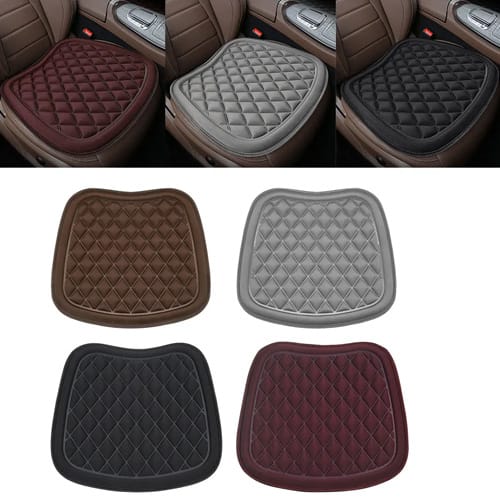
- Tempat duduk otomotif: Bahan yang nyaman dan permeabilitas tinggi untuk penggunaan jangka panjang
- Kulit PU fungsional atau bernapas: Struktur berpori memungkinkan pengaturan kelembaban dan meningkatkan kenyamanan aus
Keuntungan dari kulit proses basah:
- Struktur terbuka dan berpori mikro
- Permeabilitas udara dan kelembaban tinggi
- Rasa tangan yang lembut dan fleksibel
- Penampilan dan performa seperti kulit alami
Untuk aplikasi premium dan fungsional, lini produksi proses basah memberikan kenyamanan dan kinerja taktil yang unggul dibandingkan dengan kulit PU proses kering.
Perbedaan Tingkat Peralatan yang Penting
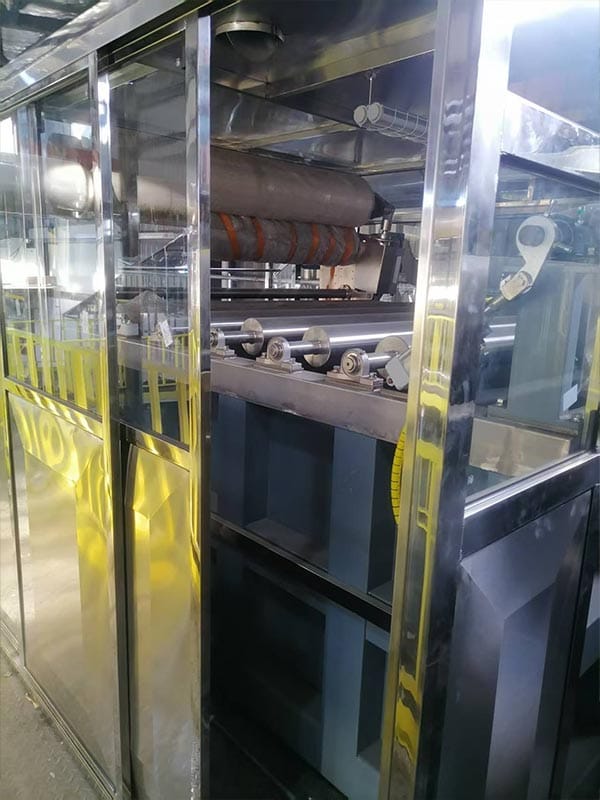
Memahami perbedaan peralatan dan proses sangat penting untuk produksi yang optimal:
Jalur Produksi Proses Basah
Jalur proses basah membutuhkan:
- Optimalisasi struktur tangki air: Memastikan koagulasi seragam dan mencegah cacat
- Stabilitas suhu yang tepat: Kritis untuk reaksi kimia yang konsisten dan pembentukan mikropori
- Kontrol tegangan selama koagulasi: Mencegah distorsi permukaan dan memastikan ketebalan seragam
- Sistem pengeringan dan penyelesaian terpadu: Menjaga kualitas sambil mencapai fleksibilitas yang diinginkan
Jalur Produksi Proses Kering
Garis proses kering fokus pada:
- Stabilitas oven: Bahkan distribusi panas untuk menghindari cacat permukaan
- Evaporasi pelarut yang efisien: Memastikan lapisan lapisan halus
- Tekanan mekanis dan kontrol makan: Mempertahankan ketebalan lapisan dan kerataan permukaan
Desain peralatan secara langsung mempengaruhi kualitas produk. Berinvestasi dalam jalur produksi proses basah yang direkayasa dengan baik memastikan porositas, permeabilitas udara, dan kelembutan yang konsisten, yang tidak dapat dengan mudah dicapai dengan jalur proses kering.
Pertimbangan Strategis untuk Produsen
Ketika memutuskan antara jalur produksi PU proses kering dan basah, produsen harus mengevaluasi:
- Persyaratan penggunaan akhir: Kenyamanan vs. penampilan permukaan
- Skala produksi dan fleksibilitas: Batch vs. operasi terus menerus
- Kompatibilitas formulasi bahan: Sistem PU berbasis minyak, berbasis air, atau bebas pelarut
- Efisiensi operasional jangka panjang: Downtime, pemeliharaan, dan reproduktifitas
Jalur produksi proses basah sangat cocok untuk produsen yang menargetkan produk kelas atas, fungsional, atau mirip kulit alami, di mana kualitas dan kenyamanan pengguna menentukan daya saing pasar.
Kesimpulan
PU kulit manufaktur tidak satu ukuran-cocok untuk semua. Garis proses kering unggul dalam presisi tinggi, aplikasi permukaan-kritis, sementara jalur produksi proses basah memberikan bernapas, lembut, dan alami-perasaan PU kulit cocok untuk furnitur, interior otomotif, dan produk fungsional.
Berinvestasi pada lini produksi yang tepat, terutama peralatan proses basah berkualitas tinggi, menjamin kinerja yang konsisten, nilai produk yang lebih tinggi, dan daya saing jangka panjang di pasar kulit sintetis.
FAQ
Apa yang jalur produksi proses basah dalam kulit PU?
Mereka menghasilkan lembut, bernapas PU kulit menggunakan koagulasi terkontrol dan pengolahan berbasis air.
Bagaimana proses kulit PU basah dan kering berbeda?
Kulit proses basah lembut dan bernapas; kulit proses kering lebih kuat dengan permukaan halus.
Peralatan utama apa yang diperlukan untuk jalur proses basah?
Tangki air yang dioptimalkan, suhu stabil, kontrol tegangan, dan sistem pengeringan/penyelesaian terintegrasi.
Produk mana yang paling diuntungkan dari proses basah kulit PU?
Furnitur, tempat duduk otomotif, PU fungsional bernapas, dan produk kulit sintetis premium.
Mengapa memilih jalur proses basah daripada kering untuk kulit PU kelas atas?
Mereka memberikan struktur mikropori yang seragam, kenyamanan, rasa tangan yang lembut, dan pengulangan yang tinggi.