Daftar Isi
Berinvestasi dalam mesin kulit adalah keputusan besar bagi setiap pabrik yang ingin menghasilkan produk kulit berkualitas tinggi. Apakah Anda memproduksi bahan kulit sintetis, PU, PVC, atau serat mikro, mesin yang Anda pilih secara langsung memengaruhi kualitas produk, efisiensi produksi, dan profitabilitas jangka panjang. Panduan ini dirancang untuk membantu Anda membuat keputusan berdasarkan informasi dengan memahami jenis-jenisnya leather machinery, menilai kebutuhan produksi, mengevaluasi pemasok, dan merencanakan operasi yang berkelanjutan.
Pengertian Mesin Kulit dan Pentingnya
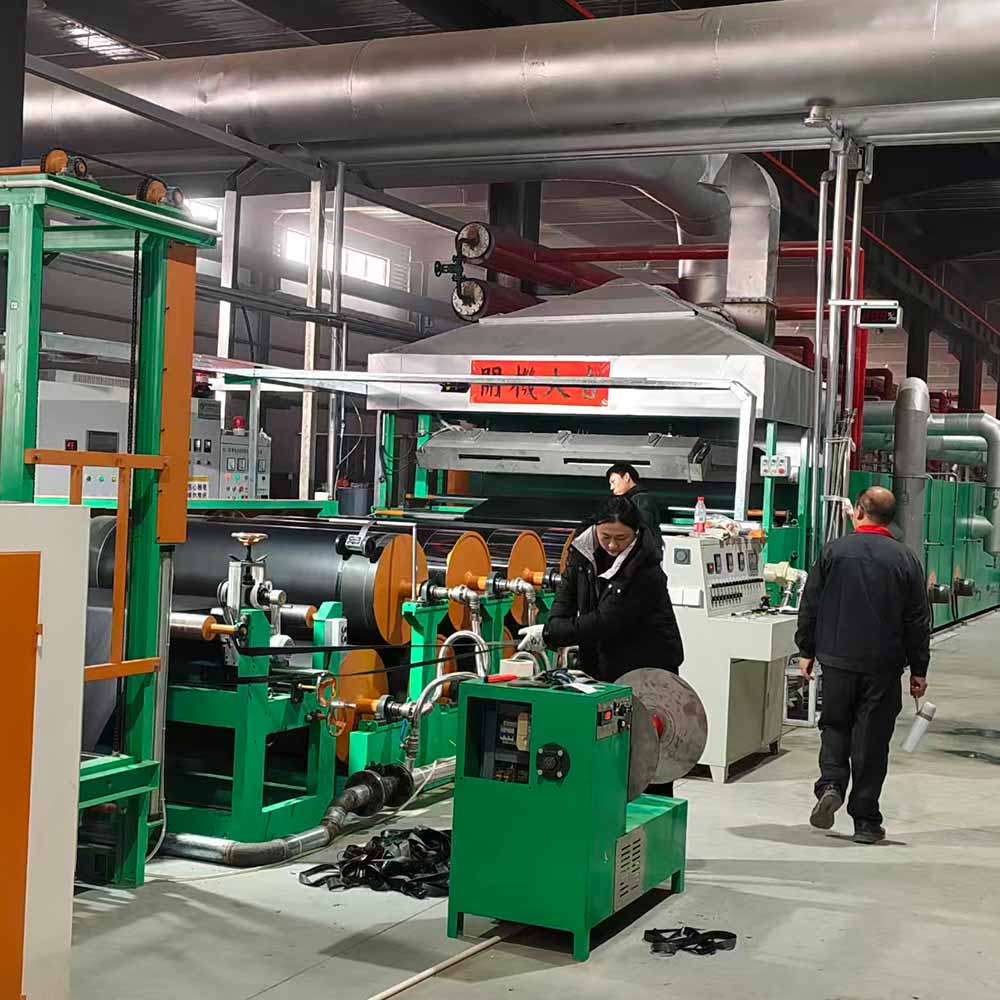
Mesin kulit mengacu pada peralatan khusus yang digunakan dalam produksi kulit dan bahan seperti kulit. Dari pelapisan dan embossing hingga laminating dan pengeringan, setiap mesin memainkan peran khusus dalam mengubah bahan baku menjadi produk jadi. Berinvestasi dalam mesin yang tepat memastikan kualitas yang konsisten, mengurangi limbah, dan memungkinkan Anda untuk memenuhi berbagai permintaan pasar.
Pabrik modern semakin bergantung pada mesin yang menawarkan presisi, otomatisasi, dan kemampuan beradaptasi. Menurut laporan 2023 oleh analisis manufaktur industri global, pabrik yang menggunakan mesin canggih telah mengurangi limbah material hingga 15% dan meningkatkan efisiensi produksi pada 20%. Ini menunjukkan bahwa mesin kulit bukan hanya peralatan; itu adalah investasi strategis dalam kapasitas operasional pabrik Anda.
Berbagai Jenis Mesin Kulit
Produksi kulit melibatkan beberapa tahap, masing-masing membutuhkan mesin khusus. Memahami jenis-jenis ini membantu Anda menentukan apa yang sesuai dengan tujuan produksi Anda.
- Mesin pelapis menerapkan lapisan polimer seperti PU atau PVC ke backing tekstil. Mereka sangat penting untuk kualitas permukaan dan konsistensi ketebalan.
- Mesin embossing menciptakan pola dan tekstur, memberikan kulit penampilan yang khas. Rol presisi menentukan kejelasan dan kedalaman pola.
- Mesin laminasi dan kalender memampatkan dan menghaluskan permukaan, memastikan keseragaman di seluruh batch produksi.
- Peralatan pengeringan dan finishing menstabilkan lapisan dan meningkatkan daya tahan permukaan.
- Mesin khusus dirancang untuk microfiber dan kulit silikon, memberikan tekstur unik dan sifat kinerja yang ditingkatkan.
Setiap jenis mesin membahas persyaratan produksi tertentu. Pilihan Anda tergantung pada lini produk target Anda, tekstur yang diinginkan, dan skala produksi.
Menilai Kebutuhan Produksi Anda
Sebelum memilih mesin, evaluasi persyaratan produksi pabrik Anda. Mulailah dengan menentukan jenis kulit yang Anda rencanakan untuk diproduksi dan volume output yang diantisipasi. Pertimbangkan hal berikut:
- Kapasitas produksi dan kecepatan jalur yang dibutuhkan
- Jenis bahan: PVC, PU, microfiber, atau kulit silikon
- Aplikasi produk seperti furnitur, otomotif, kelautan, atau fashion
- Kendala ruang dan tata letak pabrik
Menilai faktor-faktor ini dengan benar memastikan Anda memilih mesin yang dapat menangani beban kerja yang direncanakan sambil mempertahankan kualitas yang konsisten.
Tingkat Otomasi dan Pertimbangan Teknologi
Otomatisasi memainkan peran penting dalam mesin kulit. Mesin berkisar dari sistem manual dan semi-otomatis hingga sepenuhnya otomatis. Peralatan otomatis memberikan kontrol yang tepat atas suhu, tekanan, dan kecepatan garis, mengurangi kesalahan manusia dan meningkatkan konsistensi produk.
Sistem kontrol digital, termasuk integrasi PLC, memungkinkan Anda memantau produksi secara real time, mengoptimalkan parameter, dan menyesuaikan dengan cepat desain produk baru. Selain itu, sistem hemat energi mengurangi biaya operasional dan dampak lingkungan, mendukung keberlanjutan jangka panjang.
Analisis Anggaran dan Biaya
Memahami total biaya mesin kulit sangat penting untuk evaluasi ROI. Sementara investasi awal bisa substansial, mesin yang efisien sering membayar sendiri melalui pengurangan limbah, output yang lebih tinggi, dan peningkatan kualitas produk.
Berikut adalah contoh praktis distribusi biaya untuk lini produksi skala menengah:
| Komponen Biaya | Perkiraan Bagian dari Total Biaya |
|---|---|
| Bahan Baku | 40͕50% |
| Investasi Mesin | 25͕30% |
| Energi & Utilitas | 8͕12% |
| Buruh | 5͕10% |
| Pemeliharaan & Suku Cadang | 5͕8% |
| Overhead | 5͕8% |
Tabel ini menyoroti bahwa investasi mesin merupakan salah satu komponen biaya terbesar, namun efisiensinya secara langsung mempengaruhi profitabilitas.
Seleksi dan Keandalan Pemasok
Memilih pemasok yang andal sangat penting. Evaluasi produsen berdasarkan:
- Keahlian teknis dan pengalaman industri
- Ketersediaan layanan dukungan dan pemeliharaan purna jual
- Kepatuhan terhadap standar industri dan keselamatan
- Fleksibilitas untuk penyesuaian agar sesuai dengan kebutuhan produksi Anda
Minta uji coba produksi sampel bila memungkinkan. Melihat output aktual memungkinkan Anda menilai presisi pola, keseragaman lapisan, dan keandalan mesin sebelum berkomitmen pada investasi skala penuh.
Perencanaan Tata Letak Ruang dan Pabrik
Perencanaan tata letak yang tepat memaksimalkan efisiensi. Alokasikan ruang yang cukup untuk setiap mesin, termasuk area input dan output. Pertimbangkan alur kerja dari persiapan bahan baku hingga pengemasan produk jadi. Rencanakan ekspansi di masa depan dengan memberikan ruang untuk mesin tambahan atau sistem otomatis.
Tata letak pabrik yang efisien mengurangi kemacetan produksi, menurunkan konsumsi energi, dan meminimalkan penanganan material, sehingga berkontribusi terhadap efisiensi operasional secara keseluruhan.
Pertimbangan Pemeliharaan dan Umur Panjang
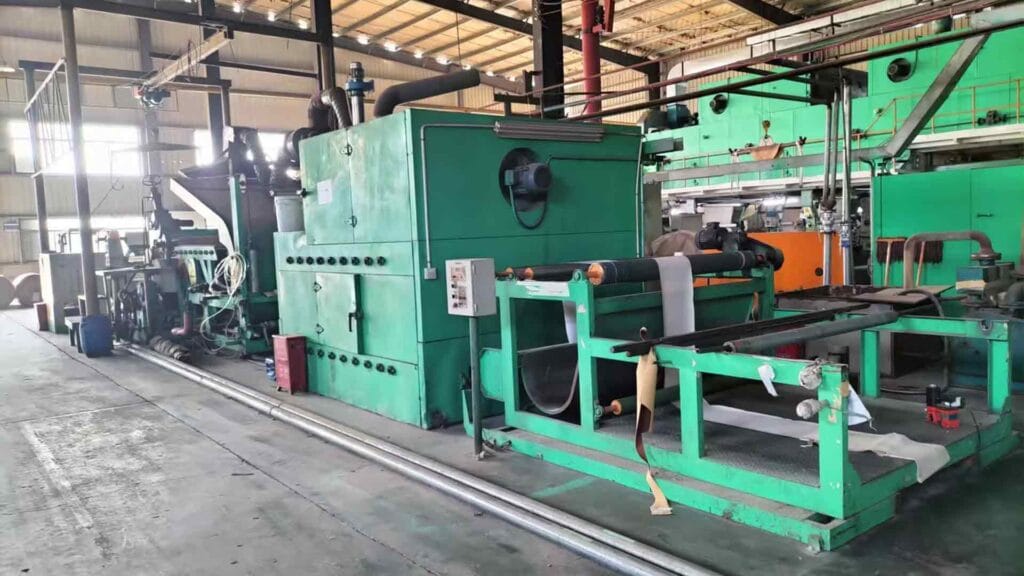
Pemeliharaan rutin sangat penting untuk memastikan operasi yang konsisten dan memperpanjang umur mesin. Praktik yang disarankan meliputi:
- Membersihkan rol dan sistem konveyor untuk mencegah kontaminasi
- Memantau kontrol suhu dan tekanan untuk konsistensi
- Pelumas bagian bergerak sesuai dengan pedoman produsen
- Menjadwalkan inspeksi rutin untuk keausan
- Memberikan pelatihan operator tentang penggunaan dan keamanan yang benar
Mengabaikan pemeliharaan dapat menyebabkan penurunan kualitas produk, waktu henti, dan perbaikan yang mahal.
Tren dan Inovasi dalam Mesin Kulit
Kemajuan industri terus meningkatkan kemampuan produksi:
- Digital embossing dan CNC-engraved roller memberikan tekstur yang lebih tajam dan realistis
- Sistem perubahan cepat multi-pola memungkinkan adaptasi lini produk yang cepat
- Lapisan anti-bakteri dan fungsional memenuhi standar kebersihan dan kinerja yang lebih tinggi
- Integrasi dengan sistem pabrik pintar memungkinkan optimasi berbasis data dan pemeliharaan prediktif
Inovasi-inovasi ini tidak hanya meningkatkan kualitas produk tetapi juga meningkatkan daya saing pabrik dan daya tanggap terhadap permintaan pasar.
Studi Kasus Dunia Nyata dan Pembelajaran
Pertimbangkan pengalaman pabrik kulit sintetis berukuran sedang. Awalnya, mereka memproduksi lembaran PVC standar untuk produsen furnitur. Dengan meningkatkan mesin embossing dan coating mereka dan mengintegrasikan sistem pengeringan yang dikontrol suhu, mereka:
- Memperkenalkan beberapa desain tekstur baru
- Peningkatan harga produk sebesar 10%
- Mengurangi limbah material sebesar 12%
- Kontrak pasokan jangka panjang yang terjamin
Kasus ini menunjukkan bagaimana mesin yang dipilih dengan cermat dan optimalisasi proses dapat secara langsung meningkatkan profitabilitas dan posisi pasar.
Daftar Periksa Akhir Sebelum Membeli Mesin Kulit
- Menilai kapasitas produksi dan permintaan pasar
- Evaluasi keandalan pemasok dan layanan purna jual
- Pastikan mesin cocok dengan jenis material dan hasil produk yang diinginkan
- Hitung biaya investasi dan ROI yang diharapkan
- Rencanakan tata letak pabrik dan alokasi ruang
- Menetapkan jadwal pemeliharaan dan program pelatihan operator
Kesimpulan
Berinvestasi dalam mesin kulit bukan hanya tentang membeli peralatan — adalah tentang memposisikan pabrik Anda untuk kesuksesan jangka panjang. Dengan memilih mesin yang memenuhi persyaratan produksi, mempertahankan standar kualitas, dan mendukung skalabilitas, Anda dapat meningkatkan efisiensi, mengurangi biaya, dan meningkatkan daya saing produk. Perencanaan yang tepat, evaluasi pemasok, dan inovasi berkelanjutan akan memastikan pabrik Anda tetap menjadi pemain yang kuat dalam industri manufaktur kulit.
FAQ
Apa yang leather machinery digunakan untuk?
Mesin kulit digunakan untuk memproses, melapisi, mengembos, melaminasi, dan menyelesaikan kulit atau kulit sintetis dalam produksi industri.
Bagaimana cara memilih mesin kulit yang tepat untuk pabrik saya?
Pertimbangkan kapasitas produksi, jenis material, tingkat otomatisasi, anggaran, dan persyaratan pemeliharaan Anda sebelum memilih mesin.
Berapa lama biasanya mesin kulit bertahan?
Dengan perawatan yang tepat, mesin kulit industri dapat beroperasi dengan andal selama bertahun-tahun.
Bisakah mesin kulit digunakan untuk kulit sintetis?
Ya, sebagian besar mesin kulit modern dirancang untuk memproses PVC, PU, microfiber, dan kulit silikon.
Perawatan apa yang diperlukan untuk mesin kulit?
Perawatan rutin meliputi membersihkan rol, memeriksa sistem suhu dan tekanan, melumasi bagian yang bergerak, dan memeriksa komponen untuk keausan.