Dalam pembuatan kulit sintetis modern, kinerja produk tidak lagi ditentukan hanya oleh penampilan. Saat ini, produk kulit PVC yang paling kompetitif harus menggabungkan kelembutan, elastisitas, daya tahan, dan kualitas struktur mikro yang konsisten.
Inti dari transformasi ini adalah peralatan penting: Tungku berbusa kulit PVC.
Jika Anda terlibat dalam produksi kulit PVC untuk interior otomotif, bahan furnitur, alas kaki, atau aplikasi dekoratif, memahami cara kerja teknologi berbusa sangat penting untuk meningkatkan kualitas produk dan efisiensi produksi.
Daftar Isi
Mengapa Teknologi PVC Foaming Sangat Penting dalam Manufaktur Kulit Modern
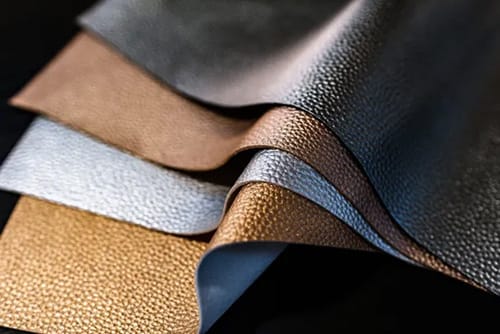
Berbusa bukan hanya langkah pengolahan — itu adalah dasar dari kinerja kulit PVC.
Menurut penelitian bahan polimer yang dirujuk dalam publikasi industri seperti SainsLangsung dan laporan teknik dalam jurnal polimer sintetis, pembusaan terkontrol secara langsung mempengaruhi:
- Kelembutan dan fleksibilitas material
- Pengurangan kepadatan dan berat
- Kinerja isolasi termal
- Keseragaman tekstur permukaan
- Daya tahan jangka panjang
Ini berarti kualitas berbusa menentukan nilai akhir produk kulit PVC.
Tungku berbusa kulit PVC yang stabil memastikan bahwa proses ini terkontrol, dapat diulang, dan terukur.
Apa Tungku Berbusa Kulit PVC Sebenarnya Melakukan
Tungku berbusa kulit PVC dirancang untuk menciptakan lingkungan termal yang terkendali di mana bahan berbusa di dalam bahan PVC terurai dan menghasilkan gas.
Gas ini mengembang di dalam struktur PVC, membentuk lapisan busa mikro-seluler yang seragam.
Tetapi dalam realitas industri, ia melakukan tiga fungsi inti:
1. Aktivasi Agen Berbusa Terkendali
Bahan pembusa diaktifkan pada suhu yang tepat untuk memastikan pelepasan gas yang stabil.
2. Formasi Struktur Sel Mikro
Ekspansi gas menciptakan pori-pori internal yang seragam yang menentukan kelembutan dan elastisitas.
3. Stabilisasi Termal
Tungku memastikan zona suhu yang konsisten untuk menstabilkan struktur busa dan mencegah keruntuhan atau kepadatan yang tidak merata.
Bagaimana PVC Leather Foaming Furnace Bekerja dalam Produksi Industri
Untuk memahami nilai sebenarnya, Anda perlu melihatnya sebagai sistem proses berkelanjutan daripada perangkat pemanas mandiri.
Langkah 1: Pemberian Bahan ke Zona Pemanasan
Bahan berlapis PVC memasuki tungku setelah persiapan awal.
Pada tahap ini, bahan pembusa masih tidak aktif.
Langkah 2: Pemanasan dan Dekomposisi Terkendali
Di dalam tungku, suhu meningkat secara bertahap di beberapa zona.
Ini memastikan:
- Aktivasi seragam bahan pembusa
- Pembangkitan gas terkendali
- Pencegahan cacat permukaan
Langkah 3: Fase Ekspansi Busa
Gas yang dihasilkan dari dekomposisi mengembang di dalam lapisan PVC.
Ini menciptakan:
- Struktur mikro-seluler
- Tekstur lembut dan elastis
- Komposisi bahan ringan
Langkah 4: Stabilisasi Struktural
Bahan didinginkan dalam kondisi terkendali untuk mengunci struktur busa dan mencegah keruntuhan.
Aplikasi Industri Teknologi PVC Foaming
Sistem berbusa kulit PVC banyak digunakan dalam:
- Permukaan interior otomotif
- Bahan pelapis furnitur
- Bahan penutup dinding
- Lapisan sepatu dan bahan atas
- Produk kulit sintetis dekoratif
Setiap aplikasi membutuhkan kepadatan busa dan tingkat elastisitas yang berbeda.
Kasus Produksi Nyata: Meningkatkan Keseragaman Busa dalam Bahan Pelapis
Sebuah produsen kulit PVC memproduksi bahan untuk aplikasi furnitur menghadapi masalah berulang:
- Distribusi busa tidak merata
- Ketidakkonsistenan kekerasan permukaan
- Keruntuhan struktural pada material yang lebih tebal
Setelah mengoptimalkan zonasi suhu tungku dan kontrol aliran udara, perbaikan termasuk:
- Struktur sel busa yang lebih seragam
- Peningkatan konsistensi kelembutan
- Mengurangi cacat produk selama finishing
Perbaikan utamanya adalah pengendalian proses, bukan perubahan material.
Perbandingan: Tungku Berbusa Terkendali vs Sistem Pemanas Dasar
| Fitur | Sistem Pemanasan Dasar | PVC Leather Foaming Furnace |
|---|---|---|
| Stabilitas Suhu | Low | High |
| Keseragaman Busa | Miskin | Excellent |
| Kontrol Struktural | Limited | Tepat |
| Konsistensi Produksi | Tidak stabil | Stabil |
| Skalabilitas Industri | Low | High |
Integrasi dalam Lini Produksi Kulit PVC
Sebuah tungku berbusa kulit PVC bukan unit mandiri — itu adalah bagian dari sistem produksi yang lengkap.
Ini sering bekerja bersama:
- Sistem pelapisan PVC
- Garis pengeringan dan pengawetan
- Mesin pengolahan kulit Sistem Mesin Pengolahan Kulit
- PVC lini produksi kulit sintetis PVC Leather Production Line System
Anda juga dapat menjelajahi sistem terkait di sini:
- Halaman Produk Tungku Berbusa Kulit PVC
- Solusi Produksi Kulit Sintetis
- Ikhtisar Peralatan Kulit Industri
Sistem ini harus beroperasi dalam kondisi tersinkronisasi untuk memastikan pembentukan busa dan kualitas produk yang stabil.
Tantangan Teknis Utama dalam Sistem Berbusa
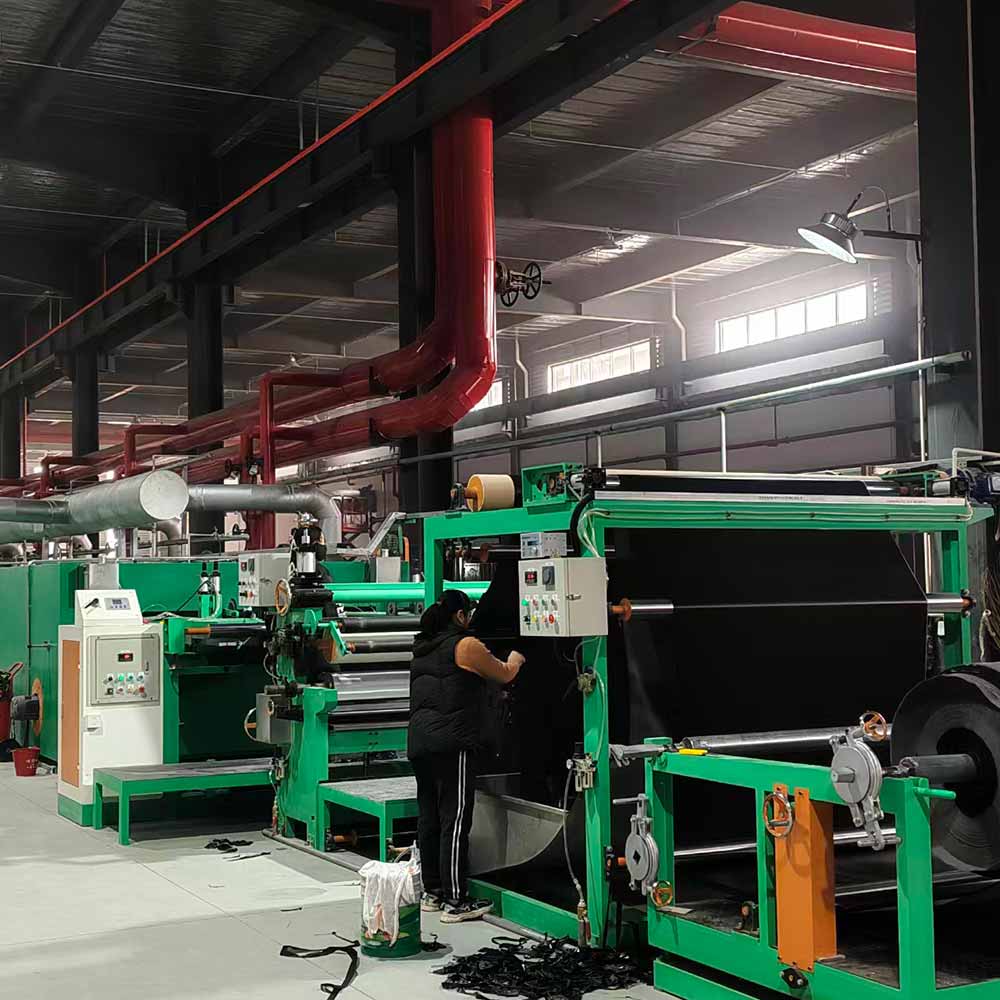
Bahkan sistem canggih membutuhkan kontrol yang tepat:
Kepadatan Busa Tidak Merata
Disebabkan oleh distribusi suhu yang tidak stabil.
Cacat Permukaan
Sering dikaitkan dengan panas berlebih atau pelepasan gas yang cepat.
Keruntuhan Busa
Terjadi ketika pendinginan tidak dikontrol dengan benar.
Elastisitas Tidak Konsisten
Terkait dengan aktivasi bahan pembusa yang tidak merata.
Bagaimana Anda Dapat Mengoptimalkan Kinerja PVC Foaming
Untuk mencapai hasil produksi yang stabil, fokus pada:
- Kontrol suhu multi-zona
- Sirkulasi aliran udara yang stabil
- Kontrol waktu tinggal yang tepat
- Tingkat pemanasan dan pendinginan yang seimbang
- Kecepatan makan material yang konsisten
Perbaikan proses kecil dapat meningkatkan kualitas produk akhir secara signifikan.
Tren Industri: Sistem Pembusaan Termal yang Lebih Cerdas
manufaktur kulit PVC berkembang menuju:
- Sistem zonasi suhu otomatis
- Pemantauan termal waktu nyata
- Desain tungku hemat energi
- Kontrol stabilitas proses berbasis AI
- Sinkronisasi lini produksi terintegrasi
Menurut diskusi pemrosesan polimer industri di komunitas teknik manufaktur, presisi kontrol termal menjadi faktor terpenting dalam kontrol kualitas busa.
Wawasan Praktis untuk Strategi Produksi
Jika Anda berencana untuk meningkatkan sistem produksi kulit PVC Anda, jangan memperlakukan berbusa sebagai langkah sekunder.
Sebaliknya, anggaplah itu sebagai proses pembentukan struktural inti yang menentukan:
- Kelembutan produk
- Kinerja elastisitas
- Daya tahan material
- Positioning pasar
Karena begitu struktur busa tidak stabil, tidak ada proses hilir yang dapat sepenuhnya memperbaikinya.
Kesimpulan
Tungku berbusa kulit PVC adalah sistem industri penting yang menentukan struktur internal dan kinerja produk kulit PVC.
Dengan mengendalikan energi panas, ekspansi busa, dan stabilisasi dengan presisi, produsen dapat mencapai kulit sintetis berkualitas tinggi, tahan lama, dan konsisten yang cocok untuk berbagai industri.
Dalam sistem produksi modern, berbusa bukan hanya proses — itu adalah dasar dari kinerja produk.
FAQ
Apa yang a Tungku berbusa kulit PVC digunakan untuk?
Ini digunakan untuk membuat struktur busa di dalam kulit PVC dengan mengaktifkan bahan pembusa di bawah panas yang terkendali.
Mengapa berbusa penting dalam kulit PVC?
Karena menentukan kelembutan, elastisitas, dan kualitas struktural.
Industri apa yang menggunakan kulit PVC berbusa?
Industri otomotif, furnitur, alas kaki, dan bahan dekoratif.
Apa yang terjadi jika berbusa tidak terkontrol?
Hal ini dapat menyebabkan kepadatan yang tidak merata, cacat permukaan, atau keruntuhan busa.
Apakah berbusa merupakan proses yang berkesinambungan?
Ya, biasanya diintegrasikan ke dalam jalur produksi berkelanjutan.