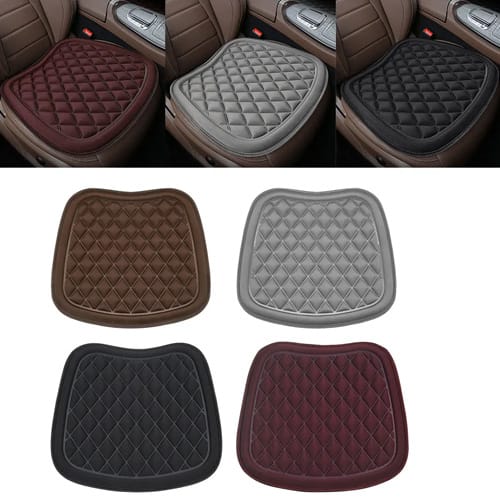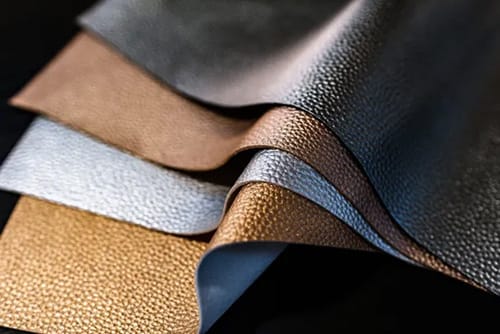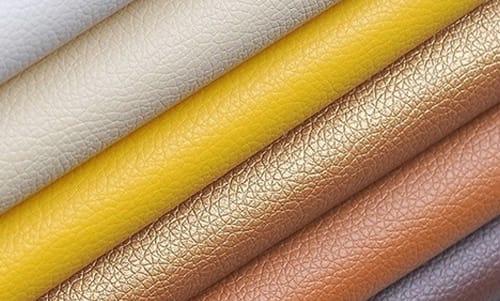
आधुनिक चमड़े के निर्माण में, उत्पाद प्रदर्शन अब केवल स्थायित्व, बनावट या उपस्थिति से परिभाषित नहीं है सबसे अनदेखी लेकिन तेजी से महत्वपूर्ण कारकों में से एक गंध नियंत्रण है।.
चाहे आप ऑटोमोटिव इंटीरियर, फर्नीचर असबाब, जूते सामग्री, या सिंथेटिक चमड़े के सामान का उत्पादन कर रहे हों, अवशिष्ट गंध सीधे उत्पाद स्वीकृति, ग्राहक संतुष्टि और निर्यात अनुपालन को प्रभावित कर सकती है।.
यह वह जगह है जहां ए चमड़ा दुर्गन्ध मशीन आपकी उत्पादन प्रणाली का एक महत्वपूर्ण हिस्सा बन जाता है।.
पारंपरिक परिष्करण उपकरणों के विपरीत, दुर्गन्ध दूर करने वाली प्रणालियाँ एक विशिष्ट लेकिन अत्यधिक महत्वपूर्ण लक्ष्य पर ध्यान केंद्रित करती हैं: संरचना या सतह की गुणवत्ता को नुकसान पहुँचाए बिना अस्थिर यौगिकों को खत्म करना और सामग्री की गंध विशेषताओं को स्थिर करना।.
विषय-सूची
चमड़ा विनिर्माण में गंध नियंत्रण एक महत्वपूर्ण कारक क्यों बन गया है

हाल के वर्षों में, वैश्विक विनिर्माण मानक सख्त हो गए हैं वाष्पशील कार्बनिक यौगिक (वीओसी) और सामग्री उत्सर्जन।.
जैसे संस्थानों से पर्यावरण अनुसंधान चर्चाओं के अनुसार यूरोपीय रसायन एजेंसी (ईसीएचए) और औद्योगिक विनिर्माण साहित्य में संदर्भित सामग्री सुरक्षा रिपोर्ट, सिंथेटिक सामग्री से वीओसी उत्सर्जन प्रभावित कर सकते हैंः
- इनडोर वायु गुणवत्ता
- उत्पाद प्रमाणन आवश्यकताएँ
- उपभोक्ता सुरक्षा धारणा
- निर्यात अनुपालन मानक
इसका मतलब यह है कि गंध अब केवल एक संवेदी मुद्दा नहीं है, बल्कि यह एक अनुपालन और बाजार पहुंच का मुद्दा है।.
निर्माताओं के लिए, उत्पादन स्तर पर गंध को नियंत्रित करना बाद में इसे ठीक करने की कोशिश करने की तुलना में कहीं अधिक कुशल है।.
वास्तव में एक चमड़ा दुर्गन्ध दूर करने वाली मशीन क्या करती है
एक चमड़े की दुर्गन्ध दूर करने वाली मशीन को इस दौरान उत्पन्न अवांछित गंध को हटाने या बेअसर करने के लिए डिज़ाइन किया गया हैः
- पु या पीवीसी कोटिंग प्रक्रियाएं
- रासायनिक उपचार चरणों
- सुखाने और इलाज की प्रक्रिया
- भंडारण और सामग्री उम्र बढ़ने
लेकिन औद्योगिक अभ्यास में, यह सिर्फ “हटाती गंध।” से कहीं अधिक करता है”
यह सामग्री की सतह और आंतरिक संरचना के रासायनिक संतुलन को स्थिर करता है।.
औद्योगिक प्रणालियों में चमड़ा दुर्गन्ध दूर करने वाली प्रौद्योगिकी कैसे काम करती है
इसके वास्तविक कार्य को समझने के लिए, आपको इसे उत्पादन लाइन के भीतर एक नियंत्रित शुद्धिकरण चरण के रूप में देखने की आवश्यकता है।.
चरण १: सामग्री की तैयारी और प्रवेश
चमड़े या सिंथेटिक चमड़े की सामग्री कोटिंग या परिष्करण प्रक्रियाओं के बाद दुर्गन्ध दूर करने वाले कक्ष में प्रवेश करती है।.
इस स्तर पर, अवशिष्ट सॉल्वैंट्स और वाष्पशील यौगिक अभी भी सामग्री परतों के अंदर मौजूद हैं।.
चरण २: नियंत्रित थर्मल या वायु उपचार
मशीन के अंदर, एक सटीक नियंत्रित वातावरण का उपयोग करके बनाया जाता हैः
- तापमान विनियमन
- वायु परिसंचरण प्रणाली
- सोखना या उत्प्रेरक उपचार मॉड्यूल
यह सामग्री को नुकसान पहुंचाए बिना वाष्पशील यौगिकों को धीरे-धीरे जारी करने की अनुमति देता है।.
चरण ३: वाष्पशील यौगिक निष्कर्षण
अस्थिर अणुओं को सामग्री की सतह और आंतरिक संरचना से अलग किया जाता है।.
यह दुर्गन्ध दूर करने का मुख्य कार्यात्मक चरण है।.
चरण ४: स्थिरीकरण चरण
निष्कर्षण के बाद, सामग्री को नियंत्रित वायु प्रवाह के तहत स्थिर किया जाता है ताकि यह सुनिश्चित हो सकेः
- गंध अणुओं का कोई पुनर्अवशोषण नहीं
- संरचनात्मक अखंडता बरकरार है
- सतह की गुणवत्ता संरक्षित है
क्यों चमड़े की गंध की समस्याएं पहले स्थान पर होती हैं
मूल कारण को समझने से आपको अपनी संपूर्ण उत्पादन प्रणाली को अनुकूलित करने में मदद मिलती है।.
सामान्य स्रोतों में शामिल हैंः
- पीयू या पीवीसी कोटिंग्स में अवशिष्ट सॉल्वैंट्स
- अपूर्ण सुखाने की प्रक्रियाएँ
- सतह परिष्करण में प्रयुक्त रासायनिक योजक
- गैर-हवादार वातावरण में भंडारण
यदि इन्हें उत्पादन स्तर पर नियंत्रित नहीं किया जाता है, तो गंध एक दीर्घकालिक दोष बन जाती है।.
औद्योगिक अनुप्रयोग जो आपको जानना चाहिए
एक चमड़े की दुर्गन्ध दूर करने वाली मशीन का व्यापक रूप से उपयोग किया जाता हैः
- मोटर वाहन इंटीरियर चमड़े का उत्पादन
- फर्नीचर असबाब निर्माण
- जूता ऊपरी और अस्तर सामग्री
- सिंथेटिक चमड़े की परिष्करण लाइनें
- उच्च अंत फैशन चमड़े के सामान
इन उद्योगों को अंतिम-उपयोगकर्ता संवेदनशीलता और नियामक अपेक्षाओं के कारण सख्त गंध नियंत्रण की आवश्यकता होती है।.
वास्तविक उत्पादन मामला: ऑटोमोटिव आंतरिक सामग्री स्वीकृति में सुधार
आंतरिक अनुप्रयोगों के लिए सामग्री की आपूर्ति करने वाले एक सिंथेटिक चमड़े के निर्माता को बार-बार अस्वीकृति के मुद्दों का सामना करना पड़ाः
- गुणवत्ता निरीक्षण के दौरान मजबूत अवशिष्ट गंध का पता चला
- असंगत बैच-टू-बैच गंध स्तर
- डाउनस्ट्रीम प्रमाणन परीक्षण में देरी
अपने उत्पादन प्रणाली में एक नियंत्रित दुर्गन्ध चरण को एकीकृत करने के बाद, सुधारों में शामिल हैंः
- गंध की शिकायतों में उल्लेखनीय कमी
- अधिक स्थिर बैच स्थिरता
- गुणवत्ता निरीक्षण में बेहतर स्वीकृति दर
मुख्य सुधार सामग्री को बदलना नहीं था बल्कि प्रक्रिया की शुरुआत में अस्थिर उत्सर्जन को नियंत्रित करना था।.
तुलना: डिओडोराइजिंग प्रक्रिया के बिना बनाम के साथ
| फ़ीचर | दुर्गन्ध रहित | डिओडोराइजिंग मशीन के साथ |
|---|---|---|
| गंध स्थिरता | अस्थिर | नियंत्रित |
| वीओसी उत्सर्जन | उच्चतर | कम किया |
| उत्पाद स्वीकृति दर | परिवर्तनीय | स्थिर |
| आराम का अंत-उपयोग करें | लोअर | सुधार हुआ |
| अनुपालन तत्परता | लिमिटेड | बढ़ाया |
आधुनिक चमड़ा उत्पादन लाइनों में एकीकरण
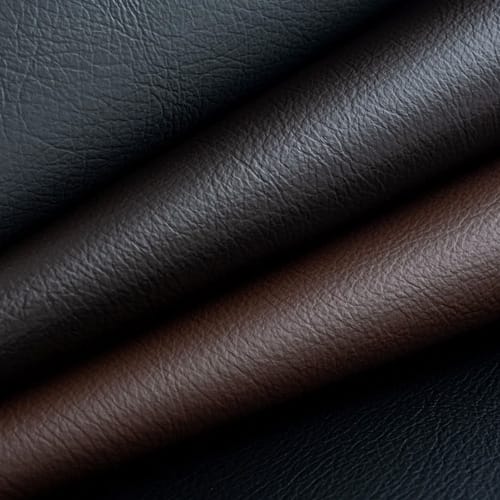
चमड़े की दुर्गन्ध दूर करने वाली मशीन को आम तौर पर स्वतंत्र रूप से उपयोग करने के बजाय पूर्ण उत्पादन प्रणाली में एकीकृत किया जाता है।.
यह अक्सर साथ काम करता हैः
- कोटिंग सिस्टम
- सुखाने और इलाज लाइनों
- चमड़ा प्रसंस्करण मशीनरी चमड़ा प्रसंस्करण मशीनरी सिस्टम
- सतह परिष्करण उपकरण चमड़ा परिष्करण उत्पादन लाइन
आप यहां संबंधित प्रणालियों का भी पता लगा सकते हैंः
- चमड़ा दुर्गन्ध मशीन उत्पाद पृष्ठ
- औद्योगिक चमड़ा उपकरण अवलोकन
- सिंथेटिक चमड़ा उत्पादन समाधान
ये प्रणालियाँ सुनिश्चित करती हैं कि गंध नियंत्रण को प्रक्रिया के बाद के सुधार के रूप में मानने के बजाय पूर्ण उत्पादन वर्कफ़्लो में एकीकृत किया गया है।.
चमड़ा दुर्गन्ध दूर करने वाली मशीन में प्रमुख तकनीकी चुनौतियाँ
यहां तक कि उन्नत प्रणालियों को उचित अनुकूलन की आवश्यकता होती हैः
अपूर्ण गंध हटाना
आमतौर पर अपर्याप्त उपचार समय या कम वायु प्रवाह दक्षता के कारण होता है।.
सामग्री अति-सुखाने
लचीलेपन और सतह की बनावट में बदलाव ला सकता है।.
असमान उपचार वितरण
चैम्बर के अंदर खराब वायु प्रवाह डिजाइन के कारण।.
पुनः गंध अवशोषण
तब होता है जब स्थिरीकरण चरण ठीक से नियंत्रित नहीं होता है।.
आप उत्पादन में गंध नियंत्रण को कैसे अनुकूलित कर सकते हैं
स्थिर परिणाम प्राप्त करने के लिए, इस पर ध्यान देंः
- तापमान और वायु प्रवाह प्रणालियों को संतुलित करना
- आवश्यकता पड़ने पर स्थिरीकरण चरणों का विस्तार करना
- वेंटिलेशन डिजाइन में सुधार
- सामग्री प्रकार के लिए दुर्गन्ध तीव्रता मिलान
- प्रारंभिक उत्पादन चरणों में वीओसी नियंत्रण को एकीकृत करना
छोटी प्रक्रिया समायोजन अंतिम उत्पाद स्थिरता में काफी सुधार कर सकते हैं।.
उद्योग की प्रवृत्ति: कम-वीओसी चमड़ा विनिर्माण की ओर बढ़ना
चमड़ा उद्योग की ओर स्थानांतरित हो रहा हैः
- कम उत्सर्जन उत्पादन प्रणाली
- वीओसी-अनुपालक सिंथेटिक चमड़ा
- एकीकृत पर्यावरण नियंत्रण इकाइयाँ
- रासायनिक उत्सर्जन की स्मार्ट निगरानी
- ऊर्जा-कुशल परिष्करण प्रणालियाँ
वैश्विक विनिर्माण और सामग्री विज्ञान समुदायों से औद्योगिक पर्यावरण चर्चाओं के अनुसार, गंध और उत्सर्जन नियंत्रण एक वैकल्पिक सुविधा के बजाय एक मानक आवश्यकता बन जाएगा।.
उत्पादन योजना के लिए व्यावहारिक अंतर्दृष्टि
यदि आप चमड़े की उत्पादन लाइन को डिजाइन या अपग्रेड कर रहे हैं, तो गंध नियंत्रण को अंतिम चरण के रूप में नहीं माना जाना चाहिए।.
इसके बजाय, इसे इसमें एकीकृत किया जाना चाहिएः
- सामग्री चयन रणनीति
- कोटिंग निर्माण नियंत्रण
- सुखाने प्रणाली अनुकूलन
- पोस्ट-प्रोसेसिंग स्थिरीकरण
क्योंकि एक बार जब गंध सामग्री में अंतर्निहित हो जाती है, तो बाद में इसे हटाना काफी कठिन होता है।.
निष्कर्ष
आधुनिक चमड़े के निर्माण में चमड़े को दुर्गन्ध दूर करने वाली मशीन एक महत्वपूर्ण लेकिन अक्सर कम आंकी गई भूमिका निभाती है।.
यह सुनिश्चित करता है कि आपके उत्पाद न केवल अच्छे दिखें और अच्छा प्रदर्शन करें बल्कि स्वच्छता, आराम और अनुपालन के लिए आधुनिक अपेक्षाओं को भी पूरा करें।.
उच्च अंत चमड़े के उत्पादन प्रणालियों में, गंध नियंत्रण एक वैकल्पिक सुधार नहीं हैयह एक मौलिक गुणवत्ता की आवश्यकता है।.
अक्सर पूछे जाने वाले प्रश्न
क्या है एक चमड़ा दुर्गन्ध मशीन के लिए इस्तेमाल किया?
यह उत्पादन के दौरान चमड़े की सामग्री से अवांछित गंध और अस्थिर यौगिकों को हटा देता है या कम कर देता है।.
चमड़ा उत्पादन में गंध नियंत्रण क्यों महत्वपूर्ण है?
क्योंकि यह उत्पाद स्वीकृति, आराम और पर्यावरण मानकों के अनुपालन को प्रभावित करता है।.
क्या इसका उपयोग सिंथेटिक चमड़े के लिए किया जा सकता है?
हाँ, यह व्यापक रूप से पु और पीवीसी सिंथेटिक चमड़े की सामग्री के लिए प्रयोग किया जाता है।.
क्या चमड़े की दुर्गन्ध दूर करने वाली मशीन चमड़े की गुणवत्ता को प्रभावित करती है?
जब ठीक से नियंत्रित किया जाता है, तो यह संरचना को नुकसान पहुंचाए बिना उत्पाद की गुणवत्ता में.
इसका सबसे ज्यादा इस्तेमाल कहां होता है?
ऑटोमोटिव इंटीरियर, फर्नीचर असबाब, जूते और सिंथेटिक चमड़ा उद्योग।.