विषय-सूची
परिचय
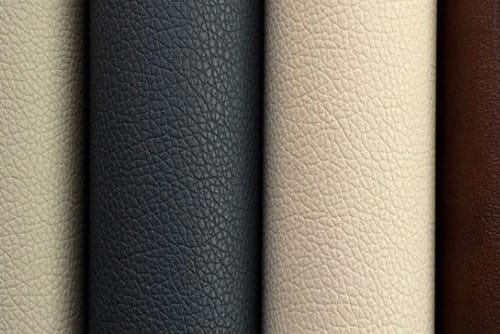
चमड़े पर मुद्रण उन निर्माताओं के लिए एक महत्वपूर्ण सतह-परिष्करण प्रक्रिया है जो चमड़े और सिंथेटिक चमड़े की सामग्री पर विशिष्ट रंग, पैटर्न, दृश्य बनावट, सजावटी प्रभाव या ब्रांडेड डिज़ाइन बनाना चाहते हैं।.
औद्योगिक उत्पादन में, हालांकि, सफल मुद्रण केवल सतह पर एक छवि को स्थानांतरित करने का मामला नहीं है सब्सट्रेट, सतह कोटिंग, स्याही या मुद्रण माध्यम, रोलर स्थिति, वेब तनाव, मुद्रण दबाव, लाइन की गति, सुखाने की स्थिति, और डाउनस्ट्रीम परिष्करण सभी परिणाम को प्रभावित करते हैं।.
यह पीयू और पीवीसी सिंथेटिक चमड़े के साथ विशेष रूप से महत्वपूर्ण हो जाता है एक मुद्रित पैटर्न स्पष्ट दिख सकता है जब यह प्रिंटिंग स्टेशन छोड़ देता है लेकिन बाद में रंग भिन्नता, कमजोर आसंजन, धुंधला किनारों, पंजीकरण त्रुटियों, क्रैकिंग, या एम्बॉसिंग और अन्य उपचारों के बाद चमक परिवर्तन जैसी समस्याओं को प्रकट करता है।.
चमड़े पर मुद्रण की योजना बनाने या उसमें सुधार करने वाले निर्माताओं के लिए, कई कारक विशेष ध्यान देने योग्य हैंः
- सब्सट्रेट और डिजाइन के लिए मुद्रण विधि का मिलान करें।.
- मुद्रण शुरू होने से पहले सतह को स्थिर करें।.
- निरंतर उत्पादन के दौरान वेब तनाव को नियंत्रित करें।.
- लगातार स्याही या कोटिंग स्थानांतरण बनाए रखें।.
- संतुलन मुद्रण दबाव और लाइन की गति।.
- सामग्री और मुद्रण प्रणाली के अनुसार सुखाने को नियंत्रित करें।.
- लंबे उत्पादन रन में पैटर्न पंजीकरण की जाँच करें।.
- एम्बॉसिंग और अन्य परिष्करण प्रक्रियाओं के बाद मुद्रण का मूल्यांकन करें।.
- पुनरावृत्ति के लिए सफल उत्पादन सेटिंग्स रिकॉर्ड करें।.
- एक नमूने पर भरोसा करने के बजाय पूरी सामग्री की चौड़ाई का निरीक्षण करें।.
इसलिए एक विश्वसनीय मुद्रण प्रक्रिया एक मशीन विनिर्देश पर कम और इस बात पर अधिक निर्भर करती है कि संपूर्ण सतह-प्रसंस्करण प्रणाली को कितनी सटीकता से नियंत्रित किया जा सकता है।.
चमड़े पर छपाई का क्या मतलब है?
चमड़े पर मुद्रण नियंत्रित रंग, ग्राफिक्स, सजावटी पैटर्न, दोहराया डिजाइन, या चमड़े या चमड़े जैसी सामग्री के लिए सतह प्रभाव को लागू करने के लिए संदर्भित करता है।.
औद्योगिक अनुप्रयोगों में तेजी से सिंथेटिक सामग्री जैसे शामिल हो रहे हैं कृत्रिम चमड़ा, जिसे कपड़ा या अन्य सहायक संरचनाओं के साथ संयुक्त पॉलिमर कोटिंग्स से निर्मित किया जा सकता है।.
मुद्रण उत्पादन कर सकते हैंः
- ज्यामितीय पैटर्न;
- पुष्प डिजाइन;
- अमूर्त सतहें;
- नकली प्राकृतिक अनाज;
- बहुरंगा प्रभाव;
- लोगो;
- सजावटी रेखाएँ;
- तानवाला प्रवणता;
- सतह छायांकन।.
उपकरण के आधार पर, प्रक्रिया को रंग मिलान, चमक समायोजन, कोटिंग और अन्य परिष्करण कार्यों के साथ एकीकृत किया जा सकता है।.
प्रिंटिंग एम्बॉसिंग से अलग है
मुद्रण मुख्य रूप से सामग्री की दृश्य विशेषताओं को बदलता है।.
एम्बॉसिंग भौतिक सतह ज्यामिति को बदल देती है।.
एक मुद्रित चमड़े की सतह इसलिए जटिल दृश्य पैटर्न ले जाने के दौरान अपेक्षाकृत सपाट रह सकती है एक उभरा हुआ सामग्री मजबूत त्रि-आयामी बनावट हो सकती है, भले ही वह केवल एक मूल रंग का उपयोग करता हो।.
निर्माता अक्सर दृश्य और स्पर्श गहराई दोनों के साथ एक सतह बनाने के लिए दो प्रक्रियाओं को जोड़ते हैं।.
मुद्रण से पहले सतह की तैयारी क्यों आती है
कई मुद्रण समस्याएं वास्तव में सामग्री के मुद्रण इकाई तक पहुंचने से पहले शुरू होती हैं।.
यदि सब्सट्रेट काफी भिन्न होता है, तो मुद्रण प्रणाली को बदलती परिस्थितियों के साथ लगातार काम करना चाहिए।.
सतह स्वच्छता
धूल, फाइबर, तेल, कोटिंग अवशेष और अन्य संदूषक स्थानांतरण और आसंजन में हस्तक्षेप कर सकते हैं।.
वे उत्पादन कर सकते हैंः
- गुम प्रिंट क्षेत्र;
- पिनहोल;
- कमजोर आसंजन;
- बार-बार रोलर के निशान;
- असमान रंग।.
इसलिए सफाई आवश्यकताओं को केवल दोषों की प्रतिक्रिया के रूप में मानने के बजाय उत्पादन प्रक्रिया के हिस्से के रूप में परिभाषित किया जाना चाहिए।.
सतह एकरूपता
आने वाली सामग्री की जाँच करेंः
- मोटाई स्थिरता;
- कोटिंग एकरूपता;
- चमक भिन्नता;
- सतह की बनावट;
- झुर्रियाँ;
- आयामी स्थिरता।.
एक प्रिंटिंग मशीन उस सब्सट्रेट की पूरी तरह से भरपाई नहीं कर सकती जो रोल में लगातार बदलता रहता है।.
सतह संगतता
पीयू, पीवीसी, लेपित वस्त्र और अन्य सिंथेटिक सतहें आवश्यक रूप से एक ही मुद्रण माध्यम के साथ एक ही तरह से बातचीत नहीं करती हैं।.
निर्माताओं को बड़े पैमाने पर उत्पादन सेटिंग्स स्थापित करने से पहले सतह परत और मुद्रण फॉर्मूलेशन के बीच संगतता को सत्यापित करना चाहिए।.
चमड़े पर मुद्रण के लिए मुख्य औद्योगिक तरीके
विभिन्न मुद्रण प्रौद्योगिकियाँ विभिन्न उत्पादन आवश्यकताओं को पूरा करती हैं।.
सबसे अच्छा तरीका इस पर निर्भर करता हैः
- डिज़ाइन जटिलता;
- रंगों की संख्या;
- सामग्री संरचना;
- उत्पादन लंबाई;
- कार्य चौड़ाई;
- आवश्यक पुनरावृत्ति।.
रोलर और ग्रेव्योर प्रिंटिंग
रोलर-आधारित प्रणालियाँ निरंतर औद्योगिक उत्पादन के लिए विशेष रूप से उपयोगी हैं।.
एक पैटर्न वाला या उत्कीर्ण रोलर चलती सामग्री की सतह पर नियंत्रित मात्रा में कोटिंग या रंग स्थानांतरित करता है।.
यह विधि अच्छी तरह से अनुकूल हैः
- दोहराए जाने वाले पैटर्न;
- लंबे रोल;
- निरंतर आउटपुट;
- मानकीकृत सतह डिज़ाइन;
- दोहराने योग्य उत्पादन।.
जिनझिहांग का कृत्रिम चमड़ा दो-प्लेट/तीन-प्लेट प्रसंस्करण मशीन पु और पीवीसी कृत्रिम चमड़े की सतह प्रसंस्करण के लिए डिज़ाइन किया गया है, जिसमें मुद्रण, रंग मिलान, चमक वृद्धि और रंग संशोधन शामिल हैं।.
डिजिटल प्रिंटिंग
डिजिटल प्रिंटिंग अधिक डिज़ाइन लचीलापन प्रदान करती है क्योंकि प्रत्येक पैटर्न के लिए भौतिक उत्कीर्ण रोलर की आवश्यकता नहीं हो सकती है।.
यह इसके लिए उपयोगी हो सकता हैः
- विस्तृत ग्राफ़िक्स;
- डिज़ाइन भिन्नता;
- अनुकूलित पैटर्न;
- बहुरंगी कलाकृति;
- नए डिजाइनों का नमूना लेना।.
उपयुक्त प्रक्रिया अभी भी सब्सट्रेट अनुकूलता, सुखाने की तकनीक, मुद्रण चौड़ाई और आवश्यक उत्पादन थ्रूपुट पर निर्भर करती है।.
स्थानांतरण मुद्रण
स्थानांतरण प्रणाली चमड़े की सतह पर स्थानांतरित करने से पहले डिजाइन को दूसरे माध्यम पर लागू करती है।.
महत्वपूर्ण चर में शामिल हो सकते हैंः
- स्थानांतरण तापमान;
- दबाव;
- संपर्क समय;
- सब्सट्रेट संवेदनशीलता;
- रिहाई व्यवहार।.
स्क्रीन-आधारित मुद्रण
स्क्रीन प्रिंटिंग तैयार स्क्रीन के माध्यम से मुद्रण सामग्री की नियंत्रित परतों को लागू कर सकती है।.
यह कुछ सजावटी प्रभावों या अनुप्रयोगों के लिए उपयोगी हो सकता है जहां कोटिंग जमा को सावधानीपूर्वक नियंत्रित करने की आवश्यकता होती है।.
चमड़े के तरीकों पर मुद्रण की तुलना की गई
| प्रिंटिंग विधि | मुख्य लाभ | सर्वश्रेष्ठ-फिट उत्पादन | कुंजी नियंत्रण मुद्दा |
|---|---|---|---|
| रोलर/ग्रेव्योर प्रिंटिंग | स्थिर पैटर्न पुनरावृत्ति | निरंतर उत्पादन | रोलर और तनाव सटीकता |
| डिजिटल प्रिंटिंग | डिजाइन लचीलापन | बार-बार बदलते डिजाइन | सतह संगतता |
| स्थानांतरण मुद्रण | अलग पैटर्न तैयारी | उपयुक्त स्थानांतरण-संगत सतहें | गर्मी और दबाव |
| स्क्रीन प्रिंटिंग | नियंत्रित सामग्री जमा | विशिष्ट सजावटी प्रभाव | स्क्रीन और कोटिंग स्थिरता |
| बहु-चरण सतह मुद्रण | एकाधिक दृश्य उपचार | पु/पीवीसी सतह परिष्करण | प्रक्रिया तुल्यकालन |
चमड़े पर हर प्रकार की छपाई के लिए कोई भी एक तकनीक आदर्श नहीं है।.
अधिक उपयोगी सवाल यह है कि क्या चयनित प्रक्रिया कारखाने के लिए आवश्यक डिजाइन आवृत्ति, सब्सट्रेट, सतह की गुणवत्ता और उत्पादन स्थितियों में फिट बैठती है।.
चमड़े पर औद्योगिक मुद्रण कैसे काम करता है
एक सतत प्रक्रिया को आम तौर पर कई चरणों में विभाजित किया जा सकता है।.
चरण १: सामग्री अनवाइंडिंग
रोल अनवाइंडिंग सिस्टम के माध्यम से लाइन में प्रवेश करता है।.
स्थिर अनवाइंडिंग वेब तनाव में अचानक परिवर्तन को रोकने में मदद करता है।.
चरण २: वेब गाइडिंग
मुद्रण से पहले सामग्री सही ढंग से तैनात है।.
यदि रोल बग़ल में चलता है, तो पैटर्न की स्थिति बदल सकती है और उपयोग करने योग्य सामग्री की चौड़ाई कम हो सकती है।.
चरण ३: सतह की तैयारी
सब्सट्रेट के आधार पर, इस चरण में सफाई, कोटिंग की तैयारी, या अन्य पूर्व-उपचार शामिल हो सकता है।.
लक्ष्य एक ऐसी सतह बनाना है जो चयनित मुद्रण माध्यम को लगातार स्वीकार करने में सक्षम हो।.
चरण ४: पैटर्न स्थानांतरण
मुद्रण इकाई आवश्यक पैटर्न लागू करती है।.
ऑपरेटरों को नियंत्रित करने की आवश्यकता हैः
- मुद्रण दबाव;
- कोटिंग स्थानांतरण;
- पैटर्न स्थिति;
- सामग्री गति;
- रोलर हालत।.
चरण ५: सुखाने या इलाज
नई लागू परत को किसी अन्य प्रक्रिया में प्रवेश करने या दोबारा लपेटने से पहले पर्याप्त रूप से स्थिर होना चाहिए।.
सुखाने की स्थिति मुद्रण रसायन और सब्सट्रेट दोनों से मेल खाना चाहिए।.
चरण ६: शीतलन और स्थिरीकरण
जहां महत्वपूर्ण गर्मी शामिल है, सामग्री को अंतिम वाइंडिंग से पहले स्थिर करने की आवश्यकता हो सकती है।.
चरण ७: रिवाइंडिंग
तैयार सामग्री को नियंत्रित तनाव के तहत एकत्र किया जाता है।.
अत्यधिक रिवाइंडिंग तनाव लचीले सब्सट्रेट्स को खींच सकता है और संभावित रूप से पैटर्न आयामों को बदल सकता है।.
पांच मुख्य चर जो प्रिंट गुणवत्ता को नियंत्रित करते हैं
१ वेब तनाव
चमड़े पर निरंतर मुद्रण में वेब तनाव सबसे महत्वपूर्ण चर में से एक है।.
सिंथेटिक चमड़ा लचीला होता है और भार के नीचे खिंच सकता है।.
यदि सब्सट्रेट प्रिंटिंग स्टेशनों के बीच फैला है, तो मुद्रित तत्वों के बीच का अंतर भी बदल जाता है।.
यह विशेष रूप से बहुरंगा पैटर्न में दिखाई देता है।.
बहुत ज्यादा तनाव
अत्यधिक तनाव में योगदान हो सकता हैः
- सामग्री बढ़ाव;
- कम चौड़ाई;
- विकृत पैटर्न;
- पंजीकरण त्रुटियाँ;
- रिवाइंडिंग के बाद कर्लिंग।.
बहुत कम तनाव
अपर्याप्त तनाव पैदा कर सकता हैः
- झुर्रियाँ;
- अस्थिर ट्रैकिंग;
- ख़राब रोलर संपर्क;
- अनियमित पैटर्न स्थिति।.
सही उद्देश्य अधिकतम तनाव के बजाय स्थिर सामग्री परिवहन है।.
२ मुद्रण दबाव
दबाव प्रिंटिंग रोलर और सतह के बीच संपर्क को प्रभावित करता है।.
अपर्याप्त दबाव के कारण अधूरा स्थानांतरण हो सकता है।.
अत्यधिक दबाव बना सकता हैः
- धुंधले पैटर्न किनारे;
- कोटिंग फैलाना;
- सतह विरूपण;
- अवांछित चमक परिवर्तन।.
आदर्श दबाव को सब्सट्रेट को अनावश्यक रूप से संपीड़ित या विकृत किए बिना लगातार स्थानांतरण प्रदान करना चाहिए।.
३ लाइन स्पीड
उत्पादन गति एक साथ कई प्रक्रिया चरणों को प्रभावित करती है।.
बढ़ती गति बदल सकती हैः
- संपर्क समय;
- कोटिंग स्थानांतरण;
- सुखाने का समय;
- गर्मी का जोखिम;
- वेब स्थिरता।.
एक मशीन में उच्च यांत्रिक अधिकतम गति हो सकती है, लेकिन सार्थक उत्पादन गति वह दर है जिस पर स्वीकार्य सामग्री का लगातार उत्पादन किया जा सकता है।.
४ मुद्रण मध्यम संगति
मुद्रण माध्यम में परिवर्तन बदल सकते हैंः
- स्थानांतरण राशि;
- रंग घनत्व;
- किनारे की परिभाषा;
- सुखाने व्यवहार।.
इसलिए उत्पादन नियंत्रण में चयनित मुद्रण प्रणाली के अनुसार चिपचिपाहट और फॉर्मूलेशन स्थिरता जैसी निगरानी विशेषताएं शामिल हो सकती हैं।.
5. सुखाने की स्थितियाँ
एक प्रिंट केवल इसलिए समाप्त नहीं होता क्योंकि उसने रोलर छोड़ दिया है।.
मुद्रित परत को स्थिरीकरण के उचित स्तर तक पहुंचना चाहिए।.
अपर्याप्त सुखाने में योगदान हो सकता हैः
- धब्बा;
- वाइंडिंग के दौरान अवरोधन;
- सतह स्थानांतरण;
- खराब डाउनस्ट्रीम हैंडलिंग।.
अत्यधिक थर्मल एक्सपोज़र सामग्री को ही प्रभावित कर सकता है।.
क्यों पंजीकरण बहुरंगा मुद्रण में मामलों
पंजीकरण बताता है कि विभिन्न मुद्रित तत्व एक दूसरे के साथ कितनी सटीकता से संरेखित होते हैं।.
तीन रंगों के ज्यामितीय डिज़ाइन की कल्पना करें।.
पहला रंग सही ढंग से लागू होता है दूसरे स्टेशन से पहले, सामग्री थोड़ा फैलाती है इसलिए दूसरी प्रिंट स्थिति अब पहले के साथ पूरी तरह से संरेखित नहीं है।.
तीसरे स्टेशन तक, अंतर और भी अधिक दिखाई दे सकता है।.
प्रिंटिंग रोलर्स सभी सही ढंग से निर्मित किए जा सकते हैं जबकि तैयार सामग्री में अभी भी खराब पंजीकरण है।.
पंजीकरण त्रुटियों का क्या कारण है?
सामान्य प्रक्रिया कारकों में शामिल हैंः
- तनाव भिन्नता;
- सब्सट्रेट स्ट्रेचिंग;
- रोलर सिंक्रनाइज़ेशन;
- वेब ट्रैकिंग;
- आयामी परिवर्तन;
- अस्थिर गति।.
पंजीकरण समस्याओं का निदान कैसे करें
निरीक्षण करें कि क्या गलत संरेखणः
- स्थिर रहता है;
- धीरे-धीरे बढ़ता है;
- केवल त्वरण के दौरान प्रकट होता है;
- केवल कुछ सबस्ट्रेट्स के साथ होता है।.
धीरे-धीरे बढ़ती त्रुटि अक्सर एक साधारण निश्चित रोलर-स्थिति समस्या के बजाय भौतिक आयामी व्यवहार या सिंक्रनाइज़ेशन की ओर इशारा करती है।.
पु चमड़ा बनाम पीवीसी चमड़ा पर मुद्रण
पीयू और पीवीसी सिंथेटिक सामग्री दोनों को सतह पर मुद्रित किया जा सकता है, लेकिन वास्तविक सब्सट्रेट के लिए प्रक्रिया की स्थिति विकसित की जानी चाहिए।.
| कारक | पु चमड़ा | पीवीसी चमड़ा |
|---|---|---|
| सतह संरचना | कोटिंग प्रणाली द्वारा काफी भिन्न हो सकते हैं | पीवीसी फॉर्मूलेशन और फिनिश पर निर्भर करता है |
| लचीलापन | अक्सर महत्वपूर्ण प्रक्रिया चर | लचीला से अपेक्षाकृत फर्म तक हो सकता है |
| तापमान प्रतिक्रिया | नियंत्रित मूल्यांकन की आवश्यकता है | थर्मल स्थितियों को भी नियंत्रण की आवश्यकता होती है |
| सहायक प्रभाव | वेब व्यवहार को महत्वपूर्ण रूप से प्रभावित कर सकता है | समग्र संरचनाओं में भी महत्वपूर्ण है |
| मुद्रण अनुकूलता | सतह कोटिंग के साथ सत्यापित किया जाना चाहिए | सतह निर्माण के साथ सत्यापित किया जाना चाहिए |
| सर्वोत्तम अभ्यास | वास्तविक उत्पादन सामग्री का परीक्षण करें | वास्तविक उत्पादन सामग्री का परीक्षण करें |
महत्वपूर्ण बिंदु यह नहीं मानना है कि एक सफल मशीन नुस्खा प्रत्येक सिंथेटिक चमड़े की संरचना के लिए समान रूप से अच्छी तरह से काम करेगा।.
प्रिंटिंग और एम्बॉसिंग एक साथ कैसे काम करते हैं
मुद्रण और एम्बॉसिंग एक अधिक परिष्कृत सतह बना सकते हैं जब उन्हें एक साथ योजनाबद्ध किया जाता है।.
एक सामान्य उत्पादन अनुक्रम हो सकता हैः
सतह की तैयारी → मुद्रण → सुखाने → एम्बॉसिंग → सुरक्षात्मक परिष्करण → निरीक्षण।.
एम्बॉसिंग से पहले प्रिंटिंग
मुद्रण पहले एम्बॉसिंग चरण को डिज़ाइन के नीचे भौतिक गहराई जोड़ने की अनुमति देता है।.
प्रकाश प्रतिबिंब में परिवर्तन के कारण उभरे हुए और धंसे हुए क्षेत्र मुद्रित रंगों को दृष्टिगत रूप से भिन्न दिखा सकते हैं।.
गर्मी और दबाव भी मुद्रित सतह को प्रभावित कर सकते हैं।.
इस कारण से, अंतिम रंग अनुमोदन सामान्य रूप से तैयार उत्पादन अनुक्रम को प्रतिबिंबित करना चाहिए।.
मुद्रण से पहले एम्बॉसिंग
एम्बॉसिंग के बाद मुद्रण अनाज के कुछ हिस्सों को चुनिंदा रूप से उजागर कर सकता है।.
प्रक्रिया के आधार पर, उभरे हुए हिस्से धंसे हुए हिस्सों से अलग दृश्य उपचार प्राप्त कर सकते हैं।.
पंजीकृत प्रिंट और बनावट
कुछ डिज़ाइनों को उभरी हुई बनावट के साथ सीधे संरेखित करने के लिए मुद्रित ग्राफिक्स की आवश्यकता होती है।.
ये एप्लिकेशन निम्न पर अधिक मांग रखते हैंः
- वेब तनाव;
- आयामी स्थिरता;
- पैटर्न दोहराना;
- रोलर सिंक्रनाइज़ेशन।.
यहां तक कि छोटी खिंचाव भी धीरे-धीरे दोनों पैटर्न को संरेखण से बाहर कर सकती है।.
असमान रंग को कैसे रोकें
चमड़े पर छपाई में असमान रंग सबसे स्पष्ट गुणवत्ता समस्याओं में से एक है।.
कारण, हालांकि, हमेशा रंग निर्माण नहीं होता है।.
संभावित स्रोतों में शामिल हैंः
- असमान सब्सट्रेट सतह;
- कोटिंग की चिपचिपाहट बदलना;
- अनियमित रोलर दबाव;
- संदूषण;
- असंगत सुखाने;
- वेब अस्थिरता।.
दोष पैटर्न की जाँच करें
जहां दोष होता है वह उपयोगी जानकारी प्रदान कर सकता है।.
यदि प्रत्येक रोल का एक ही पक्ष हल्का दिखाई देता है, तो व्यवस्थित मशीन स्थितियों की जांच करें।.
यदि भिन्नता केवल एक सब्सट्रेट बैच के साथ दिखाई देती है, तो सामग्री अंतर पर अधिक ध्यान देने की आवश्यकता है।.
यदि उत्पादन के दौरान रंग धीरे-धीरे बदलता है, तो प्रक्रिया चर का निरीक्षण करें जो समय के साथ बह सकते हैं।.
क्यों पैटर्न किनारों धुंधला हो जाते हैं
एक तेज मुद्रित पैटर्न नियंत्रित हस्तांतरण पर निर्भर करता है।.
धुंधला किनारों से परिणाम हो सकता हैः
- अत्यधिक मुद्रण माध्यम;
- अनुचित चिपचिपाहट;
- अत्यधिक दबाव;
- अस्थिर वेब आंदोलन;
- सतही संदूषण;
- रोलर संदूषण।.
कवरेज में सुधार के लिए बढ़ता दबाव वास्तव में किनारे की परिभाषा को बदतर बना सकता है।.
यही कारण है कि समस्या निवारण को पूर्ण मुद्रण स्थिति पर विचार करना चाहिए।.
बार-बार प्रिंट दोष का निदान कैसे करें
दोहराए जाने वाले दोष विशेष रूप से उपयोगी होते हैं क्योंकि वे अक्सर एक यांत्रिक संबंध को प्रकट करते हैं।.
मान लीजिए कि पूरे रोल में नियमित अंतराल पर एक सतह का निशान दिखाई देता है।.
संभावित स्रोतों में शामिल हैंः
- एक दूषित रोलर;
- क्षतिग्रस्त उत्कीर्णन;
- एक क्षतिग्रस्त संपर्क सतह;
- घूमने वाले घटक पर सामग्री का निर्माण।.
पुनरावृत्ति दूरी को मापें और इसकी तुलना संबंधित मशीन घटकों की परिधि या दोहराई जाने वाली गति से करें।.
यह समस्या निवारण प्रक्रिया को काफी कम कर सकता है।.
पूर्ण उत्पादन से पहले चमड़े पर मुद्रण का परीक्षण कैसे करें
एक छोटा आकर्षक नमूना उपयोगी है, लेकिन यह औद्योगिक स्थिरता साबित नहीं करता है।.
परीक्षण को यथार्थवादी उत्पादन स्थितियों को पुन: उत्पन्न करना चाहिए।.
विभिन्न सबस्ट्रेट्स का परीक्षण करें
शामिल करेंः
- सबसे आम सामग्री;
- नरम सामग्री;
- मजबूत सामग्री;
- पतली संरचना;
- मोटी संरचना;
- अत्यधिक लचीला समर्थन;
- बनावट सतह।.
एक लंबा परीक्षण चलाएँ
लंबे समय तक उत्पादन से उन मुद्दों का पता चलता है जो एक छोटा नमूना छिपा सकता है।.
मॉनिटर:
- पैटर्न पंजीकरण;
- रंग स्थिरता;
- सुखाना;
- तनाव;
- ट्रैकिंग;
- रोलर संदूषण।.
पूरी चौड़ाई का निरीक्षण करें
नमूने से लिया जाना चाहिएः
- बाएं;
- केंद्र;
- सही।.
यह दबाव, तापमान, सतह की स्थिति या भौतिक व्यवहार में अगल-बगल के अंतर को प्रकट कर सकता है।.
रोल के विभिन्न चरणों की तुलना करें
सामग्री का मूल्यांकन करें:
- स्टार्टअप;
- मध्य उत्पादन;
- बाद में उत्पादन।.
यह धीरे-धीरे बहाव का पता लगाने में मदद करता है।.
मुद्रित चमड़े की गुणवत्ता का मूल्यांकन कैसे करें
उपस्थिति का मूल्यांकन केवल त्वरित दृश्य निर्णय के बजाय व्यवस्थित रूप से किया जाना चाहिए।.
पैटर्न परिभाषा
बारीकी से देखेंः
- पंक्तियाँ;
- सीमाएँ;
- बारीक विवरण;
- दोहराए गए तत्व।.
उत्पादन अवधि के दौरान पैटर्न पहचानने योग्य और स्थिर रहना चाहिए।.
रंग एकरूपता
चौड़ाई और लंबाई दोनों में क्षेत्रों की तुलना करें।.
केवल ऑपरेटर मेमोरी पर निर्भर रहने के बजाय एक परिभाषित संदर्भ का उपयोग करें।.
सतह आसंजन
मुद्रण परत को अपेक्षित बाद के संचालन के दौरान स्थिर रहने की आवश्यकता है।.
लचीलापन
मुद्रित सतहों का मूल्यांकन झुकने या झुकने के बाद उन समस्याओं को प्रकट करने के लिए किया जा सकता है जो सामग्री के सपाट रहने पर दिखाई नहीं दे सकती हैं।.
आयामी स्थिरता
जांचें कि वेब तनाव जारी होने के बाद पैटर्न या भौतिक आयाम बदलते हैं या नहीं।.
डाउनस्ट्रीम प्रदर्शन
सबसे मजबूत मूल्यांकन अक्सर अगली विनिर्माण प्रक्रियाओं के बाद होता है।.
उदाहरण के लिएः
मुद्रण → एम्बॉसिंग → फाड़ना → काटना → सिलाई।.
यदि कोई प्रिंट एम्बॉसिंग के बाद ही विफल हो जाता है, तो मुद्रण प्रक्रिया में अभी भी संशोधन की आवश्यकता हो सकती है।.
एक दोहराने योग्य मुद्रण नुस्खा बनाएँ
औद्योगिक उत्पादन में सबसे उपयोगी सुधारों में से एक ऑपरेटर अनुभव को प्रलेखित प्रक्रिया सेटिंग्स में परिवर्तित करना है।.
प्रत्येक नियमित डिजाइन के लिए, रिकॉर्डः
- सब्सट्रेट कोड;
- सामग्री की मोटाई;
- पैटर्न पहचान;
- मुद्रण माध्यम;
- रोलर विन्यास;
- दबाव सेटिंग;
- लाइन की गति;
- वेब तनाव;
- सुखाने के पैरामीटर;
- डाउनस्ट्रीम फिनिशिंग;
- स्वीकृत संदर्भ।.
एक विस्तृत चमड़ा मुद्रण मशीन प्रक्रिया गाइड यह भी दिखाता है कि सामग्री फीडिंग, रोलर ट्रांसफर, प्रिंटिंग प्रेशर, सुखाने और नियंत्रण प्रणाली औद्योगिक प्रिंटिंग प्रक्रिया के जुड़े हिस्सों के रूप में कैसे काम करती है।.
क्यों प्रक्रिया व्यंजनों बात
दस्तावेज़ीकरण के बिना, सफल परिणाम व्यक्तिगत ऑपरेटरों पर बहुत अधिक निर्भर हो सकते हैं।.
यह मुश्किल हो जाता है जब उत्पादन में कई शामिल हैंः
- पैटर्न;
- सबस्ट्रेट्स;
- रंग;
- कार्य चौड़ाई।.
एक मान्य नुस्खा प्रत्येक दोहराए गए उत्पाद के लिए एक ज्ञात प्रारंभिक बिंदु प्रदान करता है।.
चमड़े पर मुद्रण के लिए गुणवत्ता नियंत्रण
एक व्यावहारिक गुणवत्ता-नियंत्रण प्रणाली को चार चरणों में विभाजित किया जा सकता है।.
उत्पादन से पहले
चेकः
- सही सब्सट्रेट;
- सतह की स्थिति;
- रोलर पहचान;
- मशीन की सफाई;
- मुद्रण माध्यम;
- प्रक्रिया नुस्खा।.
स्टार्टअप के दौरान
एक सीमित प्रारंभिक अनुभाग को मंजूरी दें।.
निरीक्षण:
- रंग;
- पैटर्न स्पष्टता;
- पंजीकरण;
- सतह की उपस्थिति;
- सुखाने।.
सतत उत्पादन के दौरान
नियोजित अंतराल पर निरीक्षण करें।.
दोनों की जाँच करेंः
बाएँ → केंद्र → दाएँ
और:
शुरुआत → मध्य → बाद में उत्पादन।.
इससे क्रॉस-वेब भिन्नता और प्रक्रिया बहाव दोनों का पता चलता है।.
उत्पादन के बाद
सामग्री को उचित स्थिर स्थिति तक पहुंचने दें और मूल्यांकन करेंः
- तैयार रोल उपस्थिति;
- प्रिंट स्थिरता;
- आयाम;
- आसंजन;
- रिवाइंडिंग क्वालिटी।.
रखरखाव जो प्रिंट गुणवत्ता की रक्षा करता है
मुद्रण स्थिरता मशीन की स्थिति पर निर्भर करती है।.
रोलर्स को साफ रखें
संचित कोटिंग बदल सकती हैः
- स्थानांतरण राशि;
- पैटर्न स्पष्टता;
- रोलर संपर्क।.
बढ़िया पैटर्न विवरण विशेष रूप से संदूषण के प्रति संवेदनशील हैं।.
रोलर सतहों का निरीक्षण करें
के लिए जाँच करेंः
- खरोंच;
- क्षति;
- पहनना;
- जमा।.
एक क्षतिग्रस्त रोलर बार-बार एक ही दोष को पुन: उत्पन्न कर सकता है।.
वेब-हैंडलिंग सिस्टम बनाए रखें
निरीक्षण:
- मार्गदर्शक घटक;
- बियरिंग्स;
- तनाव नियंत्रण;
- ड्राइव;
- सेंसर।.
वेब अस्थिरता एक मुद्रण दोष प्रतीत हो सकती है, भले ही मुद्रण अनुभाग स्वयं सही ढंग से कार्य कर रहा हो।.
सुखाने के प्रदर्शन की जाँच करें
सुखाने की प्रणालियाँ कार्यशील चौड़ाई में लगातार काम करनी चाहिए।.
असमान सुखाने से उपस्थिति और सतह के प्रदर्शन दोनों में अंतर पैदा हो सकता है।.
चमड़े पर औद्योगिक मुद्रण में सामान्य गलतियाँ
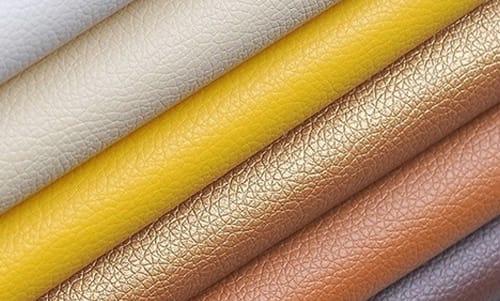
केवल रंग पर ध्यान केंद्रित करना
रंग महत्वपूर्ण है, लेकिन अच्छा रंग इसके लिए क्षतिपूर्ति नहीं करता हैः
- ख़राब पंजीकरण;
- कमजोर आसंजन;
- आयामी अस्थिरता;
- धुंधला पैटर्न।.
अधिकतम गति चुनना
एक तेज़ प्रक्रिया तभी उपयोगी होती है जब गुणवत्ता स्थिर रहती है।.
प्रयोग करने योग्य उत्पादन गति मशीन की अधिकतम यांत्रिक गति से अधिक सार्थक है।.
केवल एक सब्सट्रेट का परीक्षण
एक आसान सामग्री संपूर्ण उत्पादन सीमा का प्रतिनिधित्व नहीं करती है।.
परीक्षण के दौरान कठिन सबस्ट्रेट्स का उपयोग करें।.
वेब तनाव को नजरअंदाज करना
पैटर्न सटीकता सब्सट्रेट आयामों पर निर्भर करती है।.
यदि सामग्री स्वयं लगातार खिंच रही है तो मुद्रण प्रणाली सही पंजीकरण बनाए नहीं रख सकती है।.
डाउनस्ट्रीम फिनिशिंग से पहले प्रिंट को मंजूरी देना
एम्बॉसिंग, कोटिंग, लेमिनेशन, गर्मी और हैंडलिंग अंतिम सतह को बदल सकती है।.
अनुमोदन वास्तविक तैयार विनिर्माण मार्ग को प्रतिबिंबित करना चाहिए।.
एक साथ कई पैरामीटर बदलना
यदि दबाव, गति, तनाव और सुखाने को एक साथ बदल दिया जाता है, तो यह पहचानना मुश्किल हो जाता है कि किस समायोजन से वास्तव में परिणाम में सुधार हुआ है।.
नियंत्रित परीक्षण अधिक उपयोगी उत्पादन ज्ञान उत्पन्न करता है।.
चमड़ा प्रक्रिया चेकलिस्ट पर एक व्यावहारिक मुद्रण
| सवाल | यह क्यों मायने रखता है |
|---|---|
| कौन सा सब्सट्रेट मुद्रित किया जा रहा है? | सतह संगतता निर्धारित करता है |
| क्या सामग्री आयामी रूप से स्थिर है? | पैटर्न सटीकता को प्रभावित करता है |
| क्या डिजाइन की आवश्यकता है? | मुद्रण तकनीक निर्धारित करता है |
| कितने रंग शामिल हैं? | पंजीकरण आवश्यकताओं को प्रभावित करता है |
| क्या काम की चौड़ाई की जरूरत है? | उपकरण विन्यास निर्धारित करता है |
| क्या सतह पहले से ही बनावट है? | कोटिंग स्थानांतरण को प्रभावित करता है |
| क्या लाइन गति की आवश्यकता है? | संपर्क और सुखाने को प्रभावित करता है |
| प्रिंट करने के बाद क्या होता है? | अंतिम गुणवत्ता मानकों का निर्धारण करता है |
| क्या सामग्री उभरा होगा? | रंग और पैटर्न उपस्थिति बदल सकते हैं |
| क्या सफल सेटिंग्स को पुन: प्रस्तुत किया जा सकता है? | उत्पादन स्थिरता निर्धारित करता है |
यह चेकलिस्ट केवल अधिकतम गति या कार्य चौड़ाई के माध्यम से मुद्रण प्रणाली का मूल्यांकन करने से अधिक उपयोगी है।.
निष्कर्ष
चमड़े पर मुद्रण को केवल किसी सामग्री में रंग जोड़ने के बजाय एक एकीकृत सतह-इंजीनियरिंग प्रक्रिया के रूप में माना जाना चाहिए।.
सफल औद्योगिक मुद्रण स्थिर सबस्ट्रेट्स, सटीक वेब हैंडलिंग, नियंत्रित दबाव, लगातार प्रिंटिंग मीडिया, विश्वसनीय पंजीकरण, उचित सुखाने और एम्बॉसिंग, लेमिनेशन और अन्य परिष्करण प्रक्रियाओं के साथ समन्वय पर निर्भर करता है।.
सबसे मजबूत उत्पादन रणनीति वास्तविक सामग्रियों का परीक्षण करना, सफल सेटिंग्स का दस्तावेजीकरण करना, पूरी सामग्री की चौड़ाई का निरीक्षण करना, लंबे समय तक उत्पादन चलाने के दौरान स्थितियों की निगरानी करना और उनकी डाउनस्ट्रीम प्रक्रियाओं के बाद मुद्रित सतहों का मूल्यांकन करना है।.
जब एक पैटर्न को न केवल एक बार, बल्कि विभिन्न रोल और उत्पादन रन में बार-बार पुन: प्रस्तुत किया जा सकता है, तो मुद्रण एक दृश्य परीक्षण-और-त्रुटि ऑपरेशन के बजाय एक नियंत्रित विनिर्माण प्रक्रिया बन जाता है।.
सिंथेटिक चमड़ा निर्माताओं के लिए, यह दोहराव विशेष रूप से महत्वपूर्ण है क्योंकि सतह की उपस्थिति अक्सर उत्पादन स्थिरता के सबसे दृश्यमान संकेतकों में से एक होती है।.
अक्सर पूछे जाने वाले प्रश्न
चमड़े पर छपाई क्या है?
चमड़े पर मुद्रण चमड़े या सिंथेटिक चमड़े के लिए रंग, ग्राफिक्स, पैटर्न, या सजावटी सतह प्रभाव लागू करने की प्रक्रिया है औद्योगिक तरीकों में सामग्री और आवश्यक डिजाइन के आधार पर रोलर, ग्रेव्योर, डिजिटल, स्थानांतरण और स्क्रीन-आधारित प्रिंटिंग शामिल हो सकती है।.
चमड़े पर मुद्रण पु और पीवीसी सामग्री पर इस्तेमाल किया जा सकता है?
हाँ। पु और पीवीसी सिंथेटिक चमड़े को मुद्रित किया जा सकता है जब सतह कोटिंग, मुद्रण माध्यम, सुखाने की प्रक्रिया, और मशीन सेटिंग्स संगत हैं क्योंकि विभिन्न सामग्री संरचनाएं अलग-अलग प्रतिक्रिया देती हैं, निर्माताओं को मापदंडों को मानकीकृत करने से पहले वास्तविक उत्पादन नमूनों का परीक्षण करना चाहिए।.
चमड़े पर छपाई करते समय धुंधले पैटर्न का क्या कारण है?
धुंधला पैटर्न अत्यधिक मुद्रण सामग्री, अनुपयुक्त चिपचिपाहट, उच्च रोलर दबाव, अस्थिर वेब आंदोलन, दूषित रोलर्स, या सतह भिन्नता के परिणामस्वरूप हो सकता है सबसे अच्छा निदान पहचानता है कि पैटर्न पहले अकेले दबाव को समायोजित करने के बजाय परिभाषा खो देता है।.
चमड़े पर छपाई करते समय निर्माता रंग स्थिरता में सुधार कैसे कर सकते हैं?
स्थिर सबस्ट्रेट्स, अनुमोदित संदर्भ नमूने, नियंत्रित मुद्रण फॉर्मूलेशन, स्वच्छ रोलर्स, लगातार दबाव, स्थिर वेब तनाव, उपयुक्त सुखाने की स्थिति, और रोल भर में नियमित निरीक्षण का उपयोग करें सफल उत्पादन मापदंडों को भी दोहराने के लिए दस्तावेज किया जाना चाहिए।.
क्या चमड़े पर छपाई को एम्बॉसिंग के साथ जोड़ा जा सकता है?
हाँ मुद्रण और उभार अक्सर दोनों रंग और तीन आयामी बनावट के साथ सतहों बनाने के लिए संयुक्त कर रहे हैं मुद्रण वांछित प्रभाव के आधार पर उभार से पहले या बाद में पूरा किया जा सकता है, जबकि पंजीकृत डिजाइन विशेष रूप से सटीक तनाव और आयामी नियंत्रण की आवश्यकता होती है।.